
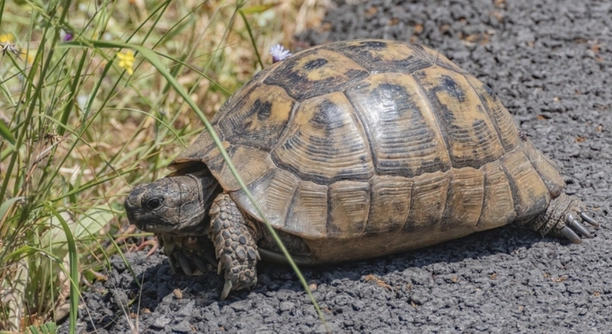
Adopting a rescue Greek tortoise can be an exciting yet challenging experience. These fascinating creatures require specific care to ensure they thrive in a home environment. Understanding their needs is key to providing a happy and healthy life.
Before adopting a rescue Greek tortoise, it is crucial to consider their dietary needs, habitat requirements, and long lifespan. A proper setup with sufficient space, heat, and UVB lighting is essential for their well-being. Regular health checkups are recommended.
Taking care of a rescue Greek tortoise can be a rewarding experience. By understanding their specific needs, you can offer them a healthy and fulfilling life.
Understanding the Habitat Needs of a Greek Tortoise
Creating the right environment for your rescue Greek tortoise is crucial to its health. These tortoises need a spacious habitat, either an outdoor enclosure or a large indoor tank, with plenty of room to roam. They thrive in areas with access to natural sunlight, or you’ll need a UVB light to mimic this. The temperature should stay between 75-85°F during the day, with a warmer spot for basking. At night, the temperature can drop to 65°F, but it should never be too cold. Humidity levels should be moderate to prevent respiratory issues, but not too high, which can cause shell rot.
Proper flooring is also important for their comfort. Avoid using gravel or sand that could irritate their skin. Instead, opt for materials like organic soil or mulch. Adding some plants for them to nibble on will enrich their environment and provide some stimulation. Regularly check for signs of illness, as tortoises can be susceptible to various conditions if not cared for properly.
Providing a healthy habitat not only keeps your tortoise safe but ensures its happiness. A well-maintained environment will support its growth and longevity, making the process more fulfilling for both you and your tortoise.
Meeting Their Dietary Requirements
Greek tortoises are herbivores, meaning their diet mainly consists of plants. Fresh, leafy greens like dandelion greens, collard greens, and kale should make up the bulk of their meals. You can also offer them grasses, flowers, and some fruits in moderation.
A varied diet is essential to ensure they receive all the necessary nutrients. Calcium is particularly important for bone health, so it’s important to provide calcium-rich foods or a calcium supplement. Additionally, make sure they have access to clean, fresh water every day. This will prevent dehydration and promote healthy digestion.
Tortoises, being slow eaters, need time to chew and digest their food properly. Avoid overfeeding them, as it can lead to obesity and other health issues. While feeding them, always be mindful of foods that could harm them, such as those high in oxalates or goitrogens.
The Importance of Regular Vet Checkups
Regular vet visits are key to ensuring your Greek tortoise stays healthy. Even if your tortoise seems fine, routine checkups can catch issues early. A vet can monitor their weight, skin, and shell condition, making sure they’re thriving in their environment.
Tortoises can sometimes hide illness or discomfort, so professional assessments help prevent serious problems from worsening. Make sure the vet is experienced in caring for reptiles. They can provide recommendations on diet, habitat, and preventive measures like parasite control, which is often overlooked but necessary for these animals.
Early intervention from a vet ensures your tortoise gets the proper care it needs and helps maintain its long lifespan. Regular checkups can give you peace of mind and keep your pet in the best possible health.
How to Handle and Interact with Your Tortoise
Handling your Greek tortoise should be done with care and patience. They are not particularly social animals and can become stressed with excessive handling. Start slow, letting them get used to your presence first.
While they are not as interactive as some pets, tortoises can recognize their owners over time. You may notice them responding to your voice or movements. It’s important to be gentle, as they have delicate shells that can be damaged if mishandled. Avoid picking them up by their shell as this can cause injury.
Limit handling to short sessions, especially in the beginning. Respecting their need for space will help build trust, ensuring a calm and happy tortoise.
The Lifespan of a Greek Tortoise
Greek tortoises are known for their long lifespan, often living up to 50 years or more in captivity. This means adopting one requires a long-term commitment. You’ll need to ensure that their care continues for decades, including possible changes in their habitat and diet as they age.
Their long life also means you should be prepared for the responsibility. Think about future care arrangements in case your lifestyle changes. Make sure your tortoise will be in good hands even as it grows older. Providing a stable environment is key to supporting their longevity.
Keeping Your Tortoise Active
Greek tortoises need regular exercise to stay healthy. In their natural habitat, they travel long distances, so offering a space where they can roam freely is important. This keeps their muscles strong and prevents obesity.
An active tortoise is less likely to develop health issues like shell deformities. You can encourage movement by setting up obstacle courses or placing their food in different areas of their habitat. Just be sure the area is safe and escape-proof. They may also enjoy some time in a secure outdoor enclosure for natural foraging.
Potential Health Concerns
Although Greek tortoises are generally hardy, they are susceptible to certain health problems. Respiratory infections are common and can be caused by incorrect temperature or humidity levels. Shell rot can develop if the tortoise’s environment is too wet or not clean.
Another issue is vitamin deficiency, often linked to improper diet or insufficient UVB light. Ensure that your tortoise has access to proper lighting and a well-rounded diet rich in calcium and other essential vitamins. Regular vet checkups are vital to catch potential problems early.
FAQ
How much space does a Greek tortoise need?
A Greek tortoise needs a spacious enclosure to feel comfortable and thrive. The minimum space should be 4-6 square feet for one tortoise. If housed indoors, you’ll need a large tank or a custom-made enclosure. Outdoor enclosures are ideal, as long as they are secure and offer both shaded and sunny areas. The bigger the space, the more room your tortoise has to roam and explore, promoting physical health and mental stimulation.
What should I feed my Greek tortoise?
Greek tortoises are herbivores and primarily eat leafy greens, grasses, and flowers. Good options include dandelion greens, collard greens, kale, and clover. You can also give them small amounts of fruits like strawberries or melon occasionally. It’s crucial to avoid high-protein foods like lettuce, as it can cause health issues. Make sure they have access to fresh water at all times, and provide a calcium supplement for healthy bones and shells.
Can Greek tortoises live outdoors year-round?
Yes, Greek tortoises can live outdoors year-round, but only in climates that are warm enough for them. They need a dry, sunny place to bask and must be protected from extreme weather. If you live in a colder climate, you’ll need to bring them inside during the winter months or build a heated shelter for them. Outdoor enclosures should have secure fencing to prevent escapes and be safe from predators.
How do I know if my Greek tortoise is healthy?
A healthy Greek tortoise will have a clean, smooth shell, clear eyes, and an alert, active demeanor. Check for any signs of discharge from the eyes or nose, which could indicate a respiratory infection. Their skin should be free of sores or abrasions. Also, monitor their eating habits. A sudden loss of appetite or excessive lethargy may point to an underlying health issue. Regular vet checkups can help catch problems early.
How often should I clean my Greek tortoise’s habitat?
Cleaning your tortoise’s habitat is essential to prevent bacteria and parasites. Spot clean the habitat daily by removing uneaten food, waste, and debris. Deep clean the enclosure once every 2-4 weeks, depending on the size of the space. When cleaning, use reptile-safe disinfectants, and make sure everything is completely dry before placing your tortoise back in.
What temperature should my Greek tortoise’s habitat be?
The habitat temperature should range between 75-85°F during the day, with a basking area that reaches up to 90°F. At night, temperatures can drop to around 65°F. Make sure there is a temperature gradient in the habitat so your tortoise can move to warmer or cooler areas as needed. Providing a heat source, like a heat lamp, is essential for creating the correct environment.
Can I keep more than one Greek tortoise together?
Greek tortoises are territorial creatures and should be housed alone to prevent fights. While some tortoises may tolerate one another, it’s best to house them separately, especially males, as they can become aggressive toward each other. If you plan to have multiple tortoises, be sure to provide separate enclosures for each one to avoid stress and injury.
What kind of lighting do Greek tortoises need?
Greek tortoises require both UVB lighting and a heat source. UVB light is essential for their calcium metabolism and bone health. In captivity, they need a UVB light that covers a large area of their habitat. The light should be replaced every 6 months, as its effectiveness diminishes over time. Ensure that the light is not too close to the tortoise, as it can cause burns.
How can I prevent my Greek tortoise from escaping?
Greek tortoises are known for being excellent escape artists. If kept outdoors, ensure the enclosure has high, secure walls with no gaps. Bury the bottom of the fencing to prevent tunneling. Indoors, use an enclosure with walls tall enough to keep them from climbing over. Always check the enclosure for any signs of damage that could lead to an escape.
How do I handle a Greek tortoise?
Handling a Greek tortoise should be done carefully and with respect. Always support its body and avoid lifting it by its shell. It’s best to lift them gently by holding both sides of their body with both hands. While tortoises are not particularly social animals, gentle handling can help them get used to your presence over time. Keep interactions short to avoid stress.
What should I do if my Greek tortoise isn’t eating?
If your Greek tortoise stops eating, it may be a sign of illness or improper environmental conditions. Check the temperature and lighting of its habitat to ensure they are appropriate. Stress, changes in diet, or health issues can also affect their appetite. If the tortoise refuses food for more than a few days, consult a vet to rule out any health problems.
Final Thoughts
Adopting a Greek tortoise can be a rewarding experience, but it requires a long-term commitment. These tortoises live for decades, and their care demands attention to detail and consistency. Before bringing one home, it’s important to ensure that you can provide a stable and appropriate environment for them to thrive. From their habitat to their diet, each aspect of their care plays a significant role in their health and well-being. A Greek tortoise can be a unique and fulfilling pet, but the responsibility is not to be taken lightly.
The key to successfully caring for a Greek tortoise lies in understanding its needs. They require adequate space to roam, a proper diet, and a controlled temperature environment. These factors are crucial for their physical and emotional health. Regular vet visits, proper lighting, and a safe habitat are all essential to keeping your tortoise happy. Understanding their behavior, like their tendency to be solitary or their need for warmth, will help create an environment where they feel secure. These tortoises can live for 50 years or more, so being prepared for a long-term relationship is vital.
Finally, consider the impact of adopting a Greek tortoise on your lifestyle. It’s important to have a plan for their care, especially when thinking about their long lifespan. Whether you decide to keep them indoors or build an outdoor enclosure, a Greek tortoise requires a space where they can exercise, bask, and feel safe. Educating yourself on their habits and potential health concerns will allow you to make informed decisions. If you are ready for the commitment, a Greek tortoise can become a wonderful companion that will bring years of enjoyment.

Hello,
If you enjoy the content that we create, please consider saying a "Thank You!" by leaving a tip.
Every little bit helps us continue crafting quality advice that supports the health, happiness, and well-being of pets around the world, for pets of all shapes, sizes, and species.
We really appreciate the kindness and support that you show us!