
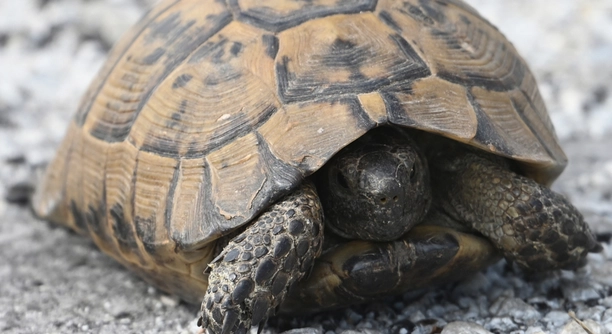
If you’ve noticed your Greek tortoise constantly biting the walls, it can be a puzzling behavior. Understanding why it happens is key to addressing the issue effectively.
Greek tortoises may bite walls due to various factors such as stress, inadequate space, or a lack of stimulation. This behavior could also stem from natural instincts like territorial marking or exploring their environment.
Exploring these reasons will help you provide a healthier, more stimulating environment for your tortoise.
Stress and Anxiety
Stress is a common cause of unusual behavior in tortoises. If your Greek tortoise feels threatened or uncomfortable in its environment, it might bite walls as a way to cope with the stress. Factors such as loud noises, changes in its habitat, or other animals can trigger anxiety. When the tortoise feels it lacks a safe space, biting becomes an outlet. It’s important to create a calm and stable environment for your pet.
It’s essential to minimize stress triggers. Ensure the enclosure is in a quiet area with minimal disturbances. Providing hiding spots and ensuring the temperature is consistent can also help ease stress levels.
Keep an eye on your tortoise’s behavior and environment. A calm space with proper conditions can reduce anxiety. If the biting persists, adjusting the setup and offering more mental stimulation could provide some relief.
Inadequate Space
A small enclosure can lead to frustration in your tortoise. When confined in too small of a space, it might begin to bite walls as a way to explore or try to escape.
Greek tortoises need ample space to roam. A cramped habitat limits their ability to move freely, leading to repetitive behaviors like biting. Consider expanding the enclosure or providing access to a larger, safe area.
Adequate space is crucial for their physical and mental well-being. Providing a spacious environment will allow them to act on natural behaviors, reducing wall-biting. Make sure to measure the space carefully and adjust as needed to ensure your tortoise’s comfort.
Lack of Stimulation
Biting walls can also be a sign that your tortoise is bored. Greek tortoises are naturally curious and active creatures. Without proper stimulation, they may resort to biting the walls out of frustration.
Providing a variety of enrichment, such as hiding food, offering new objects to explore, or even placing different textures in the enclosure, can engage their curiosity. This helps mimic their natural behaviors, like searching for food and territory.
Regularly changing the environment with new hiding spots or plants can prevent monotony. A stimulating environment ensures that your tortoise remains active, lessening the chances of wall-biting behavior. Experiment with different items to keep things fresh.
Overheating
Temperature plays a significant role in your tortoise’s behavior. If the enclosure is too hot or too cold, your tortoise may feel uncomfortable and act out by biting walls.
A proper temperature range is crucial for their digestion, activity level, and overall health. Ensure that the basking area is warm enough but not overly hot, while the cooler area should allow for a comfortable retreat. If the temperature fluctuates, it can stress the tortoise.
Monitoring and adjusting the temperature regularly can prevent wall-biting linked to overheating or being too cold. An adjustable heat source will help create the perfect conditions for your tortoise’s well-being.
Poor Diet
Your Greek tortoise may bite walls if its diet lacks essential nutrients. A poor diet leads to frustration and behavioral issues, including wall-biting.
Ensure your tortoise is getting enough variety in its food. Offer leafy greens, vegetables, and occasional fruits. Avoid feeding too much protein, as it can cause imbalance.
A balanced diet supports their overall health, reducing the urge to act out. A healthy tortoise is less likely to engage in repetitive behaviors, so providing the right nutrition is essential for their well-being.
Natural Behavior
Sometimes biting walls can simply be a natural instinct. Greek tortoises are territorial animals, and they may exhibit behaviors like biting to mark their space or explore.
This type of behavior is normal in many tortoises and may be a sign they’re adjusting to their environment. Understanding that this could be natural helps manage expectations.
Over time, you may notice this behavior lessening as your tortoise becomes more familiar with its surroundings.
FAQ
Why is my Greek tortoise constantly biting the walls?
Biting walls is often a sign of stress, lack of stimulation, or inadequate space. Your tortoise may be trying to escape or find something interesting. Ensure that its environment is spacious, safe, and enriching, with plenty of hiding spots and opportunities for exploration. A consistent temperature and proper diet will also reduce anxiety and minimize wall-biting behavior.
How can I stop my tortoise from biting the walls?
To stop the wall-biting behavior, focus on providing a larger enclosure, more stimulation, and a calming environment. Offering a variety of toys, rocks, or plants can encourage exploration. Keeping the habitat clean and adjusting the temperature to the ideal range will also help. Be patient and monitor changes over time.
Can wall-biting cause harm to my tortoise?
While occasional wall-biting is unlikely to cause significant harm, it can lead to stress and exhaustion if it continues over time. If your tortoise bites excessively, check for underlying problems like inadequate space, improper temperature, or a lack of enrichment. If the behavior doesn’t improve, consult a veterinarian.
What should the temperature be in my tortoise’s enclosure?
The ideal temperature for a Greek tortoise’s enclosure should range between 75°F and 85°F during the day, with a basking spot that can reach 90°F. At night, the temperature can drop to around 65°F. Maintaining these temperature zones helps your tortoise stay comfortable and reduces stress, which can contribute to biting.
Is my tortoise just being playful when it bites the walls?
It’s unlikely that the biting behavior is playful. Tortoises typically bite out of curiosity, stress, or frustration. While some behaviors may look playful, it’s important to assess your tortoise’s overall health and environment to rule out any underlying issues. Proper enrichment and a well-maintained habitat will encourage more natural and positive behaviors.
Can I add other animals to my tortoise’s habitat?
Introducing other animals to your tortoise’s habitat can lead to stress, territorial disputes, and potential injury. Greek tortoises are solitary creatures and prefer to live alone. Adding another pet may cause the tortoise to act out or become more anxious. It’s best to keep their enclosure to themselves unless carefully monitored.
How often should I feed my Greek tortoise?
Greek tortoises are herbivores and should be fed daily. A balanced diet of dark leafy greens, vegetables, and occasional fruits is ideal. Avoid high-protein foods, as they can cause health problems. Make sure the diet is varied to ensure they receive the proper nutrients to stay healthy and reduce stress.
Can I use a heat lamp to regulate the temperature?
Yes, a heat lamp is a good tool for regulating your tortoise’s temperature. Use it to create a basking area that reaches 90°F while maintaining a cooler area of around 75°F to 85°F. Make sure the lamp is positioned properly, so your tortoise can move between warm and cooler spots as needed.
How do I know if my tortoise is stressed?
Signs of stress in a tortoise can include excessive wall-biting, digging, lack of appetite, or uncharacteristic behavior like hiding or pacing. If your tortoise shows these signs, it’s crucial to examine its environment. Check the temperature, space, and enrichment options to ensure they are adequate for your pet’s needs.
Can stress affect my tortoise’s health?
Yes, prolonged stress can lead to health problems such as weakened immune function, digestive issues, or even physical injuries. Managing stress is crucial for your tortoise’s overall well-being. By creating a calm, stable environment, offering proper nutrition, and keeping the temperature consistent, you can help prevent stress-related health issues.
Final Thoughts
Dealing with a Greek tortoise that bites walls can be frustrating, but it’s important to understand that the behavior typically stems from a need for more stimulation, space, or a proper environment. Tortoises are naturally curious creatures, and without enough to do or a comfortable space to thrive, they may resort to biting walls as a way to cope. Ensuring your tortoise has a large enough enclosure, proper temperature, and enrichment can go a long way in reducing this behavior. By providing variety and opportunities for exploration, you can create a more natural and engaging environment for your tortoise.
Another key factor to consider is diet. A balanced diet plays an essential role in a tortoise’s overall well-being. If your tortoise’s diet is lacking in necessary nutrients or if they’re eating too much of one type of food, this can cause frustration and lead to unusual behaviors, including wall-biting. Offering a mix of leafy greens, vegetables, and fruits can help address dietary issues and make your tortoise feel healthier and more content. It’s also important to ensure they are not overfed or underfed, as either can lead to stress or discomfort.
Lastly, patience is crucial. If your tortoise continues to bite walls despite your best efforts, don’t be discouraged. It might take time for them to adjust to changes in their environment. Monitor their behavior, adjust their habitat as needed, and observe how they react. If the wall-biting persists or if your tortoise shows signs of distress, it may be a good idea to consult a veterinarian to rule out any underlying health issues. With the right environment, diet, and care, your Greek tortoise should be able to settle down and enjoy a peaceful, stress-free life.

Hello,
If you enjoy the content that we create, please consider saying a "Thank You!" by leaving a tip.
Every little bit helps us continue crafting quality advice that supports the health, happiness, and well-being of pets around the world, for pets of all shapes, sizes, and species.
We really appreciate the kindness and support that you show us!