
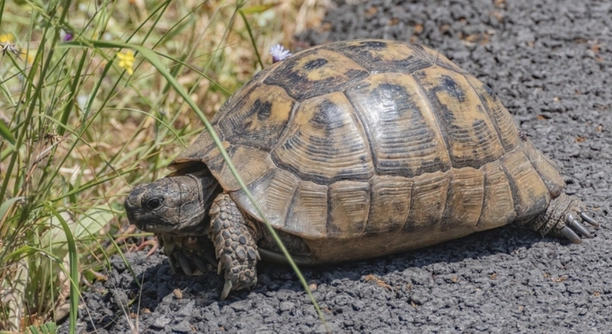
If your Greek tortoise isn’t moving much, it can be concerning. Understanding the reasons behind this behavior is important for its well-being. There could be several factors at play, and identifying them can help address the issue.
Several factors can contribute to a lack of movement in Greek tortoises. These include improper temperatures, lack of stimulation, incorrect diet, or even hibernation-related behavior. Ensuring a proper habitat, regular feeding, and temperature control can help encourage more activity.
Identifying these causes and implementing solutions will help you ensure your Greek tortoise remains healthy and active.
Temperature Problems
Greek tortoises require a stable temperature to thrive. If their environment is too cold, they may become sluggish or stop moving. These reptiles are cold-blooded, meaning their body temperature depends on their surroundings. A proper basking spot should reach about 90°F, while cooler areas should stay around 70°F. If the temperature fluctuates too much, they may not feel motivated to move.
You should monitor the temperature regularly to ensure it stays within this range. Using a thermometer and a heat lamp can help maintain a consistent environment. Make sure to avoid areas where drafts or direct sunlight might cause irregular temperatures.
Tortoises may also become more sedentary in colder months, as they might be preparing for hibernation. In such cases, make sure they are not getting too cold for too long, which could lead to further health issues. If the temperature is right and the tortoise still isn’t moving much, then other factors may be at play.
Diet Issues
A diet that lacks proper nutrition can make your tortoise feel sluggish. Greek tortoises need a diet rich in fiber, calcium, and other essential nutrients to maintain energy and stay active. Without these nutrients, they might not have the energy to move around as much.
To keep your tortoise active, ensure that its diet consists mainly of dark leafy greens, grasses, and some fruits. Avoid feeding them foods high in protein, as this can lead to health issues. Feeding them the right portion size is also important, as overeating can cause lethargy.
Adding a calcium supplement to their diet can help maintain strong bones, while also encouraging natural movement. Regularly offering variety in their meals can keep their diet balanced. Be sure to monitor your tortoise’s weight and energy levels to ensure they are receiving adequate nourishment.
Lack of Stimulation
Without proper stimulation, your tortoise may become lethargic. Greek tortoises are naturally curious creatures, so providing them with new objects or environments to explore will encourage them to move around.
Enrichment activities, like adding rocks, logs, or even new plants, help keep their environment engaging. Allowing them to explore these changes can increase their physical activity. Regularly changing their habitat by rotating items or adding different textures can prevent boredom. Without adequate stimulation, tortoises may become sedentary and lose interest in moving around.
When they are in a stimulating environment, Greek tortoises are more likely to be active and explore their surroundings. Keeping things interesting can boost their mental and physical well-being, ensuring they remain active and engaged throughout the day.
Hibernation Behavior
Greek tortoises may naturally slow down and move less when preparing for hibernation. This behavior is normal during colder months when their instinct to conserve energy kicks in.
If your tortoise is entering hibernation, it may dig into its substrate, becoming immobile for extended periods. Hibernation should be carefully managed to avoid health complications. If it is too warm or the tortoise hasn’t had a proper rest, it may experience issues during this time.
Ensure that the temperature and environmental conditions are right before allowing hibernation. If you notice changes in movement that last too long, check for signs of illness or improper hibernation conditions. A balanced environment can help regulate this process.
Health Problems
Health issues can also cause a Greek tortoise to move less. Common problems like respiratory infections, shell rot, or parasites can lead to lethargy. If your tortoise is not moving, check for other signs of illness, such as swollen eyes, nasal discharge, or abnormal behavior.
A vet should examine your tortoise if you suspect a health issue. Early detection can prevent more serious complications. Sometimes, even minor infections can slow your tortoise down. Keeping their environment clean and providing proper nutrition can help avoid these issues. Pay attention to any unusual changes in behavior or movement patterns.
Enclosure Size
The size of your tortoise’s enclosure plays a role in how much they move. If their habitat is too small, they might not have enough space to roam. Greek tortoises need a roomy area where they can explore and forage.
A larger enclosure can promote natural behavior and increase movement. Ideally, your tortoise’s space should be at least 4 feet by 8 feet. This allows them to roam freely and engage in physical activity. Without enough room, your tortoise may become stagnant, spending more time resting. Make sure the space includes hiding spots, climbing objects, and areas for foraging.
FAQ
Why is my Greek tortoise not eating?
There are several reasons why your Greek tortoise may stop eating. Stress, illness, or improper environmental conditions like incorrect temperature or humidity are the most common causes. Make sure the habitat is at the proper temperature range (around 70°F to 90°F). If the temperature is too cold, your tortoise might lose interest in food. Additionally, if the tortoise is sick or stressed, it may refuse food. Ensure a balanced diet of leafy greens and avoid overfeeding high-protein foods. If the issue persists, consider consulting a vet to rule out any health problems.
Is my tortoise hibernating?
Your Greek tortoise may become less active during the colder months, which can mimic hibernation. However, hibernation in captivity needs to be monitored carefully. If your tortoise is resting for long periods but not showing signs of illness, it could simply be preparing for winter. Before hibernating, ensure the tortoise is healthy and has been fed properly. The enclosure temperature should gradually decrease during this time. If you’re unsure, consult with a reptile vet to confirm whether it’s actual hibernation or an underlying health issue.
How can I encourage my tortoise to move more?
To encourage movement, create an engaging environment for your tortoise. This can include adding climbing objects, hiding spots, or different textures in the habitat. A larger enclosure gives them more room to roam, which will naturally prompt more movement. Ensure the temperature and lighting are optimal for activity. Providing a varied diet with lots of fresh greens also helps, as it encourages foraging behavior. Regularly changing their habitat setup keeps things interesting, which can stimulate curiosity and increase movement.
Why is my tortoise staying in one spot?
If your tortoise is staying in one spot, it could be due to various factors such as temperature stress, lack of stimulation, or illness. Check if the temperature in their habitat is appropriate and if there’s enough variation in their environment. If everything is in order but the tortoise still isn’t moving, it could be a sign of an underlying health issue, like a respiratory infection or parasites. If your tortoise’s behavior doesn’t improve after addressing the environment, a visit to the vet is recommended.
Can I leave my Greek tortoise outside?
Greek tortoises enjoy spending time outdoors, but it’s important to ensure they are in a safe and controlled environment. Only allow your tortoise outside when the weather is warm enough (70°F to 90°F) and free from predators. Create a secure, escape-proof outdoor pen with plenty of natural vegetation to encourage exploration. Be mindful of harsh weather conditions, as they can cause stress or illness. Never leave your tortoise outside unattended, and always supervise them to ensure they stay safe.
How do I know if my tortoise is sick?
Signs of illness in Greek tortoises can be subtle, but common symptoms include lack of movement, loss of appetite, watery eyes, nasal discharge, or swelling of the eyes or limbs. If you notice these signs, it’s best to seek veterinary care. Respiratory infections and shell rot are two common issues, and they often show up with symptoms like wheezing, open-mouthed breathing, or a soft or damaged shell. Early detection is key, so don’t hesitate to get professional help.
Can my tortoise get too hot?
Yes, Greek tortoises can suffer from overheating. If the temperature in their enclosure is too high, they may become stressed or even suffer from heatstroke. It’s important to provide a temperature gradient within the enclosure, allowing the tortoise to move between warmer and cooler areas. Ensure that their basking area is around 90°F, but the cooler areas should be around 70°F. Always provide a shaded spot for your tortoise to retreat to if they feel too warm. Be mindful of hot weather if you allow your tortoise outside, as they can easily overheat.
What should I feed my Greek tortoise?
Greek tortoises thrive on a diet rich in fiber, with a variety of dark leafy greens, grasses, and some flowers. Offer foods such as dandelion greens, clover, collard greens, and parsley. You can also feed them cactus pads and edible flowers like hibiscus. Avoid high-protein foods like fruits and vegetables such as tomatoes or carrots, as these can upset their digestion and health. A calcium supplement may also be beneficial for strong bones, but ensure they’re not overfed.
How can I tell if my tortoise is dehydrated?
Dehydration in tortoises is a common issue, especially in captivity. Symptoms include lethargy, dry skin, sunken eyes, or a lack of appetite. You can check for dehydration by gently pinching the skin on the back of their neck or legs. If the skin doesn’t return to normal quickly, dehydration may be present. To prevent dehydration, always provide fresh water in their enclosure, and consider offering water baths to encourage hydration. A humid environment is also important for Greek tortoises to stay hydrated.
What is the best type of substrate for my tortoise?
The right substrate is crucial for the comfort and health of your Greek tortoise. Use a mixture of coconut coir, soil, and sand. This combination provides good drainage and allows the tortoise to burrow naturally. Avoid substrates like cedar or pine shavings, as they can cause respiratory issues. The substrate should be deep enough to allow your tortoise to dig, and it should be kept clean and dry to prevent the growth of harmful bacteria.
Final Thoughts
Understanding why your Greek tortoise isn’t moving much can be a bit challenging, but it’s usually linked to a few key factors. These factors include their environment, diet, and health. By examining these areas, you can determine the root cause of their inactivity. Sometimes, the issue might be something simple like a change in temperature or an issue with the size of their enclosure. On the other hand, if your tortoise’s movement is limited due to illness, it’s best to seek professional advice from a veterinarian.
Regularly monitoring your tortoise’s health, diet, and habitat can go a long way in preventing inactivity. Making sure they have the proper space to roam, access to natural sunlight or UVB light, and a balanced diet will help keep them active and healthy. If they still seem less active despite having all their needs met, consider giving them time to adjust to changes in their environment. Stress can be a big factor in their behavior, so minimizing stressors is essential. Also, keeping their habitat clean and free of toxins or hazards is important for their well-being.
Ultimately, the goal is to provide the right conditions that allow your Greek tortoise to thrive. Pay attention to signs that may indicate health issues and take proactive measures to maintain their health. With the right care and attention, your tortoise can live a long, happy life, enjoying regular activity and movement. Always consult a vet if something doesn’t seem right, as they can offer valuable guidance to ensure your tortoise’s well-being.

Hello,
If you enjoy the content that we create, please consider saying a "Thank You!" by leaving a tip.
Every little bit helps us continue crafting quality advice that supports the health, happiness, and well-being of pets around the world, for pets of all shapes, sizes, and species.
We really appreciate the kindness and support that you show us!