
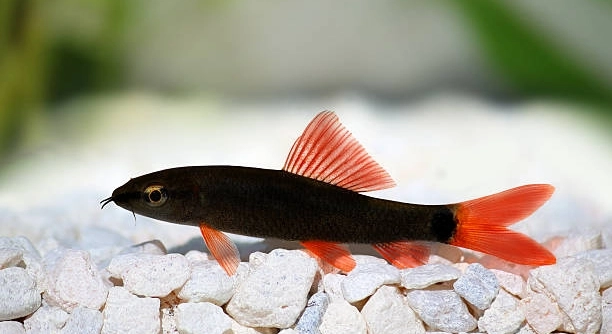
Have you ever brought home a rainbow shark and wondered how long it might stay part of your aquarium family? These bold, energetic fish are known for their unique appearance and curious behavior.
Rainbow sharks typically live between 5 to 8 years when kept in optimal tank conditions. Proper water quality, compatible tank mates, and a well-balanced diet are essential factors that directly influence their lifespan and overall health.
Caring for your rainbow shark goes beyond just feeding and cleaning. Learning the key factors that affect their lifespan will help you create a more stable and healthy aquarium environment.
Lifespan Basics of the Rainbow Shark
Rainbow sharks generally live for 5 to 8 years, but some can reach up to 10 with excellent care. Their lifespan depends heavily on tank conditions, including water quality, space, and the overall setup. These fish need stable temperatures, low ammonia levels, and proper filtration to stay healthy. They also require a large enough tank—at least 50 gallons—as they are active swimmers and become territorial in small spaces. When kept in stressful or poor environments, rainbow sharks may become aggressive or ill, which shortens their life. Watching for any sudden behavior changes or signs of illness can help extend their time in your care. Routine maintenance, such as water changes and tank cleanings, makes a big difference. A clean, stress-free environment will support their health and help them thrive. It’s not just about keeping them alive—it’s about giving them a space where they can stay active and strong.
Proper care means longer life.
Even though rainbow sharks are hardy, they depend on stable tank conditions and consistent care. Owners who stay attentive to their fish’s needs are more likely to see them live a full, healthy life.
Diet and Feeding Habits
Feeding your rainbow shark the right diet can significantly improve its lifespan and overall well-being.
In the wild, rainbow sharks are omnivores, eating algae, insect larvae, and small crustaceans. In a tank, they do best with a balanced diet of high-quality sinking pellets, supplemented with frozen or live foods like bloodworms and brine shrimp. Adding fresh vegetables such as spinach or zucchini occasionally helps support their digestion. Feeding them once or twice a day in small portions prevents overfeeding and keeps the water clean. Uneaten food should be removed to avoid poor water quality. A varied diet not only keeps their immune system strong but also brings out their color and energy. Avoid feeding them only flakes or relying on just one food source. Balanced nutrition helps maintain their metabolism and energy, which reduces stress and disease. When you offer the right foods in the right amounts, you’re supporting their health at every stage of life.
Tank Size and Environment Needs
Rainbow sharks need a tank that’s at least 50 gallons. Smaller tanks can cause stress, aggression, and health issues. A longer tank with plenty of swimming space is best, along with hiding spots to reduce territorial behavior.
Keeping the tank setup balanced is just as important as the size. These fish are territorial, especially as they grow, so adding caves, plants, and décor can help divide the space and reduce aggression. Smooth rocks, driftwood, and vertical structures work well. Avoid overcrowding or placing them with similar-looking species. They also prefer moderate lighting and a secure lid since they may jump. A strong filter helps keep the water clear and oxygenated, but flow should be gentle. Water temperature should stay between 75°F and 81°F. Test the water weekly for ammonia, nitrite, and pH levels to avoid harmful conditions. A calm and organized space supports both their health and behavior.
Territory plays a major role in how rainbow sharks act, especially as they mature. If there’s not enough space, they become more aggressive. Housing them alone or with fast, non-bottom-dwelling fish helps. Never keep two rainbow sharks in the same tank unless it’s over 125 gallons and heavily decorated. Space and setup matter more than most think.
Water Quality and Maintenance
Clean water helps rainbow sharks live longer. Weekly water changes—about 25%—are necessary to keep the environment stable. Without regular maintenance, nitrate levels rise, leading to stress and illness. A reliable filter is essential for keeping waste under control.
Rainbow sharks are sensitive to sudden shifts in water conditions. It’s important to maintain stable temperature, pH, and hardness. Keep pH between 6.5 and 7.5, and water hardness between 5 and 11 dGH. The temperature should not swing more than 2°F in a day. Use a thermometer and a heater to monitor conditions. Always treat tap water with a water conditioner to remove chlorine and heavy metals. Vacuum the substrate during water changes to remove waste that settles at the bottom. Never overfeed, as decaying food causes ammonia spikes. Test water weekly with reliable kits, not strips, for more accurate results. Stability is key—most issues arise from sudden or gradual changes that go unnoticed.
Common Health Concerns
Rainbow sharks can develop stress-related illnesses like fin rot or ich if their environment is unstable. Signs include clamped fins, white spots, or unusual swimming patterns. Quick treatment and stable water conditions can help them recover without lasting effects.
Bacterial infections may also occur from poor water quality or injuries. Swollen areas, discoloration, or ulcers are common signs. Isolating the fish and treating the tank with appropriate medication is often necessary. Clean water and gentle handling reduce the risk of disease and support healing.
Tank Mate Compatibility
Rainbow sharks can be aggressive toward similar species, especially bottom dwellers. Avoid housing them with red-tailed sharks or fish that look alike. Good tank mates include barbs, danios, and rainbowfish. These fish are fast, mid-to-top level swimmers, and less likely to trigger territorial behavior. Avoid slow or long-finned species.
Behavioral Signs to Watch
Unusual hiding, darting, or loss of appetite may signal stress or illness. A healthy rainbow shark is active, alert, and reacts to movement outside the tank. Watching behavior daily helps catch problems early.
How long do rainbow sharks live in captivity?
Rainbow sharks generally live between 5 and 8 years in home aquariums. With excellent care, some can reach up to 10 years, but this is less common. Lifespan depends largely on tank size, water quality, diet, and stress levels. Providing a stable environment and proper nutrition helps maximize their lifespan.
What is the ideal tank size for a rainbow shark?
A minimum tank size of 50 gallons is recommended. These fish are active swimmers and territorial, so they need plenty of space. Larger tanks help reduce aggression and allow them to establish their territory without constant stress. Tanks smaller than 50 gallons often lead to poor health and shorter lifespans.
Can rainbow sharks live with other fish?
Yes, but tank mate selection is important. Avoid other bottom dwellers or similar-looking fish, as rainbow sharks can be territorial and aggressive toward them. Good companions include fast-moving mid-to-top swimmers like barbs, danios, and rainbowfish. Avoid slow, long-finned, or aggressive species.
What should I feed my rainbow shark?
They thrive on a balanced diet of sinking pellets formulated for omnivorous fish, supplemented with frozen or live foods such as bloodworms, brine shrimp, and occasional vegetables like zucchini or spinach. Feeding once or twice daily in small amounts prevents overfeeding and helps maintain water quality.
How often should I perform water changes?
Weekly water changes of about 25% are essential to keep the tank clean and water stable. Rainbow sharks are sensitive to ammonia, nitrite, and nitrate spikes, which can cause stress and illness. Regular maintenance reduces these risks and supports a healthy environment.
What water parameters are best for rainbow sharks?
Maintain water temperature between 75°F and 81°F. pH should stay between 6.5 and 7.5, with water hardness between 5 and 11 dGH. Stability in these parameters is crucial, as sudden changes can stress the fish. Use a heater and reliable test kits to monitor conditions regularly.
Why is my rainbow shark hiding all the time?
Excessive hiding often indicates stress or illness. Possible causes include poor water quality, inadequate tank size, aggression from tank mates, or disease. Check water parameters and observe for signs of injury or infection. Improving the environment and isolating the fish if needed can help.
How can I tell if my rainbow shark is sick?
Look for clamped fins, white spots (ich), ulcers, swelling, lethargy, or loss of appetite. Abnormal swimming patterns, like erratic movements or floating at the surface, also suggest health problems. Early detection and treatment improve recovery chances.
Are rainbow sharks jumpers?
Yes, rainbow sharks are known to jump out of tanks, especially when stressed or startled. Always use a secure lid on your aquarium to prevent accidents. Keeping the environment calm and stable reduces jump attempts.
Can rainbow sharks live alone?
Yes, they can live alone and often do well without other fish. This reduces territorial disputes and stress. However, a single fish in a large tank may become bored, so some owners keep peaceful companions that swim in different areas of the tank.
What decorations are best for a rainbow shark’s tank?
Provide plenty of hiding places with rocks, caves, and driftwood. Live or artificial plants add cover and help reduce aggression. Avoid sharp or rough decorations that can injure the fish. A well-decorated tank helps establish territories and makes the fish feel secure.
How important is lighting for rainbow sharks?
Moderate lighting is best. Too bright lighting can stress them, while too dim might affect their color and behavior. Providing shaded areas with plants or décor allows them to retreat from strong light and feel comfortable.
What should I do if my rainbow shark becomes aggressive?
Aggression often comes from stress or territorial disputes. Increase tank size if possible, add more hiding spots, and reconsider tank mates. Sometimes separating aggressive fish is necessary. Maintaining excellent water quality and a calm environment helps reduce aggression.
Rainbow sharks are lively and interesting fish that can be a great addition to a home aquarium. Their lifespan of 5 to 8 years depends on how well they are cared for. Providing the right environment, including a large enough tank and clean, stable water, plays a key role in helping them live longer. They need space to swim freely and places to hide so they feel safe. A well-maintained tank reduces stress and prevents many health problems. Paying attention to their behavior and tank conditions can help spot any issues early, which is important for keeping them healthy.
Feeding rainbow sharks properly is just as important as their tank setup. These fish require a balanced diet made up of sinking pellets, live or frozen foods, and occasional vegetables. Overfeeding or feeding poor-quality food can lead to water pollution and health issues. Regularly changing the water and testing its quality supports their well-being by keeping harmful chemicals low. Rainbow sharks are sensitive to sudden changes in temperature, pH, and water hardness, so monitoring these factors carefully is necessary. Consistency in care helps reduce stress and supports a longer, healthier life.
Rainbow sharks can sometimes show aggressive behavior, especially when the tank is too small or when they share the space with similar fish. Choosing suitable tank mates and providing enough room and hiding places helps reduce conflicts. If aggression becomes a problem, separating fish or increasing the tank size may be needed. Overall, understanding the needs of rainbow sharks and providing a clean, stable environment with proper food and space will help them thrive. With the right care, these colorful fish can live well and bring enjoyment for many years.

Hello,
If you enjoy the content that we create, please consider saying a "Thank You!" by leaving a tip.
Every little bit helps us continue crafting quality advice that supports the health, happiness, and well-being of pets around the world, for pets of all shapes, sizes, and species.
We really appreciate the kindness and support that you show us!