
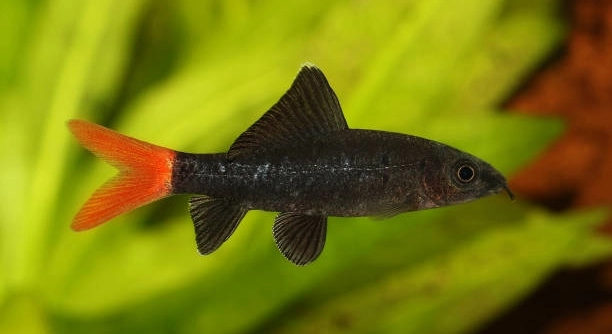
Rainbow sharks are popular aquarium fish known for their vibrant colors and peaceful nature. Many fishkeepers want to understand how these unique creatures reproduce. Knowing about their breeding habits can help create a better environment for them to thrive.
Rainbow shark reproduction involves specific conditions, including water quality, temperature, and habitat setup. They are egg layers, and successful breeding requires proper care and attention to these factors to encourage spawning and healthy fry development.
Learning about their reproduction can improve your chances of maintaining a healthy and balanced aquarium. This article covers key facts every enthusiast should know about breeding rainbow sharks.
Understanding Rainbow Shark Mating Behavior
Rainbow sharks have a unique way of showing interest in each other during mating season. Males become more active and may chase females around the tank, displaying bright colors to attract attention. This chasing can seem aggressive but is part of their natural breeding behavior. It is important to provide plenty of hiding spots and plants in the aquarium to reduce stress during this time. The increased activity usually lasts a few days, after which the fish calm down. Female rainbow sharks tend to be less colorful but will prepare to lay eggs in secluded spots, often near plants or decorations. Maintaining stable water conditions and reducing disturbances will help support this behavior. Observing these signs is key for anyone hoping to encourage breeding in captivity.
Rainbow sharks usually show clear signs of readiness before spawning. Males display brighter colors and chase females more often.
Careful observation of their mating behavior can help ensure a successful breeding environment.
Ideal Tank Conditions for Spawning
Maintaining the right tank conditions is essential for rainbow shark reproduction. The water temperature should be kept between 77°F and 82°F, which encourages spawning activity. pH levels need to stay slightly acidic to neutral, ideally between 6.5 and 7.5. Clean water with good filtration is critical because poor water quality stresses the fish and prevents breeding. A tank size of at least 30 gallons is recommended to give the fish enough space for natural behavior. Providing plenty of hiding places, such as plants, caves, and decorations, helps reduce aggression and gives females safe spots to lay eggs. Feeding the fish a varied diet rich in protein also supports their health and readiness for spawning. Regular monitoring of water parameters ensures that conditions remain stable, which increases the chance of successful reproduction.
Tank setup impacts breeding success, with water quality and temperature being the most important factors.
By creating a stable and comfortable environment, you support the natural reproductive cycle of rainbow sharks.
A well-maintained tank mimics their natural habitat and encourages healthy spawning behaviors, making it easier to care for the fish during this delicate phase.
Spawning Process and Egg Care
Rainbow sharks lay eggs on flat surfaces like rocks or plants. Females deposit sticky eggs that attach firmly to these surfaces. Males then fertilize the eggs externally. After fertilization, parents typically do not care for the eggs or fry.
It’s important to protect the eggs from being eaten by adult fish. Many keepers use a breeding tank or separate the eggs once they are laid. The eggs take about three to five days to hatch, depending on water temperature. Maintaining clean water and stable conditions during this time supports healthy development.
Once the fry hatch, they are very small and require special care. Feeding them with finely crushed flakes or specialized fry food helps ensure their survival. Providing gentle water flow and plenty of hiding places reduces stress and promotes healthy growth during these early days.
Common Challenges in Breeding Rainbow Sharks
Aggression between males is a frequent issue during breeding attempts. Males can become territorial and stress out females, which lowers spawning chances. Careful tank management and plenty of hiding spots help reduce this problem.
Another challenge is maintaining water quality, as poor conditions can cause eggs to fungus or fry to die. Regular water changes and proper filtration are essential to keep the environment safe. Feeding the breeding pair high-quality food supports their health and increases the likelihood of successful spawning.
Despite these challenges, many hobbyists find breeding rainbow sharks rewarding. Patience and attention to detail are key. Learning from each breeding cycle helps improve care strategies and increases success over time.
Identifying Male and Female Rainbow Sharks
Male rainbow sharks usually have brighter colors and more intense fin shapes compared to females. Females tend to have rounder bellies, especially when ready to spawn.
Recognizing these differences helps in pairing compatible fish for breeding and monitoring their behavior more effectively.
Timing and Frequency of Breeding
Rainbow sharks tend to spawn more frequently in warmer months when water temperatures rise naturally. In captivity, maintaining optimal temperature and conditions can encourage regular spawning. They may breed several times a year if the environment remains stable and stress-free.
Raising Fry Successfully
Providing tiny, frequent feedings with specially formulated fry food supports growth. Clean, calm water and hiding spots improve survival rates for young rainbow sharks.
FAQ
How long does it take for rainbow shark eggs to hatch?
Rainbow shark eggs typically hatch within three to five days after being laid. The exact time depends on water temperature, with warmer water speeding up the process. Keeping the water clean and stable during this period is crucial for healthy development of the eggs.
Can rainbow sharks breed in community tanks?
Breeding rainbow sharks in community tanks is difficult because adult fish often eat the eggs and fry. Also, aggression between males can stress the fish and reduce spawning chances. Many hobbyists prefer using a separate breeding tank to improve survival rates of eggs and fry.
What is the best diet to prepare rainbow sharks for breeding?
A protein-rich diet helps improve the health and breeding readiness of rainbow sharks. Feeding a mix of high-quality pellets, frozen foods like bloodworms, and live foods encourages spawning behavior and strengthens the fish. Healthy nutrition supports egg production and fertilization.
How can I tell if my rainbow shark is ready to spawn?
Males show brighter colors and increased chasing behavior when ready to spawn. Females may have a rounder belly indicating eggs are developing. Watching these signs closely allows better timing for breeding efforts.
Do rainbow sharks care for their eggs or fry?
Rainbow sharks do not care for their eggs or fry. After fertilization, the adults usually ignore or may even eat the eggs. This lack of parental care is why separating the eggs or using a breeding tank is important for successful hatching.
What water conditions are ideal for breeding?
Water temperature should be between 77°F and 82°F with a pH near neutral (6.5–7.5). Clean, well-filtered water with low stress levels is essential. Regular water changes and stable conditions promote spawning and egg development.
How often can rainbow sharks breed?
Rainbow sharks can breed multiple times a year if conditions are favorable. Warmer temperatures and consistent care encourage frequent spawning. However, breeding frequency varies depending on tank setup and individual fish health.
What should I do with the fry after they hatch?
Once the fry hatch, move them to a separate tank to protect them from adult fish. Provide fine fry food in small amounts several times a day. Maintain calm water flow and offer hiding places to reduce stress and improve survival.
Are there common problems when breeding rainbow sharks?
Aggression between males can cause stress and reduce breeding success. Poor water quality often leads to fungal infections on eggs or fry death. Careful tank management and proper nutrition help prevent these issues.
Can I keep breeding pairs together outside spawning times?
Keeping pairs together outside spawning may cause stress or aggression. It’s better to separate males or provide ample space and hiding spots. Monitoring behavior helps avoid injury and keeps the fish healthy.
How do I increase fry survival rates?
Maintaining clean water, feeding appropriate fry food, and separating fry from adults improve survival rates. Gentle water flow and hiding places reduce stress, which also helps young fish grow strong.
What signs indicate that breeding was successful?
Fertilized eggs appear clear or slightly yellowish and stick firmly to surfaces. Unfertilized eggs turn white and opaque. After a few days, you’ll notice tiny fry moving inside the eggs before hatching.
Can I breed rainbow sharks without a breeding tank?
It is possible but challenging to breed rainbow sharks without a separate breeding tank. Egg predation and aggression are common problems. A dedicated breeding tank increases the chance of survival for eggs and fry.
How long do rainbow sharks live after breeding?
Rainbow sharks generally live 5 to 8 years with proper care. Breeding does not significantly shorten their lifespan if conditions remain good and stress is minimized.
Are rainbow shark fry difficult to care for?
Fry require careful feeding and clean water. They are delicate at first and need frequent small meals of appropriate food. Providing a safe environment and good water quality makes fry care manageable.
Rainbow shark reproduction can seem complex at first, but understanding the basics makes it much easier to manage. These fish have specific needs when it comes to breeding, including proper tank conditions, water quality, and diet. Knowing how to recognize their mating behavior and prepare the environment helps support a healthy spawning process. While rainbow sharks do not care for their eggs or fry, careful attention to these details increases the chances of successful breeding. Providing the right space, hiding spots, and stable water conditions are essential parts of this process.
Breeding rainbow sharks requires patience and careful observation. Males can become aggressive during spawning, so it’s important to provide enough room and places for fish to hide. Water temperature and cleanliness play a large role in encouraging spawning and keeping eggs healthy. Feeding the fish a protein-rich diet before breeding also helps improve the quality of eggs and fertilization rates. Separating the eggs or moving the fry to a different tank improves their chances of survival since adult fish might eat them otherwise. Taking these steps will help ensure the young fish grow strong and healthy.
Overall, breeding rainbow sharks can be rewarding for those willing to give their fish the right care. It takes time and effort to create the right environment and manage potential problems like aggression or poor water quality. Watching the development of eggs and fry is an interesting experience that adds a new dimension to keeping rainbow sharks. With the right knowledge and preparation, successful reproduction is achievable. This not only helps increase the population but also deepens the connection with these colorful and fascinating fish.

Hello,
If you enjoy the content that we create, please consider saying a "Thank You!" by leaving a tip.
Every little bit helps us continue crafting quality advice that supports the health, happiness, and well-being of pets around the world, for pets of all shapes, sizes, and species.
We really appreciate the kindness and support that you show us!