
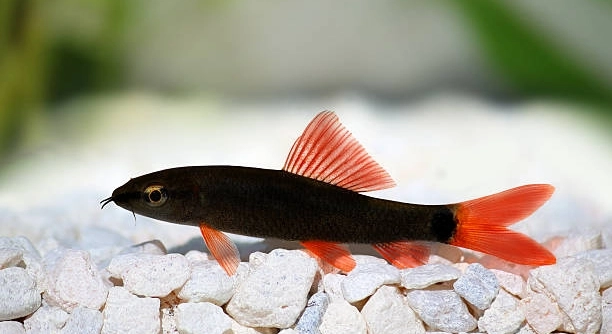
Rainbow sharks are popular freshwater fish known for their vibrant colors and active nature. Many aquarium owners want to keep them healthy and thriving in their tanks. Proper care is essential to maintain their well-being and prevent common health issues.
To boost a rainbow shark’s health, focus on providing a balanced diet, maintaining clean water conditions, ensuring adequate tank space, monitoring water parameters, offering hiding spots, avoiding overcrowding, and reducing stress. These factors collectively promote optimal growth and longevity.
Following these simple steps will help your rainbow shark stay active and vibrant. Maintaining good care practices ensures a healthy and enjoyable aquarium experience.
Provide a Balanced Diet
Rainbow sharks need a balanced diet to stay healthy. Feeding them high-quality flakes or pellets designed for omnivores ensures they get essential nutrients. Including occasional live or frozen foods like bloodworms or brine shrimp helps supply protein and variety. Avoid overfeeding, as uneaten food can pollute the tank and harm water quality. Feeding small amounts two to three times daily is best. Vegetables like blanched zucchini or spinach can be offered to support digestion and provide fiber. It is important to monitor your rainbow shark’s appetite and adjust feeding accordingly, as changes may indicate health issues. Consistent feeding habits help maintain their energy and coloration over time.
Balanced nutrition supports growth, coloration, and overall vitality. A varied diet prevents nutrient deficiencies and contributes to a stronger immune system. Feeding responsibly also reduces waste and keeps the aquarium cleaner.
Proper feeding can prevent many health problems. It encourages natural behaviors and keeps your rainbow shark lively and healthy for years.
Maintain Clean Water Conditions
Water cleanliness is critical for rainbow shark health. Poor water quality stresses fish and leads to illness. Regular water changes and filtration help remove toxins. Testing water parameters like ammonia, nitrite, nitrate, and pH ensures they stay within safe levels.
Ensure Adequate Tank Space
Rainbow sharks need enough room to swim and explore. A tank size of at least 30 gallons is recommended for one fish. Crowded tanks can increase aggression and stress, which harms their health.
Providing sufficient space helps reduce territorial behavior and allows natural movement. These fish are active swimmers that benefit from wide, long tanks. Overcrowding often leads to fights and injuries, which can affect their lifespan. Proper tank size supports better water quality by diluting waste and providing a stable environment. Planning for growth is important since rainbow sharks can reach up to six inches in length. Giving them room to thrive prevents stress and keeps their behavior balanced.
A well-sized tank also allows for adequate decorations and hiding spots. This creates a comfortable habitat that mimics their natural environment and promotes well-being.
Monitor Water Parameters Closely
Keeping water parameters stable is key to a rainbow shark’s health. Ideal temperature ranges between 72°F and 79°F. pH levels should stay near neutral, around 6.5 to 7.5. Ammonia and nitrite must always be zero, with nitrates kept low.
Frequent testing is necessary to catch problems early. Sudden changes in temperature or pH can shock fish and weaken their immune systems. Using a reliable test kit helps track these levels consistently. Adjustments should be made slowly to avoid stressing the fish. Proper filtration and regular water changes maintain these parameters within safe ranges. Stability in the tank environment supports natural behavior and improves disease resistance.
By controlling water quality, you prevent many common health issues. This leads to a longer, healthier life for your rainbow shark.
Offer Hiding Spots
Rainbow sharks feel safer with places to hide. Adding caves, plants, or decorations helps reduce stress. These spots allow them to rest and escape if needed. Hiding spaces also support natural behavior and territorial needs.
Without hiding places, fish may become anxious or aggressive. Providing cover improves their comfort and promotes peaceful tank dynamics.
Avoid Overcrowding
Keeping too many fish in one tank causes stress and fights. Overcrowding leads to poor water quality and health problems. Stick to recommended stocking levels for your tank size. Giving each fish enough space reduces aggression and supports better growth.
Reduce Stress Factors
Stress weakens a rainbow shark’s immune system. Loud noises, sudden movements, or aggressive tank mates increase stress. Maintaining a calm environment and compatible companions helps keep them relaxed. Stable water conditions also prevent stress-related illnesses. Observing behavior regularly can help identify early signs of distress and allow quick action to improve conditions.
Regularly Check for Signs of Illness
Monitoring your rainbow shark for changes in behavior, appetite, or appearance is important. Early detection of illness makes treatment easier and more effective. Look for symptoms such as discoloration, spots, or abnormal swimming. Prompt response prevents the spread of disease and supports recovery.
FAQ
How often should I feed my rainbow shark?
Feeding your rainbow shark two to three times a day is ideal. Offer small portions that they can finish within a few minutes. Overfeeding leads to leftover food, which pollutes the tank and can cause health issues. Monitoring their appetite helps adjust feeding amounts.
What is the best tank size for a rainbow shark?
A minimum tank size of 30 gallons is recommended for one rainbow shark. They grow up to six inches and need space to swim actively. Larger tanks help reduce aggression and maintain stable water conditions.
Can rainbow sharks live with other fish?
Yes, but choose tank mates carefully. Avoid small, slow, or long-finned fish that may be bullied. Good companions include larger peaceful fish like danios or barbs. Providing hiding spots also reduces territorial conflicts.
How do I maintain water quality in the tank?
Regular water changes of about 20-25% weekly help keep water clean. Use a reliable filtration system and test water parameters regularly. Keeping ammonia and nitrites at zero and nitrates low prevents stress and disease.
What temperature is best for rainbow sharks?
Keep the water temperature between 72°F and 79°F. Sudden changes can stress the fish, so use a heater with a thermostat to maintain a stable temperature.
Why is my rainbow shark hiding all the time?
Hiding can be normal behavior, especially if they feel threatened or stressed. It may also indicate poor water quality or illness. Check water parameters and observe other symptoms to identify the cause.
How can I tell if my rainbow shark is sick?
Signs of illness include loss of appetite, faded colors, spots, frayed fins, or unusual swimming patterns. Early detection allows for quicker treatment. Quarantine new fish to prevent spreading diseases.
Is it necessary to have live plants in the tank?
Live plants are beneficial but not required. They provide hiding spots, improve water quality, and offer natural decoration. If you prefer artificial plants, make sure they don’t have sharp edges that could harm the fish.
What should I do if my rainbow shark becomes aggressive?
Aggression can result from overcrowding, insufficient space, or lack of hiding spots. Increase tank size if possible, reduce the number of tank mates, and add more decorations. Separating aggressive individuals may be necessary.
How often should I clean the tank?
Perform partial water changes weekly and clean the substrate and decorations monthly. Avoid over-cleaning, as beneficial bacteria live in the tank and help maintain water quality.
Can rainbow sharks eat vegetables?
Yes, they enjoy blanched vegetables like zucchini, spinach, or peas. Vegetables provide fiber and help digestion. Feed these occasionally as part of a balanced diet.
Are rainbow sharks nocturnal?
They are mostly active during the day but can be more active at dawn and dusk. Providing a regular light cycle helps regulate their behavior and reduces stress.
What is the average lifespan of a rainbow shark?
With proper care, rainbow sharks can live up to 8-10 years. Good nutrition, clean water, and a stress-free environment contribute to their longevity.
How can I reduce stress in my aquarium?
Keep noise levels low near the tank and avoid sudden movements. Use compatible tank mates and provide plenty of hiding places. Maintain stable water conditions and avoid overcrowding.
Should I quarantine new fish before adding them to the tank?
Yes, quarantining new fish for at least two weeks helps prevent the introduction of diseases. Observe the new fish for any signs of illness before mixing them with existing tank mates.
These answers cover common concerns about rainbow shark care. Following these guidelines helps keep your fish healthy and happy.
Taking good care of a rainbow shark requires attention to several key factors. Providing a balanced diet, maintaining clean water, and ensuring enough space are all important to keep these fish healthy. Rainbow sharks thrive when their environment is stable and free from stress. Keeping water parameters within the recommended range and offering hiding spots can reduce anxiety and improve their overall well-being. Regular monitoring and care make a big difference in preventing health problems and helping your fish live a long, active life.
It is important to remember that every rainbow shark has its own personality and needs. Paying close attention to their behavior and appearance allows for early detection of any issues. Changes in appetite, color, or swimming patterns can be signs of illness or stress. When problems arise, acting quickly to adjust care or seek treatment can save your fish from more serious harm. Consistency in feeding, cleaning, and monitoring water quality builds a strong foundation for your fish’s health. This consistency also supports natural behavior, which keeps your rainbow shark lively and comfortable in its tank.
Overall, caring for a rainbow shark is manageable with simple steps and some patience. The effort put into creating the right environment and routine care will be rewarded by watching your fish grow and thrive. While challenges may occur, being proactive helps reduce risks and keeps your aquarium enjoyable for both you and your rainbow shark. Maintaining good care habits is the best way to support the health and happiness of this colorful and active fish.

Hello,
If you enjoy the content that we create, please consider saying a "Thank You!" by leaving a tip.
Every little bit helps us continue crafting quality advice that supports the health, happiness, and well-being of pets around the world, for pets of all shapes, sizes, and species.
We really appreciate the kindness and support that you show us!