
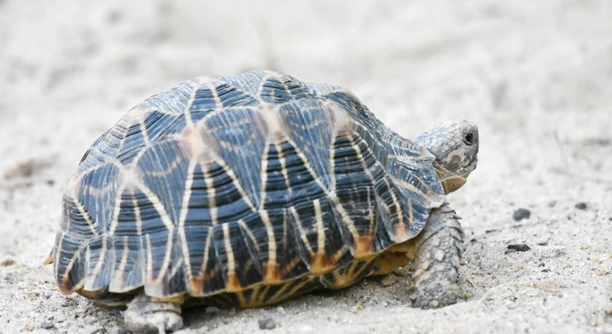
Indian Star Tortoises are fascinating creatures known for their unique appearance and behavior. Their territorial instincts play a big part in their lives. Understanding how they behave in their environment can help you appreciate these wonderful reptiles even more.
Indian Star Tortoises are territorial animals. They mark their space through scent marking and display aggressive behavior, especially towards other tortoises. Males are particularly territorial during mating season, defending their area against rivals.
Learning about their territorial nature can help ensure these tortoises thrive in both wild and captive settings. Keep reading to discover more details about their fascinating habits.
Understanding Territorial Instincts in Indian Star Tortoises
Indian Star Tortoises are naturally territorial. In the wild, they establish a home range that they fiercely protect. These tortoises have a strong instinct to defend their space, which helps them secure food, water, and shelter. They often show this behavior through physical postures or by marking their territory with scent. The size of their territory can vary depending on the availability of resources, but it is usually small compared to larger species.
The territorial nature of these tortoises is particularly noticeable when other animals, including other tortoises, enter their space. Male tortoises, in particular, are more likely to engage in territorial disputes. This behavior is often linked to mating rights. Male tortoises will fight to protect their area from other males, using both physical aggression and vocalizations to assert dominance.
Understanding these behaviors is essential for anyone caring for Indian Star Tortoises in captivity. It helps ensure that they are provided with enough space and resources to live comfortably and avoid stress. In a well-maintained enclosure, tortoises may still display territorial tendencies, but these behaviors can be mitigated with proper management.
How Indian Star Tortoises Mark Their Territory
Indian Star Tortoises use scent marking to indicate ownership of an area. They have specialized glands near their tail that release strong-smelling substances. These substances act as a way to communicate to other tortoises that the area is already claimed. The scent is often left behind on rocks, logs, and vegetation.
While scent marking plays a major role, physical postures are also common. Tortoises will often stretch their necks and open their mouths in a display of dominance. These actions are meant to show other animals that they are serious about defending their space. Males may also engage in pushing or butting behavior if another tortoise invades their territory.
In captivity, providing multiple hiding spots and food sources can help reduce territorial conflict. If tortoises feel secure in their space, they are less likely to engage in aggressive behaviors. For those keeping these tortoises as pets, it’s important to consider the size of the enclosure and avoid overcrowding.
Male Territorial Behavior During Mating Season
Male Indian Star Tortoises are particularly aggressive during mating season. They become more territorial as they compete for the attention of females. Males will engage in intense fights with each other, often pushing or ramming into their rival. These displays of aggression are mostly seen in the wild but can also occur in captivity when multiple males are present.
Males use a combination of behaviors to assert dominance. They may attempt to chase or corner another male in order to show that they are the dominant individual. In captivity, this behavior can sometimes lead to injury if males are not properly separated. Male tortoises are more likely to exhibit these behaviors in areas with limited resources or when competition for a female is high.
Managing males in an enclosure is crucial to prevent fights. Providing enough space and hiding spots can help reduce aggression. By offering separate areas for each male, you can prevent constant territorial disputes and ensure a peaceful environment for all tortoises.
How Territory Affects Their Health and Well-being
Territorial behavior can have a significant impact on an Indian Star Tortoise’s overall health. Stress from constant aggression or lack of space can weaken their immune system. If tortoises are unable to retreat to a safe, quiet spot when needed, they may become more vulnerable to illness. This stress can also affect their feeding habits, as they might not be able to focus on eating when constantly defending their territory.
For tortoises kept in captivity, providing an environment that reduces stress is key. Ensuring each tortoise has its own territory, with adequate food and water sources, is vital for their well-being. If space is limited, it’s important to regularly monitor their interactions and provide distractions like climbing structures and hiding places. This helps keep their mind engaged and reduces the likelihood of territorial aggression. Regular health checks can also catch any issues early, ensuring your tortoises stay healthy.
Understanding the relationship between territorial behavior and health is important for responsible care. By creating a comfortable, low-stress environment, you support your tortoises’ mental and physical health.
The Impact of Territory Size
Territory size can influence the behavior of Indian Star Tortoises. In the wild, they claim an area large enough to provide all the resources they need. A smaller, overcrowded environment in captivity can increase stress and aggression.
Tortoises will often fight when they feel their territory is too small or when there is competition for resources. This can cause both physical injuries and stress, which impacts their overall health. A larger enclosure with enough room for each tortoise to establish its space can reduce these conflicts.
Giving tortoises enough space allows them to exhibit natural behaviors without feeling threatened. Larger habitats also provide more opportunities for foraging, which is beneficial for their well-being.
The Role of Female Tortoises in Territorial Behavior
Female Indian Star Tortoises are less territorial compared to males, but they still play a role in the overall dynamics. They generally avoid conflict unless they are protecting their nesting sites. During the mating season, females may become more defensive of their space.
Even though female tortoises aren’t as aggressive as males, they may display territorial behavior when they feel threatened or if their nesting area is disturbed. In captivity, females need quiet, undisturbed places to lay eggs. These areas should be separate from male tortoises to minimize stress.
Territorial Behavior and Breeding Success
The territorial instincts of Indian Star Tortoises also affect their breeding success. Males who control larger territories are often more successful in attracting females. Females tend to prefer males who have secured a good space, as it may indicate better access to resources.
Territoriality plays a role in mate selection, with males showing off their strength and dominance to gain female attention. In captive settings, controlling this behavior by managing space can lead to better breeding outcomes. Reducing conflict among males helps ensure that the strongest males have the opportunity to breed.
FAQ
Do Indian Star Tortoises need a large territory in captivity?
Yes, Indian Star Tortoises need a sizable area to establish their own territory. A small enclosure can cause stress, leading to territorial disputes and aggressive behavior. It’s best to provide them with as much space as possible to prevent overcrowding. A spacious environment helps them feel secure and reduces conflicts with other tortoises. Ideally, a large outdoor enclosure or a well-structured indoor habitat with hiding spots and climbing areas should be provided to ensure they can establish their own areas without stress.
How can I prevent territorial disputes between male Indian Star Tortoises?
The key to preventing territorial disputes between male tortoises is to offer enough space and separation. Males are more likely to fight when they feel their territory is being invaded. To avoid this, ensure that each tortoise has its own space, especially in captivity. This may involve creating separate enclosures or dividing a large space into sections. Avoid housing multiple males together in small areas, as it increases the likelihood of aggression. Monitoring their behavior regularly also helps to catch any signs of territorial disputes early.
What can happen if two Indian Star Tortoises fight over territory?
When two Indian Star Tortoises fight over territory, they can injure each other, especially if the conflict is prolonged. These fights often involve physical aggression, such as biting, ramming, and pushing. Over time, this stress can impact their health, causing anxiety and a weakened immune system. In some cases, tortoises may even stop eating or engaging in other essential behaviors. If the fights are serious, it’s crucial to separate the tortoises immediately to avoid lasting harm and to ensure that each animal has enough space and resources.
Are Indian Star Tortoises territorial toward other species?
Yes, Indian Star Tortoises can be territorial not just toward other tortoises, but also toward other species in their habitat. They may see other animals as competitors for resources like food, water, or shelter. This behavior is most noticeable in confined spaces where resources are limited. To prevent conflicts with other species, it’s important to monitor the interactions carefully. If keeping multiple species together, ensure they have enough space, food, and hiding places to minimize competition and reduce the chances of territorial aggression.
Can I keep a female and a male Indian Star Tortoise together without issues?
While female and male Indian Star Tortoises can be kept together, there can still be some territorial behavior, particularly during the breeding season. Males may become more aggressive and territorial as they compete for the female’s attention. Females may also show signs of aggression if they feel threatened or disturbed. To prevent problems, ensure there is enough space and that the female has access to quiet, undisturbed areas for laying eggs. It’s important to monitor their interactions closely and separate them if necessary to avoid stress and injury.
How do Indian Star Tortoises mark their territory?
Indian Star Tortoises mark their territory by leaving scent trails. They have glands located near their tail that secrete a strong-smelling substance. When they move around, they rub these glands against rocks, logs, and other surfaces in their territory. The scent acts as a signal to other tortoises that the area is already claimed. This form of scent marking is part of their natural behavior to assert dominance and protect their space. Providing a variety of surfaces for the tortoises to climb and rub against helps them express these natural behaviors in captivity.
How can I reduce territorial stress in captive Indian Star Tortoises?
To reduce territorial stress in captive Indian Star Tortoises, it’s essential to provide them with a large, well-structured enclosure. The more space they have, the less likely they are to feel the need to fight over territory. Additionally, providing multiple food and water sources, hiding spots, and climbing structures can help prevent conflict by allowing each tortoise to establish its own area. Regularly rotating items in their environment and maintaining a consistent routine can also help reduce stress. If you have multiple tortoises, consider separating them during periods of high aggression, like mating season, to minimize territorial disputes.
Do Indian Star Tortoises show territorial behavior outside of mating season?
Yes, Indian Star Tortoises can show territorial behavior even outside of mating season, though it is usually less intense. They still use scent marking and may exhibit aggressive behavior if they feel their space is being invaded by another tortoise or animal. During non-mating times, they tend to be more focused on foraging and relaxing, but they will still defend their territory if necessary. This is why it’s important to ensure that each tortoise has its own space, even during off-peak seasons, to avoid unnecessary stress and aggression.
Is it possible for Indian Star Tortoises to coexist peacefully in the same enclosure?
Indian Star Tortoises can coexist peacefully in the same enclosure, but only if there is enough space and resources to go around. A large, well-designed enclosure with multiple food and water sources, hiding places, and various climbing surfaces can help reduce territorial disputes. It’s important to monitor their behavior closely, especially during mating season when territorial aggression is more likely. If conflicts arise, it may be necessary to separate the tortoises to prevent stress or injury. In general, providing ample room and carefully managing their interactions will allow them to live together without issues.
How does territorial behavior affect Indian Star Tortoise breeding?
Territorial behavior plays a significant role in Indian Star Tortoise breeding. Male tortoises use their territorial space to attract females, and their ability to defend that space can influence their success in mating. Males with larger, well-established territories often have more opportunities to mate. Females are more likely to choose males who have secured a good territory, as it indicates they are capable of providing access to resources. In captivity, controlling territorial behavior can lead to better breeding outcomes by reducing stress and ensuring a peaceful environment during the mating season.
Final Thoughts
Understanding the territorial behavior of Indian Star Tortoises is essential for providing proper care. These tortoises are naturally inclined to defend their space, whether in the wild or captivity. Male tortoises, in particular, are highly territorial, especially during mating season. This can lead to fights or aggressive behavior, which can be harmful to both the tortoises and their environment. Recognizing these behaviors and adjusting their habitat accordingly helps reduce stress and allows them to thrive.
In captivity, it’s crucial to provide enough space for each tortoise to establish its own territory. Overcrowding can lead to increased aggression and stress, which can negatively impact their health. By creating an environment with plenty of room, hiding spots, and resources like food and water, you give each tortoise the chance to feel secure in its own space. Regular monitoring is important to spot any signs of conflict early on, and adjustments can be made before serious issues arise. Ensuring a peaceful and comfortable environment benefits the tortoises both physically and mentally.
Overall, by understanding the territorial instincts of Indian Star Tortoises, we can create environments that promote their well-being. This means offering ample space, managing interactions carefully, and ensuring that their basic needs are met. Whether kept as pets or studied in the wild, these tortoises deserve an environment that respects their natural behaviors. With proper care and consideration, Indian Star Tortoises can live happy and healthy lives, free from unnecessary stress and conflict.

Hello,
If you enjoy the content that we create, please consider saying a "Thank You!" by leaving a tip.
Every little bit helps us continue crafting quality advice that supports the health, happiness, and well-being of pets around the world, for pets of all shapes, sizes, and species.
We really appreciate the kindness and support that you show us!