
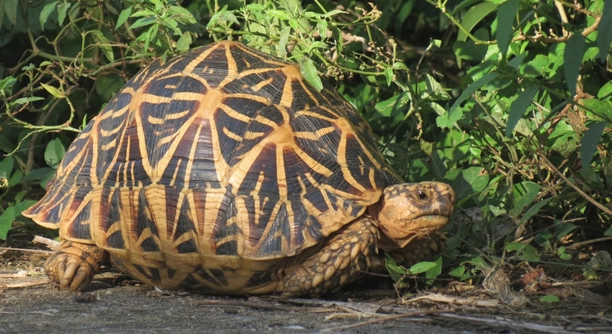
Stressed Indian Star Tortoises may display various signs that are important to recognize. Knowing how to address these issues can help keep your pet happy and healthy.
When stressed, Indian Star Tortoises may show behaviors like decreased activity, loss of appetite, or changes in their shell appearance. Recognizing these signs early can help you provide the necessary care and adjustments to reduce stress.
Understanding your tortoise’s stress signals is vital to improving their environment and well-being. A calm and happy tortoise can thrive with the right changes to their habitat and routine.
Change in Eating Habits
When your Indian Star Tortoise is stressed, one of the first signs is usually a change in its eating habits. You might notice that your tortoise is not eating as much as usual or may completely refuse food. This could be a sign that something in its environment is causing discomfort. Stress can stem from various factors such as improper temperature, changes in habitat, or even an unbalanced diet. If you notice this behavior for more than a few days, it’s important to investigate what might be causing the issue and take action to resolve it.
A loss of appetite in tortoises can indicate not only stress but also health problems. If your pet continues to avoid food for an extended period, consider consulting a vet to rule out any medical concerns.
To help your tortoise regain its appetite, make sure its habitat is set up correctly. A warm, consistent temperature is crucial for its digestive system to work properly. Ensure that its enclosure is spacious and comfortable, allowing for natural behaviors such as burrowing or resting. Providing a varied diet can also entice your tortoise to eat more. If the issue persists, a professional should assess the situation.
Changes in Behavior
Another sign of stress in an Indian Star Tortoise is a noticeable shift in behavior. When stressed, they may become more reclusive, hiding away more than usual. They might move less or show reluctance to engage in their usual activities, such as basking or roaming around their enclosure. In some cases, a stressed tortoise may even start pacing or exhibiting erratic movements. These behaviors signal that something is unsettling them, and it’s essential to identify and fix the underlying cause.
A change in behavior can often be linked to environmental factors. Ensure that your tortoise has a suitable habitat with proper lighting, temperature, and humidity levels. Also, avoid any sudden changes in their surroundings that might be disrupting their comfort. A calm, secure environment will encourage normal behavior patterns and promote a healthier, happier tortoise.
Hiding More Than Usual
Stress can cause your Indian Star Tortoise to retreat into its shell more frequently. If your tortoise starts hiding or spending excessive time in its hiding spots, it could be trying to escape from discomfort. This change in behavior is often a sign that something in its environment is causing anxiety.
Make sure your tortoise’s habitat is free from stressors like loud noises, sudden temperature changes, or new, unfamiliar elements. If you have other pets or animals around, they may also be contributing to the stress. Providing more hiding spots or ensuring your tortoise feels safe in its enclosure can help it feel less threatened.
It’s also essential to create a quiet, calm environment. Tortoises prefer to be in peaceful surroundings where they can relax without disturbance. If your pet’s stress continues, evaluating the overall setup and making necessary changes can encourage better behavior and reduce hiding tendencies.
Shell Condition Changes
Stress can also manifest in physical changes, especially in your tortoise’s shell. If your Indian Star Tortoise is stressed, you might notice signs of irregular growth or discoloration in its shell. This could be an indication that the tortoise is experiencing discomfort from its environment or diet.
Ensure your tortoise is receiving adequate nutrition and the right balance of calcium and UVB light to maintain a healthy shell. Poor shell health can also be linked to stress caused by improper living conditions, such as inadequate humidity or lighting. Over time, prolonged stress can lead to long-term damage, so it’s important to address the problem quickly.
A stressed tortoise may also stop grooming or cleaning its shell regularly. This could further affect its health, leading to more severe problems. By correcting the environmental issues that are causing stress, you can help your tortoise restore its shell’s natural appearance and growth patterns.
Lack of Activity
If your Indian Star Tortoise becomes noticeably less active, it might be stressed. A lack of movement, like staying in one spot for long periods or avoiding exploration, can signal that your tortoise is not comfortable in its environment. This change can affect its overall health.
A stressed tortoise may also show a decrease in its usual behaviors, like basking or digging. These are natural activities for a tortoise, and when they stop, it’s a sign that something is off. Ensuring the habitat is suitable with proper temperature, light, and space can help bring your tortoise back to its active self.
Aggressive Behavior
Aggression is another potential sign of stress in Indian Star Tortoises. If your tortoise starts acting more aggressively, such as biting or attempting to charge at objects or people, it could be reacting to stress. This behavior often arises from frustration or fear.
Changes in the habitat, such as overcrowding, loud sounds, or the introduction of unfamiliar animals, can trigger such aggressive responses. Ensuring the tortoise feels secure in its environment, with a stable temperature, clean water, and enough space, can help reduce these aggressive tendencies.
FAQ
How can I tell if my Indian Star Tortoise is stressed?
Stress in your Indian Star Tortoise can show up in different ways. Look for changes in eating habits, behavior, or shell condition. If your tortoise stops eating, hides more than usual, or has a dull or irregular shell, these are signs of stress. It may also become more aggressive or less active. Pay attention to these cues and check for any changes in their environment that might be affecting them.
What causes stress in an Indian Star Tortoise?
The most common causes of stress for your tortoise are improper environmental conditions. This includes incorrect temperatures, inadequate lighting (especially UVB), and poor humidity levels. Other factors like changes in their habitat, overcrowding, or the presence of predators or other pets can also cause stress. Even a sudden change in routine or handling can affect your tortoise’s mood and well-being.
How can I reduce stress for my Indian Star Tortoise?
To reduce stress, first ensure that your tortoise’s habitat is optimal. Set up a proper enclosure with the right temperature gradient, UVB lighting, and humidity. Make sure they have enough space to roam and hide if needed. Keep their living area quiet, free from loud noises, and avoid sudden changes in the environment. Providing a varied diet can also improve their overall well-being. Lastly, try not to handle them too much, as excessive handling can increase stress levels.
What should I do if my tortoise stops eating?
If your Indian Star Tortoise stops eating, the first step is to check its environment. Ensure that the temperature and lighting are correct. Stress is often linked to improper living conditions. If everything seems fine and the problem persists for a few days, consult a veterinarian to rule out any underlying health issues. A sudden change in diet or unfamiliar food can also cause them to refuse eating.
Can an Indian Star Tortoise get depressed?
Yes, tortoises can experience depression, usually due to stress from their environment or lack of proper care. If your tortoise is exhibiting signs of lethargy, loss of appetite, or behavioral changes, it could be stressed or depressed. To help, make sure their habitat is comfortable, provide proper care, and avoid disturbing them unnecessarily. A secure and predictable environment can help prevent these issues.
How do I improve the shell condition of my stressed tortoise?
If your tortoise’s shell is showing signs of stress, such as discoloration or irregular growth, the best course of action is to ensure it has a proper diet and environment. Make sure it’s receiving enough calcium and UVB light to help maintain shell health. Poor conditions like low humidity or improper temperature can affect shell growth, so correcting these factors is essential. If the condition worsens, consult a vet for further advice.
Is it normal for my tortoise to hide a lot?
Hiding is normal behavior for tortoises, but if it becomes excessive, it may be a sign of stress. Stressful conditions or fear can cause your tortoise to retreat into its shell more often than usual. Make sure the enclosure is stress-free, with a safe temperature and proper lighting. Provide hiding spots, but also ensure the tortoise can move around and explore freely. A healthy balance between privacy and space is key.
Can my tortoise get stressed from the temperature?
Yes, temperature plays a major role in your tortoise’s comfort. If the enclosure is too hot or too cold, it can lead to stress. Indian Star Tortoises need a temperature gradient, with a basking area around 90°F and a cooler zone of around 75°F. Temperatures outside of this range can cause discomfort, disrupt digestion, and lead to stress-related issues. Using a thermometer and heat lamp can help maintain a proper temperature.
What should I do if my tortoise becomes aggressive?
Aggression in a stressed tortoise can occur when it feels threatened or uncomfortable. To reduce aggression, ensure that the tortoise’s habitat is quiet, spacious, and safe. Check for overcrowding or the presence of other animals that may be stressing it out. If the aggression continues, reduce handling and try to give it space to calm down. A stressed tortoise needs time and a secure environment to relax and feel safe.
Can stress lead to health problems in tortoises?
Yes, prolonged stress can have a negative impact on a tortoise’s health. Stress can weaken its immune system, leading to illnesses. It can also affect digestion and shell growth. Over time, stress-related issues can result in more severe conditions, so it’s important to address the cause of stress as soon as possible. A stable and comfortable environment will support your tortoise’s health and prevent long-term problems.
Final Thoughts
Understanding the signs of stress in your Indian Star Tortoise is essential for keeping it healthy and happy. By paying attention to changes in behavior, eating habits, and shell condition, you can identify when something is wrong. Stress in tortoises often comes from environmental factors like improper temperature, lighting, or even changes in their surroundings. Recognizing these signs early helps in addressing the issue before it becomes a more serious problem.
Taking steps to reduce stress involves providing the right habitat for your tortoise. This includes ensuring that your tortoise has a suitable temperature gradient, access to UVB light, and enough space to move around. It’s also important to limit unnecessary handling, as excessive contact can cause stress. Keeping the environment quiet and free from other pets or loud noises can make a big difference in how comfortable your tortoise feels. If your tortoise is showing signs of stress, make adjustments to its habitat and routine and see if that improves its behavior.
If the stress persists despite your efforts, it may be time to consult a vet. A professional can help identify any health concerns that might be contributing to your tortoise’s stress and provide guidance on how to address them. Remember, the goal is to create an environment where your tortoise feels safe, secure, and comfortable. By following these guidelines and making sure your tortoise’s basic needs are met, you can help reduce stress and improve its quality of life.

Hello,
If you enjoy the content that we create, please consider saying a "Thank You!" by leaving a tip.
Every little bit helps us continue crafting quality advice that supports the health, happiness, and well-being of pets around the world, for pets of all shapes, sizes, and species.
We really appreciate the kindness and support that you show us!