
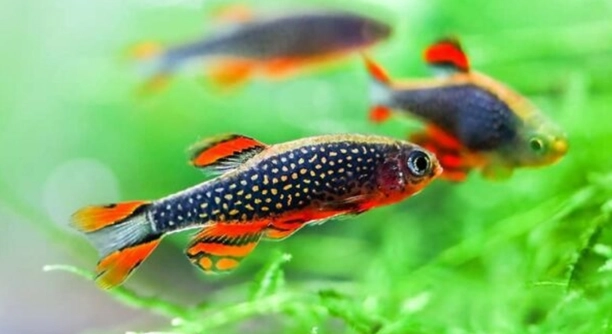
Are your danios constantly hiding, leaving you unsure about their behavior in the tank? Many aquarists experience this, noticing their usually active fish suddenly become reclusive. It can be concerning when their playful nature seems to vanish.
Danios may hide due to stress, poor water quality, lack of proper shelter, sudden environmental changes, or incompatible tank mates. Addressing these factors systematically helps restore their comfort, encourages natural activity, and promotes overall health and wellbeing in the aquarium.
Learning how to encourage your danios out of hiding improves their behavior and enhances the enjoyment of your aquarium experience.
Assess Water Quality
Poor water conditions are one of the main reasons danios hide. Ammonia, nitrite, and nitrate levels can rise quickly, causing stress and discomfort. Temperature fluctuations also make fish uneasy. Regular testing of pH, hardness, and other parameters ensures the tank environment is safe. Removing uneaten food and performing routine water changes keeps the tank clean. Introducing new fish without proper quarantine can introduce disease or parasites, which can make danios retreat. Even decorations or substrates that trap waste may affect water quality. Observing your fish and monitoring their reactions to changes can reveal underlying issues. Filtration systems should be checked for proper flow and efficiency, as stagnant areas can encourage hiding. Providing a stable, well-maintained habitat encourages danios to feel secure, swim openly, and display normal behavior. Consistency is key to reducing stress and helping them adjust to their environment naturally. Small adjustments often produce noticeable improvements.
Maintaining stable water conditions prevents stress and encourages active, healthy behavior. Regular testing keeps your danios comfortable and visible.
Monitoring water quality daily ensures problems are addressed early. Consistency allows your danios to thrive, reducing hiding and promoting natural activity.
Provide Hiding Spots
Adding hiding spots can make your danios feel safer. Plants, caves, or decorations give them places to retreat when stressed.
Natural or artificial plants create shelter while leaving open swimming areas. Smooth rocks, PVC pipes, or aquarium ornaments serve as additional hideaways. Arrange them so fish can explore without feeling trapped. Avoid overcrowding, as too many hiding spots can limit swimming space. Gradually introducing new decor helps fish adapt. Observing how danios use these areas informs adjustments. Hiding spots reduce stress from tank mates, sudden movements, or external disturbances. They provide a sense of security, allowing fish to rest and feel comfortable. Fish often use these spots during feeding or when the light is bright. A well-planned layout balances shelter and open swimming zones, promoting natural behavior and reducing constant hiding. Rotating or changing decor occasionally keeps the environment stimulating, encouraging exploration and activity. Properly placed hiding spots improve overall tank dynamics and support healthier, more confident fish.
Safe and strategically placed hiding spots help danios feel secure while still encouraging swimming and social interactions.
Adjust Lighting
Too bright or sudden lighting can make danios retreat. Dimming the tank or using a soft light reduces stress.
Gradually acclimating fish to new lighting helps them adjust without panic. Bright lights can overwhelm sensitive eyes and make open areas feel unsafe. Using floating plants or shaded areas softens the intensity. Timers ensure a consistent day-night cycle, preventing abrupt changes that trigger hiding. Observing their behavior after adjusting light can show if stress levels decrease. Over time, appropriate lighting encourages danios to explore more and swim confidently. Avoiding sudden switches or very strong lights keeps their activity levels steady.
Providing consistent and gentle lighting improves comfort. Danios respond well to gradual changes, which encourages swimming and reduces constant hiding behavior.
Ensure Proper Diet
Feeding inconsistencies or poor nutrition can make danios withdrawn. Stick to a regular feeding schedule with balanced food.
Offering high-quality flakes, micro-pellets, and occasional live or frozen foods ensures proper nutrition. Overfeeding leads to water quality issues, which can increase stress and hiding. Underfeeding leaves them lethargic and less active. Observe their eating habits to adjust portion sizes and frequency. Variety in diet keeps them engaged and stimulates natural foraging behavior. Some danios prefer feeding in open areas, while others stay near cover. Ensuring every fish gets food helps reduce competition and aggression, which can drive hiding. Supplements like vitamins can support health, especially in new or recovering fish. A consistent and balanced feeding routine strengthens their immune system and promotes overall activity.
Balanced feeding and regular schedules help danios feel secure and energetic, encouraging visibility and natural swimming patterns.
Check Tank Mates
Aggressive or overly active tank mates can cause danios to hide constantly. Choosing peaceful companions reduces stress.
Observing interactions helps identify if certain fish are intimidating. Removing or separating aggressive species encourages danios to swim freely and regain confidence.
Reduce Sudden Movements
Sudden movements outside the tank startle danios and trigger hiding. Keep activity around the aquarium calm and steady.
Minimize tapping on glass, rapid hand movements, or sudden noises near the tank. Fish are sensitive to vibrations and visual disturbances. Consistent, gentle interaction helps danios feel secure. Over time, they learn that the environment is safe, which encourages them to explore open areas rather than staying hidden. Gradual changes in routine or tank maintenance prevent stress, allowing them to establish a predictable pattern and feel more comfortable. Reducing external disturbances directly supports calmer behavior and less hiding.
Maintain Consistent Temperature
Temperature swings stress danios and can make them retreat. Keep the water stable within their preferred range.
Observe Behavior Daily
Regular observation helps identify changes in activity, feeding, or social interactions, making it easier to address problems early.
FAQ
Why do my danios hide all the time?
Danios hide when they feel stressed, unsafe, or unwell. Common causes include poor water quality, aggressive tank mates, sudden environmental changes, or insufficient hiding spots. Even minor fluctuations in temperature or lighting can trigger hiding. Observing their behavior and checking tank conditions often reveals the underlying cause. Providing stable water parameters, proper diet, and appropriate decor reduces stress and encourages them to swim openly.
How can I encourage danios to come out of hiding?
Start by creating a comfortable environment. Add plants, caves, or decorations for safe spaces while leaving open swimming areas. Ensure water parameters are stable, feed them consistently, and limit sudden disturbances around the tank. Gradually adjust lighting and observe their reactions. Small, consistent changes make them feel secure and reduce hiding behavior over time.
Is it normal for danios to hide sometimes?
Yes, occasional hiding is normal. Danios use cover to rest, feel safe, or avoid temporary stressors. Short periods of hiding, especially after changes in the tank, are expected. Persistent hiding, however, indicates that something in the environment or health may need attention. Monitoring their habits and tank conditions can distinguish normal behavior from stress-induced retreat.
Can water quality affect hiding behavior?
Absolutely. Poor water quality is a major stressor. High ammonia, nitrite, or nitrate levels irritate fish, prompting them to seek shelter. Sudden pH shifts, hardness changes, or temperature fluctuations also cause hiding. Regular testing, water changes, and maintaining proper filtration are essential to keep danios active and reduce prolonged hiding.
Do tank mates influence danios’ behavior?
Yes, other fish can impact their comfort. Aggressive or overly active tank mates make danios feel threatened, leading to constant hiding. Peaceful companions and observing interactions during feeding or swimming can help identify stressors. Separating incompatible fish or rearranging the tank reduces tension and encourages danios to explore open areas.
Will lighting affect their hiding habits?
Lighting plays a key role. Bright or sudden lights can startle danios and make them retreat. Using soft lighting, floating plants, or shaded areas reduces stress. Consistent day-night cycles with timers help fish adjust. Gradual lighting changes over time increase confidence and decrease the need for constant hiding.
Does diet impact hiding behavior?
Yes, diet affects both energy levels and stress. Inconsistent feeding, poor-quality food, or overfeeding can cause lethargy or stress, making danios hide. Providing balanced flakes, pellets, and occasional live or frozen foods keeps them active and healthy. Observing eating habits ensures all fish receive proper nutrition, supporting visible, confident swimming.
How long should danios hide before I worry?
Brief hiding periods are normal, but if hiding persists for several days, it indicates stress, poor water quality, or illness. Continuous hiding reduces activity, appetite, and overall health. Checking environmental factors, water quality, and tank mates is critical. Early intervention prevents prolonged stress and supports recovery.
Can sudden tank changes trigger hiding?
Yes, rearranging decorations, adding new fish, or moving the aquarium can startle danios. Even minor changes can make them retreat temporarily. Gradual adjustments and allowing time to acclimate reduce hiding. Providing familiar structures and maintaining stable water conditions helps them feel secure after changes.
Are there signs my danios are stressed besides hiding?
Hiding is just one indicator. Other signs include reduced appetite, clamped fins, erratic swimming, or pale coloration. Observing these behaviors alongside tank conditions can help identify stressors. Addressing water quality, diet, tank mates, and environmental factors supports healthier, more active fish.
How long does it take for danios to feel safe again?
Recovery depends on the cause and how quickly conditions improve. With stable water, proper diet, safe tank mates, and adequate hiding spots, many danios regain confidence within a few days to a week. Patience and consistency are key to helping them return to natural activity levels.
Can I use supplements or additives to reduce hiding?
Some vitamins or stress-reducing additives can support immune health, but they do not replace proper tank management. Consistent water quality, balanced diet, and a calm environment are more effective. Supplements may help fish recover from temporary stress, but long-term comfort comes from stable, suitable conditions.
Will rearranging the tank decorations help?
Occasionally, rearranging decor can encourage exploration and reduce boredom, but avoid drastic changes. Provide a mix of hiding spots and open swimming areas. Gradual adjustments allow danios to adapt without increasing stress or triggering further hiding. Observing their reactions helps determine optimal tank layout.
Is hiding behavior hereditary or personality-based?
Some variation exists among individual danios. Certain fish may naturally be more timid or cautious. While personality plays a role, environmental factors are usually the main triggers. Supporting a secure, stable environment allows even shy individuals to display more natural, active behavior over time.
Can stress from handling or maintenance make danios hide?
Yes, sudden movements during water changes, netting, or cleaning can trigger hiding. Performing maintenance calmly, in small steps, and avoiding rapid disturbances helps reduce stress. Regular, gentle handling routines allow danios to become accustomed to activity around the tank.
Does tank size affect hiding?
Smaller or overcrowded tanks can increase stress, forcing danios to retreat. Providing sufficient space, proper filtration, and a balanced population helps fish feel safe. Larger tanks with open swimming areas and strategic hiding spots promote confident, visible behavior.
How do I know if hiding is due to illness?
Persistent hiding accompanied by other symptoms—loss of appetite, discoloration, frayed fins, or lethargy—can indicate disease. Isolating affected fish, checking water quality, and consulting treatment guidelines ensures timely intervention. Early action improves recovery and reduces stress-related hiding.
Can seasonal changes impact hiding behavior?
Seasonal fluctuations in room temperature or lighting may affect water conditions, indirectly causing hiding. Maintaining stable water parameters and consistent lighting helps danios remain active throughout the year, regardless of external environmental changes.
Is it normal for danios to hide at night?
Yes, hiding during nighttime is natural. Danios rest and feel safer in cover when lights are off. Providing hiding spots or shaded areas ensures they have secure places to retreat while sleeping.
How can I monitor danios without stressing them?
Use quiet observation and avoid tapping glass or sudden movements. Watching from a distance allows you to assess behavior, feeding, and interactions without causing additional stress. Regular, calm observation helps identify problems early and supports a healthier environment.
Can multiple small stressors add up to constant hiding?
Yes, minor factors like slightly fluctuating water, occasional bright lights, or minor tank disturbances can accumulate, leading to persistent hiding. Addressing multiple small issues simultaneously improves comfort, encourages activity, and reduces the need for fish to remain hidden.
What is the best overall approach to reduce hiding?
Stable water quality, proper diet, peaceful tank mates, consistent lighting, strategic hiding spots, and calm interaction collectively reduce hiding behavior. Observing and adjusting environmental factors gradually ensures danios feel secure, active, and healthy, allowing them to display natural swimming and social behavior consistently.
Danios are naturally active and social fish, but when they hide constantly, it can be concerning. Their behavior often reflects the conditions in their tank rather than personal issues. Stress, poor water quality, incompatible tank mates, and sudden changes in their environment are the most common reasons for hiding. Observing your fish regularly helps identify these triggers. Even minor changes, like a new decoration, a shift in lighting, or a small fluctuation in temperature, can influence their behavior. By paying attention to these factors, you can better understand what makes your danios feel safe and what causes them to retreat. Providing a stable and predictable environment is essential for encouraging them to swim freely and engage with their surroundings.
Addressing water quality is one of the most effective ways to reduce hiding. Regular testing for ammonia, nitrites, and nitrates ensures the tank is safe for your fish. Consistent water changes, proper filtration, and maintaining stable pH and temperature levels help create an environment where danios feel comfortable. Alongside water quality, providing balanced nutrition is equally important. A diet of high-quality flakes, micro-pellets, and occasional live or frozen foods keeps them healthy and active. Overfeeding or underfeeding can increase stress and lead to hiding. Monitoring how your danios respond to changes in feeding schedules and diet helps maintain their confidence and encourages natural behavior. Additionally, observing their interactions with tank mates can reveal if aggression or competition is causing anxiety.
Creating a tank that balances safety and space also encourages your danios to explore. Hiding spots like plants, caves, or smooth decorations give them areas to retreat when needed while leaving open swimming zones for exercise and interaction. Gradual adjustments to lighting, tank decor, and daily routines help danios adapt without added stress. Reducing sudden disturbances, such as tapping the glass or making abrupt movements near the tank, further supports a calm environment. Patience and consistency are key when encouraging your fish to come out of hiding. Over time, with proper care, stable conditions, and a thoughtful tank layout, your danios are likely to regain confidence, become more active, and display their natural, social behavior. Observing them daily allows you to respond to small changes early, preventing long-term stress and promoting a healthier, more enjoyable aquarium experience.

Hello,
If you enjoy the content that we create, please consider saying a "Thank You!" by leaving a tip.
Every little bit helps us continue crafting quality advice that supports the health, happiness, and well-being of pets around the world, for pets of all shapes, sizes, and species.
We really appreciate the kindness and support that you show us!