
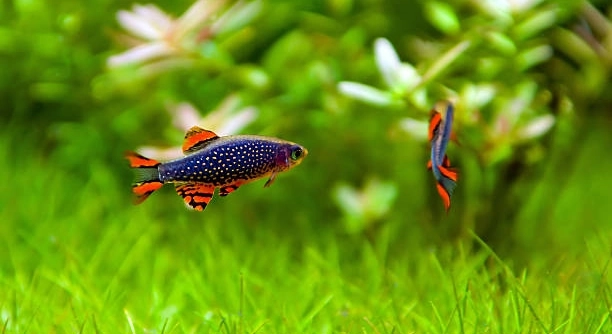
Do your Celestial Pearl Danios seem to nip at each other’s fins more than usual? Observing these tiny fish can be charming, but repeated fin nipping may signal underlying issues in your aquarium. Watching closely helps identify patterns.
Celestial Pearl Danios may nip fins due to stress, overcrowding, competition for food, poor water quality, lack of hiding spaces, aggressive tank mates, or natural territorial behavior. Understanding these factors is crucial to maintaining a harmonious aquarium environment.
Learning why these nips occur can improve your tank’s overall balance and ensure your Danios remain healthy and comfortable in their aquatic home.
Stress and Environmental Changes
Changes in the tank, such as moving decorations, altering lighting, or introducing new fish, can stress Celestial Pearl Danios. These tiny fish are sensitive to shifts in their surroundings. Stress often causes them to nip at fins, as a defensive or nervous reaction. Maintaining a stable environment helps reduce this behavior. Stress may also result from sudden temperature fluctuations or inconsistent feeding schedules. Danios prefer calm waters with minimal disturbances, and even small changes can trigger aggression. Observing your fish daily allows you to notice subtle signs of stress, such as hiding or erratic swimming. By creating a predictable, comfortable habitat, you can minimize nipping incidents and promote healthier interactions among the fish. Providing plants and gentle water flow can make the environment more natural and less stressful, helping to keep the tank peaceful. Overall, consistency is key to maintaining a stress-free aquarium.
Reducing stress requires stable water conditions, careful introduction of new fish, and a quiet, consistent environment for your Danios.
Even minor adjustments in tank maintenance can greatly impact the behavior of Celestial Pearl Danios. Paying attention to their comfort level ensures a calmer, more social group. Ensuring proper water temperature, regular feeding, and hiding spaces reduces anxiety. Observing interactions helps detect early signs of stress, preventing persistent fin nipping. Overcrowding should be avoided, as limited space increases tension. Tank decorations can provide both shelter and boundaries. Soft lighting and gentle filtration mimic natural conditions, calming the fish. A stress-free environment not only minimizes aggression but also supports overall health, color vibrancy, and longevity. Patience and attentiveness are essential, as behavioral improvements may take time. By prioritizing environmental stability and observing fish closely, you can foster a balanced community where nipping becomes rare, allowing Celestial Pearl Danios to thrive together harmoniously.
Overcrowding and Space Limitations
Overcrowding forces Celestial Pearl Danios into close proximity, increasing fin nipping. Limited space heightens competition for resources, causing tension among fish and triggering aggressive behaviors, particularly in smaller tanks without sufficient swimming room.
Too many fish in a small tank can disrupt social order and lead to constant chasing and fin damage.
Providing adequate space and monitoring tank population helps reduce conflict. Ideally, a 20-gallon tank or larger is recommended for a small school. Arrange decorations to create zones, allowing fish to escape or establish territories. Avoid keeping too many Danios together, and separate aggressive individuals if needed. Regular observation ensures that social hierarchies remain stable. Adjusting stocking levels prevents chronic stress and fin injury, while fostering natural schooling behavior. Careful planning of tank layout and population density is critical to maintaining harmony. By respecting space needs, you encourage calmer interactions and minimize persistent fin nipping, helping Celestial Pearl Danios coexist peacefully and display natural, healthy behaviors in their environment.
Competition for Food
When food is limited, Celestial Pearl Danios may nip fins to establish dominance and secure resources. Ensuring everyone gets enough prevents unnecessary aggression.
Providing frequent, small feedings helps reduce competition. Using sinking or slow-dispersing food allows all fish to access it without stress. Observing mealtimes can highlight dominant or aggressive behaviors. Separating more aggressive eaters temporarily can help weaker fish gain nutrition. Rotating feeding spots and offering a mix of flakes, pellets, and live or frozen foods can satisfy all dietary needs. Overfeeding should be avoided, as leftover food can harm water quality. By managing feeding carefully, you create a calmer tank environment and reduce fin nipping, supporting overall health and growth of your Danios.
Balancing nutrition is key. Consistent, fair feeding reduces stress, maintains health, and limits aggressive behavior among Celestial Pearl Danios.
Even minor changes in feeding routines can alter behavior. By spacing meals and monitoring access, you prevent dominant fish from harassing others. Providing enough food for everyone ensures all Danios remain healthy and less likely to nip fins. Observing interactions during feeding helps detect early signs of aggression, allowing timely adjustments. Supplements like live or frozen foods improve diet variety, reducing competition. Feeding in multiple locations creates natural foraging behavior, keeping fish occupied and calmer. Proper nutrition and fair access encourage peaceful interactions and long-term harmony in the tank, fostering a healthier, more stable environment for Celestial Pearl Danios.
Poor Water Quality
Dirty or unstable water increases stress and aggression, leading to fin nipping. Regular testing and maintenance are essential to prevent problems.
Ammonia, nitrite, and nitrate spikes can harm fish, triggering behavioral issues. Clean water reduces irritation and supports immunity, helping Danios coexist peacefully. Maintaining consistent temperature and pH levels prevents additional stress.
Frequent partial water changes and proper filtration maintain stable conditions, reducing fin-nipping incidents. Removing uneaten food and waste prevents toxins from accumulating. Testing water weekly ensures ammonia and nitrite stay at zero, and nitrates remain low. Proper aeration and gentle flow mimic natural habitats, calming the fish. Avoid overcrowding, as it worsens water quality issues. Plants help absorb excess nutrients and provide hiding spots. By prioritizing cleanliness and balance, you create a healthier environment, lowering stress levels, minimizing aggression, and encouraging natural schooling behavior in Celestial Pearl Danios.
Lack of Hiding Spaces
Celestial Pearl Danios need plants, rocks, and decorations to feel secure. Without these, fish may nip fins out of stress or boredom.
Providing dense vegetation and shelters allows weaker fish to escape aggressive interactions, reducing overall fin damage.
Aggressive Tank Mates
Some fish are naturally aggressive and may provoke Danios. Keeping incompatible species together increases fin nipping incidents and stress.
Choosing peaceful community fish and avoiding large, territorial species minimizes conflict. Monitoring interactions is essential to maintain a calm environment.
Territorial Behavior
Even in small groups, Celestial Pearl Danios establish territories. Dominant individuals may chase others, leading to fin nipping. Proper tank layout and hiding spaces reduce territorial disputes and maintain balance.
Health and Disease
Sick or injured Danios can become targets for nipping. Maintaining good health through diet, clean water, and observation helps prevent aggression and fin damage.
FAQ
Why are my Celestial Pearl Danios nipping fins?
Fin nipping usually occurs due to stress, overcrowding, competition for food, poor water quality, lack of hiding spaces, aggressive tank mates, or territorial behavior. Identifying the exact cause helps in adjusting tank conditions and reducing aggression among the fish.
How can I reduce fin nipping in my tank?
To minimize fin nipping, maintain stable water conditions, provide adequate space, and add plenty of plants or decorations. Feed your fish fairly and consistently, avoid overcrowding, and separate aggressive individuals if needed. Choosing compatible tank mates also prevents unnecessary conflicts.
Is fin nipping harmful to my fish?
Occasional nipping may only cause minor fin damage, which can heal over time. However, frequent or aggressive nipping can lead to torn fins, infections, and increased stress. Monitoring fish behavior and taking preventive steps ensures overall health and well-being.
Can stress cause fin nipping?
Yes, stress is a common trigger. Changes in environment, sudden movements, or inconsistent feeding schedules can cause Danios to nip fins. Providing a calm, stable environment with predictable routines helps reduce stress-related aggression.
Does tank size matter for fin nipping?
Smaller tanks increase the likelihood of fin nipping because fish are forced into close quarters, which raises tension. Ensuring an appropriate tank size with room for swimming and hiding can significantly reduce aggressive interactions.
Should I separate aggressive fish?
Separating overly aggressive individuals is often necessary to protect other fish and prevent injuries. Isolation can help reduce stress for both the target fish and the aggressor, allowing the tank to return to balance.
Do hiding spaces help reduce nipping?
Providing plants, rocks, or other decorations gives fish places to retreat, which lowers stress and aggressive encounters. Dense hiding spaces allow weaker or injured fish to escape and recover without being constantly harassed.
Can diet influence fin nipping?
Yes, insufficient or uneven feeding can trigger competition, leading to fin nipping. Offering frequent small meals, distributing food evenly, and using varied diets reduces competition and helps maintain harmony.
How can I tell if nipping is serious?
Persistent chasing, torn or ragged fins, and visible stress signs indicate serious fin nipping. Immediate action, such as adjusting tank conditions or separating aggressive fish, is important to prevent injury and disease.
Will fin nipping stop on its own?
Sometimes minor nipping decreases naturally once fish establish social hierarchies. However, consistent or aggressive nipping usually requires intervention through tank adjustments, population management, and improved environmental conditions.
How often should I monitor my fish?
Daily observation is recommended to detect early signs of fin nipping, stress, or illness. Noticing changes early allows timely interventions and helps maintain a peaceful, healthy tank environment.
Can water quality affect aggression?
Poor water quality increases stress, which can trigger fin nipping. Regular testing, partial water changes, and proper filtration are essential to maintain a clean, stable environment that supports calm behavior.
Are certain fish more likely to nip fins?
Celestial Pearl Danios are generally peaceful, but dominant individuals may nip in stressful conditions. Aggressive tank mates or overcrowded tanks increase the likelihood of nipping incidents. Observing behavior and adjusting tank conditions is key to preventing ongoing issues.
What long-term steps prevent fin nipping?
Maintain stable water conditions, adequate space, proper diet, hiding spaces, and compatible tank mates. Regular monitoring and quick intervention for aggression help ensure your Danios live in a calm, healthy environment.
How do I treat damaged fins from nipping?
Minor fin damage often heals naturally with clean water and a stress-free environment. For more serious injuries, consider using aquarium-safe antiseptic treatments or isolating injured fish until recovery. Monitoring water quality and reducing stress speeds healing.
Can breeding behavior cause nipping?
Yes, during breeding, males may become territorial and nip fins to establish dominance. Providing additional hiding spots and space can reduce injuries during this period.
Is schooling behavior affected by nipping?
Excessive fin nipping disrupts normal schooling behavior and increases stress. Proper tank size, hiding spaces, and compatible groups support natural social interactions and reduce aggressive incidents.
Does lighting impact fin nipping?
Harsh or inconsistent lighting can stress fish, triggering aggression. Maintaining gentle, consistent lighting mimics natural conditions, helping Celestial Pearl Danios remain calm and interact peacefully.
How long does it take for nipping behavior to improve?
Improvement depends on the cause. Minor environmental adjustments can show results in days, while changes in tank population or hierarchy may take weeks. Patience and observation are essential for lasting results.
Are there signs of stress to watch for?
Signs include hiding, erratic swimming, loss of color, and fin damage. Early detection allows intervention before stress leads to serious aggression or health issues.
What is the ideal group size for Danios?
A small school of six to eight Celestial Pearl Danios is ideal. This allows natural social behavior, reduces stress, and minimizes fin nipping incidents while maintaining harmony in the tank.
Do live plants reduce aggression?
Live plants provide hiding spots, reduce visibility during chasing, and create natural boundaries. This not only lowers fin nipping but also enhances the overall health and comfort of the fish.
Can temperature changes trigger fin nipping?
Yes, sudden fluctuations in water temperature stress fish, increasing aggression. Maintaining stable, species-appropriate temperatures is crucial for reducing nipping and supporting a calm environment.
Is fin nipping more common in small tanks?
Small tanks increase encounters and territorial disputes, leading to more nipping. Providing adequate space, decorations, and hiding areas reduces conflicts and promotes peaceful schooling.
How do I balance aggression without overstocking?
Maintain appropriate tank size, limit the number of fish, and ensure a mix of hiding spaces. Avoid overcrowding while supporting natural social hierarchies to reduce nipping and stress.
Can certain decorations increase aggression?
Sharp or limited hiding spaces can trigger territorial disputes. Rounded, natural decorations with multiple zones encourage peaceful interactions and provide retreat areas for stressed or weaker fish.
How important is routine observation?
Consistent monitoring allows early detection of nipping, stress, and illness. Daily checks help maintain a healthy, calm tank and prevent minor issues from becoming major problems.
Do fish personalities affect nipping?
Yes, some individuals are naturally more dominant or territorial. Recognizing these behaviors helps in managing tank dynamics and preventing repeated fin damage.
Should I quarantine new fish?
Quarantining new fish prevents disease introduction and allows observation of behavior before adding them to the main tank, reducing stress and fin nipping.
Can fin nipping cause infections?
Torn fins are susceptible to bacterial or fungal infections. Clean water, stress reduction, and monitoring injured fish prevent complications and promote faster recovery.
What signs indicate compatibility issues?
Persistent chasing, repeated fin nipping, and stress signals suggest incompatible tank mates. Adjusting species combinations or separating aggressive individuals resolves conflicts.
Are there preventive measures for fin nipping?
Yes, maintaining clean water, proper diet, hiding spaces, compatible species, stable temperatures, and observing interactions prevents fin nipping and ensures a peaceful, healthy aquarium.
How do I know if a fin-nipping problem is serious?
Frequent or aggressive nipping causing ragged fins, injuries, or stress indicates a serious issue. Immediate intervention, such as separating aggressive fish or adjusting tank conditions, is necessary.
Can adding plants and decorations really calm fish?
Yes, natural shelters reduce stress and provide retreat spaces. This encourages calmer interactions, decreases fin nipping, and promotes healthier social behavior.
How can I improve tank harmony long-term?
Focus on consistent maintenance, proper feeding, compatible tank mates, adequate space, hiding spaces, and monitoring behavior. Addressing these factors reduces aggression and supports a peaceful aquarium environment.
What if fin nipping continues despite changes?
Persistent issues may require further adjustments, such as removing aggressive fish, increasing hiding spots, or evaluating group size. Patience and careful observation are key to resolving ongoing problems.
How do I maintain peaceful schooling behavior?
Adequate space, stable water conditions, hiding areas, and compatible group sizes support natural schooling, reduce fin nipping, and ensure long-term well-being of your Celestial Pearl Danios.
Are live or frozen foods better for reducing competition?
Offering a mix of live, frozen, and flake foods spreads feeding activity, reduces competition, and ensures all fish receive proper nutrition, lowering fin nipping behavior.
What should I do if a fish is injured from nipping?
Isolate the injured fish in a clean, calm environment, monitor healing, and maintain optimal water conditions. Using antiseptic treatments if necessary prevents infection and speeds recovery.
Can stress from tank rearrangement cause temporary nipping?
Yes, sudden changes in layout or decorations may trigger brief aggression. Restoring familiar conditions and providing hiding spaces helps fish calm down and reduces fin damage.
How long should I observe a new fish before adding it to the main tank?
Quarantine and observe for at least two weeks to detect aggressive tendencies or health issues. This prevents introducing stress or fin nipping to the established tank community.
Does filtration type affect aggression?
Strong currents can stress Danios, leading to nipping. Gentle, well-distributed filtration mimics natural water flow, reduces stress, and promotes calmer interactions.
Can I train Danios to reduce fin nipping?
Behavioral adjustment is mostly environmental. Providing hiding spaces, fair feeding, compatible tank mates, and consistent conditions encourages calmer behavior, effectively reducing fin nipping over time.
Are certain breeds more prone to fin nipping?
While Celestial Pearl Danios are generally peaceful, individual personality differences influence behavior. Dominant fish may occasionally nip, especially under stress or crowded conditions.
What is the best water temperature to reduce aggression?
Maintaining stable water around 74–78°F (23–26°C) prevents stress-related aggression. Avoid sudden fluctuations to support calm, healthy fish behavior.
How do I handle long-term aggressive individuals?
Persistent aggressors may need permanent separation or relocation. Ensuring the remaining fish have adequate space and hiding spots maintains harmony in the main tank.
Can breeding pairs increase fin nipping?
Yes, males may become territorial. Extra space, hiding areas, and monitoring interactions help minimize injuries and stress during breeding periods.
How do I tell if nipping is social or aggressive?
Minor, occasional chasing is often part of social hierarchy. Persistent, damaging nipping indicates aggression and requires intervention to prevent injury and stress.
What is the role of plant density in preventing nipping?
Dense planting creates retreat areas, reduces visibility for chasing, and establishes natural boundaries. This lowers aggression and fin nipping while encouraging normal social behavior.
Is it normal for new fish to nip fins initially?
Some nipping is common as fish establish hierarchies. If it persists or causes injury, tank adjustments, separation, or hiding spaces are needed to restore balance.
Can overfeeding reduce nipping?
Properly spaced, adequate feeding minimizes competition and stress. Overfeeding is not ideal, but consistent, fair portions help reduce fin nipping while maintaining water quality.
Does tank shape matter for aggression?
Long tanks with space for swimming and multiple hiding zones reduce territorial disputes, whereas small or poorly structured tanks may increase fin nipping.
How do I maintain a peaceful Danio school long-term?
Stable water, proper diet, hiding spots, compatible group size, gentle filtration, and daily observation prevent fin nipping and maintain calm, natural schooling behavior.
Are there signs of chronic stress from fin nipping?
Loss of color, frayed fins, hiding, and erratic swimming indicate chronic stress. Prompt intervention is essential to prevent illness and maintain a healthy tank.
Can changing the tank layout permanently reduce aggression?
Thoughtful rearrangement, adding decorations and plants, and creating multiple zones can reduce territorial disputes and limit fin nipping long-term.
How do I monitor social dynamics in my tank?
Observe chasing, nipping, and retreats. Noting dominant individuals and adjusting hiding spaces or group composition helps maintain peaceful interactions and reduces stress.
Are younger Danios more likely to nip fins?
Juveniles may explore and establish social hierarchies through fin nipping. Providing adequate space, hiding spots, and fair feeding minimizes injury and stress.
Can stress from light cycles trigger nipping?
Inconsistent or harsh lighting can increase stress and aggression. Maintaining regular, gentle light cycles helps Danios remain calm and reduces fin nipping.
What role does water flow play in fin nipping?
Strong currents may stress Danios, prompting aggressive behavior. Gentle, evenly distributed water flow reduces stress and supports peaceful interactions among fish.
How do I restore balance after introducing new fish?
Quarantine new additions, observe interactions, add hiding spaces, and monitor social dynamics. Adjusting tank conditions prevents fin nipping and maintains a calm environment.
Can fin nipping affect growth?
Persistent aggression and stress from nipping can impact feeding efficiency and overall health, potentially slowing growth. Managing tank conditions ensures healthy development.
How do I know if a tank is overstocked?
Crowding, constant chasing, and frequent fin nipping indicate overstocking. Reducing population or increasing space helps restore harmony and reduces stress.
Can filtration noise contribute to fin nipping?
Loud or inconsistent equipment may stress fish. Using quieter, well-positioned filters reduces disturbance, promoting calm behavior and minimizing fin nipping.
Are there seasonal changes that affect nipping?
Sudden temperature or lighting changes, often seasonal, can stress fish. Maintaining stable conditions throughout the year prevents aggression and fin damage.
How do I balance aggression with natural behavior?
Provide adequate space, hiding areas, stable water, fair feeding, and compatible groups. This supports natural hierarchies without allowing destructive fin nipping.
Can medication for disease affect behavior?
Certain treatments may temporarily stress fish, increasing nipping. Following dosage instructions and monitoring behavior minimizes negative impacts on social interactions.
Do tank decorations influence social hierarchy?
Yes, well-placed shelters and zones help subordinate fish avoid dominant individuals, reducing nipping and promoting balanced social interactions.
How often should I check water parameters to prevent fin nipping?
Weekly testing for ammonia, nitrite, nitrate, and pH maintains stable conditions, reduces stress, and lowers aggression-related fin damage.
Can feeding in multiple locations reduce nipping?
Yes, dispersing food minimizes competition and stress, allowing all fish to eat without conflict, decreasing fin nipping incidents.
How do I manage breeding aggression alongside fin nipping?
Provide extra space and hiding areas, monitor interactions, and isolate overly aggressive males if necessary to protect other fish and minimize stress.
Are there environmental cues that reduce nipping?
Stable temperature, gentle flow, dense planting, adequate space, and consistent feeding help maintain calm behavior and minimize fin nipping.
What is the best way to observe early signs of fin nipping?
Watch daily for chasing, torn fins, hiding, or color changes. Early detection allows prompt adjustments to prevent serious injuries.
Do Danios require specific group dynamics to reduce nipping?
A balanced school of six to eight fish, with adequate space and hiding spots, reduces stress and aggression, supporting peaceful interactions.
How do I prevent fin nipping during tank maintenance?
Move fish gently, maintain stable water conditions, avoid sudden changes, and provide hiding areas to minimize stress and aggression.
Can fin nipping cause long-term stress?
Yes, persistent aggression can weaken immunity, reduce growth, and increase susceptibility to disease. Reducing stress through proper care ensures healthier fish.
Is it normal for older fish to nip less?
Yes, mature Danios often establish stable hierarchies, resulting in less fin nipping compared to younger or newly introduced fish.
What is the role of tank layout in preventing aggression?
Multiple zones, hiding spaces, and natural barriers reduce territorial disputes, limit fin nipping, and support natural schooling behavior.
Can seasonal algae growth influence nipping?
Algae alone does not cause aggression, but sudden changes in tank conditions alongside growth can stress fish, indirectly increasing fin nipping.
How do I ensure long-term peace in a mixed tank?
Stable water, adequate space, hiding areas, compatible species, fair feeding, and daily monitoring maintain harmony, reduce fin nipping, and support healthy interactions.
Are Celestial Pearl Danios more aggressive in smaller groups?
Yes, small groups may establish stronger hierarchies with more frequent fin nipping. Larger schools distribute aggression, reducing persistent injuries.
How do I safely remove an aggressive fish?
Temporarily isolate the fish in a separate tank, adjust social structure in the main tank, and monitor interactions before permanent relocation if needed.
Can lighting color affect aggression?
Harsh or bright lighting can stress fish. Gentle, consistent lighting reduces stress and fin nipping, creating a calmer environment.
What water parameters are ideal to prevent fin nipping?
Stable temperature (74–78°F), neutral pH (6.5–7.5), and low ammonia and nitrite levels support calm behavior and reduce aggression.
How do I reintroduce fish after separating aggressive individuals?
Ensure hiding spots, stable conditions, and observe interactions closely. Reintroduce gradually to maintain calm and prevent renewed fin nipping.
Can tank depth influence aggression?
Deep tanks with vertical space and multiple zones reduce territorial disputes and allow fish to avoid chasing, lowering fin nipping incidents.
Is it normal for nipping to spike during feeding?
Yes, competition during feeding can trigger temporary fin nipping. Distributing food and providing enough for all reduces aggression.
How can I detect subtle signs of aggression?
Watch for chasing, tail flicking, flaring, hiding, or color changes. Early recognition allows prompt adjustments to prevent serious fin damage.
Does water hardness affect fin nipping?
Extreme hardness can stress Danios. Maintaining moderate levels appropriate for the species reduces stress and aggressive behavior.
Can tankmates with different activity levels cause fin nipping?
Yes, faster or more active species can provoke chasing and stress, leading to fin nipping. Choosing similarly active, peaceful species prevents conflicts.
How do I support injured fish while maintaining school dynamics?
Provide hiding spaces, temporary separation if needed, and stable water conditions. This allows recovery without disrupting social balance in the tank.
Can fin nipping affect breeding success?
Excessive aggression stresses fish, potentially reducing spawning success. Providing space, hiding areas, and calm conditions supports healthy breeding behavior.
Do filter flow adjustments reduce aggression?
Gentle, even flow reduces stress, allowing calmer interactions and fewer fin nipping incidents while maintaining proper oxygenation.
Are there signs that aggression is natural versus stress-induced?
Minor
Final Thoughts
Celestial Pearl Danios are small, delicate fish with lively personalities, and observing them can be very rewarding. However, fin nipping is a common behavior that can indicate underlying issues in the tank. Stress, overcrowding, competition for food, poor water quality, lack of hiding spaces, aggressive tank mates, or territorial behavior are the main reasons these fish may nip fins. Understanding the causes is essential for maintaining a healthy and peaceful aquarium. By identifying the specific triggers, you can take steps to reduce aggression and support the overall well-being of your Danios. Creating a stable, comfortable environment is the first and most important step to preventing persistent fin nipping.
Maintaining clean water is crucial for the health and behavior of Celestial Pearl Danios. Frequent testing for ammonia, nitrites, and nitrates, along with regular partial water changes, keeps the water safe and stable. Proper filtration and gentle water flow help mimic natural conditions, reducing stress and aggression. Adequate tank size is equally important. Crowded tanks force fish into close proximity, increasing tension and the likelihood of fin nipping. Providing plenty of hiding spaces with plants, rocks, or decorations allows weaker or injured fish to escape aggressive interactions. Careful monitoring of feeding routines ensures that all fish receive enough food without competition, further minimizing aggressive behaviors.
Social dynamics also play a role in fin nipping. Celestial Pearl Danios are schooling fish, and they establish hierarchies within the group. Minor chasing may be part of normal social behavior, but persistent or aggressive fin nipping can cause injury and stress. Choosing compatible tank mates, avoiding aggressive species, and observing interactions closely can maintain a balanced social structure. If necessary, separating overly aggressive individuals temporarily or permanently may be required to protect other fish. Over time, a combination of proper tank conditions, consistent feeding, adequate space, hiding places, and careful observation fosters harmony. By addressing the environmental, social, and dietary factors that contribute to fin nipping, your Celestial Pearl Danios can live together peacefully, remain healthy, and display their natural, vibrant behaviors in a calm and stable aquarium environment.

Hello,
If you enjoy the content that we create, please consider saying a "Thank You!" by leaving a tip.
Every little bit helps us continue crafting quality advice that supports the health, happiness, and well-being of pets around the world, for pets of all shapes, sizes, and species.
We really appreciate the kindness and support that you show us!