
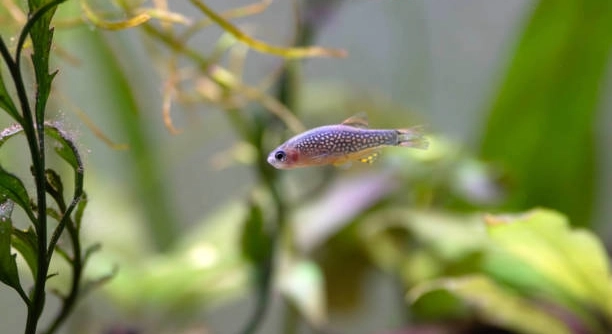
Setting up a tank for danios can seem simple, but small mistakes often create long-term problems. Many new fishkeepers overlook details like tank size, water conditions, or compatible tank mates, which can stress the fish.
The most frequent beginner errors when setting up for danios include overstocking the tank, inadequate filtration, improper water temperature, and neglecting regular maintenance schedules. Correcting these issues early ensures a healthier, more stable environment for the fish to thrive.
Knowing these pitfalls early can save your danios from stress and illness, making your aquarium setup much smoother and more enjoyable.
Overcrowding the Tank
Many new fishkeepers make the mistake of adding too many danios at once. Danios are active swimmers and need ample space to move. A crowded tank can lead to stress, stunted growth, and increased aggression. Overcrowding also strains the filtration system, causing water quality to deteriorate faster. Poor water conditions can weaken their immune system and make them prone to disease. When setting up a tank, it is better to start with fewer fish and gradually add more as the ecosystem stabilizes. Pay attention to recommended stocking levels based on tank size. Additionally, providing hiding spots and plants can help reduce territorial disputes among fish. Observing the fish regularly allows you to spot any signs of stress or illness early, which is key for long-term health. Establishing a properly sized tank from the beginning saves time, money, and prevents unnecessary stress for both the fish and the keeper.
Overcrowding often leads to poor water quality, which is one of the main reasons danios show stress or illness.
A well-planned tank layout balances swimming space with decoration. Open areas let danios swim freely, while plants and rocks provide shelter. Maintaining proper water conditions and adding fish slowly ensures that the tank ecosystem remains stable. Monitoring fish behavior helps you adjust stocking levels and tank design as needed. By giving danios the right space and environment, you create a healthier, calmer aquarium that requires less constant intervention and reduces the risk of disease outbreaks. Proper planning makes caring for danios more enjoyable and less stressful for both the fish and the keeper.
Neglecting Water Conditions
Danios are sensitive to water temperature and chemistry. Inconsistent water conditions can stress them quickly and affect their health.
Maintaining stable pH, temperature, and ammonia levels is essential for danios to thrive in captivity.
Checking water regularly and performing consistent partial water changes helps maintain a healthy environment. Investing in a good filter and using water conditioners prevents harmful chemicals from affecting the fish. Temperature fluctuations should be avoided, as danios prefer slightly cooler water and can become sluggish if it rises too much. Beginners often underestimate how quickly water conditions can change, especially in small tanks. Using a reliable heater, thermometer, and test kits helps track the water parameters accurately. Clean tanks with stable water quality reduce stress, support natural behavior, and make the fish more resilient to minor health issues. Creating a consistent routine of testing and adjusting water conditions ensures the danios remain active, vibrant, and healthy for longer periods.
Ignoring Tank Cycling
Skipping the tank cycling process can cause sudden spikes in ammonia and nitrite, which are toxic to danios. Many beginners rush to add fish without waiting for the beneficial bacteria to establish.
Cycling a tank establishes a stable nitrogen cycle that breaks down waste into less harmful substances. Without this process, even small numbers of danios can experience stress, fin damage, and disease. Adding fish too early can result in death and make it harder to maintain water quality. Using test kits to monitor ammonia, nitrite, and nitrate levels ensures the tank is safe before introducing fish. Patience during this stage saves the fish from preventable health problems and creates a reliable foundation for long-term tank stability.
Proper cycling involves adding a source of ammonia, monitoring levels, and waiting until the water parameters stabilize. This process can take several weeks, but it prevents sudden water toxicity. Skipping cycling may seem faster but often leads to frustration and losses. Taking the time to establish the bacteria balance ensures the danios thrive from the start. Regular testing, slow fish introduction, and observing behavior during early days help maintain a healthy environment. Gradual cycling protects both the fish and the effort invested in the tank setup.
Overfeeding the Fish
Overfeeding danios can pollute the tank and stress the fish, causing digestive issues and poor water quality. Even small amounts of leftover food can accumulate quickly.
Feeding danios too much at once often leads to uneaten food sinking to the bottom, decaying, and producing ammonia. This can overwhelm the filtration system and destabilize water chemistry. Fish may also develop swim bladder problems or obesity, impacting their health and mobility. Feeding small portions once or twice daily ensures the fish eat everything before adding more. Observing their eating habits helps determine the right amount and prevents waste buildup. A consistent feeding routine reduces stress and maintains a balanced tank environment.
Portion control is key to maintaining a healthy tank. Providing just enough food for a few minutes of feeding prevents excess waste and helps preserve water quality. Uneaten food left in the tank increases bacterial growth, which can harm both the fish and plants. Feeding at regular times, removing leftovers promptly, and adjusting quantities based on the fish’s size and activity level creates a more stable and healthier tank. Careful feeding promotes natural behavior, supports growth, and reduces the risk of waterborne illnesses, keeping the danios active and vibrant.
Choosing Incompatible Tank Mates
Adding aggressive or slow-moving fish alongside danios can create stress and bullying. Danios are active and social, and incompatible companions may disrupt their behavior.
Peaceful, similarly sized fish are best. Avoid large or territorial species that can chase or harm them, ensuring a harmonious tank environment.
Using Improper Substrate
Sharp or rough substrates can injure danios as they swim near the bottom. Smooth gravel or sand reduces the risk of fin or body damage. Regular cleaning is easier with appropriate substrate, preventing trapped waste and maintaining water quality for healthier fish.
Neglecting Decorations and Hiding Spots
Danios need places to hide and rest. Lack of plants, rocks, or ornaments can make them feel exposed, increasing stress and reducing natural behavior. Providing adequate cover supports well-being and creates a balanced environment where fish can explore and interact safely.
FAQ
How often should I feed my danios?
Danios should be fed small amounts once or twice a day. Overfeeding leads to leftover food, which pollutes the tank and increases ammonia levels. Only give what the fish can consume in a few minutes, and remove any uneaten food promptly.
What water temperature do danios need?
Danios thrive in slightly cooler water, generally between 64°F and 75°F (18°C–24°C). Sudden fluctuations can stress the fish, making them prone to disease. Using a reliable thermometer and maintaining a stable environment is essential for their health and activity.
How do I know if my tank is cycled?
A properly cycled tank will show zero ammonia and nitrite, with low nitrate levels. Test kits are the best way to monitor this. Adding fish before cycling can cause stress and death, so patience during this stage is crucial for long-term success.
Can danios live with other fish?
Yes, but only with peaceful, similarly sized species. Avoid large or aggressive tank mates, as danios are active swimmers and can be chased or bullied. Compatible companions help maintain a calm and balanced tank environment.
How many danios should I keep in one tank?
Stocking depends on tank size. Generally, one inch of fish per gallon is a safe guideline, but danios are very active and need space to swim. Start with fewer fish and gradually add more once the ecosystem stabilizes.
How often should I change the water?
Partial water changes of 20–25% every one to two weeks help maintain water quality. Frequent checks of ammonia, nitrite, and nitrate levels guide when more frequent changes are necessary. Clean water reduces stress and supports overall fish health.
What is the best substrate for danios?
Smooth gravel or sand is ideal. Sharp or rough substrates can injure fish as they explore the bottom of the tank. Proper substrate also makes cleaning easier and prevents waste from accumulating in crevices.
Do danios need decorations and plants?
Yes, they need hiding spots and resting areas. Plants, rocks, and ornaments provide shelter, reduce stress, and encourage natural behavior. A well-decorated tank supports active exploration and creates a more comfortable environment.
How can I prevent disease in my danios?
Maintaining stable water conditions, proper feeding, and a clean tank are essential. Quarantining new fish before adding them prevents introducing illness. Observing fish behavior and appearance regularly allows early detection and treatment of potential problems.
What should I do if my danios appear stressed?
Stress can be caused by poor water quality, overcrowding, or aggressive tank mates. Check water parameters, adjust stocking levels, and ensure hiding spots are available. Reducing stress improves immunity and keeps the fish active and healthy.
How long do danios typically live?
With proper care, danios can live 3–5 years. Stable water conditions, adequate space, and a balanced diet are key factors in promoting longevity. Regular monitoring and maintenance support their overall health.
Can I breed danios at home?
Yes, but it requires a separate breeding tank with controlled conditions. Danios are egg scatterers, and removing adults after spawning prevents them from eating the eggs. Proper care and feeding of fry are necessary for successful breeding.
Is it necessary to use a heater in a danio tank?
A heater may not always be required if room temperature is stable and within their preferred range. However, in cooler climates, maintaining consistent water temperature helps avoid stress and supports active swimming.
How do I acclimate new danios to my tank?
Float the bag in the tank for 15–20 minutes to equalize temperature. Gradually mix small amounts of tank water into the bag before releasing the fish. This reduces shock and helps the fish adjust safely to new water conditions.
Can danios live alone?
No, they are social fish and thrive in groups of at least five. Solitary danios can become stressed, inactive, and more prone to illness. Group living encourages natural swimming patterns and reduces anxiety.
How do I clean the tank without harming the fish?
Use siphons to remove debris from the substrate and clean surfaces gently. Avoid harsh chemicals; only use water-safe conditioners and tools. Partial water changes and routine maintenance maintain a healthy environment without risking fish health.
What should I do if my danios are fighting?
Fighting often results from overcrowding or incompatible tank mates. Reduce numbers if the tank is crowded, or separate aggressive fish. Adding plants and decorations can also provide hiding spots and reduce territorial disputes.
How important is lighting for danios?
Moderate lighting helps maintain a natural day-night cycle, which supports feeding and activity patterns. Avoid overly bright or continuous lighting, as it can stress fish and encourage algae growth in the tank.
Can danios live in a small tank?
While they can survive in smaller tanks, limited space increases stress and reduces swimming activity. A larger tank with open swimming areas and decorations is better for their health and long-term well-being.
How often should I check water parameters?
Testing weekly is generally sufficient for established tanks, but new setups or stressed fish may require more frequent monitoring. Keeping pH, ammonia, nitrite, and nitrate within safe ranges ensures a stable and healthy environment.
Are danios suitable for beginners?
Yes, they are hardy and adaptable, but beginners must avoid common setup mistakes. Attention to tank size, water quality, feeding, and compatible tank mates ensures their health and prevents early problems. Proper care makes them rewarding fish for new aquarists.
Setting up a tank for danios requires careful planning and attention to detail. Many beginners focus on buying the fish first but overlook important aspects like tank size, water conditions, and the right number of fish. Proper preparation can prevent stress, disease, and behavioral problems. By following basic guidelines, you can create an environment that supports the health and activity of your danios. Even small mistakes, such as overfeeding or adding incompatible tank mates, can have long-lasting effects, so it is important to take the time to set up the tank correctly from the start. Providing adequate space, hiding spots, and clean water ensures that the fish are able to swim freely and exhibit natural behavior, which makes maintaining the tank much easier in the long run.
Consistency is key when caring for danios. Regular water testing, partial water changes, and monitoring fish behavior all contribute to a stable and healthy environment. Beginners often underestimate how quickly water quality can change, especially in smaller tanks. Even minor fluctuations in temperature, pH, or ammonia levels can cause stress and weaken the fish’s immune system. Establishing a routine that includes consistent feeding schedules, gradual additions of new fish, and periodic observation helps prevent problems before they become serious. Maintaining clean water and proper filtration supports the nitrogen cycle and reduces the risk of illness. By staying attentive and proactive, it is possible to avoid the most common pitfalls that new fishkeepers face, creating a more enjoyable and sustainable aquarium experience.
Patience and observation go a long way in keeping danios healthy. Rushing any part of the setup, from stocking the tank to feeding, can result in unnecessary stress for the fish and frustration for the keeper. Taking time to research and implement proper tank cycling, suitable tank mates, and safe decorations ensures a calm and balanced environment. Over time, watching the danios interact, swim actively, and thrive in a well-maintained tank provides a rewarding sense of accomplishment. Caring for danios is straightforward when you focus on the basics, and mistakes can be corrected if addressed early. By prioritizing stable water conditions, proper feeding, and a suitable environment, your danios can live longer, healthier lives while bringing movement and color to your aquarium.

Hello,
If you enjoy the content that we create, please consider saying a "Thank You!" by leaving a tip.
Every little bit helps us continue crafting quality advice that supports the health, happiness, and well-being of pets around the world, for pets of all shapes, sizes, and species.
We really appreciate the kindness and support that you show us!