
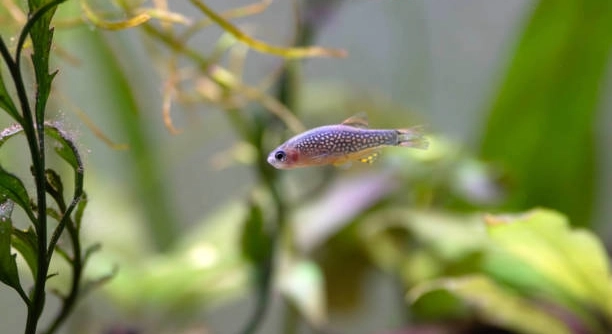
Starting a danio breeding project requires careful preparation to ensure a healthy environment for your fish. Cleaning the tank and related equipment before breeding can prevent disease, stress, and poor water quality, supporting the wellbeing of your danios.
Before starting a danio breeding project, it is essential to thoroughly clean the tank, filtration system, breeding nets, substrate, decorations, water containers, and feeding tools. This step reduces pathogens, improves water quality, and creates a safe breeding environment.
Proper preparation can make a significant difference in breeding success and the health of your fish offspring. Attention to cleanliness sets the stage for positive outcomes.
Tank Cleaning and Preparation
Cleaning the tank thoroughly before introducing danios is vital. Start by removing any old substrate, debris, and leftover food. Wash decorations, rocks, and artificial plants with warm water, avoiding soap or chemicals. Filtration equipment should be rinsed and checked for blockages. A clean tank prevents harmful bacteria from affecting fish health. After cleaning, refill the tank with dechlorinated water at the right temperature. Make sure the water parameters match the natural environment for danios. Carefully inspect the tank walls and corners, removing algae and other residues. Keeping the tank spotless ensures that the breeding process starts under optimal conditions. A well-prepared tank reduces stress in the fish and encourages natural breeding behaviors. Overlooking cleaning can lead to illness or poor egg survival. Consistency in tank maintenance is key, so regular monitoring before and during breeding will support the overall health of both adults and fry. Proper tank hygiene creates a stable, healthy environment.
Regular tank cleaning improves water quality and minimizes disease risks, giving your danios a safe space to breed successfully.
Once the tank is clean, arranging the environment properly is important. Provide hiding spots with plants or spawning mops for eggs. Ensure the water flow is gentle, mimicking natural conditions. Maintaining consistent temperature and pH levels helps reduce stress, encouraging mating behavior. Observation is crucial during early breeding, as small changes in water or tank cleanliness can affect egg-laying. Daily monitoring of water parameters and tank conditions ensures the fish remain healthy and comfortable. Preparing the tank carefully improves the chances of successful breeding, resulting in stronger, healthier fry that grow in a supportive environment.
Filtration and Water Quality
A functional filter keeps water clean and aerated, essential for danio breeding. Check it before introducing fish to ensure it is free of debris.
Maintaining optimal water quality involves regular testing for ammonia, nitrites, and nitrates. Adjust levels with partial water changes if necessary. Use gentle filtration to avoid disturbing eggs or fry. Adequate aeration and water movement support oxygenation and prevent stagnant areas. Filters also help remove small food particles, reducing contamination risk. Consistency in water quality is crucial, as sudden changes can stress adult fish, delaying breeding. Selecting the right filter for tank size ensures efficient cleaning without creating strong currents.
Monitoring water parameters daily and performing scheduled maintenance prevents toxic buildup that could harm both adults and fry. Dechlorinated water, proper filtration, and stable temperature create an ideal breeding environment. For successful danio breeding, balance cleanliness with gentle water flow, supporting eggs, fry, and adult fish alike. Regular observation ensures early intervention if water quality declines, keeping the tank safe and healthy. By maintaining these conditions, the breeding process proceeds smoothly, resulting in robust, healthy offspring that thrive in a stable environment.
Cleaning Breeding Nets
Breeding nets must be sanitized before use to prevent transferring bacteria or parasites. Rinse them thoroughly with warm water and check for any tears or fraying. Avoid soaps or chemicals that could harm eggs or fry. Properly maintained nets ensure a safe spawning area for your danios.
After rinsing, inspect the nets for small holes or worn areas that could trap or injure eggs. Damaged nets may reduce hatching success or allow fry to escape. Soaking them briefly in dechlorinated water helps remove any lingering particles. Nets should be stored in a clean, dry area when not in use. Handling them carefully prevents contamination. A well-maintained net provides a secure place for eggs, increasing survival rates and supporting the health of developing fry. Regular inspection before each breeding cycle keeps nets reliable.
Keeping nets clean is also essential for maintaining water clarity. Debris or leftover egg matter can decompose quickly, raising ammonia levels. Using multiple nets and rotating them allows for continuous cleaning without disrupting the breeding setup. Attention to detail in net maintenance reduces the risk of disease and improves overall tank hygiene. It also helps create a stress-free environment for both adult danios and newly hatched fry. By managing the nets consistently, you contribute to the overall success of the breeding project and maintain a safe habitat for the next generation.
Substrate and Decorations
Rinse gravel or sand thoroughly to remove dust and debris. Clean decorations to prevent algae or bacteria buildup that may harm eggs.
Substrate plays a key role in maintaining water quality. Uneaten food and waste can settle, causing spikes in ammonia or nitrites that stress adults and fry. Choosing smooth gravel or sand reduces the risk of injury and makes cleaning easier. Remove any sharp edges from rocks or ornaments that could damage eggs or delicate fry. Artificial plants and decorations should be rinsed and scrubbed, avoiding chemical cleaners that leave residues. Placing decorations strategically provides shelter for shy adults and hiding spots for fry. Observing adult behavior can guide placement, encouraging natural breeding patterns. Regular maintenance ensures that the substrate and decorations continue to support water quality and the overall breeding environment.
Proper substrate and decoration cleaning promotes healthier water conditions and reduces the chance of disease. Soft materials prevent injuries, and organized placement supports natural behaviors, helping eggs survive and fry grow safely. Consistent attention to these elements ensures the tank remains a suitable environment for all stages of breeding. A well-prepared substrate and thoughtfully arranged decorations create a balanced habitat that supports the wellbeing of adult danios and their offspring.
Water Containers
Use clean containers for preparing and storing dechlorinated water. Rinse them thoroughly to remove dust and residues that may harm eggs or fry.
Avoid soaps or detergents when cleaning containers, as residues can affect water quality. Properly sanitized containers prevent contamination and maintain stable conditions during breeding.
Feeding Equipment
Rinse feeding tools, including scoops and dispensers, before use. Leftover food particles can harbor bacteria that affect adult danios and eggs. Properly cleaned equipment helps maintain water quality and supports healthy growth of fry.
Thermometers and Water Test Kits
Check thermometers and test kits for accuracy before starting the breeding project. Calibrate devices if needed to ensure correct readings, supporting stable water conditions for danios. Accurate monitoring helps maintain safe temperature, pH, and ammonia levels throughout the breeding process.
Small Tools and Accessories
Rinse small tools like tweezers, siphons, or egg collectors before use. Clean tools prevent transferring contaminants into the breeding tank, keeping eggs and fry safe.
FAQ
How often should I clean the tank before starting a danio breeding project?
It is best to clean the tank completely before introducing adult danios for breeding. After that, partial water changes and debris removal should be done daily or every other day to maintain optimal water quality. Regular cleaning prevents ammonia or nitrite spikes that could harm eggs or fry.
Can I use soap or chemicals to clean the tank and equipment?
No. Soap and chemicals leave residues that can be toxic to both adult fish and developing eggs. Only use warm water or a diluted solution of dechlorinated water for rinsing. Proper rinsing is key to removing dust and dirt while keeping the environment safe.
Do I need to clean decorations every time I breed danios?
Yes. Decorations can harbor bacteria, algae, or leftover food that affect water quality. Wash rocks, plants, and ornaments thoroughly with warm water before each breeding cycle. Avoid harsh scrubbing that might damage delicate decorations or plants.
How important is cleaning breeding nets?
Breeding nets are very important to clean. They come into direct contact with eggs and fry, so any leftover contaminants can reduce survival rates. Rinse nets in warm, dechlorinated water and inspect for holes or fraying before use. This prevents eggs from getting trapped or damaged.
Should I prepare new substrate for each breeding cycle?
Not always, but it is essential to clean existing substrate thoroughly. Uneaten food and waste can accumulate, causing harmful ammonia or nitrite spikes. Smooth gravel or sand is preferred, as it’s easier to clean and reduces injury risks for fry.
How do I maintain water quality during breeding?
Use a properly sized filter with gentle flow to avoid disturbing eggs. Monitor ammonia, nitrite, nitrate, and pH levels daily. Perform partial water changes as needed, always using dechlorinated water at the right temperature. Stable conditions are critical for adult fish health and egg survival.
Can feeding tools impact breeding success?
Yes. Dirty feeding equipment can introduce bacteria into the tank, affecting adult danios and eggs. Rinse scoops, tongs, or dispensers thoroughly before each use to prevent contamination. Proper feeding hygiene contributes to overall water quality.
Do I need to clean thermometers and test kits?
Yes. Accurate readings are essential to maintain the correct temperature and water parameters. Rinse thermometers and test kits with dechlorinated water before use and calibrate if necessary. Misreading water conditions can stress fish or harm eggs.
How do I handle small tools like tweezers or siphons?
Always rinse small tools before using them in the breeding tank. Contaminants from previous use can introduce bacteria or chemicals that harm eggs or fry. Handling them carefully ensures minimal risk to developing offspring.
What is the most important aspect of tank preparation for danio breeding?
Maintaining a clean, stable environment is the most critical factor. Everything from the tank itself to nets, substrate, and feeding tools must be free from contaminants. Consistent care and observation support healthy adult fish and increase the chances of successful breeding outcomes.
Can I skip cleaning any equipment if it looks fine?
No. Even if equipment looks clean, microscopic bacteria or residues may still be present. Skipping cleaning increases the risk of disease or poor egg survival. Consistent, thorough preparation ensures a safe environment for both adults and fry.
How often should I check water parameters during breeding?
Daily monitoring is recommended. Eggs and fry are sensitive to changes in temperature, pH, ammonia, and nitrite levels. Regular checks allow you to correct any issues quickly, maintaining a stable environment and increasing the survival rate of fry.
Is it necessary to rotate nets or equipment during breeding?
Yes. Using multiple nets or tools and rotating them allows time for thorough cleaning and reduces contamination risk. This practice also ensures that eggs and fry remain in a safe, hygienic environment throughout the breeding process.
Can improper cleaning affect fry growth?
Absolutely. Poorly cleaned tanks or equipment can introduce bacteria, fungi, or toxins that stunt fry development or increase mortality. Maintaining cleanliness supports not just hatching success but also healthy growth and strong immune systems in young danios.
Does cleaning frequency differ for adult danios versus fry?
Yes. Fry are more sensitive to changes in water quality and contamination. While adult fish can tolerate minor fluctuations, fry require more frequent water checks, gentle filtration, and clean equipment to thrive. Consistent cleaning protects both life stages.
Are there shortcuts that are safe for cleaning during breeding?
No. Skipping steps or using chemicals for faster cleaning can compromise safety. Only warm water, dechlorinated water, and gentle scrubbing are safe. Attention to detail at every stage ensures healthy fish and higher breeding success.
What is the easiest way to maintain long-term tank hygiene?
Establish a routine. Clean equipment before each use, perform regular water changes, rinse tools after feeding, and monitor water parameters daily. Consistency reduces stress, prevents disease, and supports both adult danios and developing fry throughout the breeding project.
Can I reuse water containers for multiple breeding cycles?
Yes, if they are thoroughly rinsed and free of residues. Avoid chemicals, ensure dechlorinated water is used, and check for dust or leftover particles. Proper care keeps the water safe for each new cycle of breeding.
How does cleaning affect egg survival rates?
Proper cleaning minimizes harmful bacteria and toxins in the tank, directly impacting egg viability. A clean environment reduces stress on adult fish, encourages natural spawning behavior, and improves overall hatching success. Eggs in a contaminated tank are more likely to fail or develop deformities.
What should I focus on most before starting a breeding cycle?
Focus on thorough cleaning of the tank, substrate, nets, decorations, and feeding equipment. Verify water quality and stability, ensure all tools are safe, and create a stress-free environment. Proper preparation sets the foundation for successful breeding and healthy fry growth.
Final Thoughts
Starting a danio breeding project requires careful preparation, and the cleanliness of the tank and equipment plays a crucial role in success. Every part of the breeding setup, from the tank itself to nets, substrate, decorations, and feeding tools, must be properly cleaned and maintained. Skipping or rushing any step can introduce bacteria or toxins that harm eggs, fry, or adult fish. Attention to these details ensures a healthy environment and reduces stress on the fish, which is essential for encouraging natural breeding behavior. Even small oversights, like leaving food particles in a net or using water that was not fully dechlorinated, can have significant effects on the survival of the eggs and the development of fry. Consistency in preparation and maintenance is far more effective than trying to correct problems after they arise.
Maintaining stable water conditions is equally important. Water quality affects not only the adults’ willingness to breed but also the survival and growth of newly hatched fry. Using a properly sized filter, performing regular partial water changes, and monitoring key parameters like pH, ammonia, nitrite, and nitrate levels are necessary steps. Thermometers and test kits should be checked for accuracy to avoid fluctuations that stress the fish. Gentle water flow prevents eggs from being disturbed while still allowing proper aeration. Clean containers for water changes and feeding equipment also help maintain a safe and stable environment. By keeping these factors consistent, you are creating the best possible conditions for healthy offspring.
Finally, taking the time to care for every piece of equipment and monitor the tank regularly makes the breeding process smoother and more predictable. Clean breeding nets, safe decorations, and well-maintained substrates not only prevent disease but also provide a comfortable space for danios to lay eggs naturally. Small tools, if properly cleaned, reduce the risk of contamination and ensure that fry can grow without unnecessary threats. This careful preparation is an investment in both the health of the adult fish and the long-term success of the breeding project. By focusing on cleanliness, stability, and regular observation, you can create a breeding environment where danios thrive, eggs hatch successfully, and fry grow into healthy adults.

Hello,
If you enjoy the content that we create, please consider saying a "Thank You!" by leaving a tip.
Every little bit helps us continue crafting quality advice that supports the health, happiness, and well-being of pets around the world, for pets of all shapes, sizes, and species.
We really appreciate the kindness and support that you show us!