
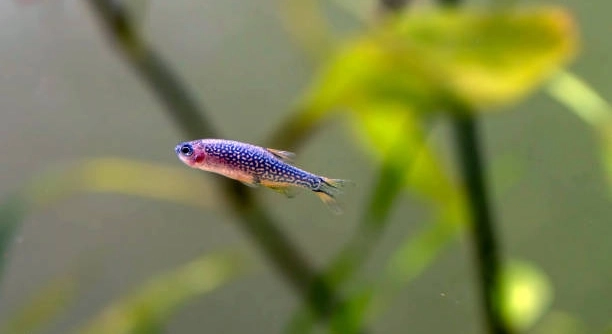
Danios are lively little fish that brighten up any aquarium. They move around a lot during the day, exploring plants and interacting with each other. At night, their activity slows, and they often rest near the bottom.
Daytime and nighttime danio behaviors differ significantly. During daylight, they swim actively, school together, and feed more frequently, while at night, their movement decreases, schooling disperses, and they rest in calmer areas. Environmental cues like light strongly influence these patterns.
Observing these differences can help improve aquarium setups and feeding routines for danios. Understanding their natural habits ensures a healthier, more comfortable environment.
Daytime Activity Patterns
During the day, danios are very active and social. They swim in schools, exploring every corner of the tank. Their bright colors are more visible in daylight, which may help them communicate with each other. Feeding times usually increase their movement, as they search for food. They often chase small particles or insects in the water, showing quick reflexes. Plants and decorations become playgrounds where they dart and weave. Observing them during this time can be very engaging because their energy levels are high. Light levels strongly influence this behavior, and keeping a consistent day schedule helps maintain their health. Some danios may hide briefly but usually return to the group quickly. Their curiosity keeps them moving, and they often respond to changes in their surroundings. Stress is usually lower during daylight if the tank has enough space and cover.
Danios swim actively and interact more during the day. They are highly social and responsive to light and feeding.
Even small changes in light or tank layout can impact daytime behavior. Fish may become more cautious or restless if they feel exposed. By providing hiding spots, plants, and stable water conditions, you can encourage normal activity. Observing these movements can indicate overall health.
Nighttime Behavior
At night, danios slow down significantly.
Darkness signals them to rest, and movement decreases. Some may hover near the bottom or hide among plants, while others stay mid-level but remain still. Light cycles strongly affect this behavior.
Nighttime habits are important for their health. During this period, energy conservation takes priority. They feed less, and schooling behavior breaks down, leaving fish spread out and quieter. Tank lighting should mimic natural cycles to support this rest phase. Stress levels can rise if sudden lights turn on, so gradual dimming or using a soft night lamp helps. Observing nighttime behavior gives insight into tank comfort. If danios do not rest properly, it may indicate overcrowding, improper water parameters, or lack of hiding spaces. Maintaining consistent light-dark schedules ensures they remain active and healthy during the day, supporting natural rhythms and overall well-being.
Feeding Habits
Danios eat more actively during the day. They dart around for flakes, pellets, or live food, often competing gently within the school. At night, they eat very little or stop entirely, conserving energy until morning.
Daytime feeding is intense and quick. Danios often chase food across the tank, occasionally nibbling at plants or decorations as they search. Smaller fish may get pushed around slightly, but the group generally stays together. Frequent, small feedings help maintain their energy levels and reduce stress. Observing their feeding patterns gives clues about appetite and health. Overfeeding can lead to leftover food, which may affect water quality. Keeping track of how much they eat ensures proper nutrition while maintaining clean water.
Nighttime feeding is minimal. Most danios barely move, preferring to rest. If food is offered, only a few may nibble, leaving most untouched. This pattern helps regulate metabolism and encourages natural day-night activity cycles. Proper feeding schedules match their active and resting phases, supporting long-term health.
Social Interactions
Danios interact closely during the day, forming tight schools. At night, these interactions largely disappear as fish rest in separate areas of the tank.
Social behavior is strongest when light is present. Daylight encourages schooling, chasing, and synchronized swimming. Fish communicate through body movements, colors, and occasional gentle nudges. During play or feeding, their coordination helps reduce stress and maintain hierarchy within the group. Juveniles often mimic adults’ movements, learning group patterns. Social interactions also influence feeding efficiency; fish alert each other to food or danger. During daylight, dominant fish may lead the group to preferred swimming areas. A well-decorated tank supports these behaviors, offering space for interaction and retreats.
At night, reduced social contact allows danios to conserve energy. Fish spread out, hide, or hover quietly. Minimal interaction reduces stress and helps maintain natural circadian rhythms. Observing nighttime solitude shows which fish are comfortable with tank layout and lighting, highlighting any issues with overcrowding or aggressive behavior. Proper social balance is crucial for health and happiness, ensuring active days and peaceful nights.
Swimming Patterns
Danios swim quickly and in coordinated groups during the day. They explore all levels of the tank, often weaving around plants and decorations, showing curiosity and alertness while remaining close to each other.
At night, swimming slows considerably. Fish hover in one area or drift gently near the bottom, conserving energy and avoiding unnecessary movement until daylight returns.
Resting Spots
Danios choose shaded or hidden areas to rest at night. Plants, caves, or tank corners provide a sense of security and reduce stress, supporting their natural rhythms and overall well-being.
Light Sensitivity
Danios respond strongly to light changes. Bright light triggers active swimming, schooling, and feeding, while dim or absent light signals them to rest, reducing stress and mimicking natural environmental cycles.
Temperature Influence
Temperature affects danio activity levels. Warmer water increases movement and feeding, while cooler water slows swimming and encourages resting. Maintaining stable, suitable temperatures supports natural day-night habits.
FAQ
Why are my danios more active during the day than at night?
Danios are naturally diurnal, meaning they are active during daylight and rest when it’s dark. Light stimulates their nervous system, encouraging swimming, feeding, and social behaviors. Darkness triggers slower movements and resting habits, allowing them to conserve energy for the next day.
Do danios need a completely dark environment at night?
Not completely, but low light or a dim night lamp works best. Sudden bright lights can startle them and disrupt natural resting cycles. Mimicking natural day-night patterns helps maintain health and reduces stress in the tank.
How often should I feed danios considering their day-night habits?
Feed small amounts during the day when they are active. Nighttime feeding is usually unnecessary because they rest and digest more slowly. Offering food at night can lead to leftovers that pollute the water.
Why do danios school less at night?
Schooling is a daytime behavior for protection and social interaction. At night, they spread out to rest safely, often hiding or hovering in calmer areas. This reduces energy use and minimizes exposure to potential threats.
Can light levels affect danio health?
Yes. Consistent light cycles prevent stress, encourage normal activity, and support circadian rhythms. Irregular lighting can lead to restlessness, reduced appetite, and weaker immune responses. Using timers for lights helps maintain stable day-night patterns.
What are the signs of stress related to night-time activity?
Restless swimming, hiding excessively during the day, or staying at the bottom can indicate stress. Overcrowding, poor water quality, or improper light schedules are often the cause. Observing behavior patterns helps identify and correct these issues.
Do temperature changes affect day and night activity?
Yes. Warmer water increases daytime activity and feeding, while cooler water slows movements and encourages resting. Keeping water temperatures stable ensures predictable day-night behaviors and overall well-being.
Is it normal for some danios to be more active at night than others?
Occasionally, some individuals may move more at night due to personality differences, age, or minor stress. As long as most fish follow normal day-night patterns, slight variations are generally harmless.
How can I make the tank more comfortable for nighttime resting?
Provide plants, caves, and quiet corners. Avoid sudden light changes and maintain stable water conditions. These measures give fish secure resting spaces and help preserve natural rhythms.
Does the type of food affect daytime and nighttime activity?
Yes. Nutrient-rich food during the day supports active swimming and schooling. Feeding at night is unnecessary and can reduce water quality if uneaten food accumulates. Daytime feeding aligns with their natural digestive and activity cycles.
How long should danios rest at night?
Typically, 8–12 hours of low activity or rest is normal. Consistent lighting and feeding schedules ensure adequate rest and proper recovery for energy during daytime activity.
Can I observe danios at night without disturbing them?
Yes, using dim red or blue night lights allows observation without causing stress. Avoid turning on bright lights, which can interrupt resting patterns and make fish anxious.
What is the relationship between social behavior and day-night cycles?
Danios school and interact mostly during the day for protection and feeding efficiency. At night, reduced social contact helps conserve energy and reduces stress, supporting healthy daily rhythms in the tank.
How do I know if my danios’ day-night cycle is healthy?
Normal patterns include active daytime swimming and feeding, resting at night, regular schooling, and minimal stress behaviors. Deviations like constant hiding, frantic swimming, or poor appetite may indicate environmental issues or improper tank conditions.
Are there any signs that the lighting schedule needs adjustment?
Fish showing unusual activity at night, hiding during the day, or displaying stress behaviors suggest the light cycle may be off. Gradually adjusting light intensity and timing can restore natural rhythms.
Can tank decorations influence day-night behavior?
Yes. Plants, caves, and structures offer safe resting spots at night and areas for exploration during the day. Adequate hiding spaces reduce stress and allow fish to exhibit natural behaviors.
Do juvenile danios follow the same day-night patterns as adults?
Generally, yes, but juveniles may be slightly more active at night due to curiosity or growth needs. Over time, they adopt the standard diurnal pattern, resting mostly during darkness.
How do I prevent disturbances that disrupt night-time behavior?
Minimize sudden light changes, avoid tapping on the tank, and maintain stable water conditions. Consistency encourages restful nights and healthy daytime activity.
Is it necessary to separate danios that behave differently at night?
Only if extreme aggression or stress occurs. Minor differences in night activity are normal. Observing overall group behavior helps determine if intervention is needed.
Do danios ever feed at night naturally?
Rarely. Their digestive and energy patterns are aligned with daytime activity. Night feeding is unnecessary and may harm water quality if uneaten food accumulates.
Can observing night behavior improve care?
Yes. Watching how danios rest, hide, or hover at night reveals tank comfort, light adequacy, and stress levels. Adjustments based on these observations help maintain healthy daily routines.
Does water flow affect day and night activity?
Strong currents increase daytime swimming activity but may tire fish if constant. At night, calmer water allows resting and energy conservation. Balancing flow supports natural behavior patterns.
How important is consistency in feeding, lighting, and temperature?
Consistency is crucial. Stable conditions support predictable activity, reduce stress, and ensure proper growth and health. Irregular schedules disrupt natural day-night cycles and can lead to behavioral or health problems.
What signs indicate that night-time resting is sufficient?
Fish are mostly still, hovering or hiding safely, and resume active schooling and feeding in the morning. Proper rest supports energy levels and overall vitality.
Are there differences in male and female danios’ day-night behaviors?
Males may show slightly more activity during the day due to territorial or courtship behaviors, but both sexes generally follow similar diurnal and nighttime resting patterns.
Can lighting color affect behavior?
Yes. Cooler or dim lights at night are less disturbing, while bright white light can trigger stress. Daylight-mimicking lights support normal daytime activity.
How long does it take for danios to adjust to a new tank’s day-night cycle?
Usually a few days to a week. Consistent light, temperature, and feeding routines help them settle into normal activity and resting behaviors.
Is it normal for danios to hover mid-water at night instead of resting at the bottom?
Yes. Some fish prefer mid-water resting, especially in well-planted tanks. This behavior is safe and part of natural variation among individuals.
Can I use timers for lights and feeders to support natural behavior?
Yes. Timers ensure consistent day-night cycles and feeding schedules, reducing stress and supporting healthy diurnal rhythms for danios.
Do danios respond to human presence differently during day and night?
They are more alert and interactive during the day, often approaching the tank glass. At night, they stay still or hidden, avoiding disturbance and conserving energy.
Are there any signs of illness linked to disrupted day-night patterns?
Yes. Lethargy during the day, restlessness at night, loss of appetite, or abnormal swimming can indicate illness or environmental stress affecting natural rhythms.
How does tank size influence day-night activity?
Larger tanks allow free swimming and proper schooling during the day and safe hiding spots at night. Small, crowded tanks can stress fish and disrupt normal activity cycles.
Do seasonal changes affect danio behavior in home tanks?
Artificially controlled lighting minimizes seasonal effects. However, slight changes in daylight or temperature can influence activity levels, so consistent tank conditions are important year-round.
How do I encourage natural behaviors in my danios?
Provide a balanced environment with plants, hiding spots, stable lighting, proper temperature, and suitable food. Consistency allows active days and restful nights, supporting overall health.
Can stress cause abnormal night activity?
Yes. Overcrowding, poor water quality, or sudden light changes can make danios restless at night. Observing patterns and adjusting conditions helps reduce stress and restore normal behavior.
Are some danio species more nocturnal than others?
Most common danios are diurnal, but subtle differences exist among species. Observing natural tendencies helps tailor tank care to their preferred activity patterns.
How long should I observe behavior before making changes?
At least a week, noting patterns in swimming, feeding, and resting. Consistent observation ensures that any adjustments improve comfort without unnecessary disturbance.
Can water quality affect day-night activity?
Absolutely. Poor water conditions lead to stress, reduced daytime activity, and irregular resting at night. Regular testing and maintenance are essential for stable behavior.
Do danios ever rest together at night?
They may cluster slightly near preferred hiding spots, but they generally spread out to rest safely. Clustering is usually mild and varies depending on tank layout.
How important is plant coverage for night-time comfort?
Very important. Plants provide hiding spaces, reduce stress, and mimic natural environments, encouraging restful behavior and supporting natural day-night cycles.
Should I monitor individual fish or the whole group?
Both. Observing individuals helps spot stress or illness early, while group behavior shows overall tank comfort and activity balance.
What is the best way to track day-night habits?
Keep a simple log of activity, feeding response, schooling, and resting behavior. Regular notes help identify changes and guide adjustments in lighting, feeding, and tank setup.
Do danios ever change activity patterns as they age?
Yes. Juveniles may be more active, while older fish slow down slightly. Their overall day-night cycle remains similar, but energy levels and schooling tendencies may change.
Can aquarium decorations disrupt natural rhythms?
Yes. Too many open spaces or overly bright areas can stress fish. Well-planned decor with hiding spots encourages normal day-night behavior.
How do I know if nighttime activity is healthy or a sign of stress?
Normal night activity is minimal, quiet, and mostly stationary. Restless, frantic, or repetitive movements indicate stress, poor tank conditions, or improper light cycles.
Are there differences in feeding efficiency between day and night?
Yes. Feeding during the day aligns with peak activity, while night feeding is inefficient and usually leaves uneaten food, which can affect water quality and fish health.
Can sudden noise or vibration affect night-time behavior?
Yes. Loud sounds or tank vibrations can startle danios, causing them to swim frantically or hide, disrupting rest and increasing stress levels.
How do I adjust care for a tank with multiple species including danios?
Observe all species’ activity patterns. Ensure compatible light, temperature, and feeding schedules. Provide sufficient hiding spots and swimming areas to support natural behaviors across species.
Is observing day-night differences important for breeding?
Yes. Proper light cycles, feeding schedules, and resting periods encourage healthy reproductive behavior and overall vitality, which is essential for successful breeding.
How can I tell if danios are comfortable at night?
Quiet, steady resting, minimal movement, and occasional gentle hovering indicate comfort. Fish that hide, cluster, or stay active may be stressed or adjusting to tank conditions.
Does tank lighting mimic natural cycles?
Ideal lighting should reflect natural sunrise and sunset, gradually brightening and dimming. This consistency supports healthy day-night behavior and reduces stress for danios.
Are there any behavioral signs linked to poor nutrition at night?
Yes. Fish may move restlessly or remain inactive during the day if not properly fed, showing how nutrition and natural cycles are closely connected.
Can night-time observation help prevent disease?
Yes. Watching how fish rest, hover, or hide can reveal early signs of illness, stress, or water quality issues, allowing timely intervention and care.
Is it normal for danios to swim in circles at night?
Occasionally, mild movement is normal, especially if fish adjust to a new tank. Continuous circling or frantic behavior signals stress, discomfort, or poor water conditions.
How do I create a balanced day-night routine?
Maintain stable lighting schedules, provide daytime feeding, offer hiding spots, and control water temperature. Consistency allows active days, restful nights, and supports healthy natural behavior.
Can frequent changes in tank setup disrupt night activity?
Yes. Moving plants, decorations, or rocks too often can stress danios, causing irregular night behavior and reducing overall comfort. Stable environments promote normal cycles.
How does water quality interact with day-night cycles?
Poor water conditions can cause stress, reduced daytime activity, and restless nights. Regular testing and maintenance ensure a healthy environment that supports natural behavior.
Do danios interact differently with humans during day and night?
Yes. Daytime activity makes them more responsive and alert, while nighttime they rest quietly, avoiding interaction and conserving energy for the following day.
Is it normal for danios to leave the school at night?
Yes. Nighttime dispersion is typical. Fish spread out to rest safely, unlike daytime schooling behavior, which is for protection and feeding efficiency.
How can I encourage natural activity in a new tank?
Provide plants, hiding spaces, stable lighting, proper temperature, and consistent feeding. Observing patterns and adjusting gradually ensures healthy activity during the day and restful nights.
Do sudden changes in light or temperature affect night behavior?
Yes. Sudden bright lights or temperature shifts can disturb resting patterns, causing stress and abnormal activity. Gradual adjustments help maintain natural rhythms.
Can tracking day-night patterns help improve long-term care?
Absolutely. Monitoring activity, feeding, and rest patterns identifies stressors or environmental issues. Adjustments based on these observations improve health, comfort, and longevity of danios.
Are there signs of night-time illness in danios?
Yes. Restlessness, hiding excessively, erratic swimming, or staying isolated may indicate illness or environmental problems. Early observation allows timely corrective action.
How do I balance active and resting periods for optimal health?
Ensure stable light schedules, daytime feeding, suitable temperature, and hiding spots. This supports natural activity during the day and restful nights, promoting overall health and well-being.
Do danios ever change sleeping locations at night?
Yes. Fish may adjust spots depending on comfort, water flow, or plant growth. This is normal as long as they remain quiet and rested.
Can feeding too late affect night-time behavior?
Yes. Late feeding can lead to uneaten food, disrupting rest, causing stress, and affecting water quality. Stick to daytime feeding to match natural patterns.
Is it normal for some danios to be restless even at night?
Occasionally, mild movement is normal. Persistent restlessness may indicate stress, improper light cycles, or environmental discomfort. Observing patterns helps identify the cause.
How do I know if the tank environment is suitable for resting?
Fish that hover quietly, hide comfortably, or remain calm throughout the night indicate a well-adjusted environment. Adjust lighting, decorations, or flow if fish appear stressed or restless.
Can observing behavior improve feeding efficiency?
Yes. Noting when fish are most active ensures feeding aligns with natural appetite, reducing waste and promoting proper nutrition.
Do danios ever feed at night naturally in the wild?
Rarely. Most wild danios are diurnal, feeding during daylight and resting at night, similar to behavior in home tanks.
How can I support natural rhythms in multi-species tanks?
Provide sufficient hiding spots, compatible light cycles, and appropriate feeding schedules for all species. Observing interactions ensures each species’ needs are met without stress or disruption.
Can water flow at night disrupt resting behavior?
Strong currents can prevent proper resting, while gentle flow supports comfort and mimics natural conditions. Adjust flow for calm nighttime periods.
Is night-time behavior affected by tank size?
Yes. Larger tanks provide more hiding spaces and swimming areas, allowing safe resting, while small tanks may stress fish and disrupt natural behavior.
How long should danios adjust to new night-time routines?
Generally a few days to a week. Consistency in lighting, feeding, and temperature helps fish settle into normal resting patterns.
Does overcrowding affect night-time behavior?
Yes. Crowding increases stress, prevents proper resting, and can lead to abnormal night activity. Adequate space is essential for health and comfort.
Are there differences in behavior between males and females at night?
Slight differences may appear, such as males hovering slightly more, but both sexes generally follow the same resting patterns.
Can night-time observation detect early signs of aggression?
Yes. Fish hiding excessively or avoiding certain areas may indicate bullying or territorial issues. Early detection helps prevent stress and injury.
How important is consistency in all tank conditions for natural behavior?
Very important. Stable lighting, temperature, feeding, and environment support predictable activity, reduce stress, and maintain healthy day-night cycles.
Can I safely observe danios with a dim light at night?
Yes. Low-intensity red or blue lights allow observation without disturbing resting behavior, keeping fish comfortable and stress-free.
How do hiding spots influence social behavior at night?
They reduce stress and allow fish to rest safely without conflict. Proper placement encourages calm and healthy night-time behavior.
Are there signs that day-night patterns are off?
Fish hiding during the day, restlessness at night, poor appetite, or unusual swimming suggest that light, temperature, or tank conditions need adjustment.
Do danios ever change night behavior with age?
Yes. Older fish may rest more and move less, while juveniles may be slightly more active at night. Patterns remain predictable if the environment is stable.
How can I improve night-time comfort for all tank inhabitants?
Provide plants, caves, low-flow areas, stable temperatures, and consistent lighting. These measures reduce stress, encourage restful nights, and support healthy daytime activity.
Is it normal for some danios to sleep mid-water?
Yes. Mid-water resting is typical, especially in planted tanks. It is safe and part of natural variation among individuals.
Can irregular feeding disrupt night-time behavior?
Yes. Feeding too late or inconsistently can leave uneaten food, disturb resting patterns, and affect water quality, leading to stress.
Are there subtle signs of stress visible at night?
Restless movements, clustering excessively, or hiding in unusual spots indicate stress. Observing these signs helps identify environmental issues or social problems.
How do I balance energy use between day and night?
Consistent feeding, lighting, and temperature allow active daytime behaviors and restful nights, maintaining healthy energy balance for growth, social interaction, and overall health.
Do plants improve both day and night behaviors?
Yes. They provide hiding spots for rest, exploration areas during the day, and contribute to water quality, supporting natural activity and comfort.
Can observing night behavior prevent tank problems?
Yes. Identifying restlessness,
Final Thoughts
Observing danios over the course of the day and night gives a clear picture of how their behavior changes. During daylight hours, they are active, social, and curious, moving through all areas of the tank and interacting with each other. Their feeding habits are strongest in the day, with fish darting quickly to capture food and exploring plants and decorations as they go. Light plays a major role in signaling activity, and consistent lighting schedules help support natural behavior. Nighttime brings a noticeable change, with swimming slowing down and most fish seeking calm spots to rest. Plants, caves, and other hiding areas become important for comfort and security. Providing a well-structured tank environment helps danios follow their natural rhythms and reduces stress that could impact their health.
Understanding these patterns also allows for better tank management. Feeding can be scheduled to match their active daytime behavior, reducing leftover food and keeping water quality high. Observing rest periods at night ensures that fish have a peaceful environment, free from sudden lights or disturbances. Temperature control, water flow, and tank layout all play a role in supporting these natural habits. Even minor changes in lighting, decoration, or feeding can affect their behavior, so careful observation and small adjustments can make a significant difference. Recognizing signs of stress or abnormal behavior early allows for intervention, whether it’s improving hiding spots, adjusting feeding routines, or checking water conditions. Healthy day-night patterns indicate that fish are comfortable and thriving.
Maintaining a tank that respects the natural rhythms of danios promotes long-term health and happiness. They benefit from consistent light-dark cycles, proper feeding schedules, and an environment that allows both exploration and rest. Watching how they interact, swim, and rest provides valuable insight into their comfort and well-being. Each fish may have slightly different preferences, but overall patterns of activity and rest are similar. By keeping these factors in mind, tank owners can create a balanced habitat where danios can flourish. Attention to these details ensures that both daytime energy and nighttime rest are supported, helping the fish maintain natural behaviors and a healthy life. Careful observation, consistent routines, and thoughtful tank management make a noticeable difference in how these lively fish live and thrive.

Hello,
If you enjoy the content that we create, please consider saying a "Thank You!" by leaving a tip.
Every little bit helps us continue crafting quality advice that supports the health, happiness, and well-being of pets around the world, for pets of all shapes, sizes, and species.
We really appreciate the kindness and support that you show us!