
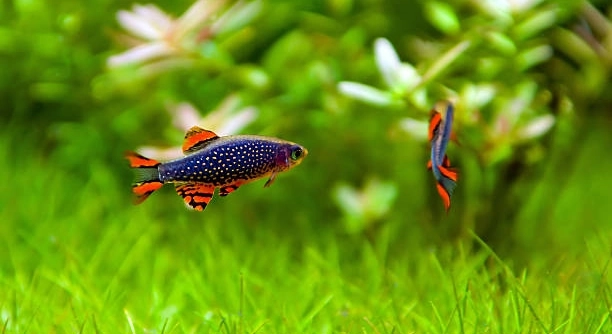
Danios are lively, small fish that bring energy to any aquarium. Keeping them healthy requires attention to their environment, feeding habits, and daily care. Many owners seek simple routines that promote calm and balanced behavior in their fish.
Establishing consistent, calm routines is essential for the well-being of danios. Regular feeding schedules, stable water conditions, gentle handling, and minimal disturbances reduce stress, support natural behaviors, and enhance their overall health and longevity in a home aquarium.
Maintaining these routines creates a peaceful tank environment, ensuring your danios remain active, healthy, and vibrant for years to come.
Creating a Stable Tank Environment
A stable tank environment is the foundation for healthy danios. Water temperature, pH levels, and filtration all play a role in keeping them calm and active. Sudden changes in temperature or chemistry can stress the fish, leading to erratic swimming or illness. I make it a point to test the water weekly, adjusting as needed, so the tank remains consistent. Proper filtration ensures the water stays clean without strong currents that may overwhelm the danios. Adding plants and decorations provides hiding spots, which reduce stress and give them a sense of security. Lighting should mimic natural day and night cycles to support their internal rhythms. Maintaining a stable environment requires attention but pays off in the long term. Watching the danios thrive in calm water makes every small adjustment worthwhile, and it quickly becomes part of the routine that supports their health and happiness in the tank.
A stable tank reduces stress significantly, creating conditions where danios can swim freely, feed well, and maintain natural behavior.
Consistent maintenance and observation are key. Changing only a portion of the water regularly, avoiding overcrowding, and monitoring fish behavior ensures a balanced environment. Even small changes can upset the ecosystem, so careful planning and consistency are important. By keeping the water parameters steady, the fish experience less stress, which improves their immune response and overall vitality. Plants, rocks, and other decorations not only beautify the tank but also give fish secure spaces to explore and rest. Minimal disturbance during cleaning or feeding helps reinforce calm behavior, while stable lighting schedules contribute to predictable daily activity patterns. When these factors are maintained, danios are more likely to display natural schooling, active swimming, and proper feeding responses. Regular observation helps detect early signs of stress or illness, allowing for immediate action. Overall, a stable tank environment creates a healthy, low-stress habitat that allows danios to thrive consistently and maintain a long, active life.
Consistent Feeding Schedule
Feeding danios at the same times daily helps regulate their behavior and metabolism. A predictable schedule keeps them active without overeating.
Regular feeding prevents aggression and maintains health by avoiding sudden hunger or nutritional imbalance.
A consistent feeding routine also allows me to monitor each fish’s appetite and notice changes quickly. Providing the right portion ensures the food is consumed within a few minutes, reducing waste and water contamination. Mixing high-quality flakes or pellets with occasional live or frozen food offers a balanced diet, supporting growth and coloration. By feeding at the same times every day, the danios anticipate meals calmly, reducing frantic behavior. Skipping meals or feeding inconsistently can make them anxious and less active. Over time, this routine creates trust in the environment, encouraging peaceful interactions among the fish. Observation during feeding is an opportunity to check for illness, fin damage, or other issues, making the schedule both a health and behavior tool. A structured feeding approach is simple but highly effective for supporting the overall well-being of danios.
Gentle Handling Practices
Handling danios as little as possible minimizes stress and supports their calm behavior. When maintenance requires moving them, using a soft net and moving slowly prevents injury and panic.
Using a soft net and slow movements during tank cleaning or water changes helps reduce fear responses in danios. Sudden motions can cause them to dart or collide with decorations, which increases stress. I always plan maintenance steps carefully, moving one fish at a time if needed, and ensure the tank lid is secure to prevent escapes. Limiting handling to essential activities keeps the fish healthy while building a predictable routine in the tank. Over time, this approach reduces stress-related behaviors such as erratic swimming, hiding, or refusing food. Gentle handling reinforces their sense of safety, making the tank a more peaceful environment for all the fish.
Consistent gentle handling also allows me to inspect the danios for early signs of illness or injury. By minimizing direct contact and using calm, deliberate movements, the fish maintain natural swimming patterns and normal schooling behavior. Regular observation during these interactions helps detect any subtle changes in fin condition, color, or energy levels. Avoiding unnecessary stressors improves immune response and supports long-term health. When cleaning or transferring fish, I ensure water conditions match their current tank, which prevents shock. Gentle handling is not only about safety but also about creating a stable environment where danios feel secure, thrive naturally, and maintain their vibrant activity levels.
Structured Lighting and Rest Periods
Consistent lighting schedules help danios maintain natural day-night rhythms, supporting calm behavior and overall health. I set timers to ensure stability and avoid sudden changes that could startle the fish.
Structured lighting reduces stress and encourages regular activity patterns. Bright lights during the day simulate daylight, while dimming at night signals rest time. This predictable cycle helps regulate feeding, swimming, and social behavior. I combine live plants with gentle light diffusion to avoid harsh glare, creating safe spaces for hiding and resting. Maintaining a regular light period of about 10-12 hours ensures the danios stay active and healthy while minimizing aggression or erratic behavior. By observing their response to light changes, I adjust intensity gradually if needed, keeping the environment calm and predictable. Consistency in lighting also enhances coloration and overall vitality, supporting long-term well-being.
Adequate rest periods are equally important. Turning off lights completely at night prevents unnecessary stress and allows the danios to recover energy. Overexposure to light can disrupt their natural rhythm and lead to fatigue or weakened immunity. Combining consistent light schedules with quiet periods ensures a balanced tank environment. By using timers and maintaining a dark period, I create a reliable day-night cycle that encourages natural swimming, feeding, and schooling patterns. Structured lighting paired with calm surroundings helps reduce aggressive interactions and promotes peaceful cohabitation. This approach also makes maintenance easier, as the fish are calmer during routine activities, supporting both their health and the tank’s stability over time.
Regular Water Changes
Frequent partial water changes help maintain clean, stable water conditions, which reduces stress for danios. I perform small changes weekly to keep the tank healthy without shocking the fish.
Using a siphon to remove debris and replace water gradually prevents sudden shifts in chemistry. Clean water supports proper oxygen levels and minimizes harmful waste accumulation.
Minimal Noise and Disturbances
Keeping the tank area quiet and free from sudden movements prevents danios from becoming startled. I avoid tapping on the glass or placing the tank near loud appliances.
Providing Hiding Spots
Adding plants, rocks, and small decorations gives danios secure areas to retreat when stressed. These spaces support natural behavior and reduce tension in the tank.
How often should I feed my danios?
I feed my danios small amounts twice a day. This schedule keeps them active without overfeeding. Using the right portion ensures they consume all food within a few minutes, reducing waste and keeping the water clean. A consistent schedule also helps regulate their behavior.
What type of food is best for danios?
High-quality flakes or pellets are the main diet, providing balanced nutrition. I occasionally supplement with frozen or live foods like brine shrimp or daphnia. This variety enhances color, supports growth, and encourages natural hunting instincts. Avoid overfeeding, which can stress the fish and pollute the tank.
How do I maintain stable water conditions?
Regular testing of temperature, pH, and hardness is essential. I adjust slowly if needed, keeping changes minimal to avoid shocking the danios. Partial water changes weekly remove waste and maintain stability. Proper filtration and gentle currents ensure clean water without stressing the fish.
What is the ideal temperature for danios?
Danios thrive in water between 72°F and 78°F. I use a reliable heater and thermometer to maintain consistent temperature. Sudden fluctuations can cause stress or illness, so monitoring is important. Consistency in temperature helps keep their metabolism, activity, and immune system stable.
How can I reduce stress in my danios?
Minimizing handling, maintaining a stable tank, and providing hiding spots are key. I move slowly when cleaning the tank and avoid loud noises or sudden disturbances. Plants, rocks, and decorations create areas for the fish to retreat, which helps them feel secure and reduces tension.
Do danios need live plants in the tank?
Live plants are not strictly required but offer several benefits. I include them to provide hiding spots, reduce stress, and improve water quality by absorbing excess nutrients. Plants also create a more natural environment, encouraging calm behavior and promoting healthy activity levels.
How often should I clean the tank?
I clean the tank partially every week, removing debris and performing small water changes. Full cleanings are rare and only necessary if there is excessive buildup. Regular maintenance keeps water quality high, prevents stress, and ensures the fish remain healthy and vibrant.
Can danios live with other fish?
Yes, danios are generally peaceful but active. I choose tankmates carefully, avoiding aggressive or slow-moving species. Compatible fish help maintain a balanced community without stressing the danios. Proper tank size and hiding spots also prevent territorial disputes and support peaceful cohabitation.
How do I know if my danios are healthy?
Healthy danios are active, swim in schools, and display bright coloration. I watch for changes in behavior, appetite, or appearance. Early detection of illness, such as clamped fins or lethargy, allows me to take action quickly, preventing further stress or spread of disease.
What is the best way to introduce new danios to a tank?
I quarantine new fish for a few weeks before adding them to the main tank. This prevents disease transfer and allows them to acclimate. Gradually floating the bag in the tank water helps balance temperature, reducing stress when they enter the established environment.
How much space do danios need?
Danios are active swimmers and need at least 10 gallons for a small group. I provide plenty of horizontal swimming space and avoid overcrowding. Proper space reduces stress, promotes natural behavior, and helps maintain social balance within the school.
Are danios sensitive to light changes?
Yes, sudden bright lights can startle them. I use a timer for consistent light cycles and ensure there are shaded areas. Gradual changes in intensity prevent stress, and predictable day-night patterns support calm behavior and overall well-being.
How do I handle a sick danio?
I isolate the affected fish in a separate tank and monitor water quality closely. Treatment depends on symptoms, using appropriate medication if necessary. Maintaining clean water and minimizing stress during recovery helps improve their chances of returning to health.
Can stress affect danio coloration?
Stress often dulls their colors. I maintain stable conditions, a calm environment, and proper nutrition to preserve vibrant coloration. Healthy, calm danios display brighter hues and more active schooling behavior, reflecting overall well-being in the tank.
How important is tank decoration for danios?
Decorations provide hiding spots and reduce stress. I arrange rocks, plants, and ornaments to create secure areas without overcrowding. This setup encourages natural behavior, supports social structure, and gives the fish places to retreat, contributing to a peaceful, thriving tank environment.
What is the best way to monitor water quality?
Regular testing with reliable kits is essential. I check pH, ammonia, nitrite, and nitrate levels weekly. Maintaining clean water prevents disease and supports calm behavior. Partial water changes and proper filtration complement these checks, ensuring a stable, healthy habitat for danios.
How do I prevent aggression in a danio tank?
Keeping danios in groups of at least five reduces aggression. I provide plenty of space and hiding spots, avoid overcrowding, and choose compatible tankmates. Calm handling and consistent routines also minimize stress-induced aggression, creating a peaceful tank environment.
How long do danios typically live?
With proper care, danios can live 4-6 years. I maintain consistent feeding, clean water, and calm routines to support longevity. Observation of health, stress levels, and behavior ensures they remain active, healthy, and vibrant throughout their lifespan.
What signs indicate a danio is stressed?
Erratic swimming, hiding excessively, loss of appetite, and faded colors are common signs. I monitor behavior daily and adjust care routines if necessary. Reducing sudden changes, providing hiding spaces, and maintaining stable conditions helps prevent stress before it affects health.
Can danios tolerate different water hardness levels?
Danios are adaptable but prefer moderately soft to slightly hard water. I adjust slowly if changes are necessary and maintain consistency. Sudden shifts can cause stress or illness, so careful monitoring ensures they remain healthy in their environment.
How do I encourage natural schooling behavior?
I keep danios in groups of at least five and maintain open swimming areas. Consistent routines, stable water, and calm surroundings promote synchronized movement, reduce stress, and allow them to display natural behavior confidently.
What is the best tank size for a group of danios?
A minimum of 10 gallons works for a small school, but larger tanks are better. I provide horizontal swimming space and decorations that create security. Proper space reduces stress, supports activity, and helps maintain social structure.
Are danios sensitive to sudden noise or vibrations?
Yes, loud sounds or vibrations can startle them. I place the tank in a quiet area, avoid tapping the glass, and reduce sudden household noise. This keeps the fish calm and supports consistent, natural behavior.
How often should I observe my danios?
Daily observation is ideal. I watch for changes in swimming, appetite, coloration, and interaction with tankmates. Frequent checks help detect issues early, allowing me to address stress, illness, or environmental problems quickly, ensuring a thriving, healthy aquarium.
Can danios live in community tanks with small, peaceful fish?
Yes, danios are compatible with small, non-aggressive species. I ensure enough space, hiding spots, and monitor interactions. This setup encourages calm behavior, reduces stress, and allows all fish to coexist peacefully while maintaining natural activity patterns.
What is the most common cause of stress in danios?
Unstable water, sudden changes, overcrowding, and loud disturbances are major stress factors. I maintain consistency, space, and calm routines. By controlling these variables, the fish remain healthy, active, and display natural behavior without unnecessary tension.
How do I prevent disease in a danio tank?
Maintaining clean water, consistent routines, and observing behavior regularly reduces the risk of disease. I quarantine new fish and address early symptoms immediately. A stable, calm environment strengthens immunity and supports long-term health.
Are danios sensitive to temperature fluctuations?
Yes, rapid changes can cause stress or illness. I monitor the heater and thermometer, adjusting slowly if necessary. Consistent temperature helps regulate metabolism, activity, and immune response, keeping the fish healthy and active in the tank.
How can I tell if my tank is overstocked?
Crowding leads to aggressive behavior, reduced swimming space, and water quality issues. I follow recommended guidelines for fish numbers and tank size, ensuring each danio has room to swim freely and access food without competition.
Do danios need a filter?
Yes, filtration keeps the water clean, maintains oxygen levels, and reduces stress. I choose a gentle filter to avoid strong currents. Proper filtration supports healthy behavior, minimizes maintenance, and keeps the tank stable for thriving danios.
How do I acclimate new danios to an established tank?
Floating the bag in the tank gradually balances temperature. I release small amounts of tank water over time before fully introducing the fish. This careful process minimizes stress and allows new danios to adjust safely to their new environment.
Can danios live with shrimp or snails?
Yes, they generally coexist well. I ensure the tank has enough space and hiding spots. Monitoring interactions ensures peaceful cohabitation, allowing both danios and invertebrates to thrive without conflict.
What is the best way to clean a danio tank?
Partial water changes with a siphon remove debris without disturbing fish. I clean decorations and filter media gradually. Regular maintenance keeps water stable, reduces stress, and supports healthy, calm behavior.
How often should I test tank water?
Weekly testing of pH, ammonia, nitrites, and nitrates is sufficient. I adjust slowly if readings change. Frequent checks prevent stress, maintain stable conditions, and ensure the health and vitality of the danios.
Do danios need a varied diet?
Yes, mixing flakes, pellets, and occasional live or frozen food supports growth, coloration, and natural behavior. I feed small portions regularly, ensuring the fish consume all food without overfeeding or polluting the tank.
Can stress shorten a danio’s lifespan?
Chronic stress affects immune response, appetite, and overall health. I maintain calm routines, stable water, proper feeding, and hiding spots. Reducing stress improves longevity, activity, and vibrant coloration, supporting a healthy life for the fish.
How can I tell if danios are comfortable in the tank?
Active swimming, schooling behavior, bright colors, and regular feeding indicate comfort. I monitor interactions and ensure stability. Calm fish display natural behavior, showing that the tank conditions and routines support their well-being.
Is it necessary to quarantine new fish?
Yes, quarantining prevents disease introduction. I keep new danios separate for a few weeks, monitor health, and gradually acclimate them. This practice protects both the newcomers and the established fish, maintaining a calm, healthy tank.
What is the best way to introduce plants to a danio tank?
I plant them securely and ensure they do not crowd swimming space. Live plants provide hiding spots, improve water quality, and encourage calm, natural behavior without overwhelming the tank environment.
How much light do danios need daily?
About 10-12 hours of consistent light supports activity and natural rhythms. I use a timer to maintain stability and provide shaded areas for rest. Predictable light cycles reduce stress and promote healthy behavior.
Can danios thrive in a bare tank?
Yes, they can survive without decorations, but adding plants and hiding spots reduces stress and encourages natural behavior. A minimally decorated tank may require more attention to maintain calm behavior and a stable environment.
How important is tank location for danios?
Placing the tank in a quiet, low-traffic area reduces stress. I avoid sudden vibrations, loud appliances, or direct sunlight. A calm location helps maintain predictable routines and supports healthy, peaceful behavior.
Can danios adapt to slight water chemistry changes?
They are adaptable but prefer gradual adjustments. I monitor pH, hardness, and other parameters, making changes slowly. Sudden shifts can stress the fish, so careful monitoring ensures stability and supports their health.
Do danios need companions?
Yes, they are schooling fish and thrive in groups. I keep at least five together to promote natural behavior, reduce stress, and encourage peaceful interaction. Solitary fish may become anxious or display abnormal activity.
What is the ideal pH for danios?
I maintain pH between 6.5 and 7.5. Consistent levels prevent stress and support overall health. Sudden shifts can affect metabolism, activity, and immune response, so careful monitoring ensures the tank remains stable and healthy.
How can I prevent algae growth in a danio tank?
Regular water changes, balanced feeding, and proper lighting reduce algae. I also include live plants to compete for nutrients. Controlling algae prevents stress, maintains clean water, and keeps the tank environment healthy for danios.
How often should I replace filter media?
I replace or rinse filter media monthly, depending on buildup. This keeps water clean, reduces toxins, and maintains stable conditions. Proper filtration supports calm behavior and healthy growth.
Can danios handle slightly cooler water?
They tolerate minor temperature drops, but consistent warmth is best. I monitor carefully and avoid sudden fluctuations. Stable temperature ensures metabolism, activity, and immune system function remain optimal.
Are danios sensitive to tank mates’ behavior?
Yes, aggressive or slow-moving species can stress them. I choose compatible fish, provide space, and monitor interactions. Calm cohabitation encourages healthy schooling, natural swimming, and peaceful behavior.
What is the best way to observe danio behavior?
Daily observation during feeding and routine maintenance helps track health and stress levels. I watch swimming patterns, coloration, and interaction. Early detection of issues supports a calm, thriving environment.
How can I maintain a peaceful tank atmosphere?
Consistent routines, proper group size, hiding spots, gentle handling, and stable water all contribute. I also control light and noise. A calm, predictable environment reduces stress and supports long-term health.
Do danios need enrichment activities?
Yes, floating plants, gentle currents, and varied hiding spots provide stimulation. I rearrange decorations occasionally and provide occasional live or frozen food to encourage natural foraging and active swimming, keeping them engaged and calm.
How do I prevent overcrowding in a danio tank?
I follow recommended stocking levels and monitor growth. Providing adequate space, decorations, and open swimming areas ensures each fish has room to move freely. Overcrowding increases stress, aggression, and disease risk.
What is the best way to maintain a balanced danio diet?
I provide a mix of high-quality flakes or pellets and occasional live or frozen foods. Feeding small portions twice daily supports growth, color, and natural behavior without polluting the tank or causing stress.
Can danios thrive in a community tank with peaceful fish?
Yes, with adequate space, hiding spots, and monitoring. I choose compatible species that do not compete aggressively for food. Calm surroundings support healthy schooling and natural behavior in all fish.
How do I handle sudden illness in a danio?
I isolate affected fish, maintain clean water, and treat promptly. Reducing stress and providing proper care improves recovery and prevents disease from spreading to the rest of the tank.
Can stress affect danio appetite?
Yes, stressed fish may eat less or refuse food. I maintain calm routines, stable water, and consistent feeding to encourage normal eating patterns and overall health.
How important is tank decoration for danio behavior?
Decorations provide security, reduce stress, and encourage natural exploration. I arrange plants, rocks, and ornaments thoughtfully, avoiding overcrowding. Proper setup supports peaceful interactions, healthy swimming, and calm behavior.
Do danios require specific water hardness?
Moderate hardness is preferred, but they adapt to slight variations. I monitor levels and adjust slowly if needed. Consistent water parameters reduce stress and support health, growth, and activity.
What is the best way to prevent stress during tank maintenance?
I plan carefully, use slow movements, minimize handling, and maintain stable water conditions. This approach keeps danios calm and supports healthy, predictable behavior in the tank.
How do I encourage schooling behavior in danios?
Keeping at least five together, maintaining open swimming areas, and providing calm surroundings promotes synchronized movement, reduces stress, and allows natural schooling behavior to thrive.
Can sudden environmental changes harm danios?
Yes, rapid shifts in temperature, pH, or noise can stress them. I introduce changes gradually and monitor responses. Stability ensures health, natural activity, and peaceful behavior.
Are danios affected by loud household noises?
Yes, loud or sudden noises can startle them. I place the tank in a quiet area and avoid tapping the glass, maintaining calm conditions for healthy, stress-free behavior.
How often should I check for health issues in danios?
Daily observation is key. I watch swimming patterns, coloration, and appetite. Early detection allows quick action to prevent stress, illness, and negative impacts on tank stability.
Do danios need companions for social behavior?
Yes, they are schooling fish. I keep at least five together to promote natural interaction, reduce stress, and encourage active swimming. Solitary fish may become anxious or display abnormal behaviors.
What is the best way to acclimate new fish?
Floating the bag and gradually mixing tank water helps balance temperature. Slow introduction minimizes stress, allowing new danios to adjust safely to the established environment.
How important is a calm feeding environment?
Calm surroundings during feeding reduce competition and stress. I maintain consistent portions, avoid overcrowding, and ensure all fish can eat comfortably, supporting healthy growth and behavior.
Can danios live in tanks with live plants?
Yes, live plants provide hiding spots, improve water quality, and encourage calm, natural behavior. I arrange them carefully to avoid restricting swimming space while enhancing security.
What are the signs of a stressed danio?
Erratic swimming, hiding, faded color, and loss of appetite indicate stress. I adjust environment, routines, and water conditions to restore calm and support health.
How do I prevent overfeeding?
I measure portions to match the number of fish and feed small amounts twice daily. Observing food consumption ensures minimal waste and stable water conditions.
Can sudden light changes affect danios?
Yes, abrupt lighting can startle them. I use timers for consistent day-night cycles and provide shaded areas, supporting calm behavior and proper rest.
What is the best way to reduce aggression?
Maintaining group size, adequate space, hiding spots, and calm routines reduces stress-induced aggression. I monitor interactions and adjust the tank setup if necessary to promote harmony.
Are danios sensitive to water chemistry changes?
Yes, sudden changes in pH, hardness, or other parameters can stress them. I make adjustments gradually and monitor closely, ensuring a stable environment for health and calm behavior.
How can I maintain consistent water parameters?
Regular testing, partial water changes, proper filtration, and avoiding overcrowding help. I adjust slowly if needed, keeping the tank stable and supporting
Final Thoughts
Maintaining a calm and healthy environment for danios requires consistent attention and careful planning. Small routines, such as regular water changes, feeding schedules, and gentle handling, all contribute to their overall well-being. Over time, these practices become natural parts of caring for the tank and help prevent stress, illness, and behavioral problems. Consistency is key, as sudden changes in temperature, water chemistry, or light can negatively affect their health. I have found that observing the fish daily allows me to notice even minor changes in behavior or appearance. This early detection makes it possible to address issues before they develop into larger problems. By paying attention to details, the tank environment remains stable, and the danios thrive naturally. A well-maintained tank not only supports the fish physically but also encourages natural behaviors such as schooling, active swimming, and proper feeding responses. These routines may seem simple, but they have a significant impact on the overall quality of life for the fish.
Providing hiding spots and decorations is another critical factor in supporting calm behavior. Plants, rocks, and other secure areas allow danios to retreat when they feel stressed or need rest. Even small adjustments, such as adding floating plants or creating shaded corners, can reduce tension and help the fish feel more secure in their environment. I ensure that these decorations do not overcrowd the tank, as too many obstacles can restrict swimming space and create stress instead of reducing it. Balanced tank setup, combined with proper lighting and calm handling, creates an environment where danios feel safe and maintain their natural routines. Predictable feeding times, gentle maintenance practices, and stable water parameters all work together to minimize stress and encourage healthy interactions between tankmates. Over time, this approach builds a sense of security within the tank, making the fish calmer, more active, and more visually vibrant.
Finally, paying attention to both the physical and behavioral needs of danios ensures long-term health and happiness. Maintaining consistent routines, monitoring water quality, providing a proper diet, and reducing disturbances are simple but effective strategies that support their well-being. I have seen firsthand how small, steady efforts create a peaceful tank where the fish thrive, displaying natural schooling patterns and active behavior throughout the day. Even minimal stress, if left unaddressed, can accumulate and affect their health, so creating a stable and calm environment is essential. Every aspect of tank care, from water temperature to hiding spots, contributes to the overall quality of life for the fish. By implementing these practices and observing their responses, it is possible to maintain a thriving aquarium that encourages longevity, vibrancy, and natural behavior. Consistency, observation, and careful attention to the environment are the foundation of success in caring for danios, ensuring they remain healthy, active, and calm for years to come.

Hello,
If you enjoy the content that we create, please consider saying a "Thank You!" by leaving a tip.
Every little bit helps us continue crafting quality advice that supports the health, happiness, and well-being of pets around the world, for pets of all shapes, sizes, and species.
We really appreciate the kindness and support that you show us!