
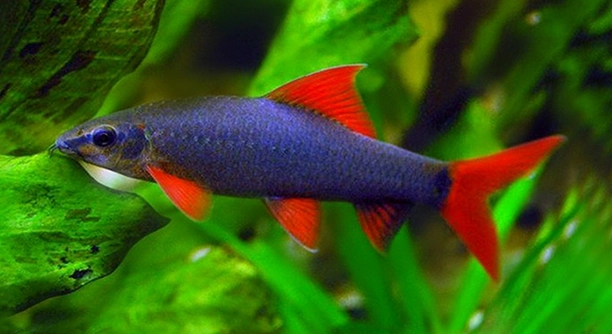
Setting up a tank for a Rainbow Shark can be rewarding, but it requires careful attention. Avoiding common mistakes is important to ensure your fish stays healthy and comfortable in its new environment. Proper setup supports a balanced aquatic habitat.
When setting up a tank for a Rainbow Shark, avoid overcrowding, improper water parameters, inadequate filtration, lack of hiding spots, aggressive tank mates, poor diet, and unstable temperature. These factors directly affect the fish’s health and behavior, requiring precise management.
Knowing what to avoid will help you create a stable and thriving tank for your Rainbow Shark. Each detail matters in supporting its well-being and longevity in captivity.
Overcrowding the Tank
Overcrowding is a common mistake when setting up a tank for a Rainbow Shark. These fish need space to swim and establish territories. If the tank is too crowded, it causes stress and aggressive behavior. Crowded tanks also lead to poor water quality because waste builds up faster. When setting up your tank, consider the adult size of your Rainbow Shark, which can reach up to six inches. A tank of at least 30 gallons is recommended for one Rainbow Shark to thrive comfortably. Adding too many fish will disturb the balance and increase the risk of illness. Always plan your tank population carefully to maintain a healthy environment for all its inhabitants.
Overcrowding affects both water quality and the behavior of your Rainbow Shark, so providing ample space is essential for their health.
Giving your Rainbow Shark enough room helps it swim freely and reduces territorial disputes. A spacious tank also makes it easier to maintain clean water and stable conditions. Keeping the right number of fish benefits everyone in the tank by creating a calm and balanced environment. When selecting tank mates, choose species that can coexist peacefully and won’t compete aggressively for space. This will make your Rainbow Shark feel secure and less stressed.
Improper Water Parameters
Maintaining proper water parameters is critical for your Rainbow Shark’s health. This species prefers slightly acidic to neutral water with a pH between 6.5 and 7.5. Temperature should be steady between 74°F and 80°F to avoid stress. High ammonia or nitrite levels are dangerous and must be avoided through regular water testing and maintenance. Rainbow Sharks are sensitive to sudden changes, so stability is more important than perfect numbers. Filtration plays a key role in keeping water clean and oxygenated. Without the right water conditions, your fish can become weak and more prone to disease. Regular monitoring and consistent adjustments will help maintain an ideal environment.
Water conditions directly influence your Rainbow Shark’s health and stress levels, making careful monitoring necessary.
Proper water balance supports your fish’s immune system and overall activity. Use a reliable test kit to check pH, ammonia, nitrite, and nitrate regularly. Changing 20-25% of the water weekly helps keep harmful substances low. Avoid drastic shifts in temperature or pH by making changes gradually. Filters should be powerful enough to handle the tank’s volume and biological load. Aeration also improves oxygen levels, which Rainbow Sharks appreciate. Being consistent with water care routines reduces the risk of illness and supports healthy growth. A well-maintained tank encourages natural behaviors and vibrant colors in your Rainbow Shark.
Inadequate Filtration
Filtration is essential to keep your tank clean and your Rainbow Shark healthy. Without proper filtration, waste accumulates quickly, leading to toxic water conditions.
A good filter removes debris, excess food, and fish waste, helping maintain stable water parameters. It also supports beneficial bacteria that break down harmful ammonia and nitrites. Choose a filter rated for your tank size, preferably one that provides both mechanical and biological filtration. A filter with adjustable flow is ideal since Rainbow Sharks prefer moderate currents. Avoid filters that create too strong a current, which can stress your fish. Regularly clean and maintain the filter to keep it working efficiently and prevent clogging, which can reduce its effectiveness.
Neglecting filtration often results in cloudy water and unhealthy fish. A properly functioning filter makes water changes easier and supports a balanced tank environment. It’s an investment in your fish’s long-term health and comfort. Keep up with filter maintenance to prevent buildup and keep your tank water clear and safe.
Lack of Hiding Spots
Rainbow Sharks need places to hide to feel secure and reduce stress. A tank without hiding spots can lead to aggressive behavior or constant hiding.
Plants, caves, and decorations provide shelter and break up the tank visually, helping your fish establish territory. Use sturdy plants like Java fern or Anubias, which tolerate your tank conditions and won’t be uprooted easily. Adding caves or PVC pipes gives your Rainbow Shark safe retreat areas. This encourages natural behavior and makes the fish less likely to be aggressive toward tank mates.
Hiding spots also provide resting places and help reduce stress, which is crucial for the fish’s immune system. Varying the layout over time can keep the environment stimulating. Avoid overcrowding the tank with decorations to ensure your Rainbow Shark has enough swimming space. Thoughtful placement of hiding spots contributes to a peaceful, healthy tank community.
Aggressive Tank Mates
Choosing aggressive tank mates leads to constant stress and possible injury for your Rainbow Shark. Avoid housing them with overly territorial or fin-nipping fish.
Peaceful, similarly sized species work best. Rainbow Sharks can become aggressive if crowded or stressed by incompatible companions.
Poor Diet
A balanced diet is crucial for Rainbow Sharks. They are omnivores, needing both plant matter and protein. Feeding only flakes or only pellets limits their nutrition.
Incorporate sinking pellets, algae wafers, and occasional live or frozen foods like bloodworms or brine shrimp. Supplement with vegetables such as blanched zucchini or peas to mimic natural grazing. Feeding small amounts twice a day prevents overfeeding and water pollution. Variety supports vibrant colors and overall health.
Unstable Temperature
Sudden temperature changes stress Rainbow Sharks and weaken their immune systems. Maintaining a steady temperature between 74°F and 80°F is important. Use a reliable heater and thermometer to monitor the tank.
FAQ
How often should I change the water in my Rainbow Shark tank?
Regular water changes are essential to keep your tank clean and your Rainbow Shark healthy. A weekly water change of 20-25% is recommended. This helps remove excess waste, toxins, and keeps water parameters stable. Avoid changing too much water at once, as sudden shifts can stress the fish. Use a gravel vacuum during water changes to clean debris from the substrate.
What size tank is best for a Rainbow Shark?
A minimum of 30 gallons is necessary for one Rainbow Shark. They grow to about six inches and need room to swim and establish territory. Larger tanks reduce stress and aggression, especially if you keep more than one fish or other species. Overcrowding causes problems with water quality and fish behavior.
Can Rainbow Sharks live with other fish?
Yes, but tank mates must be chosen carefully. Rainbow Sharks can be territorial, so avoid small or slow-moving fish that may become targets. Good companions include fast, peaceful species like danios, barbs, or larger tetras. Avoid other bottom dwellers or aggressive species to prevent conflicts.
What should I feed my Rainbow Shark?
A varied diet keeps your Rainbow Shark healthy. Offer sinking pellets or wafers as a staple, supplemented with live or frozen foods like bloodworms and brine shrimp. Include vegetables such as blanched zucchini or peas to provide fiber and mimic natural grazing. Feed small amounts twice a day and remove uneaten food to maintain water quality.
Why is my Rainbow Shark hiding all the time?
Hiding behavior often indicates stress or discomfort. Common causes include poor water quality, lack of hiding spots, or aggressive tank mates. Ensure water parameters are stable and provide adequate shelters like caves and plants. If the fish continues to hide, check for signs of illness or injury and adjust tank conditions accordingly.
How do I prevent aggression in Rainbow Sharks?
Provide enough space and hiding places to reduce territorial disputes. Avoid overcrowding and choose peaceful tank mates. Maintaining stable water conditions also lowers stress-related aggression. Feeding a balanced diet and regular tank maintenance contribute to a calm environment.
What water temperature is ideal for a Rainbow Shark?
Maintain a consistent temperature between 74°F and 80°F. Sudden changes or fluctuations outside this range can cause stress and health issues. Use a reliable heater and thermometer to monitor the tank. Keep the temperature steady for your Rainbow Shark’s well-being.
How can I tell if my Rainbow Shark is healthy?
A healthy Rainbow Shark is active, with bright colors and clear eyes. It swims freely, eats well, and shows no signs of injury or disease such as spots, frayed fins, or labored breathing. Regular observation helps detect problems early so you can take action quickly.
Is it necessary to use a substrate in the tank?
While not strictly necessary, a substrate like sand or fine gravel mimics the natural environment and supports beneficial bacteria. It also provides areas for the Rainbow Shark to explore and forage. Avoid sharp substrates that could injure the fish. Regular cleaning of the substrate is important to prevent waste buildup.
How do I set up the tank to reduce stress for my Rainbow Shark?
Provide at least 30 gallons of space with moderate water flow. Include plenty of hiding spots like plants, rocks, and caves. Maintain stable water parameters and choose peaceful tank mates. Avoid overcrowding and perform regular water changes to keep conditions optimal. This setup promotes calm and healthy behavior.
Final Thoughts
Setting up a tank for a Rainbow Shark requires careful attention to many details. Avoiding common mistakes helps ensure your fish stays healthy and happy. Proper tank size, water conditions, and suitable tank mates are all important parts of creating a good environment. Taking the time to plan and maintain the tank will save problems later and support your fish’s well-being.
It is important to remember that Rainbow Sharks need space to swim and places to hide. Overcrowding can cause stress and aggression, while a lack of hiding spots makes them feel unsafe. Maintaining stable water parameters, including temperature and cleanliness, helps prevent illness and keeps your fish active. Using a good filtration system and feeding a balanced diet also supports their health. These factors work together to create a balanced and thriving tank.
Consistency in care is key to long-term success with Rainbow Sharks. Regular water changes, monitoring water quality, and observing your fish’s behavior will help you catch issues early. Adjusting tank conditions as needed keeps your fish comfortable and reduces stress. Creating a calm and stable environment is the best way to enjoy your Rainbow Shark’s bright colors and lively personality. Following these guidelines makes caring for this fish more rewarding and manageable.

Hello,
If you enjoy the content that we create, please consider saying a "Thank You!" by leaving a tip.
Every little bit helps us continue crafting quality advice that supports the health, happiness, and well-being of pets around the world, for pets of all shapes, sizes, and species.
We really appreciate the kindness and support that you show us!