
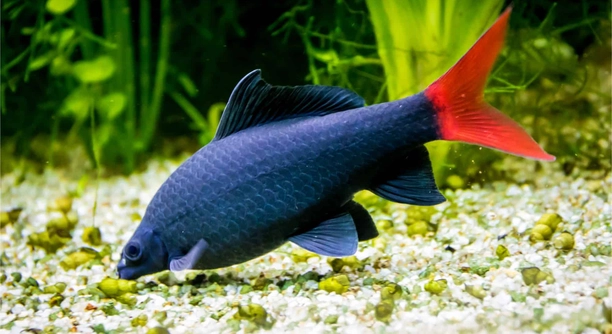
Is your rainbow shark refusing food or only eating one type of pellet? A limited diet can lead to long-term health issues for your fish. Balanced nutrition is essential for keeping rainbow sharks active and colorful.
Improving your rainbow shark’s diet starts with offering a wider variety of food, including protein-rich options like bloodworms, sinking pellets, and occasional vegetables. Ensuring proper feeding frequency and removing uneaten food also helps maintain a healthy environment.
There’s more to feeding your rainbow shark than just dropping pellets in the tank. Small changes in diet and routine can make a big difference.
Offer a Variety of Foods
Rainbow sharks do best on a mixed diet. Sticking to only flakes or pellets can lead to missing nutrients. You can easily improve their health by introducing frozen or live foods like bloodworms, daphnia, or brine shrimp. These protein-rich options help support their energy and color. Vegetables such as blanched spinach or zucchini are good additions too. Feeding small portions of different foods across the week gives better coverage of essential vitamins and minerals. Be sure to remove any uneaten food after feeding to keep the water clean. Balanced meals keep your rainbow shark more active and responsive. If your fish has been ignoring food lately, offering something new can help spark its interest. Rotation of food types also prevents boredom and keeps feeding time more engaging. Feeding variety isn’t complicated and doesn’t require a lot of money. A simple shift in what you offer can make a big difference.
Try feeding them once or twice a day and alternate between protein and plant-based items. This keeps their diet consistent but not repetitive.
Variety also means understanding what’s appropriate for your fish. Avoid giving foods too large or items that break apart and cloud the water. Frozen foods should always be thawed, and veggies need to be soft. Start small, see how your rainbow shark responds, and adjust from there. Pay attention to changes in activity or digestion. Rainbow sharks will naturally be more interested in foods that resemble what they eat in the wild. That means sticking to options that sink and are close to the tank floor, where they usually search for food. Once you find a few reliable choices, it becomes much easier to rotate meals without confusion.
Avoid Overfeeding
Feeding too much at once can cause health issues and lead to dirty water. It’s better to feed small portions and watch how much they eat.
Overfeeding is a common issue in home aquariums, especially with bottom-feeding fish like rainbow sharks. These fish may continue to eat even when they’ve had enough, which can lead to bloating or digestive trouble. Uneaten food also breaks down quickly, releasing ammonia and affecting water quality. This increases the risk of illness. To avoid this, only feed what they can finish in two minutes. If food is still sitting at the bottom, reduce the portion next time. Pay attention to their behavior after feeding—sluggish swimming or staying still more often can be signs something isn’t right. Try spacing out feedings and using a feeding schedule. A simple rule is to skip one feeding per week to give their digestive system a break. Clean feeding routines support long-term health.
Choose Sinking Foods Over Floating Ones
Rainbow sharks are bottom-dwellers, so floating food isn’t ideal. They naturally feed near the substrate, making sinking pellets and wafers a better fit. These foods stay where the fish expect to find them and reduce surface feeding stress.
Floating flakes often get ignored or remain uneaten, especially in deeper tanks. When they finally sink, they tend to scatter or dissolve, making it hard for your rainbow shark to track them. Sinking pellets, on the other hand, go straight to the bottom and stay in one place. This gives your fish a chance to eat in a natural position without rushing. Look for high-quality sinking food designed for bottom feeders—it usually contains the right mix of plant and animal protein. Try feeding at the same spot in the tank so your fish can build a consistent routine. Feeding this way also makes cleanup easier and prevents food waste.
Some rainbow sharks may take time to adjust if they’re used to floating food. Slowly switching by mixing a few sinking pellets with what they’re familiar with can help. Observe their eating habits closely during the change. If they don’t eat the new food right away, don’t worry—it can take a few days. Remove any uneaten food within 10 minutes to keep the water clean. Over time, your fish will recognize where and when to feed. You may also notice a calmer tank during feeding, as your rainbow shark won’t compete for food at the surface. Sinking options lead to more consistent eating and support better digestion.
Incorporate Fresh Vegetables
Adding fresh vegetables to your rainbow shark’s diet provides extra fiber and helps improve digestion. Use soft vegetables like blanched zucchini, spinach, or peas. These are easy to digest and give your fish a healthy mix of plant-based nutrients.
Blanching vegetables is simple—just boil them for a few minutes until soft, then cool before placing them in the tank. Avoid raw vegetables, as they’re harder to chew and may not be eaten. Cut the pieces small enough for your rainbow shark to nibble comfortably. Start by offering vegetables once or twice a week alongside their regular food. Remove any leftovers after a few hours to prevent clouding the water. Some fish may ignore veggies at first, but consistent exposure helps. You can also attach slices to a small rock or use a veggie clip to keep them in place. Fresh greens add important nutrients that store-bought pellets may lack, and they help keep your fish more active and alert.
Feed at Consistent Times
Feeding at the same time each day helps your rainbow shark feel secure. A steady routine lowers stress and encourages better eating habits. Most fish respond well to being fed in the morning or early evening.
Consistent feeding also makes it easier to track changes in appetite or behavior. You’ll quickly notice if something is off.
Use Supplements When Needed
Sometimes, regular food isn’t enough to meet all of your rainbow shark’s dietary needs. If you notice slow growth, dull color, or low energy, adding supplements can help. Look for ones made for freshwater fish that contain vitamins, minerals, or color enhancers. Liquid supplements can be added directly to the food or the tank. Gel foods with added nutrients are also a good choice and are usually easier to digest. Don’t overuse them—once or twice a week is plenty unless a vet recommends more. Supplements are useful, but they should only support a balanced diet, not replace it entirely.
Avoid Human Food
Feeding human food to rainbow sharks can cause digestive issues. Foods like bread, meat, or processed snacks are unsafe and lack proper nutrients. Stick to options made for aquarium fish.
FAQ
How often should I feed my rainbow shark?
Feed your rainbow shark once or twice a day, using small portions they can finish in two minutes. Overfeeding causes bloating and poor water quality. Skipping one feeding each week helps their digestion and keeps things balanced. Stick to a regular schedule to reduce stress and build good habits.
Can rainbow sharks eat tropical fish flakes?
They can eat flakes, but it shouldn’t be their only food. Flakes float and may not reach the bottom where rainbow sharks naturally feed. Use sinking pellets, wafers, or fresh veggies to provide a more balanced diet. Flakes can be used occasionally or as a small part of their meal.
What’s the best protein source for rainbow sharks?
Good protein options include thawed bloodworms, brine shrimp, and daphnia. These mimic what they eat in the wild and support growth and energy. You can use frozen or live versions. Alternate between them and don’t overdo it—twice a week is enough for most healthy adult rainbow sharks.
Do rainbow sharks need vegetables in their diet?
Yes, vegetables are important. Blanched spinach, zucchini, peas, or cucumber help with digestion and provide essential nutrients. Feed veggies once or twice a week. Remove any uneaten pieces after a few hours. If your fish doesn’t show interest at first, try again later—they often warm up to it over time.
How do I know if my rainbow shark isn’t eating well?
Signs include weight loss, dull coloring, or ignoring food. You might also notice more hiding or slower swimming. Check for changes in water quality, stress from other tank mates, or illness. Try offering a different food type and monitor how your fish responds during the next few feedings.
Is it okay to feed rainbow sharks live food?
Yes, but do it carefully. Live food can carry diseases, so make sure it’s from a trusted source. Rinse it well before feeding. Live food can encourage natural hunting behavior and boost activity, but it should be an occasional treat—not a regular part of the diet.
What should I avoid feeding rainbow sharks?
Avoid feeding bread, crackers, cooked meats, or anything processed. These foods are hard to digest and don’t offer the right nutrition. Also avoid overfeeding or giving them only one food type. A limited or inappropriate diet can cause long-term health issues and poor tank conditions.
Can I make homemade food for my rainbow shark?
Yes, but it takes care and planning. Use a mix of fish-safe vegetables and protein sources like shrimp or gelatin-based binders. Everything should be finely chopped and softened. Store leftovers in the freezer. Homemade food is best as a supplement to their usual commercial diet, not a full replacement.
Why is my rainbow shark ignoring new food?
It may take time to adjust. Rainbow sharks can be picky with unfamiliar foods. Try mixing the new item with something they already eat. Feed small amounts, and observe their behavior. Also check the food’s size—pieces that are too big or hard may be ignored. Patience is key.
Can poor diet affect my rainbow shark’s behavior?
Yes. A poor diet can lead to stress, aggression, sluggishness, or hiding. Without the right nutrients, their immune system weakens, and they may fall ill more easily. A balanced, varied diet helps maintain energy levels, vibrant color, and stable temperament, which all contribute to a healthier tank environment.
Final Thoughts
Taking care of your rainbow shark’s diet doesn’t need to be complicated. Small changes can have a big effect on their health and energy. By offering a mix of sinking pellets, frozen protein, and soft vegetables, you help meet their basic needs without overdoing it. Feeding at regular times helps them feel secure and gives you a chance to spot problems early. It also keeps your tank cleaner and more stable. Watching how they respond to each food helps you make better choices next time. Just like any pet, rainbow sharks depend on you to give them the right kind of care.
Rainbow sharks do best when their diet includes both animal and plant-based items. If you’ve been feeding the same thing every day, now is a good time to try something new. You don’t have to change everything at once. Start by replacing one type of food or adding a veggie once a week. If your fish doesn’t eat it right away, try again another time. Give them a chance to adjust before deciding something doesn’t work. Stick to foods made for freshwater fish and avoid feeding them anything meant for people. That includes bread, cooked meat, or leftovers. These may seem harmless, but they’re not safe and can upset your fish’s stomach.
Every fish is different, and some may be pickier than others. It helps to watch them during feeding and keep track of what works. If your rainbow shark is healthy, swimming normally, and eating regularly, you’re likely on the right track. A balanced diet supports their color, behavior, and long-term health. It also helps them deal with stress and stay active. Always remove uneaten food and keep their environment clean. If you’re ever unsure about what to feed or how much, checking with a vet or an experienced aquarist is a good idea. In the end, feeding your rainbow shark well isn’t just about food—it’s about giving them the best chance at a healthy and comfortable life.

Hello,
If you enjoy the content that we create, please consider saying a "Thank You!" by leaving a tip.
Every little bit helps us continue crafting quality advice that supports the health, happiness, and well-being of pets around the world, for pets of all shapes, sizes, and species.
We really appreciate the kindness and support that you show us!