
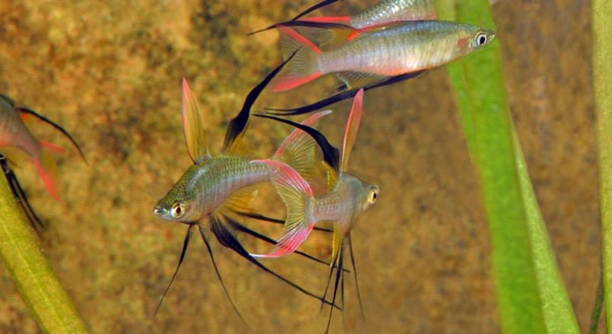
Have you ever found your Threadfin Rainbowfish acting uneasy after a small water change or tank adjustment? Slight pH shifts can cause these delicate fish to stress, making gentle acclimation an essential part of their care routine.
The best way to acclimate Threadfin Rainbowfish to slight pH differences is through slow water blending. Gradually mix small amounts of the new water into their current tank water over a period of 30 to 45 minutes, allowing them to adjust safely.
Proper acclimation ensures your Threadfin Rainbowfish remain healthy, vibrant, and stress-free as they adapt to subtle changes in their aquatic environment.
Understanding Threadfin Rainbowfish Sensitivity
Threadfin Rainbowfish are gentle, shimmering species that thrive in stable conditions. Their delicate fins and graceful nature make them sensitive to even slight environmental changes. pH shifts, even within a small range, can cause noticeable stress and behavioral changes. Maintaining a steady pH between 6.0 and 7.5 helps prevent discomfort and supports healthy coloration and activity. It’s essential to test the water regularly to ensure consistency, especially when performing water changes. Avoid using untreated tap water, as it may contain minerals or chemicals that disrupt the pH balance. Instead, always condition the water before introducing it to the tank.
This species flourishes when transitions are slow and stable. Quick pH changes can cause shock, resulting in lethargy or fin damage, so every adjustment must be gradual and monitored carefully.
A calm approach, paired with regular testing, helps your Threadfin Rainbowfish feel secure and stay healthy in their environment.
Steps for Safe Acclimation
Acclimating Threadfin Rainbowfish to slight pH changes requires patience and attention. The process involves gradual water blending, consistent testing, and maintaining stability to prevent shock. This helps the fish adjust naturally, minimizing stress and ensuring they remain active and vibrant.
Begin by placing the fish in a clean container filled with water from their original tank. Over 30 to 45 minutes, slowly add small amounts of water from the new tank every five minutes. This step-by-step method allows them to adapt safely to the pH difference. After the blending period, gently transfer the fish using a net to avoid mixing old and new water directly. Continue monitoring their behavior for the next 24 hours to confirm they’ve settled well. Always perform future water changes using the same slow technique to maintain stability. With care and consistency, your Threadfin Rainbowfish will thrive beautifully in their balanced aquatic home.
Monitoring Water Parameters
Regular monitoring is essential to keep Threadfin Rainbowfish comfortable. Sudden changes in pH, temperature, or hardness can quickly stress them. Testing the water at least twice a week helps maintain balance and prevents minor fluctuations from turning into harmful shifts.
When testing, use a reliable aquarium test kit rather than strips, as it provides more accurate readings. Note each result to track any gradual changes over time. If the pH begins to drift, adjust it slowly using natural buffers like driftwood or crushed coral, depending on the direction needed. Avoid chemical additives unless necessary, as they can cause sudden fluctuations. Consistent maintenance, including partial water changes, ensures the water remains stable and clean. Maintaining a steady environment not only supports their health but also enhances their colors and activity levels.
Balanced water parameters allow your Threadfin Rainbowfish to thrive without unnecessary stress or erratic behavior. Healthy water equals healthy fish.
Common Mistakes to Avoid
Rushing the acclimation process is a common mistake many aquarists make. Introducing Threadfin Rainbowfish too quickly to new water conditions can cause stress, shock, or illness. Always allow sufficient time for slow water blending and observe their reaction before transferring them to the main tank.
Another mistake is neglecting water consistency during routine maintenance. Even slight temperature or pH differences between replacement and tank water can harm sensitive species like Threadfins. Always prepare new water ahead of time, ensuring it matches the tank’s conditions as closely as possible. Avoid overfeeding during acclimation periods, as uneaten food can alter water chemistry and increase stress. Lastly, skipping regular testing can lead to unnoticed imbalances that gradually impact the fish. Maintaining a steady routine with patience and care prevents these issues and keeps your Threadfin Rainbowfish active, colorful, and thriving in their aquarium.
Observing Behavior During Acclimation
Watch for subtle signs of stress as your Threadfin Rainbowfish adapt. Rapid gill movement, color fading, or clamped fins often indicate discomfort. If you notice these signs, slow the acclimation process further to give them time to adjust safely.
Calm swimming and steady movement mean they’re adapting well. Avoid sudden light or temperature changes during this time, as added stress can worsen their reaction. Keep the room quiet and minimize disturbances until the fish settle completely and show normal behavior again.
Maintaining Long-Term Stability
Once your Threadfin Rainbowfish are fully adjusted, keeping their environment consistent becomes the top priority. Perform small, regular water changes using pre-conditioned water that matches the tank’s temperature and pH. Stability helps prevent future stress, disease, and color fading. Regular observation ensures quick action if any imbalance appears.
The Importance of Patience
Patience is essential when caring for Threadfin Rainbowfish. Their delicate nature requires calm, gradual adjustments to keep them safe and vibrant. Taking your time during each step guarantees their well-being and long-term comfort in a balanced aquarium.
FAQ
How long does it take for Threadfin Rainbowfish to acclimate to new water conditions?
Threadfin Rainbowfish generally take about 30 to 45 minutes to acclimate safely to new water conditions when the pH difference is slight. However, if the difference between the old and new water is greater than 0.3 pH units, the process should be extended to an hour or more. The goal is to allow gradual blending so their bodies can adjust without shock. Never rush this step, as rapid changes in pH can cause stress or even fatal reactions. Patience is essential for keeping these sensitive fish healthy.
Can I use the drip method to acclimate Threadfin Rainbowfish?
Yes, the drip method works very well for Threadfin Rainbowfish. This technique allows slow, steady introduction of new water into the container holding the fish. Use airline tubing and adjust the drip rate to about two to three drops per second. Continue until the container’s water volume has doubled, which usually takes around 45 minutes. Once done, remove half of the water and continue dripping again until it doubles once more. This ensures a smooth transition and greatly reduces the risk of pH shock.
What happens if the pH changes too quickly?
A sudden change in pH can lead to severe stress, gill irritation, or even death. Threadfin Rainbowfish have delicate systems that react quickly to environmental instability. You might notice them gasping for air, swimming erratically, or losing their vibrant color. In such cases, stop adding new water immediately and stabilize the situation by maintaining temperature and oxygen flow. Avoid sudden corrections—recovery takes time. Always test your water before and after any changes to prevent similar incidents. Prevention through gradual acclimation is the safest approach.
Should I adjust the pH directly with chemicals?
It’s best to avoid direct pH adjustment using chemicals unless absolutely necessary. These products often cause abrupt changes that harm fish rather than help. Instead, use natural methods to balance the water. Driftwood, almond leaves, and peat moss can gradually lower pH, while crushed coral or limestone gently increases it. These materials create steady adjustments over time and are much safer for Threadfin Rainbowfish. Consistency is more important than precision—slight variations are acceptable as long as they happen slowly. Always test the water before making any modification.
How can I tell if my Threadfin Rainbowfish are fully acclimated?
Once fully acclimated, Threadfin Rainbowfish display calm, fluid swimming patterns and maintain bright coloration. They interact normally with tank mates and show interest in food again. Signs of discomfort—such as hiding, gasping, or dull fins—should no longer appear. After the acclimation period, observe them for at least 24 hours to ensure continued stability. If they remain active and balanced, they have successfully adapted to the new conditions. Consistent observation afterward helps catch small imbalances early.
What should I do if the pH keeps fluctuating after acclimation?
Frequent pH fluctuations usually mean the tank lacks stability. Start by testing your water source for inconsistencies and checking your substrate, decorations, and filters. Some materials can alter pH over time. Make sure your water changes are small and frequent, rather than large and sudden. Avoid overfeeding, as decaying food increases acidity. Keep the tank clean and use buffering materials, such as crushed coral, to maintain balance. Consistency in maintenance schedules helps stabilize pH levels, creating a safer environment for your fish.
Is temperature as important as pH during acclimation?
Yes, temperature is equally important. Even if the pH difference is minor, a sudden temperature shift can stress or shock the fish. Always ensure that the water being introduced matches the tank’s temperature as closely as possible, ideally within one degree Fahrenheit. Use a reliable thermometer during acclimation to monitor both containers. Maintaining stability across temperature, pH, and hardness ensures smooth transitions and prevents unnecessary stress. When these conditions are balanced, Threadfin Rainbowfish adjust faster and remain healthier long-term.
Can I acclimate other species the same way?
The same gradual method can be used for most delicate freshwater fish, especially those from soft, neutral waters. Species like Neon Tetras, Celestial Pearl Danios, and other Rainbowfish varieties benefit from slow water blending or the drip method. However, always research each species’ specific tolerance levels. Some may adapt more easily, while others need even slower transitions. Patience and consistency are universal when it comes to successful acclimation. A careful process helps ensure the comfort and health of every fish in your aquarium.
Final Thoughts
Caring for Threadfin Rainbowfish requires patience, observation, and gentle handling. These small, graceful fish rely on stability to stay healthy and active. Even the smallest pH change can cause stress, so every adjustment should be made slowly and carefully. Consistent water testing, gradual blending, and proper conditioning are essential habits for maintaining a balanced environment. Acclimating them the right way not only protects their delicate fins and bright colors but also helps them build resilience to slight changes over time. A stable aquarium, supported by careful routine and attention, allows these peaceful fish to thrive with confidence and beauty.
Successful acclimation is about creating harmony in the tank. Threadfin Rainbowfish come from soft, slightly acidic waters, so replicating that balance at home makes a big difference in their comfort. Using natural elements like driftwood or leaves can help maintain ideal conditions without the risk of sudden changes caused by harsh chemicals. The process is simple when approached with consistency and care. It’s not about perfection but about steady improvement. Taking time to understand how pH, temperature, and hardness interact creates a stronger foundation for your aquarium’s long-term health. This approach ensures your fish remain calm, colorful, and energetic, reflecting the stability of their environment.
Owning Threadfin Rainbowfish is a rewarding experience for anyone who enjoys the quiet elegance of freshwater aquariums. Their shimmering fins and peaceful movement bring a sense of calm to any space, but their beauty depends on how well they are cared for. With thoughtful acclimation, clean water, and balanced conditions, they will continue to show their best colors and behavior. Every small effort—testing, waiting, observing—plays a role in keeping them safe and content. Once you establish a routine that respects their sensitivity, caring for them becomes second nature. A healthy tank reflects dedication, and the reward comes in watching your fish swim freely, stress-free, and full of life. In the end, patience and gentle care remain the most valuable tools in maintaining the well-being of Threadfin Rainbowfish and ensuring their long-term happiness in your home aquarium.

Hello,
If you enjoy the content that we create, please consider saying a "Thank You!" by leaving a tip.
Every little bit helps us continue crafting quality advice that supports the health, happiness, and well-being of pets around the world, for pets of all shapes, sizes, and species.
We really appreciate the kindness and support that you show us!