
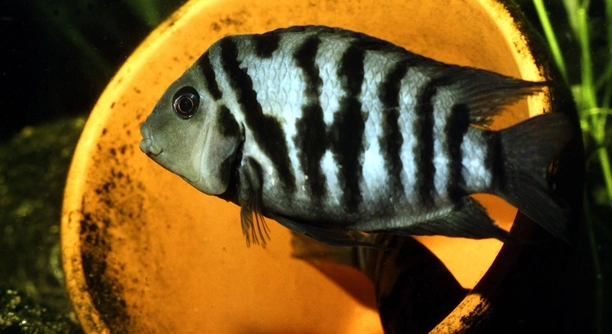
Cichlids are popular aquarium fish known for their vibrant colors and interesting behaviors. Many fish keepers enjoy watching them breed, but breeding does not happen by chance. Certain conditions need to be met for cichlids to start reproducing.
Several key factors trigger cichlid breeding, including water temperature, pH balance, availability of hiding spots, diet quality, lighting conditions, tank size, and stress levels. These environmental and care-related elements influence their readiness and willingness to reproduce.
Understanding these triggers can help you create the ideal environment for breeding success. This article will guide you through the important aspects that encourage cichlids to breed naturally.
Water Temperature and Its Role in Breeding
Water temperature is one of the most important factors that affect cichlid breeding. Most cichlids prefer warmer water, usually between 75 and 82 degrees Fahrenheit (24 to 28 degrees Celsius). When the temperature is right, it helps speed up their metabolism and signals that conditions are good for reproduction. If the water is too cold or too hot, cichlids may become stressed or inactive, reducing their chance to breed. Maintaining a stable temperature is also important, as sudden changes can disrupt their breeding behavior. Using a reliable aquarium heater and thermometer can help keep the water steady and suitable. Consistent temperature encourages spawning and helps fry develop properly after hatching, making it a key factor for successful breeding.
Warm water mimics the cichlids’ natural environment, triggering their breeding instincts and helping the eggs develop faster.
Controlling water temperature ensures your cichlids feel comfortable and ready to reproduce. It also helps maintain their health throughout the breeding process. For breeders, adjusting temperature slightly during spawning season can encourage the fish to lay eggs and care for their young. This makes temperature a simple but powerful tool in managing cichlid reproduction.
pH Balance and Water Quality
Maintaining the right pH level is essential for cichlid breeding. Most species thrive in a pH range of 6.5 to 8.0.
The acidity or alkalinity of the water affects cichlid health and breeding behavior. If the pH is outside their preferred range, it can cause stress and make breeding unlikely. Different cichlid species have different pH preferences, so it’s important to know the needs of the fish you keep. Testing the water regularly and making small adjustments with buffering agents can help maintain a stable pH. Clean water with low levels of ammonia, nitrites, and nitrates is also critical. Frequent water changes and good filtration reduce harmful substances and provide a healthy environment. Proper water quality supports egg fertilization, fry survival, and parental care. By keeping the pH balanced and the water clean, you create conditions that encourage natural breeding and increase the chances of raising healthy young fish.
Availability of Hiding Spots
Cichlids need places to feel safe when breeding. Hiding spots reduce stress and help them protect their eggs and fry.
Providing caves, plants, or rocks gives cichlids secure areas to spawn and guard their young. Without these, they may avoid breeding or become aggressive. Hiding places allow fish to establish territories and feel confident, which is important during breeding. It also prevents other fish from disturbing the eggs, increasing the chances of survival. Simple decorations or natural materials can create ideal shelters, making the tank a comfortable environment for reproduction.
Ensuring enough hiding spots mimics their natural habitat, making them more likely to breed and care for their offspring.
Quality of Diet
A healthy diet improves cichlids’ chances of breeding. Nutritious food boosts their energy and prepares them for spawning.
Feeding cichlids a balanced diet with high protein helps them build strength and encourages reproductive behavior. Foods like live or frozen brine shrimp, bloodworms, and high-quality pellets support egg production and fry development. Avoid overfeeding or poor-quality foods, as these can cause health issues and reduce breeding success. Supplementing with vitamins and minerals supports overall health and improves color, which is attractive during mating. A well-fed fish is more likely to perform courtship rituals and successfully spawn, making diet an essential part of breeding preparation.
Regular feeding routines and varied food sources create a stable environment that supports breeding activity and healthy offspring growth.
Lighting Conditions
Lighting affects cichlid breeding by signaling day and night cycles. Proper light encourages natural behavior and spawning.
Too much light can stress fish, while too little may reduce activity. Balanced lighting helps maintain a healthy environment for breeding.
Tank Size and Space
Cichlids need enough space to establish territories and feel comfortable. Crowded tanks increase stress and aggression, which can stop breeding. A tank size of at least 30 gallons is recommended for most species. Providing ample space allows pairs to interact without constant conflict. It also gives room for hiding spots and reduces competition. Larger tanks help maintain better water quality, which is crucial during breeding. Fish with enough space tend to display more natural behaviors, including courtship and egg care. Proper tank size supports both the physical and psychological needs of breeding cichlids.
Stress Levels
Keeping stress low is essential for breeding success. High stress prevents spawning and weakens fish health.
FAQ
What is the best water temperature for cichlid breeding?
Most cichlids breed well between 75 and 82 degrees Fahrenheit (24 to 28 degrees Celsius). Keeping the temperature steady within this range encourages spawning and helps fry develop. Sudden temperature changes can cause stress and delay breeding, so using a heater and thermometer is important.
How often should I test the pH for breeding cichlids?
Testing the pH once a week is a good practice. Cichlids prefer a stable pH between 6.5 and 8.0, depending on the species. Frequent testing helps catch changes early, allowing you to adjust the water before it harms the fish or stops breeding behavior.
Can I breed cichlids in a community tank?
Breeding cichlids in a community tank can be challenging. Other fish may disturb eggs or fry, and space might be limited. If you want to try, provide plenty of hiding spots and monitor behavior closely. Often, a separate breeding tank is better to protect the eggs and young.
What type of diet supports breeding?
High-protein foods like live or frozen brine shrimp, bloodworms, and quality pellets work best. These foods boost energy and improve egg quality. A varied diet with vitamins and minerals helps maintain fish health and encourages spawning.
How important are hiding spots during breeding?
Very important. Hiding spots reduce stress and give parents places to guard eggs and fry. Without secure areas, cichlids may not breed or might become aggressive. Use caves, rocks, or plants to create shelters.
How much space do cichlids need to breed?
At least 30 gallons is recommended for most cichlid pairs. More space reduces aggression and allows fish to establish territories. Overcrowding causes stress and lowers breeding chances.
How does lighting affect cichlid breeding?
Balanced lighting signals natural day and night cycles, encouraging spawning. Too much light stresses fish, while too little reduces activity. Aim for moderate light with regular on/off periods.
What signs show cichlids are ready to breed?
They become more territorial, show brighter colors, and perform courtship behaviors like chasing or cleaning surfaces. The female may prepare a site for eggs, and both fish may guard a chosen spot.
How do I reduce stress for breeding cichlids?
Keep water clean and stable, provide hiding places, avoid sudden changes in temperature or lighting, and limit disturbances. Calm environments increase the chance of successful spawning.
Can I encourage breeding by changing water conditions?
Yes, gently raising the temperature or performing water changes can simulate rainy seasons, which often trigger spawning in nature. Do this gradually to avoid stressing the fish.
What should I do if eggs are being eaten?
Try separating the parents or using a breeding tank. Some cichlids eat eggs due to stress or hunger. Providing plenty of hiding places and feeding the parents well can reduce this behavior.
How long does it take for cichlid eggs to hatch?
Usually between 2 to 7 days, depending on species and temperature. Warmer water speeds up development but must stay stable to avoid problems.
Do all cichlids care for their young?
Many cichlids show parental care, guarding eggs and fry. However, behavior varies by species. Some may protect the young actively, while others might not. Knowing your species helps prepare for care needs.
Can breeding cichlids live with their fry?
Some parents will protect fry in the tank, but others may see them as food. Providing hiding spots and sometimes separating fry can improve survival rates.
What common mistakes should I avoid when breeding cichlids?
Avoid sudden water changes, overcrowding, poor diet, and lack of hiding spots. These can cause stress, aggression, and breeding failure. Patience and stable conditions are key.
Breeding cichlids can be a rewarding experience, but it requires attention to several important factors. These fish respond to specific conditions in their environment, such as stable water temperature, proper pH levels, and good water quality. Keeping these conditions steady helps reduce stress and encourages natural breeding behavior. Providing enough space and hiding spots also plays a key role in making cichlids feel safe and comfortable. When the fish feel secure, they are more likely to display courtship behaviors and take care of their eggs and fry.
Another important aspect is feeding cichlids a nutritious diet. High-quality food rich in protein supports their health and prepares them for spawning. Overfeeding or poor-quality diets can harm their health and reduce their readiness to breed. Lighting is also a subtle but important factor. Balanced light cycles mimic natural day and night rhythms, helping cichlids maintain their normal behaviors. Avoiding sudden changes in temperature or lighting helps keep stress levels low, which is essential for successful breeding. Stress can prevent spawning and make fish more vulnerable to illness.
Successful cichlid breeding is about creating a stable and supportive environment. Patience and consistent care are important, as it may take time for the fish to feel ready to breed. Regular water testing, tank maintenance, and observing fish behavior can help identify when adjustments are needed. Each cichlid species may have slightly different needs, so learning about your specific fish can improve breeding outcomes. By paying attention to these details and meeting their needs, you can increase the chances of seeing your cichlids reproduce and raise healthy young. This careful approach makes the process more enjoyable and successful.

Hello,
If you enjoy the content that we create, please consider saying a "Thank You!" by leaving a tip.
Every little bit helps us continue crafting quality advice that supports the health, happiness, and well-being of pets around the world, for pets of all shapes, sizes, and species.
We really appreciate the kindness and support that you show us!