
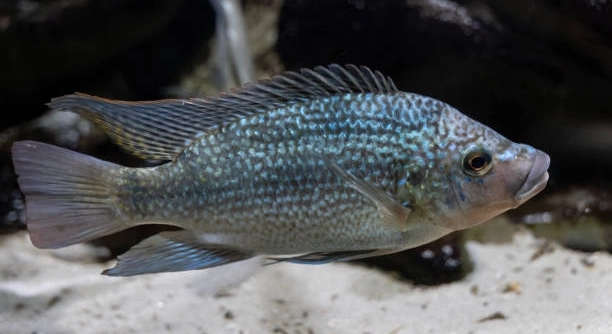
Is your cichlid spending a lot of time circling one particular rock in its tank, leaving you a bit puzzled?
The most common reason your cichlid is circling a specific rock is territorial behavior. Cichlids often claim certain areas of the tank, especially during mating or nesting periods, and will guard them with constant movement and attention.
This simple action can tell you a lot about their mood, breeding instincts, and even their comfort in the tank environment.
Common Reasons Behind the Circling Behavior
Cichlids are known for their bold and sometimes odd behaviors. Circling a rock is often tied to instinct. One of the main reasons is territory. In the wild, cichlids pick out spots to claim as their own. Rocks, caves, and plants are their favorite spots. If you notice your cichlid circling the same rock often, it’s likely trying to guard that space. Another possible reason is mating behavior. Male cichlids might clean or circle a rock to attract a female or to prepare a place for eggs. Stress can also play a role. When a fish feels unsure, it may act out with repetitive motions like circling. Keep an eye on other tank mates—aggression from others can make your cichlid act more protective. Lighting, tank layout, or even sudden changes in water quality can lead to odd behaviors.
Sometimes, this behavior is completely harmless and just part of your cichlid’s routine.
If your cichlid’s behavior seems intense or changes suddenly, it might be reacting to stress or poor tank conditions. Test your water for ammonia, nitrite, and pH levels. Make sure hiding spots are evenly spread throughout the tank to reduce competition. Watch for signs of injury or bullying.
What You Can Do About It
Keep an eye on how often the circling happens and when it began.
Try adding more rocks or decorations to break up the space and give your cichlid more areas to claim. This can ease tension and lower stress levels. If the behavior is tied to breeding, ensure there’s enough space for other fish to avoid the aggressive zones. Sometimes, rearranging the tank helps reset boundaries. Make sure tank mates are compatible in size and temperament—some species don’t mix well with cichlids. Regularly check water temperature, filtration, and oxygen levels. Providing the right environment is key. If you’ve ruled out health issues and the behavior is still very focused, your cichlid may just be expressing natural instincts. As long as the fish eats well, swims normally otherwise, and shows no signs of illness, it’s usually nothing to worry about. Every fish has its quirks, and some cichlids are simply more territorial than others.
When Circling Becomes a Concern
If your cichlid starts circling non-stop or looks frantic, it may be more than just territorial behavior. Repetitive movements paired with signs of stress—like faded color or hiding—can point to discomfort, poor water quality, or illness.
Watch for changes in how your cichlid eats, swims, or interacts with other fish. If the circling is constant and your fish is skipping meals or breathing heavily, test your water right away. Ammonia spikes, low oxygen, or high nitrites can cause stress. Also, check for signs of parasites or infection, like rapid gill movement or white spots. Any sudden change in behavior usually means something’s off. You may also want to observe whether the tank setup is too crowded. Overcrowding often leads to stress and competition. Addressing these issues early can help avoid bigger problems down the line and improve your fish’s overall health.
Use a reliable test kit and check the tank regularly. Even small changes in pH or temperature can bother sensitive fish like cichlids. If you’ve recently cleaned the tank or changed decorations, give your fish time to adjust. Sometimes, it’s a temporary reaction to disruption. However, if nothing changes and your fish seems worse, consult a fish vet or aquarium expert. It’s better to get help early than risk your cichlid getting sicker. You might also consider isolating the fish in a separate tank to monitor it closely and reduce stress from tank mates. Recovery is easier when the environment is stable and quiet.
How Environment Plays a Role
Cichlids are highly affected by their surroundings. A poor layout, sudden changes, or even loud noises around the tank can trigger stress-based behaviors like circling. Tank size, decoration placement, and hiding spots matter more than many realize.
If the tank is too small, cichlids may feel trapped and become defensive over limited space. For most medium-sized cichlids, a tank under 30 gallons isn’t ideal. Add hiding places using rocks, driftwood, or caves, and avoid placing all decorations in one spot. Spread them out so each fish can have its own zone. Also, make sure there’s enough open swimming space. Avoid harsh lighting and loud sounds near the tank, as these can make fish anxious. The goal is to create a balanced environment—enough territory to claim but also enough room to move freely. A well-thought-out tank can reduce stress, support natural behaviors, and prevent circling from becoming a sign of distress.
Signs Your Cichlid Is Defending Territory
Cichlids often chase away other fish that come near their chosen spot. You may also see them flare their fins or nip at intruders. These are clear signs they’ve claimed the area around the rock as their own.
They might also hover near the rock for long periods. Some will even move sand or gravel to build a little pit nearby. These behaviors are usually stronger if they’re getting ready to breed or if the tank has limited hiding spaces.
Breeding Behavior and Rock Circling
When breeding, cichlids often choose a rock as a nest site. Males may circle it repeatedly to clean the surface or to show off to a female. If a female joins in or stays close, this likely means mating is close. After mating, the female may lay eggs on or near the rock, and both parents might guard the area aggressively. This phase can cause a big change in behavior, including more circling, chasing, and digging. Providing flat rocks or smooth surfaces can help support this process without stress. It’s common for this to happen in pairs or even small groups, depending on the species.
When to Separate Tank Mates
If aggression becomes constant and another fish looks injured or stressed, it may be time to separate them. Use a divider or move the aggressive cichlid to a different tank.
FAQ
Why does my cichlid only circle one specific rock and ignore others?
Cichlids can get attached to one specific rock due to its location, shape, or how it fits into their idea of a safe territory. If it’s in a corner or near the bottom, that makes it easier to defend. Flat surfaces or smoother textures may also make the rock more appealing for breeding or resting. Even if you have similar rocks in the tank, your cichlid may choose just one and stay loyal to it. This is common and usually nothing to worry about unless the behavior becomes obsessive or disruptive.
Is circling behavior linked to certain cichlid species more than others?
Yes, some species show this behavior more often. African cichlids, especially those from Lake Malawi or Lake Tanganyika, are more territorial. They often dig, guard spots, and circle more actively than others. South American species, like angelfish or discus, can be territorial too, but their behaviors are usually a bit more subtle. If your cichlid belongs to a highly territorial species, circling and guarding behaviors are completely natural and often expected, especially during mating seasons or in smaller tanks.
Should I be worried if my cichlid circles all day long?
Constant circling can be a sign of stress, boredom, or a poor tank environment. It’s important to watch for other signs like not eating, hiding all the time, or signs of illness. If circling is the only thing happening and your fish looks healthy, it could just be territorial. But if the behavior is paired with other red flags, check water conditions, tank mates, and overall layout. Sometimes a small change—like adding a few more hiding spots or reducing lighting—can help reduce the circling.
Can I stop my cichlid from circling the rock so much?
You can’t always stop the behavior completely, but you can reduce how often it happens. Try rearranging the tank decorations so there’s no clear “favorite” rock. Spread out hiding spots and make sure the tank has enough space. If your cichlid is breeding, you may need to leave them alone for a while or give them more privacy. Make sure the tank is calm, the lighting isn’t too harsh, and the water is clean and well-filtered. These small changes can calm your fish and reduce obsessive behaviors.
Will circling behavior go away on its own?
It might. If it’s related to mating or territory, the behavior often fades once the eggs hatch or the fish feels less threatened. If your cichlid has picked the rock just for comfort, they might keep circling for a while, especially if no other fish challenge them for space. As long as the fish is healthy and the tank is peaceful, you usually don’t need to intervene. Just keep an eye on any sudden changes in behavior or appearance.
Is it okay to remove the rock if the behavior becomes too much?
You can, but it should be a last resort. Removing the rock may upset your cichlid even more, especially if it’s become their safe space. Instead, try adding more similar rocks or spreading out decorations. If that doesn’t work and the circling becomes obsessive or aggressive, you can remove the rock carefully and watch how the fish reacts. Always monitor for stress signs after changing their environment.
Can other fish in the tank be affected by this behavior?
Yes. If your cichlid is being territorial, it may chase or nip at other fish that swim near the rock. This can cause stress, injury, or even death in more passive tank mates. Make sure there are enough hiding spots for everyone and consider separating aggressive fish if needed. Choose tank mates that can handle a bit of cichlid energy or give them more space to avoid direct contact.
Does this behavior mean my cichlid is unhappy?
Not always. Circling a rock can be totally normal, especially in healthy, active cichlids. It can mean they’re claiming space, getting ready to breed, or simply following their instincts. The key is to look for other signs. If they’re eating, swimming normally, and not being overly aggressive or hiding, they’re likely just doing what comes naturally. But if you’re ever unsure, testing the water and reviewing the tank setup is always a good idea.
Final Thoughts
Circling behavior in cichlids is often natural and tied to their instincts. In many cases, it simply means the fish is claiming territory, preparing to breed, or feeling secure near a chosen rock. This type of behavior is very common, especially in species known for being territorial. While it may look strange or repetitive, it’s usually not a problem if the fish is healthy and active. Watching your cichlid interact with its surroundings can even be a helpful way to learn more about its habits and needs. Small behaviors like circling can tell you a lot about how comfortable a fish feels in its space.
However, it’s important to notice when circling turns into something more intense or unusual. If your cichlid starts circling all day long, stops eating, or becomes aggressive with tank mates, it may be reacting to something in the tank. Poor water quality, overcrowding, or stress from recent changes can all affect behavior. Keeping the tank clean, balanced, and calm helps support good health and reduce stress. Rearranging decorations, spreading out hiding spots, and checking for compatibility among fish can also improve things. A few small changes can make a big difference. Monitoring behavior regularly gives you a better chance of spotting a problem early.
Every fish is different. Some cichlids are more territorial or active than others, and their personalities will affect how they act. Circling a specific rock might be just one of their habits. As long as the fish looks healthy and the tank is well-maintained, it’s usually nothing to worry about. Still, staying aware of changes is a good habit. You don’t need to intervene unless the behavior becomes disruptive or is paired with other signs of stress. Being patient and giving your cichlid a stable, peaceful environment can go a long way. In time, you’ll learn what’s normal for your fish and what needs attention. Watching their behavior closely is one of the best ways to care for them well.

Hello,
If you enjoy the content that we create, please consider saying a "Thank You!" by leaving a tip.
Every little bit helps us continue crafting quality advice that supports the health, happiness, and well-being of pets around the world, for pets of all shapes, sizes, and species.
We really appreciate the kindness and support that you show us!