
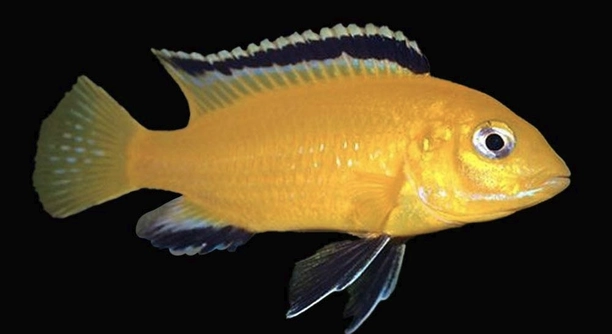
Breeding cichlids can be a rewarding experience for any fish enthusiast. It requires attention to detail and understanding of their specific needs. This article offers clear steps to help you succeed in raising healthy cichlid fry.
Successful cichlid breeding depends on creating the right environment, managing water conditions, selecting healthy breeding pairs, and providing proper nutrition. These key steps increase the chances of hatching and raising strong, vibrant offspring.
Knowing these essential steps will improve your chances of success and help you care for your cichlids through every stage of breeding.
Preparing the Breeding Tank
Setting up the right tank is crucial for successful cichlid breeding. The tank should be clean and free of chemicals. Use a tank size appropriate for the species you want to breed, generally 20 to 40 gallons. Include hiding spots like rocks or caves because cichlids need secure places to feel safe while spawning. Maintain a stable water temperature between 75 and 82 degrees Fahrenheit, depending on the species. Proper filtration and regular water changes help keep the water quality high. Avoid overcrowding the tank to reduce stress. These conditions create a comfortable environment that encourages breeding behavior. Lighting should be moderate, avoiding harsh or too dim lights. By paying close attention to tank preparation, you lay the foundation for a healthy breeding process. Keeping a calm environment around the tank also helps minimize stress for your fish.
Good water quality and tank setup support the health and breeding readiness of your cichlids, increasing your chances of successful spawning.
Many cichlid species prefer specific tank features. For example, some like flat rocks to lay eggs on, while others use caves or plants. Adjust the decor based on your species. Regular water tests to monitor pH, ammonia, and nitrate levels are essential. Cichlids thrive best in slightly alkaline water with a pH of 7.5 to 8.5. Providing stable water conditions helps reduce aggression and encourages pair bonding. Feeding a nutritious diet before and during breeding also boosts fertility. Being attentive to these details ensures the fish remain healthy and willing to reproduce. Patience is important because cichlids may take time to accept the tank and each other. Observing their behavior will guide you when they are ready to breed.
Selecting and Conditioning Breeding Pairs
Choosing healthy, mature cichlids is the first step to breeding success. Look for fish that show vibrant colors and active behavior, as these traits indicate good health. Avoid fish that appear dull, lethargic, or have visible signs of disease. Selecting a compatible male and female is important, as some species show aggression toward unrelated mates. Conditioning the pair means feeding them high-quality, protein-rich foods like live or frozen brine shrimp and bloodworms for several weeks before introducing them to the breeding tank. This improves their overall health and increases fertility. Keep the breeding pair in a separate tank to reduce stress from other fish. Once they show signs of courtship, such as cleaning a spawning site or chasing, breeding is likely to occur. Conditioning helps ensure stronger eggs and healthier fry.
Healthy, well-conditioned breeding pairs have a higher chance of successful spawning and producing viable offspring.
Conditioning also involves keeping water parameters stable and matching the natural environment as closely as possible. Temperature, pH, and hardness should be monitored regularly. Avoid sudden changes that could stress the fish or prevent spawning. Once the pair starts breeding, maintain a quiet environment and reduce external disturbances. Remove any aggressive tank mates to protect the pair and the eggs. By carefully selecting and preparing your cichlids, you increase the likelihood of a successful reproductive cycle. Observing their interactions will tell you when they are ready to breed, allowing you to provide support as needed. This attention to detail helps create a more natural and comfortable setting for your fish.
Spawning and Egg Care
Spawning usually occurs when the female lays eggs on a flat surface or inside a cave. The male then fertilizes the eggs quickly. Both parents often guard the eggs aggressively until they hatch, which typically takes 3 to 7 days.
Keeping the tank clean during this period is essential. Remove any uneaten food or debris to prevent water quality issues that could harm the eggs. Monitor the parents to ensure they are not eating the eggs, as some cichlids may do this. If necessary, consider moving the eggs to a separate hatching tank for protection. Proper care during this stage increases fry survival rates.
Watch the eggs closely for signs of fungus or damage. Using antifungal treatments can help, but be cautious with chemicals that may harm the fry. Once hatched, the parents usually continue protecting the fry until they can swim and feed on their own.
Fry Care and Feeding
Newly hatched cichlid fry rely on their yolk sacs for the first few days. Once these are absorbed, they need frequent feedings of tiny foods such as newly hatched brine shrimp or finely crushed flakes. Feeding small amounts multiple times daily supports healthy growth.
Maintaining excellent water quality is critical during this stage. Frequent water changes and gentle filtration prevent waste buildup, which can quickly harm fry. Keep the water temperature steady and avoid strong currents that may stress or injure them. Providing hiding spots like plants or breeding mops offers protection from potential threats, including overly protective parents. Careful monitoring and regular feeding help ensure the fry develop properly.
As the fry grow, gradually increase the size of their food and reduce feeding frequency. This transition helps prepare them for adult diets. Separate aggressive or slower-growing fry to avoid competition. With proper care, your fry will grow into strong, healthy adult cichlids ready for the next breeding cycle.
Monitoring Water Conditions
Maintaining stable water conditions is vital throughout the breeding process. Frequent testing of pH, ammonia, nitrite, and nitrate levels prevents harmful fluctuations. Stability reduces stress on both adults and fry, improving survival rates.
Regular water changes keep the environment clean. Use dechlorinated water to avoid toxins. Avoid sudden temperature changes, as cichlids are sensitive and may stop breeding if stressed.
Managing Aggression
Cichlids can be territorial and aggressive during breeding. Separating overly aggressive fish prevents injury and stress. Provide plenty of hiding places to reduce conflicts and allow weaker fish to escape.
Removing Parents After Fry Are Free-Swimming
Once the fry become free-swimming and begin feeding independently, removing the parents may be necessary. This step prevents adults from harming or eating the young. It also gives the fry space to grow safely without constant stress.
Using Appropriate Tank Decor
Tank decor like rocks and plants offers shelter and reduces aggression. It mimics the natural environment, encouraging normal breeding and parental behaviors. Proper decoration supports the overall health of the breeding pair and fry.
What is the best water temperature for breeding cichlids?
The ideal water temperature for breeding cichlids usually ranges between 75 and 82 degrees Fahrenheit. This range varies slightly depending on the species. Maintaining a stable temperature within this range encourages spawning behavior and egg development. Sudden fluctuations can stress the fish and reduce breeding success. Using an aquarium heater and a reliable thermometer helps keep the temperature steady. Consistent warmth mimics their natural habitat, which is important for triggering breeding instincts.
How often should I feed breeding pairs?
Feeding breeding pairs twice a day with high-quality, protein-rich foods is recommended. Live or frozen foods such as brine shrimp, bloodworms, and daphnia provide essential nutrients. Proper nutrition supports egg production and overall health. Avoid overfeeding to prevent water quality issues. Feeding smaller portions more frequently keeps the fish energized and ready for breeding without polluting the tank.
Can I breed different species of cichlids together?
It is generally not recommended to breed different cichlid species in the same tank. Most cichlids are territorial and aggressive during breeding, which can lead to fights and stress. Different species also have varying breeding requirements and behaviors. Keeping species separate ensures better control over water conditions and prevents hybrid offspring, which may not be healthy or viable.
How long does it take for cichlid eggs to hatch?
Cichlid eggs usually hatch within 3 to 7 days after spawning. The exact time depends on the species and water temperature. Warmer water tends to speed up hatching, while cooler water slows it down. During this period, parents typically guard the eggs closely, fanning them to provide oxygen and protecting them from threats.
What should I do if the parents eat their eggs?
If the parents begin eating their eggs, it may indicate stress or poor water conditions. Removing the eggs to a separate hatching tank can protect them. Alternatively, use breeding boxes or dividers to keep eggs safe while still allowing parental care. Ensuring ideal water quality, stable temperature, and a calm environment can reduce this behavior.
When should I remove the parents from the fry tank?
Parents should be removed once the fry become free-swimming and start feeding independently, usually 5 to 7 days after hatching. At this stage, adults may view the fry as competition or food and can become aggressive. Removing the parents protects the fry and gives them space to grow safely.
What kind of food should I give to cichlid fry?
Cichlid fry need very small, nutritious foods such as newly hatched brine shrimp, microworms, or finely crushed high-quality flakes. These provide the necessary protein and nutrients for healthy growth. Feeding should be frequent, around 3 to 5 times daily, with small portions to avoid polluting the water.
How important is water quality during breeding?
Water quality is critical at all stages of cichlid breeding. Poor water conditions can cause stress, disease, and death of eggs and fry. Regular testing and maintenance, including water changes and proper filtration, help keep ammonia, nitrite, and nitrate at safe levels. Stable pH and temperature also support healthy development.
Can I use chemicals to treat fungal infections on eggs?
Certain antifungal treatments are safe for cichlid eggs but should be used cautiously. Always choose products designed for aquarium use and follow dosing instructions carefully. Overuse or wrong chemicals can harm eggs and fry. Sometimes improving water quality and removing damaged eggs can reduce fungal growth naturally.
How can I reduce aggression during breeding?
Providing plenty of hiding spaces with rocks, caves, and plants helps reduce aggression by giving fish places to retreat. Separating overly aggressive individuals or using tank dividers can prevent injury. Keeping the tank environment stable and avoiding overcrowding also helps minimize stress-related aggression.
Is it necessary to simulate natural light cycles?
Simulating natural light cycles with about 10 to 12 hours of light daily encourages normal breeding behaviors. Using a timer for aquarium lights ensures consistency. Avoid sudden changes or prolonged darkness, which can stress the fish or disrupt their reproductive cycles.
What signs show that cichlids are ready to breed?
Signs include increased activity, vibrant colors, and courtship behaviors like cleaning a spawning site or chasing. Females may become rounder when carrying eggs, and males often display territorial aggression. Recognizing these behaviors helps determine the right time to introduce breeding pairs or prepare the tank.
How long does it take for fry to reach maturity?
The time varies by species but generally ranges from 6 months to 1 year. Proper care, feeding, and water quality affect growth rates. Faster growth occurs with good nutrition and stable conditions. Knowing the maturity timeline helps plan for future breeding cycles or tank space needs.
Can I keep fry with adult cichlids?
Keeping fry with adult cichlids is usually not recommended. Adults may eat or bully fry, causing injury or death. If space is limited, use breeding boxes or separate tanks to protect young fish until they are large enough to avoid predation.
How often should I perform water changes during breeding?
Frequent water changes, about 20 to 30 percent twice a week, help maintain water quality without stressing fish. Use dechlorinated water matching tank temperature and parameters. Clean water supports healthy eggs, fry, and adult fish during the sensitive breeding period.
Successful cichlid breeding requires patience, attention, and care. It is important to create the right environment, from clean water to appropriate tank setup. Maintaining stable water conditions and providing proper nutrition will support healthy fish and increase the chances of successful spawning. Observing the fish carefully throughout the process helps in identifying their needs and addressing any problems early. While breeding cichlids can sometimes be challenging, following the key steps laid out can simplify the process and lead to better results.
Understanding the behavior of your cichlids is also essential. Different species have different breeding habits and preferences. Some cichlids prefer flat surfaces to lay eggs, while others choose caves or plants. The level of parental care varies, with some species guarding their eggs and fry closely, while others may need extra help or protection. Knowing these details allows you to adjust the tank setup and care routine to best fit your fish. Providing hiding places and keeping aggression in check will protect both adults and young fish. This knowledge will also help you manage feeding schedules and decide when to separate fry from parents.
Breeding cichlids is a rewarding experience when done correctly. It requires commitment to maintaining water quality, feeding the right foods, and creating a stress-free environment. Removing the parents at the appropriate time protects the fry, allowing them space to grow and thrive. Regular monitoring and adjustments are necessary to keep conditions ideal. With practice, patience, and care, you can successfully breed cichlids and enjoy watching the entire process from spawning to raising healthy young fish. The effort put into breeding will be worthwhile, as you contribute to the health and continuation of these beautiful fish.

Hello,
If you enjoy the content that we create, please consider saying a "Thank You!" by leaving a tip.
Every little bit helps us continue crafting quality advice that supports the health, happiness, and well-being of pets around the world, for pets of all shapes, sizes, and species.
We really appreciate the kindness and support that you show us!