
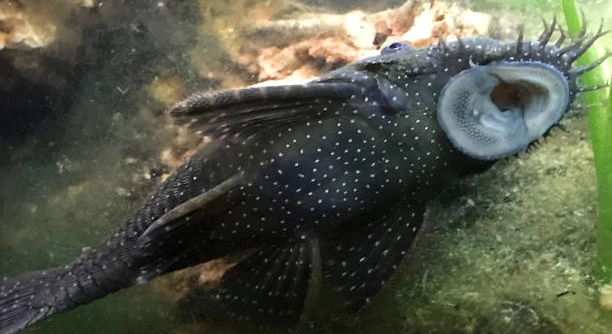
Plecos are fascinating fish that many enjoy keeping in home aquariums. They can bring life to a tank, but sometimes their behavior may signal discomfort or stress. Observing them carefully helps maintain a peaceful environment.
Several factors can make plecos feel unsafe, including lack of hiding spaces, sudden changes in water conditions, aggressive tank mates, inconsistent feeding schedules, poor water quality, overcrowding, and excessive light. Addressing these issues ensures their sense of security and well-being.
Knowing what disturbs plecos allows owners to create a calmer, healthier aquarium. These insights help maintain both the fish’s comfort and the tank’s balance.
Lack of Hiding Spaces
Plecos naturally seek shelter to feel safe, especially during the day when they prefer resting. In a tank without enough caves, driftwood, or plants, they can feel exposed and stressed. Providing multiple hiding spots allows plecos to retreat when they feel threatened or tired. Observing their movements can reveal which areas they prefer. Some plecos like larger caves, while others prefer narrow crevices. Arranging decorations carefully helps create zones where they can explore without feeling trapped. Overcrowded decorations can make hiding difficult, causing constant stress. Even small changes, like adding a piece of wood or rearranging plants, can significantly improve their sense of security. Ensuring each pleco has access to at least one personal space helps reduce aggression and competition. A tank designed with their comfort in mind encourages natural behaviors, making them more active and healthier over time.
Providing multiple hiding spots helps plecos feel more comfortable and secure, reducing stress and promoting natural activity.
Plecos are sensitive to their surroundings, and an environment that lacks privacy can make them constantly on edge. Offering a variety of hiding places supports their natural instincts, allowing them to rest safely, explore cautiously, and interact without fear. Personalizing tank spaces for each pleco ensures everyone has a spot to feel protected.
Sudden Changes in Water Conditions
Sudden shifts in temperature, pH, or hardness can alarm plecos, making them feel unsafe.
Rapid changes disrupt their comfort and can lead to stress, illness, and erratic behavior. Maintaining stable water conditions is essential.
Plecos thrive in consistent water environments. Sudden fluctuations in temperature, pH, or chemical levels can shock their system, triggering stress responses such as hiding excessively or refusing food. Even small adjustments, like adding new water without matching parameters, can create tension. Regular monitoring with thermometers, test kits, and gradual water changes helps keep conditions steady. Slowly acclimating plecos to new water or tank mates reduces stress. Stability in water quality supports their immune system and overall health. Stress from unstable conditions can also make plecos more vulnerable to disease. Prioritizing consistent parameters creates a calm habitat where plecos feel safe, allowing them to behave naturally and maintain long-term well-being.
Aggressive Tank Mates
Aggressive fish can make plecos feel threatened, causing them to hide constantly or become defensive. Keeping peaceful companions ensures they can move freely without fear or stress.
Plecos are naturally shy, and placing them with aggressive or territorial species increases stress significantly. Constant chasing, nipping, or intimidation can lead to injury or long-term behavioral changes. Even species that seem compatible may act aggressively if space is limited. Monitoring interactions helps identify any tension early. Rearranging tank decor or providing additional hiding spaces can reduce conflicts, but selecting calm tank mates from the start is always better. Plecos need an environment where they can feel safe, explore, and rest without constant threats. A carefully chosen community supports their health and natural behavior.
Providing a stable social environment allows plecos to thrive. Stress-free companions reduce fear, encourage normal activity, and support long-term well-being in the tank.
Inconsistent Feeding Schedules
Irregular feeding makes plecos anxious and unsettled, as they rely on predictable routines for comfort and security.
Plecos feel safest when they can anticipate food availability. Skipping days or varying feeding times disrupts their routine and increases stress. Overfeeding or underfeeding also harms their digestive health and behavior. Consistent meals at the same time each day establish a sense of security. Some plecos prefer grazing slowly, while others eat quickly, so observing their habits helps tailor the schedule. Providing a balanced diet of algae wafers, vegetables, and occasional protein keeps them healthy and content.
Maintaining regular feeding habits not only reduces stress but also encourages natural behaviors like grazing and exploring the tank. Predictable nutrition supports overall health, growth, and a calm temperament.
Poor Water Quality
Dirty water stresses plecos and can cause illness or lethargy. Regular testing and maintenance are essential for their safety.
Ammonia, nitrite, and nitrate spikes are harmful, even at low levels. Frequent water changes and proper filtration prevent buildup and keep plecos comfortable.
Overcrowding
Too many fish in a tank leaves plecos feeling trapped and insecure. Space is essential for their natural movement and hiding.
Plecos need room to graze, explore, and rest without competition. Overcrowding increases aggression, stress, and disease risk. Ensuring adequate tank size and limiting fish numbers creates a calmer, healthier environment, allowing plecos to thrive and display natural behaviors.
Excessive Light
Bright or constant light makes plecos anxious because they prefer dim or shaded areas.
Providing shaded zones and periods of darkness helps them feel secure and reduces stress.
FAQ
What is the best way to provide hiding spaces for plecos?
The simplest approach is to use a combination of driftwood, rocks, and plants to create natural shelters. Plecos enjoy narrow caves and shaded areas where they can retreat. Make sure each pleco has access to at least one hiding spot. Avoid overcrowding the tank with decorations, which can make navigation difficult and increase stress. Observing their behavior helps identify preferred spots. Changing the layout occasionally can keep the environment stimulating while maintaining safety. Providing multiple levels of shelter ensures plecos feel secure at all times.
How can I stabilize water conditions effectively?
Consistency is key. Use a reliable thermometer, pH test kits, and water hardness testers to monitor conditions. When performing water changes, ensure the new water matches temperature, pH, and chemical composition closely. Gradual adjustments are safer than sudden changes. Avoid adding unconditioned tap water directly, as chlorine or heavy metals can shock plecos. Regularly cleaning the filter and removing debris also maintains stability. A stable environment supports their immune system and reduces stress, allowing plecos to behave naturally. Tracking water parameters over time helps identify small fluctuations before they become harmful.
What tank mates are safe for plecos?
Peaceful species like tetras, rasboras, and corydoras usually coexist well with plecos. Avoid aggressive or highly territorial fish that may chase or nip at them. Large, slow-moving fish can be good companions if they are not overly dominant. Observe interactions carefully in the first few weeks after introducing new tank mates. Adding extra hiding spaces can reduce tension between species. Choosing compatible fish from the beginning prevents long-term stress. Remember that plecos are nocturnal, so their activity schedules may differ from other fish. Proper planning ensures a balanced, calm tank environment.
How often should I feed plecos, and what should I offer?
Feed plecos once or twice daily with a balanced diet. Algae wafers, blanched vegetables, and occasional protein supplements like shrimp or bloodworms provide proper nutrition. Avoid overfeeding, as leftover food can decay and affect water quality. Plecos often graze throughout the day, so offering small portions is better than one large meal. Monitor their eating habits to adjust the schedule. Consistent feeding helps reduce stress and supports healthy growth. Remove uneaten food after a few hours to maintain water cleanliness and prevent bacterial buildup.
What signs indicate my pleco is stressed or unsafe?
Stress can appear as excessive hiding, erratic swimming, loss of appetite, or unusual aggression. Faded coloration, clamped fins, or rapid breathing are also warning signs. Check water parameters, tank mates, and hiding spaces if stress is observed. Adjusting the environment, adding shelters, or improving water quality usually resolves issues. Early detection is important for preventing illness. Observing plecos daily allows you to notice subtle changes and respond promptly. Maintaining a calm, predictable tank environment minimizes stress and promotes long-term health.
Can lighting affect pleco behavior?
Yes, plecos prefer dim lighting or shaded areas. Excessive brightness can make them anxious and hide constantly. Providing plants, caves, or floating decorations helps create shadowed zones. A consistent day-night cycle supports their natural rhythms. Avoid leaving lights on 24/7, as this can disrupt their sleep and increase stress. Controlled lighting also encourages feeding and grazing behaviors during active periods. Adjusting light intensity gradually when making changes prevents sudden stress. Plecos feel safest when they can choose between light and shaded areas, which supports overall comfort and well-being.
How can I prevent overcrowding in a community tank?
Calculate the tank’s carrying capacity before adding new fish. Plecos need enough space for grazing and hiding, so larger tanks are better for multiple species. Avoid impulse purchases that exceed the tank’s limits. Monitor interactions closely and rearrange decorations to provide separate zones if needed. Overcrowding can increase aggression, stress, and disease risk, so maintaining proper density is crucial. Planning the tank layout and fish population ahead of time ensures plecos remain secure, active, and healthy. Rotating decorations or hiding spots can also reduce tension in shared spaces.
What maintenance routine keeps plecos safe and comfortable?
Regular water changes, filter cleaning, and monitoring of water parameters are essential. Remove uneaten food and debris to prevent toxins. Inspect the tank for sharp objects or overcrowded areas that could harm plecos. Schedule consistent feeding times and maintain stable lighting. Observing pleco behavior daily helps catch potential issues early. A predictable routine fosters a secure environment, allowing plecos to thrive naturally. Gradual changes to the tank, rather than sudden adjustments, minimize stress and support their overall health and sense of safety.
Final Thoughts
Plecos are delicate and sensitive fish that rely heavily on their environment to feel safe and secure. Their well-being is shaped by the tank’s layout, water conditions, lighting, and the presence of other fish. Even small changes in any of these factors can make them uneasy or stressed. Providing sufficient hiding spots is one of the most important steps in creating a comfortable habitat. Caves, driftwood, plants, and shaded areas allow plecos to rest and retreat when needed. Observing their behavior closely can help identify areas that may need adjustment, ensuring they have spaces to explore without feeling threatened. Over time, a well-designed tank encourages natural behaviors like grazing, resting, and interacting peacefully with tank mates.
Maintaining stable water conditions is also critical to keeping plecos healthy and secure. Sudden fluctuations in temperature, pH, or water hardness can create stress, affect feeding habits, and even compromise their immune system. Regular testing and gradual water changes help maintain stability. In addition, feeding schedules should be consistent to support their routine and prevent anxiety. Overfeeding or underfeeding can negatively impact water quality and their overall health. Choosing calm and compatible tank mates reduces stress from aggression or territorial behavior. Plecos need a predictable, stable environment where they can feel protected, have access to food, and navigate their surroundings without fear.
Other factors, such as proper lighting and adequate space, also play a role in their comfort. Bright or constant light can make plecos anxious, so shaded areas and consistent day-night cycles help them feel secure. Overcrowding in the tank increases stress and can lead to competition for resources, which further affects their sense of safety. By considering each of these factors carefully, owners can create a supportive environment where plecos thrive. Attention to detail in tank design, feeding routines, and water maintenance fosters not only physical health but also emotional well-being. With thoughtful care and observation, plecos can display their natural behaviors, remain active, and enjoy a peaceful, stress-free home.

Hello,
If you enjoy the content that we create, please consider saying a "Thank You!" by leaving a tip.
Every little bit helps us continue crafting quality advice that supports the health, happiness, and well-being of pets around the world, for pets of all shapes, sizes, and species.
We really appreciate the kindness and support that you show us!