
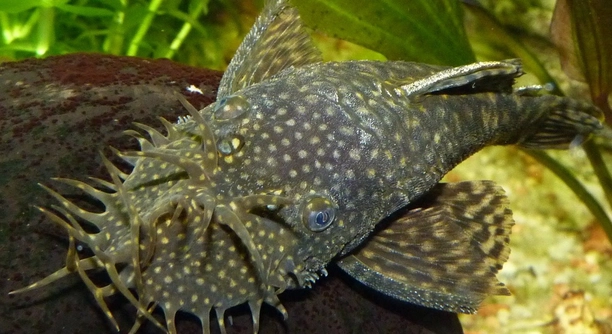
Bristlenose plecos are popular freshwater fish known for their algae-eating habits and unique bristled appearance. Many aquarium enthusiasts focus on water conditions, diet, and tank setup to ensure these fish remain healthy and active.
Bristlenose plecos thrive in slightly cooler water within a range of 73°F to 78°F. Maintaining temperatures at the lower end of their tolerance can reduce stress, improve oxygen levels, and support overall health and longevity in a home aquarium environment.
Learning how temperature preferences influence their behavior and wellbeing can improve tank management and keep plecos healthy for years.
Ideal Temperature for Bristlenose Plecos
Maintaining the right water temperature is essential for bristlenose plecos. These fish do best in cooler, stable conditions ranging from 73°F to 78°F. Temperatures above this range can stress them, reduce their appetite, and make them more susceptible to disease. Cooler water encourages natural behavior, including more active feeding and better algae grazing. Sudden temperature changes should be avoided, as plecos are sensitive to fluctuations. Using a reliable aquarium thermometer helps ensure consistency. In addition to temperature, water quality matters. Regular partial water changes and monitoring pH levels between 6.5 and 7.5 create a healthy environment. Decorations like driftwood provide hiding spots, which plecos use to feel secure. Observing their behavior daily can indicate if conditions are comfortable. Healthy plecos show steady growth, vibrant coloration, and regular movement across the tank surfaces. Paying attention to these details ensures the fish live longer and remain stress-free in their habitat.
Maintaining cooler water consistently can improve oxygen levels and support overall health. Small changes make a noticeable difference.
Consistently keeping water in the preferred range encourages bristlenose plecos to display natural behaviors. They become more confident exploring the tank, grazing algae, and interacting with their environment. Avoiding extreme heat prevents stress-related illness and ensures digestive efficiency. Hiding spaces and driftwood in the tank complement the cooler temperature, providing security. Careful observation of appetite, activity, and appearance helps identify any potential issues early. Proper temperature combined with clean water and adequate nutrition ensures plecos grow steadily and maintain vibrant bristles. Even minor improvements in tank management, like gradual acclimation or monitoring equipment, enhance their overall wellbeing and longevity.
Signs Plecos Prefer Cooler Water
If bristlenose plecos appear sluggish or hide excessively, temperature may be a factor. Adjustments can make them more active and content.
Plecos in slightly cooler water often feed consistently, explore the tank, and exhibit natural bristle growth. Proper temperature enhances immunity, reduces stress, and encourages regular behavior. Monitoring these signs helps create optimal conditions. Continuous care ensures their health and supports long-term vitality.
Adjusting Tank Temperature
Gradually lowering water temperature helps bristlenose plecos adjust without stress. Sudden changes can shock them, causing hiding or loss of appetite. Small, incremental adjustments over days are safest.
Using an aquarium heater with a reliable thermostat makes controlled cooling easier. Monitoring temperature daily ensures it stays within 73°F to 78°F. Adding floating plants or shading the tank can naturally reduce heat. Avoid placing the aquarium near direct sunlight or heating vents. Consistency is key, as plecos respond better to stable conditions than frequent fluctuations. Observing behavior during adjustment shows whether they are comfortable. Healthy plecos remain active, feed regularly, and show normal bristle development.
Along with temperature, water movement and oxygenation matter. Cooler water holds more oxygen, benefiting plecos and tank mates. Ensuring gentle filtration maintains water quality without creating strong currents. Driftwood and hiding spots reduce stress and provide natural grazing areas. Regular checks on pH, ammonia, and nitrate levels complement temperature adjustments. The combination of stable temperature and clean water promotes growth, vitality, and natural behavior. Tracking changes over time allows fine-tuning for ideal conditions, keeping plecos active and thriving.
Seasonal Temperature Changes
Seasonal shifts can affect tank temperature, impacting pleco behavior and health. Monitoring is necessary to prevent stress during warmer months.
Using fans, heaters, or adjusting room placement helps maintain stable temperatures. Bristlenose plecos prefer gradual, small changes over sudden shifts. Ensuring water remains within 73°F to 78°F reduces risks of illness and inactivity. Observing appetite, bristle condition, and activity level provides insight into comfort. Even minor adjustments in equipment, like a more precise thermostat, can make a noticeable difference. Seasonal care requires diligence but supports long-term health and proper behavior in plecos, keeping them comfortable throughout the year.
Monitoring Pleco Behavior
Bristlenose plecos often show clear signs when water is too warm. Reduced activity, hiding more than usual, and less frequent feeding indicate stress. Watching these behaviors helps identify if temperature adjustments are needed.
Changes in bristle appearance or coloration can also signal discomfort. Healthy plecos have vibrant bristles and consistent movement. Regular observation ensures any issues are addressed early, keeping the tank environment safe and comfortable.
Using Thermometers Effectively
Reliable thermometers are essential for keeping water within the preferred 73°F to 78°F range. Digital or glass thermometers should be placed away from heaters and direct sunlight. Checking readings multiple times daily allows accurate monitoring. Consistency helps plecos maintain natural behavior and reduces stress. Regular verification prevents unnoticed fluctuations that could impact health.
Combining Temperature with Water Quality
Water quality and temperature are linked. Cooler, clean water holds more oxygen and reduces harmful bacteria growth. Regular partial water changes and filtration help maintain stability. Consistent conditions support natural feeding patterns and overall pleco wellbeing, ensuring a balanced and healthy environment.
Observing Long-Term Effects
Long-term observation reveals how plecos respond to cooler water. Noting activity, growth, and bristle condition over weeks helps optimize tank care. Consistency improves longevity and maintains their health effectively.
FAQ
Do bristlenose plecos need a heater in their tank?
Bristlenose plecos can tolerate slightly cooler water, but a heater is helpful to maintain a stable temperature, especially in rooms that fluctuate with seasons. A stable environment reduces stress, prevents illness, and encourages normal feeding and activity. Using a reliable thermostat ensures the temperature stays within 73°F to 78°F.
What happens if the water is too warm for plecos?
Warm water decreases oxygen levels and can stress plecos. They may hide more, eat less, or become sluggish. Prolonged exposure to high temperatures can lead to illness or compromised immune function. Observing behavior and adjusting the environment promptly helps prevent these issues.
Can plecos survive at lower temperatures than recommended?
Bristlenose plecos tolerate slightly cooler water, but extreme cold slows their metabolism, making them less active and reducing appetite. Long-term exposure to temperatures below 70°F can lead to stress and vulnerability to disease. Gradual adjustments are safer if lowering the temperature is necessary.
How can I tell if my pleco prefers cooler water?
Active feeding, consistent movement, and normal bristle growth indicate comfort. If plecos remain visible and graze algae regularly, the temperature is likely within a suitable range. Hiding, lethargy, or irregular bristle appearance may signal that adjustments are needed.
Is water quality more important than temperature?
Both are important, but temperature affects metabolism, activity, and oxygen levels, while water quality affects overall health. Maintaining clean, oxygenated water along with stable temperatures ensures plecos grow well and remain active. Regular testing of pH, ammonia, and nitrate levels complements temperature management.
Can plecos adapt to room temperature fluctuations?
Small, gradual fluctuations are manageable, but sudden changes can stress plecos. They respond better to consistent conditions, so monitoring room temperature and adjusting equipment is essential. Seasonal care, like fans in summer or heaters in winter, can help stabilize conditions.
Should I adjust the temperature gradually?
Yes. Sudden changes can shock plecos, leading to hiding or loss of appetite. Small, incremental adjustments over several days allow them to acclimate safely. Observing behavior during this process ensures they remain comfortable and healthy.
Do plecos need cooler water year-round?
They thrive in slightly cooler water consistently, but the exact temperature can be adjusted within their preferred range. Cooler water during warmer months is more critical to prevent stress, while maintaining stability year-round promotes natural behavior and overall health.
How do I combine temperature control with hiding spaces?
Driftwood, rocks, and other hiding spots provide security and complement cooler water. Plecos feel safer and display natural grazing behavior when they have cover. Combining stable temperature and hiding areas reduces stress and supports proper growth and bristle development.
What are signs of long-term stress from improper temperature?
Lethargy, poor feeding, dull bristles, and stunted growth indicate prolonged stress. These signs suggest the need for both temperature adjustments and attention to water quality. Consistent monitoring ensures plecos remain active, healthy, and display natural behaviors over time.
Can I use fans or shading to reduce water temperature naturally?
Yes. Fans, shading, or adjusting aquarium placement can lower water temperature slightly. These methods help during hot seasons but should be combined with monitoring to avoid rapid fluctuations. Gradual and controlled changes keep plecos comfortable.
How often should I check the temperature?
Daily monitoring is best. Checking multiple times a day during seasonal changes ensures the water remains stable. Using a reliable thermometer with a consistent spot in the tank helps track any fluctuations accurately. Regular observation complements overall tank maintenance.
Do plecos grow better in cooler water?
Stable, slightly cooler water supports healthy metabolism and feeding habits. Plecos are more active, graze algae regularly, and maintain vibrant bristles. While extreme cold slows growth, maintaining temperatures within the recommended range promotes proper development and long-term health.
Can temperature affect breeding in plecos?
Yes. Cooler, stable water encourages normal reproductive behavior. Sudden temperature changes or prolonged heat can delay spawning or stress breeding pairs. Maintaining ideal conditions, combined with proper hiding spaces, improves the likelihood of successful breeding.
What equipment helps maintain proper temperature?
Heaters with thermostats, aquarium thermometers, and fans for seasonal adjustment are effective. Digital thermometers provide precise readings. Monitoring multiple points in the tank ensures consistency. Proper equipment reduces stress and keeps plecos comfortable year-round.
Are there risks of using a heater incorrectly?
Yes. Overheating or placing the heater near a surface that blocks water flow can create hot spots. These conditions stress plecos and may lead to illness. Using a thermostat and checking the thermometer regularly prevents such problems.
How do I ensure oxygen levels remain adequate in cooler water?
Cooler water holds more oxygen naturally, but filtration and gentle water movement are essential. Air stones or sponge filters increase aeration without creating strong currents, helping plecos stay active and healthy. Regular observation ensures oxygen levels remain sufficient.
Can other tank conditions impact temperature preferences?
Yes. High light, strong currents, or crowded tanks can affect comfort levels. Cooler water combined with appropriate hiding spaces, moderate flow, and balanced stocking ensures plecos remain stress-free and exhibit natural behaviors consistently.
Is there a difference in temperature preference between adult and juvenile plecos?
Juveniles are slightly more sensitive to fluctuations and require stable conditions for growth. Adults tolerate minor changes better but still benefit from consistent temperatures. Observing feeding, activity, and bristle development helps adjust the tank for both age groups.
How long does it take for plecos to adjust to cooler water?
Gradual adjustments over several days to a week are safest. Rapid changes can stress plecos, affecting appetite and activity. Monitoring behavior and bristle condition during this period ensures they acclimate comfortably without health issues.
What daily practices help maintain optimal temperature?
Checking thermometers, observing pleco behavior, monitoring water quality, and adjusting heaters or shading as needed are effective. Small, consistent practices prevent stress and support long-term health, keeping plecos active and comfortable year-round.
Do plecos respond immediately to temperature changes?
Behavior changes may be noticeable within hours, such as hiding or reduced feeding. Long-term effects, like growth or bristle health, take weeks. Observing both short- and long-term responses ensures proper tank management and pleco wellbeing.
Can I use temperature to encourage algae grazing?
Yes. Maintaining slightly cooler, stable temperatures keeps plecos active and encourages regular algae grazing. Combined with driftwood and hiding spots, temperature management promotes natural feeding behavior and overall tank balance.
How important is consistency compared to exact temperature?
Consistency is more critical than minor deviations. Plecos tolerate small fluctuations as long as changes are gradual. Frequent, sudden shifts are more stressful than minor variations, so maintaining stable conditions ensures comfort, activity, and health over time.
Do plecos need different temperatures with tank mates?
Compatibility matters. If other species require warmer water, adjust gradually to a range that accommodates all fish without causing stress. Observing interactions and behavior ensures all species remain healthy while maintaining suitable temperature for plecos.
How does temperature affect disease resistance?
Stable, slightly cooler water improves immune function. Stress from high or fluctuating temperatures reduces resistance to infections. Maintaining proper conditions supports natural defense mechanisms and reduces the likelihood of disease outbreaks in the tank.
What is the best way to combine temperature control with feeding schedules?
Maintain stable temperatures before and after feeding to support digestion and appetite. Cooler water encourages steady metabolism, helping plecos graze consistently. Observing eating habits ensures the tank conditions align with their natural behavior and dietary needs.
Can temperature adjustments improve pleco coloration?
Yes. Proper, stable temperatures support metabolism, activity, and bristle development, which enhances overall appearance. Overly warm or fluctuating water can dull coloration, while stable cooler water encourages vibrant, healthy plecles over time.
How often should I replace equipment to maintain temperature?
Heaters and thermometers should be checked regularly for accuracy. Replacement depends on age and performance. Reliable, functional equipment ensures consistent temperature, preventing stress and supporting long-term health and natural behavior.
Are plecos more active in cooler water?
Yes. Slightly cooler, stable water encourages grazing, movement, and exploration. Activity levels drop in warmer or unstable conditions, so maintaining proper temperatures ensures plecos remain lively and exhibit natural behavior consistently.
Can adjusting temperature help plecos recover from illness?
Maintaining optimal temperatures reduces stress and supports immune function, aiding recovery. Gradual adjustments, combined with clean water and proper nutrition, provide an environment that promotes healing and prevents further complications.
What signs indicate the temperature is ideal for plecos?
Active feeding, regular grazing, bright bristles, and exploration of the tank indicate ideal conditions. Hiding occasionally is normal, but consistent activity and growth show the temperature is comfortable and supportive of overall wellbeing.
How does light affect temperature management for plecos?
Strong lighting can raise water temperature. Adjusting light intensity, duration, or positioning helps maintain stable conditions. Cooler water combined with appropriate light supports natural behavior, feeding, and health without causing stress.
Can temperature affect pleco lifespan?
Yes. Stable, suitable temperatures reduce stress and disease risk, promoting longevity. Proper tank management, including temperature control, water quality, and hiding spaces, supports overall health and natural growth, allowing plecos to live longer, healthier lives.
How do I balance multiple factors for pleco comfort?
Combine stable temperature, clean water, hiding spaces, moderate flow, and appropriate tank mates. Regular observation of feeding, activity, and bristle development ensures plecos remain stress-free, healthy, and display natural behavior consistently.
Final Thoughts
Bristlenose plecos are fascinating fish that respond strongly to their environment, especially water temperature. Maintaining stable conditions in the tank is one of the most important factors in keeping them healthy and active. Slightly cooler water within the recommended range of 73°F to 78°F encourages natural behaviors like grazing algae, exploring hiding spaces, and steady growth. These fish are sensitive to sudden changes, so careful monitoring of the water and using reliable equipment can prevent stress and illness. Observing daily behavior provides valuable insight into their comfort levels. Active, feeding plecos with vibrant bristles usually indicate that the tank is well-maintained, while lethargy or hiding can signal a need for adjustments. Paying attention to these small signs ensures that plecos live longer and maintain better overall health. Consistency is key, as even minor fluctuations in temperature or water quality can have noticeable effects on their behavior and wellbeing.
Temperature management should always be combined with other aspects of tank care. Clean water, appropriate filtration, moderate water flow, and hiding spaces all contribute to a stable and comfortable environment. Cooler water naturally holds more oxygen, which benefits plecos and other tank inhabitants. Driftwood, rocks, and plants provide places for plecos to feel secure and encourage natural grazing behavior. Regular water testing for pH, ammonia, and nitrate levels helps ensure the environment remains balanced. Seasonal changes in room temperature may require adjustments using heaters, fans, or shading to maintain stability. Gradual adjustments are safer than rapid changes, preventing stress and supporting a steady metabolism. Observing how plecos respond to these adjustments over time helps optimize their living conditions. Over weeks or months, careful management of these factors promotes consistent activity, proper growth, and healthy bristle development.
Understanding the relationship between water temperature and pleco behavior allows for more effective aquarium management. Cooler, stable water reduces stress, supports immune function, and encourages natural feeding patterns. When plecos are comfortable, they remain more active, feed regularly, and display their characteristic bristles fully. Attention to both temperature and water quality ensures that long-term health and longevity are maintained. By observing signs like appetite, activity, and bristle condition, it becomes easier to identify when conditions need adjustment. Even small improvements in daily care can have a lasting impact, keeping plecos happy and thriving. Combining temperature control with proper tank setup, hiding spaces, and regular maintenance creates an environment that mimics their natural habitat, supporting both physical health and natural behavior. Over time, consistent management builds a tank environment where bristlenose plecos can live comfortably and display their full vitality.

Hello,
If you enjoy the content that we create, please consider saying a "Thank You!" by leaving a tip.
Every little bit helps us continue crafting quality advice that supports the health, happiness, and well-being of pets around the world, for pets of all shapes, sizes, and species.
We really appreciate the kindness and support that you show us!