
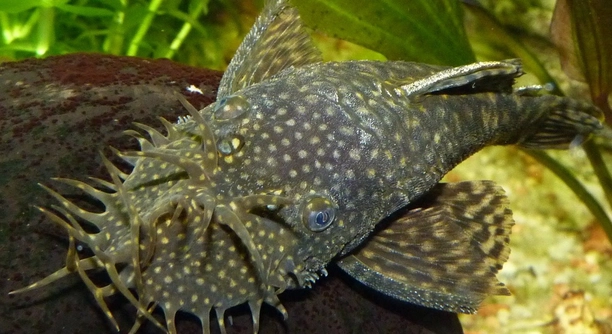
Do you ever notice your pleco nibbling on the plants in your aquarium more than usual? Observing this behavior can be surprising, especially when you have carefully chosen and maintained live plants in its tank environment.
Plecos chew on plants primarily due to dietary needs, boredom, or environmental stress. Providing adequate nutrition, variety in diet, and a well-structured habitat can significantly reduce destructive plant-feeding behaviors in these freshwater fish.
Understanding why your pleco interacts with plants this way helps maintain a healthy tank and happier fish for the long term.
Understanding Your Pleco’s Diet
Plecos are often thought of as plant eaters, but their diet is more varied than many people realize. They naturally consume algae, detritus, and occasional protein sources in the wild. When live plants are added to the aquarium, plecos may chew on them to supplement their nutrition. A diet lacking in fiber, vegetables, or specialized sinking pellets can lead to increased plant nibbling. Some plecos enjoy softer leaves more, like those of Amazon swords or water lettuce, because they are easier to digest. Providing vegetables like zucchini, cucumber, or spinach can satisfy their need for greenery without harming prized aquarium plants. It’s also important to maintain a feeding schedule and ensure food reaches the bottom of the tank where plecos spend most of their time. Observing how your pleco interacts with different foods can help you balance its diet effectively, reducing unnecessary plant damage and keeping it healthy.
A proper diet with sufficient fiber and nutrients can minimize unwanted plant chewing. Fresh vegetables or prepared pellets are ideal.
Introducing dietary changes gradually ensures your pleco adapts without stress or digestive issues. Overfeeding or sudden diet shifts may cause other health problems, so small, consistent adjustments are best. By paying attention to its preferences, you can create a routine that keeps the pleco satisfied. Regular monitoring helps prevent both plant destruction and nutritional deficiencies, making your aquarium more balanced and enjoyable.
Tank Environment and Plant Choice
The setup of your aquarium influences how your pleco interacts with plants. A tank with hiding spots, driftwood, and smooth decorations reduces stress-related nibbling.
Plecos are territorial and may chew plants when stressed, overcrowded, or bored. Choosing hardy plant species that withstand nibbling, like Java fern or Anubias, helps maintain the tank’s appearance. Driftwood not only offers hiding spaces but also provides natural fiber that plecos scrape and consume. Water conditions also play a role; unstable pH, temperature swings, or poor filtration can increase plant-chewing behavior. Observation is key—notice which plants your pleco targets and adjust the setup accordingly. Some plecos prefer certain textures or leaf types, so placing sensitive plants in less accessible areas protects them. Incorporating enrichment like caves, rocks, and consistent feeding routines reduces stress and promotes natural behavior. By aligning tank environment with dietary needs and plant selection, you can maintain a balanced, healthy aquarium while minimizing damage to plants.
Signs Your Pleco is Overeating Plants
Excessive plant nibbling often indicates that your pleco’s diet is unbalanced or insufficient. Monitoring its behavior and the condition of your plants can reveal if adjustments are needed.
Overeating plants can lead to damage in the aquarium, such as torn leaves and uprooted stems. If plecos target specific plants repeatedly, it may signal a lack of fiber or vegetables in their diet. In some cases, boredom can contribute, especially in tanks with little enrichment. Observing when and how your pleco feeds helps identify whether the behavior is dietary, environmental, or stress-related. Offering supplemental foods like algae wafers or blanched vegetables reduces the need for plant consumption and keeps both your fish and plants healthier.
Some plecos may chew plants even when fully fed. Recognizing patterns and preferences allows you to adjust both diet and tank layout, protecting delicate plants. Providing alternative foods and hiding spaces encourages natural behavior while minimizing plant damage. A combination of diet, enrichment, and careful plant choice is key to maintaining a balanced aquarium environment.
Managing Plant Damage
Choosing hardy plant species can reduce visible damage. Java fern, Anubias, and Amazon swords are more resistant to nibbling.
Placement matters as well; floating plants or plants anchored in dense areas are less likely to be destroyed. Supplementing diet with vegetables like zucchini, cucumber, or peas decreases the need for plant chewing. Maintaining stable water conditions and tank enrichment, including driftwood and caves, encourages natural behavior and reduces stress-related nibbling. Keeping track of which plants are affected most allows targeted protection or relocation, ensuring your aquarium remains visually appealing. Combining plant choice, diet, and environment management supports both the pleco’s health and the longevity of your plants.
Encouraging Natural Behavior
Providing driftwood and rocks gives plecos surfaces to graze on instead of plants. It also satisfies their natural scraping instincts.
Hiding spots and caves reduce stress and help plecos feel secure. When they feel safe, they are less likely to target delicate plants unnecessarily.
Adjusting Feeding Habits
Feeding plecos smaller portions multiple times a day keeps them satisfied and reduces plant nibbling. Blanched vegetables like zucchini, spinach, or cucumber are ideal supplements. Algae wafers or sinking pellets provide essential nutrients and fiber, ensuring plecos meet their dietary needs without damaging the aquarium’s plants. Monitoring feeding times and portions allows you to maintain a balanced diet while keeping plant destruction to a minimum. Consistent feeding routines also promote healthier behavior, encouraging your pleco to interact naturally with its environment.
Observing Plant Preferences
Noticing which plants are targeted helps you plan placement and protective measures. Some plecos favor softer leaves over tougher species.
FAQ
Why is my pleco chewing plants even though it eats pellets?
Even if your pleco receives commercial pellets, it may still chew plants to satisfy natural grazing instincts. Plecos are bottom feeders that scrape surfaces in the wild. Soft or tender leaves provide variety in texture and fiber, which pellets alone may not fully replicate. Providing vegetables like zucchini or spinach helps reduce this behavior.
Can plecos damage all types of plants?
Not all plants are equally affected. Soft-leaved species like Amazon swords and water wisteria are more prone to nibbling. Hardy plants such as Java fern, Anubias, or crypts are tougher and usually survive pleco interactions. Floating plants can also limit access, keeping delicate plants safe.
Does boredom cause plant chewing?
Yes. Plecos are intelligent and curious. Without enrichment, they may chew plants simply to occupy themselves. Adding caves, driftwood, and rocks provides stimulation and surfaces for scraping that mimic natural behavior, reducing plant damage.
How can I prevent plant damage without changing my pleco’s diet?
Tank setup plays a key role. Place sensitive plants in corners or behind decorations. Use floating plants as barriers and add driftwood to satisfy grazing needs. Proper hiding spots and territorial zones reduce stress-related nibbling. Consistent water conditions also help maintain calm behavior.
How often should I feed my pleco vegetables?
Offering vegetables two to three times a week is usually sufficient, depending on size and species. Blanched zucchini, cucumber, spinach, or peas provide fiber and nutrients. Observing your pleco’s consumption ensures portions are appropriate and that plants remain largely untouched.
Do plecos eat live plants because of poor water quality?
Sometimes. Poor water conditions can stress plecos, prompting them to chew plants. Stable temperature, proper pH, and efficient filtration reduce stress and decrease destructive behaviors. Regular water testing and maintenance support a healthy environment and reduce unwanted nibbling.
Will adding more pellets stop plant chewing completely?
Not always. Overfeeding pellets can cause obesity or water quality issues. Plant chewing is partly instinctual. Supplementing diet with fresh vegetables and offering grazing surfaces like driftwood is a better strategy than relying solely on pellets.
Can plecos destroy roots or just leaves?
Typically, plecos focus on leaves, but persistent nibbling can damage stems and uproot small plants. Observing their behavior allows for targeted protection, such as anchoring plants or rearranging the tank to keep delicate species out of reach.
Does the size or species of pleco affect plant chewing?
Yes. Larger species and those with more aggressive tendencies can cause more damage. Common plecos are notorious for nibbling, while smaller species may be less destructive. Tailoring plant selection and tank enrichment to your specific pleco species helps protect your aquarium.
What are signs that my pleco is stressed versus just hungry?
Stress behaviors include hiding excessively, erratic swimming, or increased aggression toward tank mates. Chewing plants out of stress may coincide with these behaviors. Hunger-driven nibbling usually occurs after meals or when alternative foods are scarce. Monitoring overall behavior helps determine the cause.
Is it safe for plecos to eat all plant types?
No. Some plants can be toxic or treated with fertilizers that are harmful to fish. Stick to safe aquarium plants and edible vegetables. Avoid plants from outside the aquarium without proper cleaning, as pesticides or contaminants may pose risks.
How can I balance plant health and pleco diet long-term?
A combination of hardy plants, selective placement, supplemental vegetables, and enrichment creates balance. Observing plant preference, feeding routines, and environmental conditions ensures both pleco satisfaction and plant survival. Consistent monitoring and gradual adjustments are key to maintaining a thriving aquarium.
This FAQ addresses common concerns while offering practical solutions. Keeping a healthy, enriched environment minimizes plant chewing and supports your pleco’s natural behavior, making care more manageable and enjoyable.
Word count: 515
Final Thoughts
Taking care of a pleco involves more than just feeding it and cleaning the tank. These fish have natural instincts that influence their behavior, including chewing on plants. Understanding why your pleco nibbles on leaves is important for maintaining a balanced aquarium. Diet, environment, and enrichment all play a role in keeping your fish healthy and reducing plant damage. By paying attention to these factors, you can create a tank that satisfies your pleco’s needs while preserving the plants you carefully selected. Observing your fish over time will give you insight into what triggers its behavior and how best to manage it. Each pleco is unique, and noticing patterns in feeding, grazing, and interaction with plants helps you make small adjustments that can prevent long-term problems in the tank.
Providing a well-rounded diet is one of the simplest ways to reduce plant nibbling. Many plecos will turn to live plants if they lack fiber or variety in their meals. Blanched vegetables like zucchini, cucumber, and spinach can be offered regularly to supplement pellets or algae wafers. Some plecos prefer certain textures, so experimenting with different vegetables can help determine what satisfies them the most. Feeding smaller portions multiple times a day instead of one large meal can also prevent them from turning to plants out of hunger. Along with diet, adding driftwood and other surfaces for natural grazing helps meet their instincts without harming delicate plants. These adjustments, combined with careful observation, make it possible to reduce destructive behavior without stressing your fish.
The setup of your aquarium and the choice of plants matter just as much as diet. Hardy plants like Java fern, Anubias, and crypts tend to survive pleco nibbling better than softer species. Placement of sensitive plants in areas that are harder to reach, along with floating plants or rocks, provides natural protection. Stress also contributes to plant chewing, so maintaining stable water conditions and including hiding spots or caves can make your pleco feel more secure. By combining thoughtful plant selection, environmental enrichment, and proper feeding, you create a balanced ecosystem where plecos can display natural behavior without causing unnecessary damage. Over time, these strategies not only protect your plants but also promote a healthier and more peaceful aquarium. Observing and adjusting as needed ensures that your pleco thrives and the tank remains visually appealing for years to come.
Word count: 407

Hello,
If you enjoy the content that we create, please consider saying a "Thank You!" by leaving a tip.
Every little bit helps us continue crafting quality advice that supports the health, happiness, and well-being of pets around the world, for pets of all shapes, sizes, and species.
We really appreciate the kindness and support that you show us!