
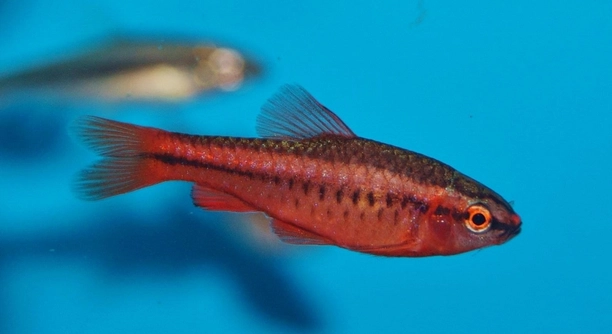
Cherry barbs are a popular aquarium fish known for their vibrant colors. However, sometimes these colorful fish can lose their usual brightness and appear pale. Understanding why this happens can help you care for them better.
The main reasons for cherry barbs losing their color are stress, poor water quality, improper diet, and environmental factors such as temperature. A sudden change in any of these conditions can lead to the fading of their usual vibrant hues.
By recognizing these causes, you can take simple steps to prevent your cherry barbs from becoming pale and ensure they remain healthy and colorful.
Stress and Anxiety Can Affect Your Cherry Barbs
Cherry barbs are sensitive fish, and stress is one of the biggest reasons they might lose their color. Factors like sudden changes in their environment, aggressive tank mates, or loud noises can make them anxious. Stress weakens their immune system, leading to pale colors. When they feel threatened or uncomfortable, their body’s natural response is to fade, which is a sign of distress. It’s essential to provide them with a calm and peaceful environment.
Stress can also be triggered by overcrowding or inadequate hiding spots. If your cherry barbs don’t have a place to retreat when they feel threatened, this can increase their stress levels, which affects their color. It’s important to provide plenty of plants or decorations in the tank where they can feel secure. Keeping the tank’s water conditions stable will also minimize stress.
By creating a peaceful environment, you can help reduce stress levels and keep your cherry barbs happy and vibrant. Regular water changes, providing proper filtration, and avoiding overstocking can make a big difference in their well-being.
Poor Water Quality Can Lead to Fading
Water quality plays a significant role in your cherry barbs’ health. If the water is too dirty or the pH level is off, it can cause them to lose their color. It’s crucial to test the water regularly and maintain a clean tank. Regular water changes will help keep toxins at bay.
Dirty water creates an environment where bacteria and algae thrive, which can stress your fish and cause their colors to dull. Ammonia or nitrite spikes are particularly dangerous for fish, as they can cause skin and gill damage. A good filter can help keep the water clean and remove harmful substances.
Make sure to invest in a reliable filtration system to prevent buildup and maintain the health of your fish. Adding a water conditioner to treat tap water is also a great way to avoid harmful chemicals, such as chlorine or chloramine, which can harm fish.
Improper Diet Can Lead to Color Loss
A poor diet is another common reason why cherry barbs lose their color. If they aren’t getting the proper nutrients, their health and color will suffer. A lack of essential vitamins and minerals, particularly carotenoids, can cause the fish to appear pale.
To keep your cherry barbs healthy and colorful, it’s important to feed them a balanced diet. High-quality fish flakes or pellets, along with occasional live foods like brine shrimp, will provide the necessary nutrients. You can also offer them vegetable-based foods, such as spinach or peas, which are rich in essential vitamins.
Feeding them a varied diet will ensure they get all the nutrients they need to maintain vibrant colors. Adding foods with high carotenoid content, such as spirulina or red-colored pellets, can also help enhance their natural red tones. Make sure to avoid overfeeding, as uneaten food can pollute the water and lead to further health issues.
Temperature Stress Can Cause Fading
Cherry barbs are sensitive to sudden changes in temperature. If the water temperature fluctuates too much, it can cause them to lose their color. Keeping the tank at a consistent temperature is important for their overall health.
A sudden drop or rise in temperature can cause cherry barbs to go into shock, affecting their skin color. Ideal water temperatures for cherry barbs range from 75°F to 80°F. Too cold or too hot water can stress them and cause their color to fade. A reliable heater can help maintain a steady temperature.
Monitor the water temperature regularly, especially when adding new fish or making changes to the tank. If you notice your cherry barbs starting to pale, check the temperature and adjust it to the proper range to keep them comfortable.
Illness or Disease Can Cause Color Loss
Cherry barbs are prone to certain diseases that can lead to pale coloration. Illnesses such as fin rot, external parasites, or internal infections can drain their energy and cause their natural color to fade. Keep an eye out for signs of illness, like lesions or abnormal behavior.
If your cherry barbs are showing signs of illness, it’s important to address it right away. Medications specifically designed for the type of infection can help restore their health and color. Quarantining infected fish from others also prevents the spread of disease. Regularly inspect your fish for any changes in their behavior or appearance.
A healthy diet, clean water, and proper tank conditions will help keep your cherry barbs strong and resistant to disease. Early detection and treatment are key to preventing long-term health issues and color loss.
Lighting Can Impact Their Color
The lighting in your aquarium plays a role in how vibrant your cherry barbs appear. Overly bright or harsh lighting can cause their colors to appear washed out. Adjusting the lighting to a more natural setting will help bring out their true beauty.
A well-lit tank with a balance of light and shadow is ideal for cherry barbs. They thrive in softer, more diffused lighting that mimics their natural habitat. Experiment with different light intensities and observe how your cherry barbs respond. LED lights with adjustable brightness settings can be helpful in finding the right balance.
Age and Genetics Can Affect Their Appearance
As cherry barbs age, their colors may naturally become less vibrant. Genetics also play a role in how colorful they are. Some cherry barbs are simply born with less intense red coloration, which will gradually fade with age.
FAQ
What are the most common causes of pale cherry barbs?
The most common causes of pale cherry barbs include stress, poor water quality, improper diet, temperature fluctuations, and illnesses. Stressful environments or sudden changes can cause them to lose their vibrant colors. Inadequate water conditions or an unbalanced diet also negatively affect their appearance.
How can I prevent stress in my cherry barbs?
To prevent stress, ensure your cherry barbs are housed in a peaceful aquarium with suitable tank mates. Avoid overcrowding and provide plenty of hiding spots, like plants or decorations. Keep the environment quiet, with minimal disturbances, and maintain stable water conditions to reduce stress levels.
How often should I change the water for my cherry barbs?
Water changes should be done regularly, typically once a week, to maintain good water quality. This helps keep harmful substances like ammonia and nitrites at safe levels. In a well-maintained tank, about 25-30% of the water should be replaced weekly to prevent any buildup of toxins.
What is the ideal water temperature for cherry barbs?
The ideal water temperature for cherry barbs is between 75°F and 80°F. This range helps them thrive and maintain vibrant colors. Fluctuations outside this range, especially sudden changes, can stress them and lead to color loss. Using a reliable heater ensures the water stays consistent.
Can cherry barbs eat frozen food?
Yes, cherry barbs can eat frozen food, including brine shrimp, bloodworms, or daphnia. Offering a variety of frozen foods alongside their regular diet provides important nutrients. Just be sure to thaw the food before feeding and avoid overfeeding, as uneaten food can pollute the tank.
How can I tell if my cherry barbs are sick?
Look for any changes in behavior or physical appearance. Signs of illness in cherry barbs include faded colors, abnormal swimming patterns, loss of appetite, or visible lesions on their bodies. If you notice any of these symptoms, it’s important to quarantine the affected fish and treat them immediately.
What should I do if the water quality is poor in my tank?
If the water quality is poor, start by performing a large water change to reduce harmful toxins. Check your filtration system to ensure it’s functioning properly, and clean any debris from the tank. Regular testing for ammonia, nitrite, and pH levels is essential to maintain a healthy environment for your fish.
Can cherry barbs tolerate hard water?
Cherry barbs prefer slightly soft to moderately hard water, with a pH range of 6.5 to 7.5. While they can tolerate harder water, prolonged exposure to water that’s too hard can cause stress and affect their overall health. Regularly test the water to ensure it stays within a suitable range.
What type of food should I feed my cherry barbs to maintain their color?
To maintain the bright red colors of your cherry barbs, provide a diet rich in carotenoids, which can be found in foods like spirulina, red-colored pellets, and high-quality fish flakes. Supplement their diet with occasional live or frozen foods to provide variety and additional nutrients.
Are cherry barbs compatible with other species?
Yes, cherry barbs are peaceful fish that can live well with other calm species, such as tetras, guppies, and small plecos. Avoid housing them with aggressive fish that might stress them out. It’s always a good idea to research the temperament of other fish before introducing them to your tank.
How can I boost the color of my cherry barbs?
To boost the color of your cherry barbs, make sure they’re living in a stress-free environment with optimal water conditions. A balanced diet that includes foods rich in carotenoids, such as spirulina or red-colored pellets, can help enhance their natural coloration. Regular water changes and proper tank maintenance also help.
Can cherry barbs survive in a tank with fluctuating temperatures?
No, cherry barbs are sensitive to temperature fluctuations. Consistent temperatures are crucial for their health and color. If the temperature in the tank fluctuates too much, it can cause stress and fading. Keeping the water temperature stable within the ideal range of 75°F to 80°F is essential for their well-being.
What other fish can I keep with cherry barbs?
Cherry barbs do well in community tanks with other peaceful fish. Suitable tank mates include neon tetras, zebra danios, and corydoras catfish. Avoid aggressive species like bettas or large cichlids, as they might stress or harm your cherry barbs. Ensure all tank mates are compatible in terms of size and temperament.
How do I treat a sick cherry barb?
If a cherry barb appears sick, it’s important to first isolate it in a quarantine tank to prevent spreading any potential diseases. You can treat the fish with medications designed for the specific condition, whether it’s bacterial, fungal, or parasitic. Make sure to follow treatment instructions carefully and monitor their recovery.
Do cherry barbs need a specific light cycle?
Yes, cherry barbs thrive in a natural light cycle. They should have around 10 to 12 hours of light each day, mimicking the day-night cycle. Too much light can cause stress or encourage algae growth, while too little light can make them appear dull. Consider using a timer to regulate the lighting.
How can I improve the water quality in my tank?
To improve water quality, make sure your tank is properly filtered and do regular water changes. Test the water for ammonia, nitrites, and pH levels to ensure they are within the safe range. Adding live plants can also help maintain water quality by absorbing excess nutrients and improving oxygen levels.
Final Thoughts
Cherry barbs are beautiful, vibrant fish that can thrive in a well-maintained aquarium. However, when they start to lose their color, it can be concerning. Understanding the reasons behind this color fading can help you create a healthier environment for them. From stress to poor water quality and improper diets, many factors can affect their color. Paying attention to these factors and adjusting your care routine can help keep your cherry barbs colorful and active.
A calm and stable environment is crucial for your cherry barbs’ well-being. Stress is one of the leading causes of color loss, so it’s important to avoid sudden changes in their surroundings. Overcrowding, aggressive tank mates, and loud noises can all cause anxiety in these fish. Providing plenty of hiding spots and ensuring a peaceful atmosphere in the tank will help reduce stress. Also, maintaining consistent water conditions is essential. Regular water changes, checking water parameters, and using proper filtration can prevent toxins from building up and affecting your fish’s health.
Feeding your cherry barbs a balanced diet is just as important. A lack of proper nutrition, particularly carotenoids, can lead to pale colors. Offer a variety of high-quality foods to ensure they get all the necessary nutrients. In addition to flakes or pellets, you can feed them occasional live or frozen foods. A diet rich in carotenoids, like red-colored pellets or spirulina, can enhance their natural red tones. By following these simple guidelines and monitoring their health, your cherry barbs will remain vibrant and full of life.

Hello,
If you enjoy the content that we create, please consider saying a "Thank You!" by leaving a tip.
Every little bit helps us continue crafting quality advice that supports the health, happiness, and well-being of pets around the world, for pets of all shapes, sizes, and species.
We really appreciate the kindness and support that you show us!