
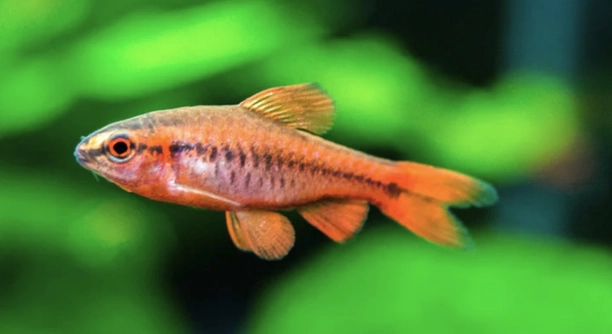
Have you ever set up a new aquarium and noticed your cherry barbs behaving differently when the filter creates a stronger flow?
Cherry barbs do enjoy swimming against a gentle current, as it mimics the natural movement of water in their native habitats. Providing moderate water flow can stimulate their activity and support overall health and enrichment.
Learning how water flow affects cherry barbs can help you create a more engaging, balanced environment in your aquarium.
Why Cherry Barbs Enjoy Swimming Against a Current
In their natural habitat, cherry barbs live in slow to moderately flowing streams and rivers. These waters often have a steady current that helps move oxygen through the environment. In a home aquarium, replicating this flow can benefit their well-being. A gentle current encourages natural swimming behavior and helps keep the fish active. It can also prevent water from becoming stagnant, which supports better water quality overall. Cherry barbs are not overly strong swimmers, so the current should never be too powerful. A moderate flow from a well-placed filter is usually enough to provide stimulation without stressing them. You might notice them playing or swimming steadily against the current, which is often a sign that they feel comfortable and engaged. Keeping this in mind can help you adjust your setup to match their natural preferences and create a more suitable environment.
A steady current can improve circulation in the tank and make the space feel more natural to the fish.
Cherry barbs may use the current to stay active or establish small territories. They’ll often swim through flowing areas with interest, especially if the current is not too harsh. Providing driftwood or plants nearby can also help them rest when needed. These features create a balance between stimulation and comfort. Movement in the water not only keeps cherry barbs active but also contributes to their physical health. It helps strengthen their muscles and supports oxygen flow in the tank, promoting better breathing. This is especially helpful in well-stocked tanks where oxygen demand can increase. When setting up your aquarium, consider placing the filter outlet or air stone in a way that allows for a gentle but noticeable flow across part of the tank. That way, the fish can choose between calm and moving sections based on how they feel.
How to Create the Right Flow for Cherry Barbs
Always aim for a current that encourages movement without tiring your fish. Avoid using high-output filters or powerheads set to strong levels.
To set up a suitable flow, start with a filter designed for your tank size and adjust the outflow direction. Sponge filters, hang-on-back filters, or internal filters with adjustable settings are usually enough. Direct the flow toward one section of the tank instead of across the entire aquarium. This setup lets your cherry barbs explore different flow levels without being overwhelmed. Include live plants, rocks, or decorations to break up the current and create calm spaces. These features also give them places to rest and feel secure. Cherry barbs will often swim actively in the moving areas and then retreat to calmer sections when they want to relax. Observe their behavior to make sure they aren’t struggling against the flow. If they appear stressed or avoid the current entirely, it may be too strong. Making small changes in positioning or flow strength can help maintain a comfortable environment.
Common Signs Your Cherry Barb Likes the Current
Cherry barbs that enjoy the current will often swim against it with steady movement and without signs of stress. They may return to these areas frequently and interact with the flow instead of avoiding it.
Look for patterns in their behavior, like swimming in place or darting in and out of flowing areas. These are signs that the current is engaging for them. If they repeatedly visit those sections and seem energetic, it usually means the water flow is at a comfortable level. Healthy cherry barbs will have smooth, controlled motions rather than struggling or being pushed around. Their fins should remain open and steady as they swim, and they’ll often explore the tank calmly. You may also notice them eating or interacting with other tank mates in the current, which suggests that they are relaxed and not overwhelmed by the movement in their environment.
If your cherry barbs hover calmly near the current, it’s likely supporting their natural behavior. Fish that avoid fast-flowing areas or hide often might be uncomfortable. Adjust the flow slightly and observe their response. Comfortable cherry barbs show interest in swimming near or through moving water, using it to stay active without becoming exhausted. They’ll also show no signs of distress like clamped fins, erratic swimming, or gasping at the surface. Including calm areas in the tank gives them a choice, and they’ll move between calm and flowing sections as needed. Their comfort in the current helps ensure your aquarium setup is supporting their overall health and behavior naturally.
What to Avoid When Creating Current
Avoid using strong current setups like high-powered wave makers or canister filters with narrow outputs in small tanks. These can overwhelm cherry barbs and cause stress or exhaustion over time.
Stick to low or adjustable flow systems, especially for tanks under 20 gallons. Cherry barbs prefer gentle movement, so aim for equipment that allows fine-tuning. Avoid placing the outflow directly across the tank or near common resting spots, as this may limit their ability to relax. Too much flow can interfere with feeding, push food away quickly, and make it hard for barbs to eat at their own pace. Also, watch for signs of stress, such as hiding, rapid gill movement, or lack of activity. These are often linked to uncomfortable water flow. Always introduce new equipment gradually and give your fish time to adjust. If needed, place sponge filters or pre-filters over outlets to reduce flow strength while still maintaining circulation. Balancing movement with rest zones is essential.
Adjusting Flow for Different Tank Setups
In small tanks, it’s important to keep the flow low and direct it toward the side glass or a decoration to slow it down. This setup helps avoid overpowering your cherry barbs and keeps swimming comfortable for them.
Larger tanks allow more flexibility, but flow should still stay moderate. Use plants, rocks, or driftwood to help break up the current. This creates different zones in the tank so your cherry barbs can choose where they feel most comfortable based on their activity level.
Other Fish That Prefer Similar Flow Conditions
Tetras, rasboras, and guppies also enjoy gentle water movement. These species often share similar environments with cherry barbs and will thrive in comparable conditions. Keeping fish with similar flow preferences helps maintain a calm and balanced tank where all species can swim comfortably and interact without stress or difficulty.
Watching Behavior After Flow Changes
After making changes to the current, observe your cherry barbs over a few days. Their activity, feeding habits, and movement patterns will help you decide if the setup is working or if it needs further adjustment.
FAQ
What current should I set for my cherry barbs?
A gentle, moderate current works best. A flow that replicates natural streams, without being too fast, allows cherry barbs to swim comfortably. Use a filter or powerhead with an adjustable setting. The goal is to create movement that feels natural and does not tire them.
How do I know if the current is too strong?
Watch for signs of stress. If your cherry barbs are struggling, swimming erratically, or hiding constantly from the current, the flow might be too strong. Their fins may also be clamped or fluttering. Adjust the equipment gradually until you see them swimming calmly and confidently.
Can I use decorations to manage the flow?
Yes, decorations such as plants, rocks, or driftwood can help break up the current. They create zones with calmer water where your fish can rest. Strategically placing these items allows cherry barbs to choose between areas of gentle movement and quieter spots, offering them a sense of security in the tank.
How often should I check the water flow?
It is important to monitor the flow regularly, especially after setting up the tank or when introducing new equipment. Check weekly to ensure that the current remains comfortable for your fish. Observing their behavior during feeding or active times is also a good indicator of whether the flow is too strong or just right.
Will changing the current affect other fish in the tank?
Yes, other fish like tetras, rasboras, or guppies also have preferences for gentle water movement. It is crucial to balance the flow so that it meets the needs of all species present in your tank. A well-planned setup will cater to various fish by offering regions of both movement and calm. Observing all inhabitants when you adjust the current can help you find the right balance.
How do I adjust the equipment if I need to change the current?
Look for filters and powerheads with adjustable flow options. If the current is too strong, reduce the flow rate by tightening or repositioning the output. Alternatively, you can use barriers like sponge filters or decoration placements to cut down the direct impact of the water movement. Make small adjustments and observe the behavior of your cherry barbs before making further changes.
Is it normal for cherry barbs to swim against the current?
Yes, it is quite normal. Cherry barbs naturally engage in swimming against a light to moderate current as it mimics their natural habitat. This behavior supports their muscle development and overall health. They will not always swim against the current; often they alternate between active swimming and resting in calmer areas of the tank.
Do I need to worry about the current during feeding times?
Feeding can be affected by a strong current as food may drift away too quickly. It is best to provide food in areas with slower water movement. This ensures that your cherry barbs have ample opportunity to catch their meals without struggling against a strong flow. You may consider temporarily adjusting the flow during feeding times if you notice food not being eaten.
Can seasonal changes affect how my equipment performs?
Yes, temperature and water density can slightly impact how your equipment runs, which may change the effective current. Regular monitoring during seasonal changes is important. Adjustments might be necessary to keep the flow consistent with the needs of your cherry barbs. A small change now and then can ensure that the water remains comfortable through various conditions.
What are some troubleshooting tips if my cherry barbs seem stressed by the current?
If you notice signs of stress, such as hiding, erratic swimming, or decreased appetite, start by reducing the current slightly. Check your filter and powerhead to see if they can be repositioned or if their settings can be moderated. Adding more decorations or rearranging plants to create calmer zones can also help. A gradual approach to modifying the water flow will give your fish time to adjust while ensuring they continue to enjoy an environment that suits their natural behavior. Regular observation and small, incremental changes are key to finding the perfect balance.
Final Thoughts
Cherry barbs are peaceful, active fish that do well in calm, slightly moving water. They do not need strong currents to stay healthy or happy. Instead, they prefer gentle flows that let them swim freely without stress. A light current can encourage natural behaviors, such as group swimming and exploration, but strong or fast movement can lead to hiding, poor feeding, or signs of stress. It’s important to observe how your cherry barbs behave in their environment to make sure the water flow matches their comfort level. If they are swimming smoothly and exploring their surroundings, the current is likely at a good level.
Tank setup plays a big role in controlling how the current moves. Filters and powerheads should be placed carefully to avoid creating strong streams of water that blast across the tank. Adding plants, rocks, or driftwood can help break up the flow and offer safe areas where the current is slower. These elements not only help control water movement but also make the space more interesting for your cherry barbs. They enjoy swimming through plants and hiding among decorations. A well-balanced setup will give them enough space to be active without being overwhelmed by water movement.
Watching your fish daily helps you catch problems early. If your cherry barbs are not as active, hiding too much, or having trouble swimming, it may be time to adjust the current. Small changes, like moving the filter output or shifting decorations, can make a big difference. Always make adjustments slowly and give your fish time to respond. Keeping the current at a steady, gentle level supports their natural behavior and long-term health. With the right setup, cherry barbs can live comfortably and stay active in a tank that feels just right for them.

Hello,
If you enjoy the content that we create, please consider saying a "Thank You!" by leaving a tip.
Every little bit helps us continue crafting quality advice that supports the health, happiness, and well-being of pets around the world, for pets of all shapes, sizes, and species.
We really appreciate the kindness and support that you show us!