
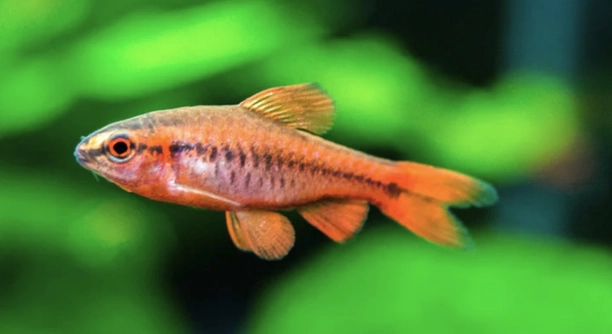
Cherry Barbs are fascinating fish that bring a burst of color to any aquarium. Their unique behaviors make them both intriguing and enjoyable to observe. Understanding these behaviors can enhance your appreciation of these charming little creatures.
Cherry Barbs exhibit a variety of behaviors that reflect their active and social nature. These fish are known for their playful interactions with tank mates and their preference for schooling. They are also known for their peaceful temperament, making them ideal for community tanks.
By understanding their behavior, you can better create a harmonious environment for them. From their social dynamics to their quirky habits, there’s more to Cherry Barbs than meets the eye.
Social and Schooling Behavior of Cherry Barbs
Cherry Barbs are naturally social fish that thrive in groups. They are happiest when kept in schools, as it helps them feel secure and reduces stress. In the wild, they are often found swimming together, which is reflected in their behavior in home aquariums. When kept alone, Cherry Barbs can become skittish or more prone to hiding. A school of at least five or more fish provides the comfort they need to explore and interact confidently. This schooling behavior is also important for their overall health, as they will be less likely to develop stress-related health issues.
Being social creatures, Cherry Barbs also engage in playful interactions with each other. They often chase one another around the tank, nipping at each other in a non-aggressive manner. This behavior is typical during feeding times or when they’re exploring new spaces in their environment.
Having a group of Cherry Barbs can add a lively and colorful dynamic to your aquarium. Their social nature helps maintain a sense of calm, and watching them interact is both entertaining and rewarding.
Feeding Habits of Cherry Barbs
Cherry Barbs are omnivores, meaning they eat both plant matter and small invertebrates. They’re not picky eaters, so they adapt well to a variety of foods, such as high-quality fish flakes, frozen or live foods, and vegetables.
In their natural environment, Cherry Barbs forage through plants and water to find small food items. This instinct carries over in aquariums, where they will spend time grazing on algae and picking at plants. It’s important to provide a balanced diet to keep them healthy and vibrant.
Aggression Levels in Cherry Barbs
Cherry Barbs are generally peaceful fish, making them ideal for community tanks. They are not known for aggression and typically get along with other species. However, males can sometimes display slight territorial behavior during breeding times.
When kept in groups, these fish are less likely to show aggression, as they can rely on their school for support. Males may occasionally chase each other to establish dominance, but this behavior is mild and rarely escalates. Cherry Barbs prefer to avoid confrontation and will usually seek out calmer tankmates.
Keeping them in a well-planted aquarium with plenty of hiding spots helps minimize any potential stress or territorial disputes. Their peaceful nature makes them suitable companions for many other species, such as tetras or other small, non-aggressive fish.
Reproductive Behavior of Cherry Barbs
Cherry Barbs are egg scatterers, which means the female releases eggs into the water, and the male fertilizes them externally. The mating ritual can be an interesting spectacle to observe. When a female is ready to spawn, the male will chase her and perform a series of displays.
During the breeding process, males will show their brightest colors and swim energetically around the female to catch her attention. If the female is receptive, she will release her eggs, which the male quickly fertilizes. This behavior typically occurs early in the morning. After spawning, it’s important to separate the eggs from the adults to prevent them from being eaten.
Activity Levels of Cherry Barbs
Cherry Barbs are active and energetic fish. They enjoy swimming in the mid to upper levels of the tank, constantly exploring their environment. Their playful nature makes them fun to watch, as they dart around the aquarium, often interacting with their tankmates.
Despite their lively activity, Cherry Barbs are not overly demanding in terms of space. A small to medium-sized tank with plenty of plants and hiding spots is enough to keep them content. They prefer an environment that offers both open swimming areas and places to retreat if needed.
Ideal Tank Mates for Cherry Barbs
Cherry Barbs get along well with other peaceful fish. They are not overly aggressive and tend to avoid conflict with similar-sized species. Ideal tank mates include tetras, rasboras, and other small fish.
However, it’s important to avoid keeping them with fin-nipping species, as their calm nature can make them vulnerable to aggression. When choosing tank mates, focus on those with similar temperaments to ensure a peaceful aquarium environment.
Tank Environment Preferences
Cherry Barbs thrive in tanks with well-maintained water conditions. They prefer slightly acidic to neutral water and enjoy temperatures between 72°F and 80°F. A tank with soft, well-filtered water helps keep them healthy and active.
FAQ
Do Cherry Barbs need a lot of space?
Cherry Barbs are relatively small fish, typically reaching about 2 inches in length. They don’t require a large tank, but it’s important to provide enough space for a small school of fish to swim around freely. A 20-gallon tank is usually sufficient for a group of five or more. Adequate space helps reduce stress and allows them to display their natural social behavior.
How many Cherry Barbs should I keep together?
Cherry Barbs are social fish and thrive in schools of at least five individuals. Keeping them in larger groups makes them feel more secure and comfortable, as they tend to interact with each other in playful ways. A smaller group might result in stress or timid behavior, as they would feel less protected.
Can Cherry Barbs live with other fish?
Yes, Cherry Barbs are peaceful and can live with many other species of similar size and temperament. They work well in community tanks with species like tetras, guppies, or rasboras. Avoid keeping them with aggressive fish or fin-nippers, as they might become stressed or injured.
What is the best diet for Cherry Barbs?
Cherry Barbs are omnivores, so they will eat a variety of foods. A balanced diet should include high-quality flakes or pellets as the base, supplemented with live or frozen foods like brine shrimp, bloodworms, or daphnia. You can also add some blanched vegetables like spinach or zucchini for extra nutrients.
Do Cherry Barbs need plants in their tank?
While Cherry Barbs don’t require plants, they do benefit from having them in the tank. Plants provide hiding spots and create a more natural, stress-free environment. Live plants also help improve water quality by absorbing excess nutrients and giving the fish something to nibble on occasionally.
How can I tell if my Cherry Barb is male or female?
It’s relatively easy to differentiate between male and female Cherry Barbs. Males are usually smaller and more colorful, with bright red hues, especially during breeding. Females, on the other hand, tend to be larger and less colorful, often displaying more subtle, pale pink or light orange tones.
Do Cherry Barbs require a heater in their tank?
Cherry Barbs thrive in warm water, with an ideal temperature range between 72°F and 80°F. Depending on your local climate, a heater may be necessary to maintain consistent temperatures in the aquarium. If you live in a cooler environment, investing in a reliable heater will ensure that your Cherry Barbs stay comfortable and healthy.
What water conditions do Cherry Barbs need?
Cherry Barbs prefer slightly acidic to neutral water, with a pH range of 6.5 to 7.5. The water should be soft to moderately hard, with a temperature between 72°F and 80°F. Regular water changes and a good filtration system will help maintain these conditions, ensuring the well-being of your fish.
How often should I feed Cherry Barbs?
Cherry Barbs should be fed once or twice a day, offering only as much food as they can eat within a few minutes. Overfeeding can lead to water quality issues, so it’s important to monitor their eating habits. Offering a variety of foods will ensure they get the right nutrients.
How long do Cherry Barbs live?
With proper care, Cherry Barbs can live for about 3 to 5 years. To help them reach their full lifespan, maintain good water quality, provide a balanced diet, and keep them in a peaceful, properly maintained tank.
Do Cherry Barbs breed easily?
Yes, Cherry Barbs are relatively easy to breed in home aquariums. To encourage breeding, ensure that water conditions are optimal and offer a diet rich in live or frozen foods. Males will court the females, displaying bright colors to attract them. Once the eggs are laid, it’s a good idea to remove them from the tank to prevent the adults from eating them.
Are Cherry Barbs prone to any diseases?
Like many aquarium fish, Cherry Barbs can be susceptible to common fish diseases like ich, fin rot, or fungal infections if water quality is poor or if they are stressed. Keeping their environment clean, offering a balanced diet, and maintaining stable water conditions will help prevent health issues. Regularly checking for signs of illness, such as faded colors or erratic swimming, will allow you to address potential problems early.
How do I know if my Cherry Barbs are stressed?
Cherry Barbs may show signs of stress through changes in behavior or physical appearance. They might become more reclusive, hide in corners, or swim erratically. Stressed fish often have dull or faded colors. Ensuring a stress-free environment by maintaining proper tank conditions and avoiding aggressive tankmates will help keep your Cherry Barbs happy and healthy.
Can Cherry Barbs live with shrimp?
Yes, Cherry Barbs can live with shrimp in a tank. They are peaceful and unlikely to harm shrimp, especially if the shrimp are larger or have hiding spots. However, very small shrimp may become targets of the Barbs out of curiosity. Make sure to provide plenty of plants and decorations for the shrimp to retreat to if needed.
Do Cherry Barbs need strong water flow?
Cherry Barbs don’t require strong water flow, and in fact, they prefer gentle currents. A powerful filter or water pump can cause them stress, making them hesitant to swim or explore. It’s best to use a filter that provides mild water movement to keep them comfortable.
Final Thoughts
Cherry Barbs are an excellent choice for both beginner and experienced aquarium owners. Their peaceful and social nature makes them ideal for community tanks, where they can live harmoniously with many other species. Their vibrant colors and active behavior bring life to any aquarium, and their relatively small size means they don’t require large tanks. As long as you provide a suitable environment, they can thrive with minimal care. Ensuring they are kept in groups and have plenty of space to swim is key to their well-being.
Feeding Cherry Barbs is straightforward, as they are not picky eaters. A well-balanced diet of high-quality flakes, pellets, and occasional live or frozen foods will keep them healthy and active. Adding blanched vegetables like spinach or zucchini is also a good way to ensure they get all the nutrients they need. Regular feeding, along with water changes and tank maintenance, is enough to keep them happy. Just be sure not to overfeed, as this can cause water quality issues, which can lead to health problems for your fish.
Overall, Cherry Barbs are low-maintenance fish that offer a lot of rewards for aquarium owners. Their ability to get along with many other species and their playful nature make them a joy to watch. By maintaining the right water conditions, providing proper nutrition, and giving them a peaceful environment with suitable tank mates, you can enjoy the beauty and fun of Cherry Barbs for years to come. If you’re looking for vibrant, social fish to brighten up your tank, Cherry Barbs are a great option.

Hello,
If you enjoy the content that we create, please consider saying a "Thank You!" by leaving a tip.
Every little bit helps us continue crafting quality advice that supports the health, happiness, and well-being of pets around the world, for pets of all shapes, sizes, and species.
We really appreciate the kindness and support that you show us!