
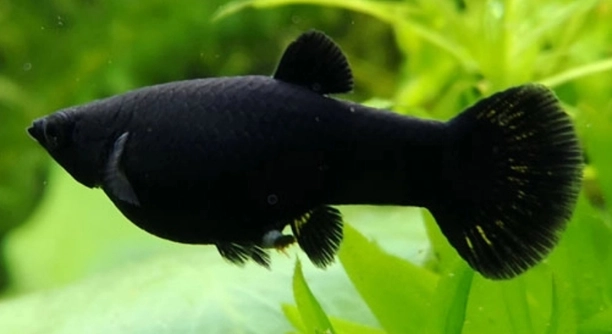
Black Mollies are charming fish that bring life to any freshwater aquarium. Their playful nature and gentle movements make them enjoyable to watch. Understanding what truly makes them happy ensures they thrive in their aquatic environment.
Black Mollies experience optimal well-being when provided with a balanced diet, stable water conditions, proper tank size, social interaction with compatible fish, regular maintenance, enrichment items, and consistent lighting. These factors collectively contribute to their health, comfort, and natural behavior.
By knowing these key aspects, you can create a joyful and healthy environment for your Black Mollies to flourish every day.
Proper Diet and Nutrition
Providing Black Mollies with a proper diet is essential for their health and happiness. They thrive on a mix of high-quality flake food, algae-based foods, and occasional live or frozen treats. A varied diet ensures they get all necessary nutrients, supporting growth, coloration, and immune function. Overfeeding should be avoided, as it can lead to poor water quality and health issues. Feeding small portions multiple times a day is ideal, as it mimics natural grazing behaviors. Fresh vegetables like spinach or zucchini can also be offered after blanching, which adds fiber and promotes digestion. Watching your mollies eat can reveal their preferences and overall activity level. Consistent feeding times and proper portion control not only prevent obesity but also encourage healthy swimming patterns. Maintaining clean feeding areas and removing leftover food reduces the risk of bacterial growth, keeping the tank safe for all inhabitants.
A balanced diet directly impacts energy levels, coloration, and overall well-being. Healthy feeding practices ensure active, thriving fish.
Observing your Black Mollies during feeding can provide insight into their health. Changes in appetite, swimming behavior, or coloration often indicate a need to adjust diet or water conditions. Regularly varying food types while monitoring responses encourages natural behavior and prevents dietary boredom. Avoid sudden diet changes, as these can stress fish and reduce immunity. Incorporating plant-based foods alongside protein-rich options promotes digestive health and prevents common deficiencies. Overfeeding or underfeeding affects water quality, which in turn influences fish behavior and longevity. Maintaining consistent feeding routines also helps you notice early signs of illness. Feeding should be seen as both a necessity and an opportunity to monitor your fish closely, ensuring they remain active and content. By carefully planning meals and observing responses, you can support both immediate satisfaction and long-term health, creating an environment where Black Mollies flourish naturally.
Stable Water Conditions
Maintaining stable water conditions is critical for Black Mollies. Sudden changes in temperature, pH, or hardness can stress them, leading to illness or lethargy. Regular testing is necessary to ensure water remains consistent.
Keeping water parameters stable prevents stress, encourages healthy behavior, and supports immune function.
Black Mollies are sensitive to variations in temperature and chemical composition. They prefer slightly alkaline water with moderate hardness and a temperature range between 24-28°C (75-82°F). Fluctuations, even minor, can result in stress responses such as hiding, reduced feeding, or unusual swimming patterns. Performing partial water changes weekly helps maintain cleanliness and removes toxins, but these should be gradual to avoid shocking the fish. Filters and aeration support oxygenation and clarity, contributing to overall health. Monitoring ammonia, nitrite, and nitrate levels ensures the tank remains safe. Consistent lighting and a stable environment replicate natural day-night cycles, reducing stress and encouraging activity. Creating a calm, well-maintained habitat allows Black Mollies to exhibit natural behaviors such as grazing, exploring, and social interaction. Attention to water quality is a simple yet effective way to ensure their happiness and longevity, making your aquarium a thriving ecosystem for these lively fish.
Social Interaction
Black Mollies thrive when they have compatible tank mates. They enjoy the presence of other peaceful fish, which encourages activity and natural behavior. Isolation can lead to stress and lethargy, so keeping them in small groups is ideal for their well-being.
Observing how Black Mollies interact with each other provides insight into their social needs. They establish a pecking order, chase lightly, and swim together, which keeps them engaged. Aggressive or overly dominant tank mates can cause stress or injury, so careful selection is important. Proper social interaction reduces anxiety, promotes healthy growth, and encourages playful behaviors like chasing and exploring. Small, compatible communities ensure your mollies remain active and content.
Maintaining a balanced social environment requires attention to numbers and species compatibility. Overcrowding or mixing incompatible fish can increase stress levels, leading to weakened immunity and potential illness. Adding new tank mates gradually allows mollies to adjust, and observing their reactions helps prevent conflicts. Some mollies may display mild dominance behaviors, which is natural, but severe aggression should be addressed immediately. Providing hiding spots and plants helps reduce tension and allows individuals to retreat if needed. Proper social balance encourages natural movement patterns, feeding behaviors, and overall activity. By carefully managing group dynamics, Black Mollies can flourish in a harmonious, lively environment that supports both mental stimulation and physical health.
Regular Tank Maintenance
Frequent cleaning and water changes are essential for happy Black Mollies. Removing debris, uneaten food, and waste keeps the environment healthy and prevents disease.
Regular maintenance prevents toxic buildup and supports consistent water quality, reducing stress for the fish.
Maintaining a clean tank involves routine partial water changes, filter cleaning, and substrate vacuuming. Removing uneaten food promptly prevents bacterial growth and keeps the water clear. Checking equipment such as heaters, filters, and air pumps ensures stable conditions. Regular observation during maintenance allows early detection of illness, unusual behavior, or water imbalance. Plants and decorations should be cleaned carefully to avoid disturbing beneficial bacteria. Consistent maintenance encourages healthy swimming patterns, feeding activity, and social interaction among mollies. A well-maintained tank creates a stable, stress-free environment, fostering long-term happiness and promoting natural behaviors that indicate contentment and vitality.
Enrichment and Hiding Spots
Black Mollies benefit from plants, decorations, and caves in their tank. These elements provide stimulation, reduce stress, and allow natural exploration.
Hiding spots help mollies feel secure and prevent aggression. Plants and décor encourage movement and playful behavior while keeping them comfortable in their environment.
Consistent Lighting
Consistent lighting supports healthy activity and natural rhythms. Black Mollies thrive with a stable day-night cycle that mimics natural conditions. Too much or too little light can disrupt behavior, stress the fish, or affect plant growth. A regular lighting schedule keeps them active and content.
Tank Size
A spacious tank is vital for Black Mollies’ health and happiness. They need room to swim, interact, and display natural behavior. Overcrowding can lead to stress, poor water quality, and increased aggression. Providing adequate space ensures a lively, thriving environment for all inhabitants.
What should I feed my Black Molly?
Black Mollies require a balanced diet to stay healthy and happy. High-quality flake food forms the base of their diet, but supplementing with live or frozen foods, like brine shrimp or daphnia, promotes protein intake. Adding algae-based foods supports digestion and provides essential vitamins. Small portions multiple times a day are better than one large feeding, as this mimics natural grazing. Blanched vegetables, such as zucchini or spinach, can be offered occasionally for fiber and variety. Observing how your mollies respond to different foods helps ensure they are eating well and maintaining energy. Avoid overfeeding, which can lead to water quality issues and health problems, and remove uneaten food promptly to prevent bacterial growth in the tank. A varied diet encourages natural behaviors and keeps the fish active and vibrant.
How often should I change the water?
Partial water changes are crucial for maintaining a healthy environment. Performing a 20-30% water change weekly removes waste, uneaten food, and toxins, while keeping beneficial bacteria intact. Sudden, large water changes can stress the fish, so gradual changes are best. Monitoring water parameters before and after changes ensures stability. Using dechlorinated water at the same temperature as the tank prevents shock. Observing your mollies after water changes can reveal signs of stress or adjustment issues. Regular maintenance also helps prevent algae growth and keeps the tank visually clear. Consistent water changes contribute directly to mollies’ health, encouraging active swimming and normal feeding behavior while reducing the risk of disease.
What tank size is ideal for Black Mollies?
Black Mollies are active swimmers and need space to thrive. A minimum of 20 gallons is recommended for a small group, but larger tanks are better for more fish. Adequate space reduces stress, prevents overcrowding, and allows natural behaviors like exploring, grazing, and social interaction. Overcrowding increases aggression and can compromise water quality. Adding plants, decorations, and open swimming areas helps mollies feel secure and engaged. When selecting tank mates, ensure the total number of fish suits the tank’s size to maintain harmony. Larger tanks provide better water stability and allow for gradual growth of the fish population. Maintaining proper tank size is essential for both physical and mental well-being, supporting longevity and activity.
Can Black Mollies live with other fish?
Yes, Black Mollies can coexist with peaceful, non-aggressive species. Ideal tank mates include guppies, platies, tetras, and other livebearers. Avoid overly aggressive fish, as they can stress mollies or cause injury. Observing interactions when introducing new fish is important to prevent conflict. Providing hiding spots, plants, and decorations allows all species to retreat when needed. Gradual introductions help mollies adjust to new tank mates and reduce stress. Maintaining proper tank size and water parameters supports a harmonious environment. Social interaction promotes natural behaviors, including schooling and foraging, which contributes to the fish’s overall happiness and activity.
How do I maintain water quality for Black Mollies?
Water quality is critical for Black Mollies’ health. Regular testing for ammonia, nitrite, nitrate, pH, and hardness ensures safe conditions. Partial water changes, proper filtration, and cleaning of substrates and décor prevent toxin buildup. Avoid overfeeding, as leftover food can degrade water quality. Consistent temperature, slightly alkaline pH, and moderate hardness support overall well-being. Aeration and good circulation help maintain oxygen levels, which is essential for activity and metabolism. Observing fish behavior after maintenance indicates if conditions are stable. A clean, stable environment reduces stress, encourages natural behavior, and supports long-term health. Proper water quality is one of the most important factors in keeping Black Mollies happy.
Do Black Mollies need plants in the tank?
Plants provide both enrichment and security for Black Mollies. Live or artificial plants create hiding spots, reduce stress, and encourage natural exploration. Grazing on algae from live plants supplements their diet and supports digestion. Plants also help maintain water quality by absorbing nutrients and reducing harmful compounds. Dense planting can break lines of sight, reducing aggression between fish and giving shy individuals space to rest. Decorations and caves can complement plants, offering additional retreat areas. Observing how mollies interact with their surroundings reveals their comfort level. Including plants and structures creates a stimulating and secure environment that enhances activity, mental engagement, and overall well-being.
How much lighting do Black Mollies need?
Consistent lighting supports natural rhythms and activity. Black Mollies benefit from 10-12 hours of light daily, which mimics a natural day-night cycle. Too much light can encourage algae overgrowth and stress the fish, while too little reduces activity and affects behavior. Lighting also supports plant growth in planted tanks, indirectly improving water quality. Using a timer ensures regularity, which helps mollies anticipate feeding and activity periods. Observing fish responses to lighting changes indicates if adjustments are needed. Balanced lighting encourages swimming, grazing, and social interaction, supporting both physical and mental health. Proper light management keeps the tank lively and comfortable.
How do I know if my Black Molly is stressed or unhealthy?
Signs of stress include lethargy, loss of appetite, unusual swimming patterns, or faded coloration. Illness may present as fin damage, clamped fins, or visible spots on the body. Monitoring behavior and appearance daily allows early detection of issues. Stress can result from poor water quality, overcrowding, incompatible tank mates, or insufficient hiding spots. Adjusting water parameters, improving diet, and maintaining a stable environment often reduce stress. Quarantining sick fish prevents disease spread. Observing social interactions helps identify bullying or dominance issues. Early intervention supports recovery, maintains overall health, and ensures continued happiness. Regular attention and maintenance help Black Mollies remain active, vibrant, and thriving.
Can Black Mollies reproduce in a home aquarium?
Yes, Black Mollies are livebearers, giving birth to free-swimming fry. Providing proper nutrition, stable water conditions, and adequate space encourages breeding. Females can store sperm and produce multiple broods without a male present for a period. Hiding spots, plants, or breeding boxes protect fry from adults. Monitoring population prevents overcrowding and maintains water quality. Fry should be fed finely crushed flake food or specialized baby fish food. Breeding in a controlled environment helps ensure fry survival while keeping the tank balanced. Observing reproductive behavior can be rewarding and adds to understanding mollies’ natural patterns, enhancing care and satisfaction.
Black Mollies are active, social, and engaging fish that can bring life to any freshwater aquarium. Their health and happiness depend on several simple but essential factors, including a proper diet, stable water conditions, suitable tank size, and opportunities for social interaction. Providing a balanced diet with a mix of flake foods, algae-based foods, and occasional live or frozen treats ensures they get all necessary nutrients. Adding vegetables like zucchini or spinach in small amounts supports digestion and overall health. Observing how they respond to different foods helps you understand their preferences and ensures they remain active. Overfeeding should always be avoided, as uneaten food can affect water quality and cause health problems. When feeding Black Mollies, small portions several times a day mimic their natural grazing behavior and support consistent energy levels, allowing them to swim and interact naturally.
Maintaining water quality is equally important for the well-being of Black Mollies. Regular partial water changes, proper filtration, and consistent monitoring of parameters like pH, hardness, ammonia, nitrite, and nitrate create a stable environment that reduces stress. Temperature stability is also crucial, as sudden changes can make the fish anxious and affect their behavior. Providing adequate tank size and a few hiding spots or decorations allows Black Mollies to feel secure and reduces aggression, especially when keeping multiple fish together. Plants or artificial décor not only provide security but also encourage exploration and natural behavior. Clean equipment, such as filters and heaters, ensures consistent conditions and prevents sudden disruptions that could impact the fish. Daily observation of swimming patterns, coloration, and feeding response helps detect potential issues early, supporting long-term health.
Social interaction, lighting, and enrichment also play a role in keeping Black Mollies happy. They do best in small groups of compatible, peaceful fish, which allows them to engage naturally without excessive stress. Consistent lighting for 10-12 hours a day maintains natural rhythms and supports activity levels, while hiding spots and enrichment items like plants or caves provide stimulation and comfort. Maintaining these conditions fosters both physical and mental health, encouraging playful and exploratory behavior. By paying attention to their diet, water quality, social needs, and environmental enrichment, you can create an environment where Black Mollies thrive, remain active, and display their natural behavior consistently. These small, careful efforts make a significant difference in their overall well-being.

Hello,
If you enjoy the content that we create, please consider saying a "Thank You!" by leaving a tip.
Every little bit helps us continue crafting quality advice that supports the health, happiness, and well-being of pets around the world, for pets of all shapes, sizes, and species.
We really appreciate the kindness and support that you show us!