
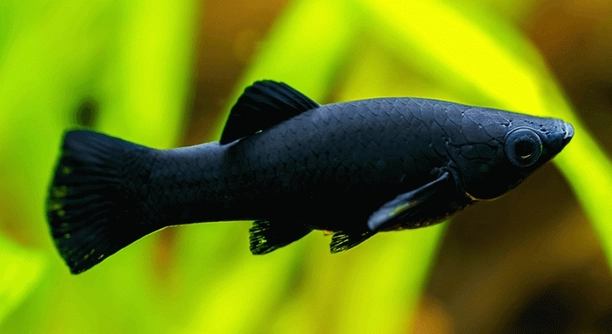
Have you ever noticed your black molly swimming one moment and gone the next, leaving you wondering what happened in your tank? These small fish can vanish quickly, often without any obvious signs. It can be worrying for any aquarium owner.
Black mollies often disappear due to water quality issues, predation, illness, stress, overcrowding, or hiding behaviors. Ensuring stable tank conditions, regular monitoring, and proper care can prevent sudden losses and promote a healthy, visible fish population.
Learning what causes these disappearances can help you keep your tank balanced and your mollies safe. The following explanations and tips will guide you in protecting your aquatic pets.
Poor Water Quality
Maintaining clean water is one of the most important aspects of keeping black mollies alive and visible. Dirty or unbalanced water can stress your fish and make them more likely to hide or even die. High ammonia, nitrite, or nitrate levels can harm their gills, weaken their immune system, and cause erratic behavior. Regular testing of water parameters, consistent partial water changes, and a reliable filtration system are key to preventing problems. Temperature fluctuations can also be harmful. Black mollies prefer slightly brackish water, so monitoring salinity can make a big difference. Overfeeding can contribute to water pollution, so it’s important to feed the right amount and remove uneaten food. Even small changes in water quality can have a big effect on their activity, so keeping the tank stable is essential.
Keeping water clean not only protects your mollies but also helps them feel secure and less likely to disappear.
Routine water testing and maintenance prevent sudden stress and reduce the chance of illness or hiding behavior.
Predators in the Tank
If you have other fish species in the tank, predators can be a reason your black molly disappears. Larger or aggressive fish may attack or chase them, forcing them to hide.
Tank mates must be chosen carefully to avoid stress and injury. Aggressive fish may seem fine at first, but small fish like black mollies can become targets. Even non-aggressive fish may inadvertently harm mollies while competing for food or space. Plants, decorations, and hiding spots help mollies escape potential threats. Observing interactions between species can prevent problems before they escalate. If you notice signs of bullying, such as torn fins or constant chasing, separating the fish may be necessary.
Adding sufficient hiding spaces like plants, caves, or driftwood can reduce stress. When black mollies feel safe, they are less likely to vanish from sight, and their health improves. Planning the tank setup with both safety and comfort in mind ensures a stable and peaceful environment, reducing disappearance incidents. A balanced tank reduces stress-induced illnesses, promotes feeding, and encourages natural behavior.
Illness and Disease
Illness is a common reason black mollies disappear. Signs like lethargy, clamped fins, or discoloration often indicate disease. Prompt treatment and isolation are essential to prevent spread and loss.
Black mollies are sensitive to infections caused by bacteria, parasites, or fungi. Poor water quality and stress make them more vulnerable. Symptoms can appear suddenly, and fish may hide or become less active. Regular observation of behavior and appearance allows for early intervention. Quarantining new fish before adding them to the main tank reduces the risk of introducing pathogens. Treatments may include medicated food, water treatments, or adjusting water parameters. Understanding common illnesses and responding quickly helps maintain a healthy population and prevents sudden disappearances.
Maintaining a consistent feeding schedule, keeping water clean, and avoiding overcrowding also support the fish’s immune system. Even small preventive measures make a big difference in reducing illness-related disappearances.
Stress and Overcrowding
Stress from overcrowding can cause black mollies to hide or vanish. Too many fish in one tank increases competition for food and space, leading to tension.
Overcrowding affects water quality, oxygen levels, and territorial behavior. Black mollies need space to swim and establish personal areas. When tanks are too crowded, fish become stressed, which weakens their immune system and makes them more prone to illness. Aggressive interactions and constant chasing are common, forcing mollies into hiding spots and reducing visibility. Providing ample hiding places, monitoring population density, and ensuring proper filtration can reduce stress. Regularly checking tank conditions and adjusting stocking levels helps maintain a healthy balance. Overcrowding is preventable with careful planning and observation, ensuring mollies remain active and healthy.
Hiding Spots
Black mollies often disappear because they are hiding. Plants, decorations, and crevices give them places to feel safe and secure.
Hiding is natural, especially if the tank feels unsafe or crowded. Even healthy mollies may retreat for comfort or rest, staying out of sight for hours or days.
Improper Diet
Feeding an unbalanced diet can weaken black mollies. Lack of essential nutrients affects energy, immune function, and visibility in the tank.
A proper diet includes high-quality flakes, occasional live or frozen food, and plant matter. Mollies need variety to stay healthy and active. Overfeeding can pollute water, while underfeeding causes stress. Balanced nutrition keeps fish strong, visible, and less likely to vanish due to weakness or illness.
Water Temperature Fluctuations
Sudden changes in water temperature can stress black mollies. Stable temperatures prevent shock and support regular activity.
FAQ
Why did my black molly disappear suddenly?
Black mollies can vanish for several reasons, including poor water quality, stress, illness, or hiding. Sudden disappearances often point to environmental changes or overcrowding. Checking water parameters, observing tank mates, and ensuring a safe environment helps identify the cause. Sometimes, healthy mollies simply seek quiet hiding spots when stressed.
How can I prevent my black molly from disappearing?
Maintaining stable water conditions, regular cleaning, and proper feeding routines are key. Providing plants, decorations, or caves gives your mollies places to retreat safely. Monitoring interactions with other fish and avoiding overcrowding reduces stress. Preventive care like quarantining new fish and observing for early illness signs also helps keep them visible.
Can hiding indicate illness?
Yes, prolonged hiding can be a sign of sickness. Look for clamped fins, unusual swimming, or color changes. Isolate affected fish if possible and treat the tank for common diseases. Regular observation helps catch problems early before they worsen. Hiding due to illness is often accompanied by reduced appetite and lethargy.
Is water temperature important for black mollies?
Water temperature is crucial. Black mollies prefer 75–82°F. Sudden drops or spikes can cause stress, hiding, or death. Using a reliable heater and thermometer keeps conditions stable. Even small fluctuations over time affect their activity, immune system, and feeding behavior. Consistency is better than frequent adjustments.
Do black mollies need salt in the water?
Yes, a small amount of aquarium salt or slightly brackish water helps black mollies thrive. Salt supports osmoregulation and overall health, making them more active and less prone to disease. Adding salt gradually and testing levels prevents harm to other tank inhabitants. Not all mollies need the same concentration, so moderation is key.
Can tank mates cause my molly to disappear?
Aggressive or large tank mates can stress or attack black mollies. This can force them into hiding, reduce feeding, and make them less visible. Choosing compatible species, observing interactions, and adding hiding spots ensures they feel safe. Even passive fish may accidentally cause stress in crowded conditions.
How often should I clean the tank to keep mollies visible?
Regular maintenance is essential. Partial water changes weekly, gravel vacuuming, and filter checks help prevent ammonia or nitrate buildup. Overfeeding increases waste, so remove uneaten food. Clean tanks reduce stress, disease, and hiding behavior, keeping mollies active and easily observed.
What should I do if my black molly hides constantly?
Evaluate water quality, temperature, diet, and tank mates. Ensure hiding spots are safe but not overcrowding the tank. Observe for signs of illness and treat if necessary. Gradual improvements to the environment usually encourage mollies to come out. Sometimes patience is required, as black mollies may take time to feel comfortable.
Can stress cause a black molly to die quickly?
Yes, prolonged stress weakens the immune system, making black mollies vulnerable to disease and sudden death. Causes include poor water quality, aggressive tank mates, overcrowding, or frequent changes in their environment. Reducing stress through stable conditions and monitoring behavior is critical for their survival.
Are there signs that my black molly is about to hide or disappear?
Yes, signs include sluggish swimming, staying near the bottom, clamped fins, loss of appetite, and unusual color changes. Early detection allows corrective action, such as adjusting water quality, isolating sick fish, or improving hiding options. Observing behavior daily helps prevent sudden disappearance.
How can I make my black molly feel safe?
Provide plants, caves, or ornaments as hiding places. Maintain stable water parameters, avoid overcrowding, and feed a balanced diet. Gentle handling and minimizing sudden changes in lighting or temperature also support comfort. Safe, calm environments encourage activity and visibility, reducing the chance of disappearance.
Can I mix black mollies with other livebearers safely?
Yes, they usually coexist well with guppies, platies, or swordtails if the tank is spacious and plants are available. Monitor interactions for bullying or competition. Overcrowding can still occur, so keep a balanced number of fish to reduce stress and hiding behavior.
What’s the ideal tank size for black mollies?
A minimum of 20 gallons is recommended for a small group. Larger tanks reduce stress, provide swimming space, and allow proper hiding spots. Overcrowding leads to stress, illness, and disappearance. More space encourages natural behavior, feeding, and social interaction.
How do I treat a sick black molly without affecting the whole tank?
Quarantine the sick fish in a separate tank with clean water and appropriate medication. This prevents disease spread and reduces stress on healthy fish. Monitor water parameters and adjust treatment gradually. Proper care during treatment ensures recovery and minimizes impact on other tank inhabitants.
Can hiding behavior be normal?
Yes, occasional hiding is natural. Black mollies use hiding spots for rest, comfort, or when exploring new environments. Consistent hiding, loss of appetite, or abnormal behavior may indicate a problem. Providing safe spaces allows natural behavior while keeping them healthy and visible.
Is overfeeding harmful to black mollies?
Yes, overfeeding pollutes the water and contributes to stress and disease. Remove uneaten food promptly and stick to a feeding schedule. Balanced nutrition supports immune function and energy levels, keeping mollies active and reducing hiding tendencies.
How do I know if my molly is dead or just hiding?
Check for movement, gill activity, and response to stimuli. A dead fish will be limp, discolored, and unresponsive. Hidden fish may retreat to plants or decorations but remain alert. Regular observation and careful inspection prevent unnecessary panic and allow timely action.
Can lighting affect my black molly’s behavior?
Yes, lighting influences activity levels and comfort. Bright lights can make fish hide, while low or natural lighting encourages exploration. Gradual changes help avoid stress. Plants and decorations provide shaded areas, allowing mollies to regulate exposure and feel safe.
Should I adjust water pH for black mollies?
Maintaining pH between 7.0–8.0 is ideal. Extreme swings stress fish and reduce activity. Regular testing and gentle adjustments prevent sudden changes. Stable pH supports digestion, immunity, and natural behavior, keeping black mollies healthy and less prone to hiding.
How can I tell if my black molly is stressed?
Signs include hiding, rapid gill movement, clamped fins, erratic swimming, loss of appetite, and color fading. Stress results from poor water quality, overcrowding, temperature fluctuations, or aggressive tank mates. Addressing these factors improves comfort and prevents disappearance.
Are live plants helpful for black mollies?
Yes, live plants provide hiding spots, improve water quality, and create a natural environment. Plants reduce stress, encourage exploration, and allow mollies to feel safe. Popular choices include java moss, hornwort, and anubias. Proper planting supports both health and activity.
What should I do if multiple mollies disappear at once?
Check water parameters immediately, inspect for signs of disease or predation, and review recent changes in diet or environment. Sudden mass disappearance often indicates a serious problem. Corrective action, such as water changes, isolation, or tank adjustments, is critical to prevent further losses.
Is it normal for black mollies to hide during the day?
Yes, some mollies prefer low activity periods, especially in bright lighting. Providing shaded areas and plants ensures they feel secure. Observing their patterns helps distinguish normal resting behavior from stress or illness-related hiding.
How long can black mollies survive without being seen?
They can hide for hours to days, depending on the environment and stress levels. Consistently unseen fish may indicate illness or water issues. Monitoring tank conditions and behavior ensures they remain healthy and visible.
Can temperature swings kill black mollies quickly?
Sudden drops or spikes can be fatal. Black mollies are sensitive to changes outside 75–82°F. Stable, consistent temperatures prevent shock, reduce stress, and support feeding and immune function. Sudden extremes can cause rapid hiding or death.
What is the best way to introduce new fish to prevent hiding?
Quarantine new fish, gradually adjust them to tank conditions, and add them during calm periods. Introduce slowly to avoid stress and aggression. Provide hiding spots and monitor interactions to reduce fear-based hiding and ensure smooth integration.
Do black mollies need hiding spots even in a small tank?
Yes, even small tanks benefit from decorations or plants. Hiding spots reduce stress, encourage natural behavior, and give fish a sense of security. Lack of shelter increases stress, illness risk, and disappearance behavior.
Black mollies are small but sensitive fish that rely heavily on stable conditions to thrive. Their sudden disappearance from a tank can be alarming, but in many cases, it is a natural response to stress, environmental changes, or minor health issues. Factors such as water quality, overcrowding, temperature fluctuations, improper diet, and aggressive tank mates all play a role in whether these fish are active and visible or hiding in the corners of the tank. Understanding the needs of black mollies is key to preventing sudden vanishings and keeping them healthy. Regular observation of behavior, consistent maintenance of water conditions, and providing adequate space and hiding spots can make a noticeable difference in their activity levels and overall well-being. Paying attention to even small changes in the tank environment can help catch potential problems before they escalate, ensuring the mollies feel secure and remain part of the visible population.
Maintaining proper water parameters is one of the most effective ways to prevent black mollies from disappearing. Testing for ammonia, nitrite, nitrate, pH, and temperature should be part of a routine care schedule. Any imbalance can stress the fish, making them prone to illness or constant hiding. Alongside water quality, diet plays an important role in their health. Providing a mix of high-quality flakes, live or frozen food, and plant matter ensures they receive the nutrients necessary to remain active and resilient. Overfeeding, on the other hand, can deteriorate water quality and contribute to stress. Tank layout also influences visibility; plants, caves, and ornaments give mollies safe spaces to retreat while reducing conflict with tank mates. A well-planned environment balances safety with space, making the fish feel secure without encouraging excessive hiding.
Monitoring behavior is another key step in preventing disappearances. Healthy black mollies are active, explore their surroundings, and interact with other fish. Changes in activity, appetite, or coloration may indicate stress, illness, or environmental issues that need attention. Observing tank dynamics, such as aggression from other fish or overcrowding, helps identify the root of problems. Small adjustments like rearranging hiding spots, reducing crowding, or separating aggressive fish can prevent future vanishings. Ultimately, a combination of clean water, proper diet, suitable tank mates, and attentive observation creates a stable environment where black mollies can thrive. By understanding their needs and responding promptly to any signs of stress or illness, it is possible to reduce sudden disappearances and maintain a healthy, active, and visible fish population. Consistency and patience are key, as black mollies gradually adjust to their surroundings and flourish when provided with a safe and well-maintained tank.

Hello,
If you enjoy the content that we create, please consider saying a "Thank You!" by leaving a tip.
Every little bit helps us continue crafting quality advice that supports the health, happiness, and well-being of pets around the world, for pets of all shapes, sizes, and species.
We really appreciate the kindness and support that you show us!