
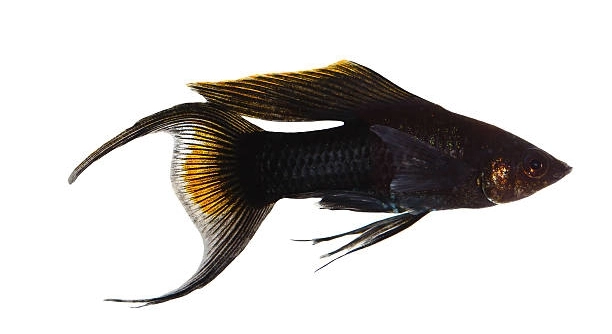
Black Mollies are popular freshwater fish in many home aquariums. They are known for their peaceful nature and lively swimming. Owners often enjoy watching their daily routines, especially around feeding time. These fish can be surprisingly attentive.
Black Mollies can remember feeding times to some extent. They are capable of learning routines and associating certain cues, like the sight of food or a caretaker’s presence, with feeding. This behavior demonstrates basic memory and conditioned responses.
Observing their habits can reveal subtle patterns that help maintain their health and happiness in your aquarium. Paying attention to these routines benefits both you and your fish.
How Black Mollies Learn Feeding Times
Black Mollies develop a sense of routine through repetition. Over several days, they start recognizing when food usually appears and begin swimming toward the top of the tank or gathering near the feeding area. They can also learn visual or auditory cues, like the sound of a food container being opened or a caretaker approaching. This conditioning allows them to anticipate feeding moments without immediate stimuli. Observing this behavior can be fascinating because it shows how adaptable these fish are. They often seem to “wait” or position themselves strategically, suggesting a basic memory that tracks time intervals. While they do not perceive time the way humans do, they respond to patterns in their environment. This recognition improves if feedings occur consistently at the same hours. Over time, even new tank additions can adjust quickly to this established routine, showing that Mollies are capable of learning from both experience and observation.
Consistency is key for their learning. Feedings at the same time improve recognition and reduce stress.
When feeding Mollies, it’s helpful to note how they respond to different types of food and timing. Some fish react immediately to flakes, while others prefer live or frozen options. By observing these preferences and their daily behavior, caretakers can create a feeding schedule that keeps all the fish active and healthy. Proper timing also prevents overeating and maintains water quality. A predictable routine not only teaches Mollies when to expect food but also encourages interaction and mental stimulation. Adjusting portions, observing reactions, and sticking to consistent hours ensures that feeding becomes an enriching part of their day, promoting well-being and activity in the tank.
Signs Your Mollies Recognize Feeding Time
Mollies often swim eagerly toward the surface when it’s near feeding time. They may crowd around the area or follow a caretaker.
These behaviors are signs of recognition. Fish may become more active or gather near specific tank areas before feeding. Some may even respond to subtle cues, like shadows or sounds, indicating that feeding is about to occur. By paying attention to these actions, caretakers can better understand their Mollies’ routines and adjust feeding practices to match their habits. These observations also highlight how Mollies use learned behavior to navigate their environment, which can be helpful for introducing new foods or tank mates. Recognizing these patterns ensures a smoother feeding process and reduces stress for the fish, maintaining harmony in the aquarium and supporting overall health.
Feeding Schedule Tips
Keeping a consistent feeding schedule helps Black Mollies stay healthy. Feeding them once or twice a day at the same time reinforces routine and reduces stress.
Using small portions is important. Overfeeding can cause water quality issues, while underfeeding may stunt growth. Observe how much your Mollies consume in a few minutes and adjust accordingly. Providing a variety of food, like flakes, pellets, or occasional live foods, ensures balanced nutrition. A predictable routine also encourages natural swimming and social behaviors, making the tank environment more lively. Consistency benefits both the fish and the caretaker, as you learn to anticipate their needs and respond appropriately.
Mollies can adapt to gradual changes in feeding times if necessary. Shift schedules slowly by a few minutes each day to avoid confusion. Consistent cues, such as tapping the tank or using a particular feeding tool, help them recognize new routines. Monitoring behavior during adjustments is key, as it shows how well they are learning and adapting to changes. This approach supports both physical health and mental stimulation in the aquarium environment.
Observing Behavioral Patterns
Mollies often display specific behaviors around feeding, like swimming near the surface or following caretakers’ movements. These actions indicate recognition and anticipation of food.
Some fish may become more active or group together before food appears, showing they have learned the schedule. Observing these patterns helps you understand individual preferences, feeding speed, and social interactions. It can also reveal stress signs, such as aggression or excessive hiding, allowing for timely adjustments in tank management. Tracking these behaviors over time gives insight into how your Mollies perceive routine and respond to environmental cues. This knowledge improves overall care and promotes a healthy, balanced aquarium ecosystem.
Food Preferences
Black Mollies often prefer a mix of flakes and small pellets. Adding occasional live or frozen foods keeps their diet balanced and interesting.
Observing which foods your Mollies eat first helps you understand their preferences. This can guide portion sizes and prevent waste.
Adjusting to New Feeding Times
Gradually shifting feeding times is the best approach. Move the schedule by a few minutes each day, allowing Mollies to adapt without stress. Consistent cues like tapping the tank or using the same feeding tool help them learn the new routine efficiently. Monitoring their behavior ensures adjustments are smooth and health is maintained.
Recognizing Hunger Signals
Mollies show clear signs when hungry, such as swimming actively near the surface or nudging other fish. Paying attention to these signals helps manage feeding amounts and maintain a healthy tank environment.
FAQ
Do Black Mollies eat at the same time every day?
Black Mollies can learn a feeding routine when meals are provided consistently. Feeding at the same time daily helps them anticipate food, reduces stress, and encourages natural activity. Over time, even small variations in timing may be noticed by the fish, but consistency improves overall behavior.
How much should I feed my Black Mollies?
Feed small portions that they can consume in about two to three minutes. Overfeeding can cause water quality problems, while underfeeding may affect growth. Offering a variety of flakes, pellets, and occasional live or frozen foods ensures balanced nutrition. Observing how quickly food disappears helps adjust portions accurately.
Can Mollies remember feeding cues from their caretaker?
Yes, Mollies respond to visual and auditory cues. They often associate movements, container sounds, or tapping with feeding. This conditioning shows basic memory and learning ability. Using the same cues daily strengthens recognition and reduces confusion during feeding times.
Is it okay to change feeding times occasionally?
Gradual adjustments are fine, but sudden changes may stress the fish. Move the feeding schedule in small increments, such as five to ten minutes per day. Maintaining consistent cues like tapping or a feeding tool helps them adapt smoothly to new times.
Do Mollies prefer live food over flakes or pellets?
Preferences vary between individuals. Many enjoy live or frozen foods for enrichment, but high-quality flakes and pellets can meet nutritional needs. Observing which food types they consume first helps guide feeding choices while maintaining a balanced diet. Variety encourages natural foraging behavior.
How can I tell if my Mollies are hungry?
Active swimming near the surface, gathering at the feeding area, and nudging other fish are common signs. They may follow caretakers’ movements or appear restless. Recognizing these behaviors ensures they are fed appropriately and helps prevent overfeeding.
Can feeding routines affect tank behavior?
Yes, predictable feeding schedules encourage regular activity and reduce aggression. Mollies may interact more naturally when they know when to expect food. Sudden changes or irregular feeding can lead to stress, hiding, or competition for food. Maintaining a routine promotes harmony in the aquarium.
Should I feed Mollies more often in warmer water?
Temperature influences metabolism. In slightly warmer water, Mollies may eat more frequently, but the same portion sizes should be monitored. Overfeeding is a greater risk than underfeeding. Adjust the schedule carefully and observe behavior to prevent water quality issues.
Do Black Mollies share food well with other fish?
Generally, Mollies are peaceful, but competition can occur with smaller or slower fish. Providing food in multiple areas or using varied forms helps all fish receive nutrition. Observing interactions during feeding ensures no individual is left out.
Can Black Mollies survive without a strict feeding schedule?
They can survive, but predictable routines improve overall health and reduce stress. Feeding at irregular times may cause confusion or overeating. Regular schedules support growth, mental stimulation, and general well-being, making life in the aquarium more stable for the fish.
Is it necessary to change food types frequently?
Variety is beneficial but not mandatory daily. Rotating flakes, pellets, and occasional live foods supports balanced nutrition and keeps feeding interesting. Gradual changes prevent digestive upset and encourage natural foraging instincts. Observing preferences helps tailor the routine effectively.
How do I introduce new food to my Mollies?
Offer small amounts alongside familiar foods to encourage acceptance. Gradually increase the new food portion over days. Monitoring consumption ensures the fish are eating properly and avoids waste. Patience and repetition help Mollies adapt to new diets without stress.
Can feeding routines prevent health issues?
Yes, consistent feeding supports digestion, reduces obesity risks, and maintains water quality. Regular observation during feeding can detect early signs of illness or unusual behavior. Proper routines combined with a balanced diet contribute to long-term health and active, vibrant fish.
What happens if I miss a feeding?
Missing an occasional feeding is not harmful, as Mollies can go short periods without food. However, repeated inconsistencies may cause stress and behavioral changes. Maintaining as much consistency as possible ensures stability and supports their learned feeding habits.
Are there signs of overfeeding to watch for?
Yes, leftover food, cloudy water, and sluggish behavior are common indicators. Excessive food can lead to poor water quality and digestive issues. Adjust portion sizes, remove uneaten food, and monitor daily feeding behavior to prevent problems.
Can Mollies recognize multiple feeding times in a day?
They can adapt to two small feedings per day if spaced consistently. Multiple routines should still be predictable and small in portion. Observing how they respond to each feeding helps fine-tune the schedule for health and activity.
Does tank size affect feeding behavior?
Yes, in smaller tanks, food may be consumed quickly, leading to more competition. In larger tanks, food can spread unevenly, so feeding in multiple areas may be necessary. Observing consumption patterns ensures all fish are fed fairly and efficiently.
Do Black Mollies forget feeding schedules after relocation?
New environments may confuse them initially. They often need a few days to adjust and relearn routines. Maintaining consistent cues and feeding times accelerates adaptation and helps reduce stress during transitions.
How long do Mollies remember feeding routines?
They can remember patterns for days to weeks if reinforced regularly. Interruptions or inconsistencies may weaken the memory, but repeated cues and schedules help retain learned behavior. Consistency is the key factor in maintaining recognition over time.
Can feeding routines improve fish interaction?
Yes, predictable feeding encourages social behavior and reduces aggression. Mollies become more active and coordinated around feeding times, leading to healthier interactions. Tracking these patterns supports both individual health and group dynamics in the tank.
Do Mollies need different feeding schedules as they grow?
Younger Mollies may require smaller, more frequent meals, while adults thrive on one or two feedings. Adjusting portion sizes according to age ensures proper growth, prevents overfeeding, and keeps the tank environment balanced. Observing appetite helps fine-tune routines for different life stages.
Is it okay to feed Mollies immediately after adding new tank mates?
Introducing food during initial acclimation can reduce stress and encourage normal behavior. Start with small portions and observe interactions closely. Consistent feeding cues help Mollies accept both the food and the new tank environment comfortably.
How do I know if a feeding routine is working?
Healthy activity, even feeding distribution, and minimal leftover food indicate a successful routine. Mollies appear alert, swim actively, and show predictable feeding behaviors. Adjustments may be needed if behavior changes or water quality declines, ensuring both health and harmony.
Can Black Mollies detect skipped meals?
They may notice irregularities, showing more active searching or increased attention to caretakers. Occasional missed meals are tolerated, but regular consistency maintains calm behavior and reinforces learned feeding patterns. Monitoring reactions helps maintain stability in the tank.
How important is observation during feeding?
Watching Mollies eat allows you to monitor health, recognize stress, and adjust portions. Observation also reveals preferences, social behavior, and overall activity. Consistent monitoring ensures feeding routines meet the fish’s needs and support a healthy aquarium environment.
Final Thoughts
Black Mollies are more intelligent than many people realize. They can learn routines, remember feeding times, and even respond to cues from their caretakers. Observing their behavior over time shows that they are capable of forming patterns and adjusting to a predictable environment. This makes them easier to care for than some other fish, especially when a consistent schedule is maintained. By sticking to regular feeding times, you give Mollies a sense of security. They know when to expect food, which reduces stress and encourages natural swimming and social behaviors. It also makes it easier to notice changes in behavior, appetite, or activity, which can signal health concerns early. A calm and predictable feeding routine benefits both the fish and the aquarium environment.
Feeding Mollies is not just about giving them food; it’s about creating structure. Small portions that match their consumption rate prevent overfeeding, maintain water quality, and keep the fish healthy. Offering a variety of flakes, pellets, and occasional live or frozen foods ensures they get the nutrients they need while staying active. Observing their preferences can guide you to provide the best diet. Some fish will go for certain foods first, while others may be slower or more selective. Watching these details helps you adjust portions and feeding strategies, making sure each fish receives enough without leaving excess food in the tank. Over time, Mollies learn to anticipate these routines, which can make feeding times an enjoyable and predictable part of daily care. Consistency, observation, and small adjustments form the foundation of responsible fishkeeping.
Understanding your Black Mollies’ feeding habits also improves their overall well-being. Predictable schedules encourage natural behaviors like grouping, swimming actively, and interacting with the environment. Sudden changes or irregular feedings can cause stress, hiding, or competition, so maintaining a routine is essential. Even when adjustments are necessary, such as changing feeding times or introducing new foods, gradual changes with consistent cues allow the fish to adapt without confusion. Watching how they respond to new schedules or food types can provide insight into their learning abilities and preferences. In the long term, following consistent routines, paying attention to hunger signals, and offering balanced nutrition keeps your Mollies healthy and active. Caring for them this way ensures a stable, lively aquarium while helping you develop a better understanding of their habits and needs.

Hello,
If you enjoy the content that we create, please consider saying a "Thank You!" by leaving a tip.
Every little bit helps us continue crafting quality advice that supports the health, happiness, and well-being of pets around the world, for pets of all shapes, sizes, and species.
We really appreciate the kindness and support that you show us!