
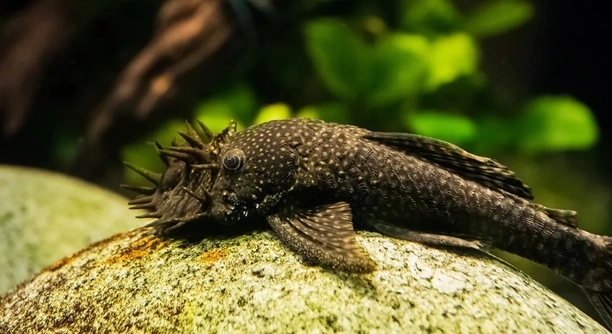
Do your plecos seem restless at night, swimming around instead of resting peacefully at the bottom of the tank like they usually do?
The main factors that disrupt pleco sleep cycles are improper lighting, unstable water conditions, excessive noise, and inconsistent feeding times. These environmental stressors interfere with their natural nocturnal rhythm, leading to irregular rest patterns and potential health concerns.
Understanding what causes these disturbances can help create a calmer, more stable environment that supports your pleco’s natural behaviors and overall well-being.
1. Inconsistent Lighting
Lighting plays a huge role in regulating a pleco’s natural sleep rhythm. When aquarium lights stay on too long or turn off at random times, plecos become confused about when to rest. These nocturnal fish rely on consistent light and dark cycles to feel secure and maintain a healthy routine. Bright lights can cause stress, making them hide constantly or swim restlessly. On the other hand, keeping the tank dark all day can disrupt their natural activity patterns. Using a timer for the lights helps mimic natural day and night cycles, reducing confusion and promoting better rest. A stable lighting schedule also encourages more predictable feeding and activity habits.
When light patterns stay regular, plecos naturally settle into calm resting periods during the day and become more active at night. This consistency helps them feel safer and more relaxed in their environment.
Aside from timing, consider the intensity of the light. Harsh or overly bright lighting can cause anxiety and drive plecos to hide all day, limiting their movement and disrupting their feeding cycle. Use moderate lighting with shaded areas in the tank where they can retreat. Adding driftwood or plants creates comforting spots that block excess light. Over time, this setup encourages natural sleeping behavior and allows your pleco to rest peacefully while maintaining a steady rhythm of activity and calm.
2. Poor Water Quality
Dirty or unstable water can quickly disturb a pleco’s normal sleep behavior. These fish are sensitive to changes in water chemistry, especially ammonia and nitrate levels.
When water parameters shift too often, plecos experience stress, which keeps them active when they should be resting. Maintaining clean, balanced water is essential for their comfort and natural sleeping rhythm. Regular water changes and reliable filtration prevent harmful buildup that could cause discomfort or illness. Test water weekly to ensure stability in temperature, pH, and oxygen levels. Plecos tend to rest more easily when conditions stay predictable and clean.
A good filtration system helps remove waste and maintain steady oxygen levels, which are vital for plecos’ overall health. Avoid overfeeding, as uneaten food can decay and affect the water’s balance. It’s also important to vacuum the substrate often, especially around hiding spots where debris collects. Clean water supports better sleep because plecos can relax without irritants affecting their breathing or skin. Keeping their habitat consistent not only improves sleep but also boosts energy, color, and appetite. When your tank stays clean and stable, your pleco feels secure enough to rest deeply and thrive.
3. Excessive Noise
Loud or sudden noises can cause constant stress for plecos, interrupting their natural rest patterns. Vibrations from nearby televisions, music, or frequent tank tapping can make them feel unsafe and prevent them from settling during daylight hours.
Plecos are sensitive to both sound and vibration, which travel easily through water. Consistent disturbances can keep them in a heightened state of alertness, leading to restlessness and fatigue. It’s best to keep the tank in a calm area away from household traffic and loud appliances. When the environment stays quiet, plecos rest more deeply and recover energy for nighttime activity. Maintaining peace around their habitat allows them to follow their normal cycle without unnecessary stress.
Even smaller vibrations, like heavy footsteps or nearby door slams, can disturb a resting pleco. If your tank is near a wall or speaker, try placing a soft mat underneath to reduce vibration transfer. The calmer and more stable the environment, the better your pleco will sleep. Providing consistent quiet time helps them feel safe enough to rest fully, which supports their long-term health and behavior balance. Over time, you’ll notice steadier activity levels and less hiding when noise levels remain low.
4. Unstable Temperature
Fluctuating water temperatures often cause stress that disrupts pleco sleep. These fish thrive in steady, warm conditions, and even small shifts can make them restless. A reliable heater and thermometer help prevent sudden drops or spikes that interfere with rest.
Plecos naturally slow down and rest better when temperatures stay consistent. Rapid changes can make them uncomfortable, increasing movement as they try to adjust. Aim for a stable range that matches their species needs, typically between 74°F and 80°F. Avoid placing the aquarium near windows or vents, as external temperature changes can affect the water. It’s also a good idea to check the heater regularly to ensure it’s working properly. Consistency in warmth not only helps your pleco sleep soundly but also supports digestion and immune function, keeping them healthy and balanced.
5. Inconsistent Feeding Schedule
Feeding plecos at random times can confuse their internal rhythm. Since they are mostly nocturnal eaters, irregular feeding patterns can cause stress and restlessness during the day when they should be resting peacefully.
Establishing a steady feeding routine helps regulate their activity levels. Feeding them in the evening aligns with their natural instincts and encourages proper rest during daylight hours. Consistency also helps them feel more secure and reduces unnecessary movement or stress.
6. Overcrowded Tank
Sharing space with too many fish can make plecos anxious and disrupt their rest cycles. Limited hiding spots or constant territorial disputes can prevent them from settling down and resting during the day.
Keep the tank balanced with enough room for each species. Adding caves, driftwood, or plants provides private spaces for your pleco to rest without interference. A calm, uncrowded tank allows them to feel safe and maintain their normal sleeping rhythm.
7. Lack of Hiding Spaces
Without enough hiding areas, plecos feel exposed and uneasy. This constant alertness stops them from fully resting during the day, which leads to fatigue and stress over time.
Adding more caves, driftwood, or decorations helps them feel secure, allowing for deeper rest and healthier behavior overall.
FAQ
How can I tell if my pleco isn’t sleeping properly?
You may notice your pleco becoming unusually active during the day or hiding less often. Some will pace along the glass or stay near the surface, showing signs of restlessness. When plecos do not sleep well, they can lose color and seem more skittish than usual. Their natural routine involves resting quietly in shaded areas during daylight hours. If this pattern changes, it’s often a sign of stress or environmental imbalance. Keeping a consistent routine and monitoring behavior closely will help you identify issues before they affect overall health.
Do plecos sleep with their eyes open?
Yes, plecos do sleep with their eyes open. Unlike humans, fish lack eyelids, so they cannot close their eyes when they rest. Instead, they become still, lower their activity level, and often settle near the bottom or under decorations. During this time, their metabolism slows down, and they conserve energy. You might notice subtle movements in their fins or gills, but they are resting. It’s important not to disturb them when they are inactive during the day, as consistent rest is essential for proper health and stress recovery.
Can lights at night disturb my pleco’s sleep?
Yes, keeping lights on at night can significantly disrupt a pleco’s sleep. These fish are naturally nocturnal, meaning they prefer activity during the dark hours and rest when the lights are on. Artificial light exposure during their resting period can confuse their biological rhythm, making them stay active when they should be calm. It’s best to keep the aquarium dark at night and use a soft blue “moonlight” only if needed for viewing. Maintaining a proper light schedule allows your pleco to adjust comfortably and reduces overall stress levels.
What type of hiding spaces are best for plecos?
Plecos enjoy having secure hiding spots where they can rest undisturbed. Caves made from smooth rocks, ceramic tubes, and pieces of driftwood work well. Natural-looking decorations provide comfort and help mimic their native environment. Plants, both real and artificial, also create shaded areas where plecos can retreat. Ensure there are enough spaces for your pleco to hide completely without being disturbed by tankmates. The goal is to create a calm and shaded environment that supports both rest and privacy. Well-designed hiding spots promote relaxation and better overall health.
How often should I feed my pleco to support a healthy sleep cycle?
Feeding once a day, preferably in the evening, helps align with your pleco’s natural nocturnal behavior. Overfeeding can cause leftover food to rot, affecting water quality and increasing stress. A consistent schedule trains your pleco’s internal rhythm, so they know when to expect food and when to rest. Make sure the food sinks to the bottom since plecos are bottom dwellers. Balanced feeding paired with clean water and steady lighting helps regulate their sleep and supports healthy activity levels at night.
Can tankmates affect a pleco’s sleep?
Yes, aggressive or overly active tankmates can prevent plecos from resting properly. Fish that chase or disturb them during daylight hours cause unnecessary stress and interrupt sleep. It’s best to choose peaceful species that respect territory boundaries. Providing enough space and multiple hiding spots minimizes interactions and ensures your pleco feels safe. If your pleco appears anxious or stays hidden all the time, it may be a sign of incompatible tankmates. Observing tank behavior helps you adjust before it affects their health and rest patterns.
Is it normal for plecos to move around while resting?
Occasional slow movement during rest is normal. Plecos may adjust their position or fan their fins gently to keep water flowing over their gills. However, constant movement or swimming around the tank during daylight could signal discomfort or environmental stress. Check lighting, water quality, and tank temperature to rule out disturbances. Plecos thrive best when they can remain still for long periods during the day and become active at night. Observing consistent rest during daylight is a sign of a comfortable, balanced environment.
Can stress permanently affect a pleco’s sleep cycle?
Long-term stress can cause chronic sleep disruption in plecos. Constant exposure to poor water conditions, loud noises, or temperature changes prevents them from establishing a steady routine. Over time, this can weaken their immune system and reduce activity at night. Recovery is possible with proper care and consistency. Once the environment stabilizes, plecos typically regain their normal rhythm. Keeping stress low through stable water parameters, good lighting habits, and quiet surroundings ensures they can rest deeply and maintain good health.
Final Thoughts
Caring for plecos goes beyond feeding and cleaning the tank. Their sleep cycle is an important part of their overall health, and it often goes unnoticed. When plecos cannot rest properly, they become stressed, which affects how they eat, move, and interact. Creating a stable environment with calm lighting, consistent water conditions, and quiet surroundings helps them feel safe enough to rest. Small changes like setting a timer for the aquarium light or placing the tank in a peaceful corner can make a big difference. Over time, these adjustments bring balance back to their rhythm, allowing them to rest during the day and explore freely at night.
Understanding what disturbs your pleco’s sleep helps prevent long-term problems. Irregular feeding, unstable temperatures, and overcrowded tanks can all cause unnecessary stress. These disruptions may not seem serious at first, but they slowly weaken your pleco’s immune system. Consistency is key when it comes to maintaining their comfort. Keeping a predictable routine makes plecos feel secure, and that sense of safety encourages healthy sleep. Observing your fish daily also helps you notice subtle changes, such as restlessness or unusual swimming behavior, which can signal an issue before it worsens. When their environment remains stable and calm, plecos display better color, steady growth, and a more relaxed temperament.
In the end, a pleco’s sleep health depends entirely on how well its surroundings are managed. A clean, quiet, and structured environment provides everything they need to follow their natural rhythm. When they rest properly, they conserve energy, digest food efficiently, and maintain a healthy balance between activity and calm. It’s rewarding to see them thriving—resting peacefully in the day and moving gracefully at night. These moments remind you that good fish care is about consistency and attention to detail, not constant adjustment. By understanding the small factors that shape their daily cycle, you can give your pleco a stable, stress-free home that supports long-term well-being. Creating this balance ensures that your pleco not only survives but truly thrives in its aquarium, showing you the quiet beauty of a well-cared-for, content fish.

Hello,
If you enjoy the content that we create, please consider saying a "Thank You!" by leaving a tip.
Every little bit helps us continue crafting quality advice that supports the health, happiness, and well-being of pets around the world, for pets of all shapes, sizes, and species.
We really appreciate the kindness and support that you show us!