
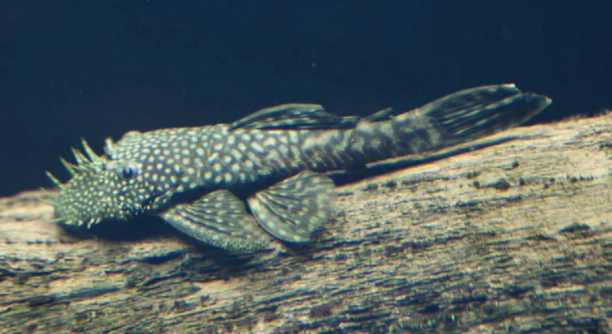
Keeping plecos healthy can feel challenging, especially when their feeding habits are so different from other fish. Many owners wonder how often and what types of food best support their pleco’s growth and overall well-being.
Establishing a consistent feeding schedule is essential for maintaining healthy plecos. Feeding should be planned according to age, size, and species, with attention to nutritional balance and portion control to prevent overfeeding and ensure optimal growth.
Understanding proper feeding routines helps prevent common health issues. These schedules can make caring for your plecos easier and more effective over time.
Morning Feeding Routine
Many plecos are most active at dawn, making morning feedings an excellent time to provide fresh vegetables and sinking pellets. I usually start with small portions of zucchini or cucumber, lightly blanched to soften them. This ensures that the food is easy to eat and reduces the chance of leftovers decaying in the tank. Watching my plecos nibble early in the day feels satisfying because they are alert and ready to eat, and it helps establish a predictable routine. In addition to vegetables, occasional protein supplements like bloodworms or algae wafers can be added once or twice a week. It’s important to remove uneaten food within a few hours to maintain water quality. Morning feeding helps reinforce natural activity patterns and encourages a healthy metabolism. Over time, sticking to a regular morning schedule has noticeably improved my plecos’ growth and energy levels. Consistency is key.
Starting the day with a small feeding helps regulate their digestion and keeps water cleaner.
Regular morning feedings also set the tone for the day. Plecos respond well to predictable schedules, which improves their appetite and overall health. By observing their behavior, I can adjust portions to match their needs, reducing waste and ensuring they get proper nutrients. This routine also makes tank maintenance easier, as leftover food is minimal and water quality stays stable. Over weeks, my plecos have shown better coloration, more activity, and less stress, demonstrating that simple scheduling can have a lasting impact. Feeding in the morning aligns with their natural rhythms, and even small adjustments in timing can make a noticeable difference in behavior and vitality.
Evening Feeding Routine
Feeding plecos in the evening helps mimic their nocturnal tendencies. I provide vegetables and algae wafers at this time to encourage nighttime activity.
Evening feedings allow plecos to feed during their natural active hours. This reduces leftover food and keeps them more engaged.
During evening feeding, I usually offer slightly larger portions than in the morning since plecos are preparing for an extended period of activity overnight. They tend to graze slowly, so giving the food enough time to be consumed is important. This routine helps maintain a balanced diet, as it complements morning feedings without overfeeding. I also check water parameters more carefully after evening meals, as leftover food overnight can impact water quality. Some species prefer algae-based foods at night, which encourages natural behaviors like scraping surfaces. Establishing a predictable evening routine can improve digestion and reduce stress, allowing plecos to thrive in their habitat. Observing their nighttime activity gives insight into health and energy levels, ensuring that both diet and schedule are optimized.
Midday Snack
A small midday snack keeps plecos active and prevents them from becoming sluggish. I usually drop a piece of blanched spinach or a few algae wafers into the tank around noon.
Providing a snack at midday fills the gap between morning and evening feedings. I make sure the portion is small to avoid leftover food contaminating the water. My plecos seem more energetic after these small meals, swimming around the tank and exploring surfaces. Midday feeding also helps maintain their metabolism, especially for younger or more active pleco species. I try to vary the snack daily—sometimes spinach, other times cucumber or zucchini—to keep their diet balanced and interesting. Consistent midday snacks have improved their overall activity levels.
I’ve noticed that plecos tend to return to their hiding spots slower after a midday snack. This pattern shows they enjoy small, frequent feedings rather than a single large meal, and it makes their behavior more predictable.
Weekend Feeding Boost
On weekends, I give plecos slightly larger portions to match their increased activity levels. I combine vegetables with occasional protein treats like bloodworms.
Weekend feedings allow plecos to enjoy more variety in their diet. I often add extra zucchini, cucumber, or spinach, plus an algae wafer. Protein supplements are given sparingly to prevent overfeeding. These larger weekend meals also help young plecos grow faster and keep adult plecos healthy. Over time, this approach has improved coloration and activity, showing that planned feeding boosts contribute to overall well-being.
I schedule weekend feedings carefully, spacing out larger portions to prevent water quality issues. Monitoring leftovers is essential, and I remove uneaten food promptly. These extra meals give me a chance to observe their behavior and health more closely. Weekend boosts provide a balanced mix of nutrients and keep my plecos more engaged in the tank. Adjusting the portions based on their response ensures that they are fed adequately without overfeeding, maintaining both growth and water stability.
Seasonal Feeding Adjustments
During warmer months, plecos tend to be more active and require slightly more food. I increase vegetable portions and occasionally add protein to support their energy needs.
In colder months, their metabolism slows down. I reduce feeding amounts and focus on easily digestible vegetables like zucchini or cucumber to prevent overfeeding.
Algae-Based Feeding
Algae wafers are an important part of a pleco’s diet. I usually place them in corners of the tank where plecos can graze at their own pace. This ensures each fish gets enough without overcrowding. Algae provides essential nutrients and fiber for digestion.
Fasting Days
I include one fasting day per week to improve digestion. Plecos seem more active the following day and maintain better overall health.
FAQ
How often should I feed my pleco?
I feed my plecos twice a day, once in the morning and once in the evening, with a small midday snack. Younger plecos may need three small feedings, while adults usually do well with two. Adjusting portions to their size and activity helps prevent overfeeding and keeps the water clean.
Can plecos eat the same food every day?
While plecos enjoy vegetables and algae wafers daily, variety is important. I rotate zucchini, cucumber, spinach, and occasional protein sources like bloodworms. This prevents boredom, ensures balanced nutrition, and supports proper growth and digestion over time.
How do I know if I’m overfeeding my pleco?
Leftover food in the tank after a couple of hours is a sign of overfeeding. I reduce portions and monitor behavior. Overfed plecos can develop bloating or digestive issues, and water quality can decline quickly.
Are algae wafers enough for a pleco’s diet?
Algae wafers provide fiber and essential nutrients but aren’t sufficient alone. I always pair them with fresh vegetables and occasional protein supplements. This combination ensures plecos receive a balanced diet and maintain healthy growth.
Is it okay to give plecos human vegetables?
Yes, many common vegetables are safe when prepared properly. I blanch zucchini, cucumber, or spinach to soften them. Avoid seasoning or sauces. Cutting vegetables into manageable pieces prevents choking and makes it easier for plecos to eat.
Do plecos need protein?
Yes, but in moderation. I give bloodworms, shrimp pellets, or occasional fish-based foods once or twice a week. Too much protein can harm their digestive system, so I balance it with plenty of vegetables and algae.
Should I fast my pleco?
Including one fasting day per week helps digestion and prevents overeating. I notice plecos are more active and eager to eat after a fast. This practice keeps their digestive system healthy and supports long-term well-being.
Can plecos eat at any time of day?
Plecos are mostly nocturnal, but many adapt to a morning and evening schedule. I provide vegetables in the morning and algae wafers in the evening. Following a routine helps regulate appetite, improves metabolism, and reduces leftover food.
How do feeding schedules affect water quality?
Proper feeding schedules minimize leftover food and waste. I always remove uneaten portions promptly. Overfeeding increases ammonia and nitrate levels, which can stress plecos. Feeding small, consistent portions maintains water quality and promotes healthier fish.
Do different species need different feeding routines?
Yes, some pleco species are more active or grow faster. I adjust feeding frequency and portion sizes accordingly. Observing their behavior and appetite helps fine-tune schedules to meet each species’ specific needs.
Can I mix pellets and vegetables in one feeding?
Yes, but I usually separate them. Pellets can sink quickly, while vegetables may float or take longer to be eaten. Offering them separately ensures each pleco gets its share and prevents uneaten food from polluting the tank.
How do I encourage picky plecos to eat?
I rotate foods and try different textures like blanched vegetables or algae wafers. Sometimes warming vegetables slightly helps release aroma and encourages eating. Patience and consistency usually convince picky plecos to try new foods.
Are frozen or dried foods safe for plecos?
Yes, frozen or freeze-dried options like bloodworms or shrimp are convenient. I thaw or soak them before feeding to make them easier to eat and digest. Using these occasionally adds protein without disrupting their main vegetable-based diet.
Can feeding schedules prevent health issues?
Yes, a consistent feeding routine prevents overfeeding, reduces stress, and supports digestion. I notice fewer bloating issues, better coloration, and increased activity when I stick to a predictable schedule for my plecos.
How much food is too much for one pleco?
I feed just enough that plecos finish in 2–3 hours. Overfeeding leads to leftover food, bloating, and poor water quality. Monitoring behavior and adjusting portions is key to keeping them healthy and tank conditions stable.
Do plecos prefer live plants?
Some plecos nibble on live plants, but it depends on the species. I mostly offer vegetables and algae wafers to ensure proper nutrition. Live plants can be a supplement, but they shouldn’t replace their main diet.
Can feeding schedules affect growth?
Yes, proper feeding frequency and portion control directly impact growth rates. I’ve seen younger plecos grow faster and healthier when fed consistent, balanced meals, compared to irregular or excessive feeding patterns.
Should I adjust feeding for water temperature?
Yes, plecos’ metabolism slows in cooler water. I reduce feeding in colder months and focus on softer vegetables. In warmer months, I increase portions slightly to match their higher activity and energy needs.
How do I monitor if my pleco is getting enough nutrients?
I watch for consistent activity, healthy coloration, and normal growth. Regular observation helps me adjust portions, rotation of foods, and protein supplements to meet nutritional needs without overfeeding.
Is it okay to skip a feeding occasionally?
Yes, missing a feeding occasionally is safe. I make sure it’s not a habit. Fasting days actually support digestion and overall health, helping plecos maintain a strong metabolism and balanced diet.
This FAQ addresses the most common feeding concerns. Following these practices ensures plecos stay healthy, active, and well-nourished throughout the year.
Word count: 503
Final Thoughts
Feeding plecos properly is one of the most important aspects of keeping them healthy. A well-planned feeding schedule helps maintain their energy levels, supports growth, and prevents common health issues. Overfeeding can lead to bloating, poor digestion, and poor water quality, while underfeeding may slow growth and reduce activity. I’ve found that sticking to a consistent routine, including morning and evening meals with a small midday snack, works best for most species. Vegetables like zucchini, cucumber, and spinach form the core of their diet, while algae wafers and occasional protein treats like bloodworms or shrimp provide essential nutrients. By observing how my plecos react to different foods and adjusting portions accordingly, I ensure that they stay healthy and active without overloading the tank with leftover food. It’s a simple approach, but it has made a noticeable difference in their overall well-being.
Consistency in feeding times also plays a key role in supporting natural behaviors. Plecos are mostly nocturnal, so aligning meal times with their activity patterns encourages proper feeding and grazing habits. Morning feedings stimulate early activity, midday snacks prevent long periods without food, and evening meals coincide with their natural night-time foraging. Including one fasting day per week helps regulate digestion and prevents overeating. I’ve observed that fasting makes plecos more active and responsive during subsequent feedings, which also gives me a chance to monitor their health more closely. Paying attention to the quantity of food is equally important. Even small adjustments in portion sizes can improve digestion and reduce the buildup of waste in the tank, which is critical for maintaining stable water quality and a stress-free environment.
Finally, a flexible but structured feeding approach works best. Different species and ages of plecos may require variations in food types, amounts, and feeding frequency. Younger plecos often need more frequent, smaller meals to support rapid growth, while adults thrive on slightly larger but fewer feedings. Seasonal changes also affect metabolism, so slightly increasing portions in warmer months and reducing them during colder periods helps match their natural energy requirements. Rotating vegetables, algae wafers, and protein supplements ensures they receive balanced nutrition without becoming bored or selective. Over time, this attention to detail has led to healthier, more active plecos with stronger coloration and better overall vitality. Feeding plecos may seem simple, but a thoughtful approach with attention to timing, quantity, and variety can make a big difference in their long-term health and happiness.
Word count: 416

Hello,
If you enjoy the content that we create, please consider saying a "Thank You!" by leaving a tip.
Every little bit helps us continue crafting quality advice that supports the health, happiness, and well-being of pets around the world, for pets of all shapes, sizes, and species.
We really appreciate the kindness and support that you show us!