
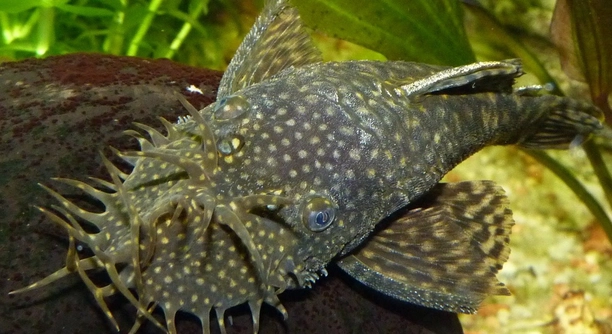
Are your plecos not growing as quickly as you expected, leaving you wondering what could be holding them back in your aquarium?
The most common reasons for stunted pleco growth include poor water quality, inadequate diet, insufficient tank size, and high stress levels. These factors can disrupt their metabolism, hinder development, and ultimately prevent them from reaching their full potential.
From hidden tank stressors to overlooked feeding habits, several small details can make a big difference in helping your pleco thrive and grow stronger.
Poor Water Quality
When plecos stop growing, poor water conditions are often to blame. Dirty or unbalanced water can cause stress, sickness, and slow development. Ammonia, nitrite, and nitrate levels that are too high can damage their gills and organs, making it hard for them to absorb oxygen properly. Even slightly unclean water can impact their appetite and overall energy. Frequent water testing, partial changes, and proper filtration are key to maintaining a healthy tank. Clean water not only supports growth but also keeps your pleco’s immune system strong. When the water remains balanced and consistent, your pleco has the best chance to thrive.
Plecos need stability more than anything. Rapid changes in pH or temperature can quickly affect their growth. Keeping the environment calm, clean, and well-filtered helps them stay active and continue developing normally.
A stable and well-maintained tank builds a strong foundation for healthy growth. With proper water care, your pleco can reach its full size naturally, without unnecessary stress or illness holding it back. Regular maintenance ensures not only growth but a vibrant, active pleco that feels secure in its environment. Think of good water quality as the base for everything your fish needs—comfort, strength, and longevity all begin there.
Inadequate Diet
A poor diet is another major reason plecos fail to grow properly. Many owners assume they can live only on algae, but this is not true.
Plecos are omnivores, meaning they need both plant-based and protein-rich foods to grow well. A diet limited to algae wafers or leftover fish food will not meet their nutritional needs. They require a mix of vegetables such as zucchini, cucumber, and spinach, along with protein sources like shrimp pellets or bloodworms. Feeding should be consistent and balanced, ensuring your pleco receives the nutrients it needs for energy and development. Overfeeding, however, can lead to waste buildup and poor water quality, which circles back to slower growth. Feeding them right before lights out helps, as they are more active at night. With a well-rounded diet and steady feeding schedule, your pleco will grow stronger, healthier, and display its natural colors beautifully.
Small Tank Size
A small tank can limit a pleco’s growth more than most realize. Without enough swimming space, their movement and development slow down, causing stress and stunted size over time.
Plecos are large, active fish that need room to explore and feed properly. A cramped tank restricts their activity and makes waste accumulate faster, lowering water quality. For most species, a minimum of 75 gallons is ideal as they grow. Smaller tanks can make them lethargic, shy, and prone to illness. A spacious environment allows them to move freely, find food easily, and display natural behaviors. More space also supports stable water conditions, keeping them healthy.
When upgrading the tank, include hiding spots like caves and driftwood to reduce stress. These features make your pleco feel secure and promote steady growth. A roomy, clean tank paired with proper maintenance encourages natural development and keeps your pleco active and content.
High Stress Levels
Stress can quietly stop your pleco’s growth, even when water and food conditions seem perfect. Frequent disturbances, overcrowding, and harsh lighting can make them hide more and eat less.
Plecos are sensitive to environmental changes, and constant stress weakens their immune system. Aggressive tank mates can also make them fearful, forcing them to hide for long periods. This reduces feeding time and impacts their overall health. Keeping the tank calm with gentle lighting, peaceful companions, and stable conditions helps ease their anxiety. Avoid tapping on the glass or moving decorations too often, as these actions can unsettle them. When a pleco feels secure, it becomes more active and feeds properly, which directly supports growth. Managing stress is just as important as feeding and cleaning—peaceful surroundings create the comfort they need to grow naturally and live longer.
Poor Oxygen Levels
Low oxygen levels can make plecos sluggish and stop their growth. When the water lacks proper circulation, they struggle to breathe and may spend more time resting near the surface or staying inactive at the bottom.
Adding air stones, increasing surface movement, and cleaning filters regularly can help boost oxygen. A well-oxygenated tank keeps plecos energetic and encourages better feeding and digestion, both of which support consistent growth.
Inconsistent Water Temperature
Plecos need stable water temperatures to stay healthy and grow properly. Sudden drops or spikes can slow their metabolism, reduce appetite, and cause unnecessary stress. Using a reliable heater and thermometer helps maintain consistency throughout the day.
A temperature between 74°F and 80°F suits most pleco species. Stability matters more than perfection—constant fluctuation weakens their immune system and leads to slower development. Keeping the water steady helps them stay active, eat well, and continue growing naturally.
Lack of Hiding Spots
Without hiding spots, plecos feel exposed and unsafe, which can limit their growth. Driftwood, caves, and plants give them comfort and a sense of security, reducing stress and encouraging natural behavior.
FAQ
Why is my pleco not growing even though I feed it every day?
Feeding your pleco daily doesn’t always mean it’s getting the nutrients it needs. Overfeeding the wrong foods or relying only on algae wafers can slow growth instead of supporting it. Plecos are omnivorous and require a balanced mix of plant and protein-based foods. Offering blanched vegetables like zucchini and spinach, along with shrimp pellets or bloodworms, helps provide the nutrients they need to develop properly. Feeding at night when plecos are most active also ensures they get enough food before tankmates eat it first. A proper diet combined with clean water will gradually help your pleco grow stronger.
How often should I clean my pleco’s tank?
Regular cleaning is crucial for a pleco’s growth and health. Partial water changes should be done weekly, removing about 25–30% of the tank water. This keeps nitrate levels low and prevents waste buildup. Clean filters once a month to maintain good flow, but avoid overcleaning, as beneficial bacteria are needed to keep the tank balanced. Wiping algae from the glass and vacuuming the substrate helps maintain a healthier environment. Clean water reduces stress, keeps oxygen levels stable, and supports proper digestion—all of which encourage growth.
Can plecos outgrow their tank?
Yes, plecos can quickly outgrow small tanks. Many species, such as the common pleco, can reach over a foot in length. When kept in a small environment, their growth slows and health problems begin to appear. Limited swimming space affects muscle development and causes stress. A tank of at least 75 gallons is recommended for most medium to large plecos. If you notice your fish becoming sluggish or showing reduced appetite, upgrading their tank can make a big difference. Providing space to move and hide freely helps them grow naturally and stay active.
Do plecos grow faster in groups or alone?
Plecos do not rely on social interaction for growth. In fact, overcrowded tanks can cause competition for food and territory, leading to stress. Stress slows down their metabolism and stunts growth. Keeping a pleco alone or with peaceful species is ideal. If you have more than one pleco, ensure there’s enough space, hiding spots, and food for each one. Some species can be territorial, so separating them by size or adding barriers can prevent fighting. A calm environment with enough resources supports better growth and health.
What should I do if my pleco has stopped eating?
A pleco refusing food can signal poor water conditions, illness, or stress. First, check the tank’s temperature, ammonia, and nitrate levels. If the water quality is poor, perform a partial change immediately. Offer fresh vegetables or switch to a different type of sinking food to tempt them. Sometimes, plecos eat mostly at night, so it might seem like they aren’t eating during the day. Keeping the lights dim and reducing tank activity during feeding time helps them feel safe enough to eat. Once they start feeding regularly again, their growth will improve.
How long does it take for a pleco to reach full size?
The growth rate depends on the species and care provided. Common plecos can take around two to three years to reach their full size, while smaller species may mature faster. Proper diet, clean water, and stable conditions help them grow steadily without delays. Poor maintenance, however, can slow this process significantly. Growth should be gradual, not rushed, as rapid changes can harm their health. Patience and consistency are key—when their environment stays balanced, your pleco will naturally reach its full potential over time.
Can lighting affect pleco growth?
Yes, lighting can influence pleco behavior and growth indirectly. Bright, harsh light can stress them out, making them hide more and eat less. Plecos prefer low to moderate lighting conditions. Using dim or shaded light encourages them to be more active during feeding times. Adding floating plants or creating shaded areas with driftwood can help reduce brightness. When plecos feel secure in their environment, their feeding habits improve, leading to healthier growth. Balanced lighting not only supports their comfort but also helps maintain a stable rhythm in the tank.
What’s the best way to encourage healthy growth in plecos?
The best way to support healthy growth is by maintaining clean water, providing a balanced diet, and keeping stress levels low. Regular water changes, proper filtration, and consistent temperature make a huge difference. Offer a variety of foods and include hiding spots like caves and driftwood to make them feel secure. Avoid overcrowding and use peaceful tank mates to reduce aggression. Growth is the result of consistent care rather than quick fixes. When your pleco feels safe, eats well, and lives in clean water, it will grow naturally and remain healthy for years.
Final Thoughts
Caring for plecos takes patience and consistency, but the results are rewarding. These fish are slow growers by nature, and their progress depends on how well their environment meets their needs. Small details like clean water, a stable temperature, and proper filtration have a bigger impact than most people realize. When these factors are well-balanced, plecos become more active, feed regularly, and grow at a steady pace. Growth is not only about size—it’s also about the fish’s health, behavior, and overall comfort. A pleco that feels secure in its surroundings will show brighter colors, smoother movement, and a calm, natural rhythm in the tank.
Many pleco owners underestimate the importance of space and diet. A large tank is not just about giving them room to swim—it helps stabilize the water and prevents waste from building up too fast. It also reduces stress and encourages exploration, which plays a big part in their growth. Food variety is another key element. While algae may seem like enough, plecos need a balanced mix of vegetables and protein-rich foods to thrive. Consistent feeding schedules, combined with night feedings, can ensure they get the nutrition they need without overfeeding. When these simple habits become routine, your pleco’s growth becomes much more predictable and healthy.
Above all, the goal is to create a calm, natural, and balanced environment. Growth problems are often signs that something in the tank is off—too much waste, too little oxygen, or too much stress. Regular observation helps you spot these issues early. Watching your pleco’s behavior, eating patterns, and energy levels can tell you a lot about its well-being. Adjusting one or two small things, like water changes or lighting, can make noticeable improvements over time. Healthy plecos are resilient and respond quickly once their environment stabilizes. With steady care, clean water, and a thoughtful feeding routine, your pleco will continue to grow into a strong and beautiful fish. The process may take time, but it’s worth it to see your pleco thrive in a tank that truly supports its natural needs.

Hello,
If you enjoy the content that we create, please consider saying a "Thank You!" by leaving a tip.
Every little bit helps us continue crafting quality advice that supports the health, happiness, and well-being of pets around the world, for pets of all shapes, sizes, and species.
We really appreciate the kindness and support that you show us!