
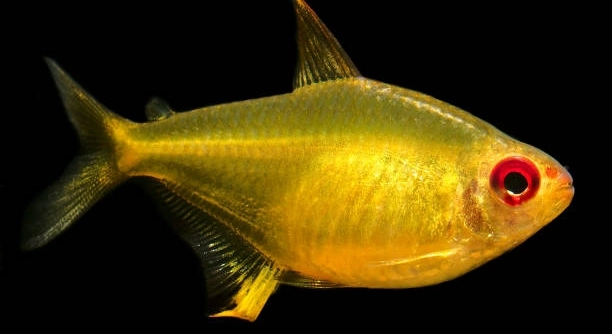
Are your lemon tetras looking a little dull lately, leaving you unsure about what might be affecting their bright appearance as the days go by and their once vibrant colors begin to fade over time.
Lemon tetras typically lose color due to stress, inadequate diet, poor water quality, illness, aging, incompatible tank mates, and unstable environmental conditions. These factors disrupt key processes, leading to diminished pigmentation that becomes noticeable as their health and stability decline.
Learning what triggers color loss will help you support behavior and create conditions that keep your lemon tetras looking brighter.
Stress From Environmental Changes
Stress from sudden changes in the tank can affect the appearance of your lemon tetras more quickly than many people expect. When their surroundings shift too often, these small fish react by pulling back their natural brightness, which can make them look tired or out of place. Moving decorations, altering lighting, or rearranging equipment might seem harmless, but these adjustments create constant shifts that your fish must adapt to. Over time, the stress from these repeated changes builds up and begins to show through duller colors and slower activity. Keeping their space predictable helps them feel secure and supports their natural coloring with more stability. This stability becomes even more important in smaller tanks, where little disruptions feel stronger to the fish. Maintaining steady routines with water care, feeding, and lighting encourages healthier behavior. When their surroundings remain calm, lemon tetras hold onto their bright tones with greater consistency day.
Stable surroundings reduce the strain on your lemon tetras by giving them a sense of predictability throughout the day. With fewer disruptions, their bodies can direct more energy toward maintaining bright colors. This simple approach creates a calmer environment that supports overall stability and helps them display healthier behavior daily.
Creating a low stress environment also means paying attention to the small details that shape their daily routine. Avoid abrupt lighting changes, harsh noises, or sudden movements near the tank, as these moments can cause tension in sensitive fish. Using a consistent schedule for feeding and water care helps them feel secure. Even minor changes should be gradual to prevent unnecessary reactions. When you introduce something new, give them time to adjust at their own pace. These simple habits provide stability that allows their natural colors to return more fully while supporting better behavior and a healthier aquarium atmosphere overall.
Inadequate Nutrition
Poor nutrition can weaken your lemon tetras and quickly affect the brightness of their scales. When their diet lacks essential nutrients, their bodies struggle to support normal coloring. Balanced feeding helps them maintain stronger pigmentation and encourages steadier behavior that reflects better overall well being in the tank each day.
A well rounded diet is one of the most important factors in keeping lemon tetras vibrant. These small fish rely on a steady supply of nutrients to support healthy pigmentation, so a limited or repetitive diet can weaken their appearance over time. Offering a mix of quality flakes, micro pellets, and occasional protein rich treats provides a balanced variety that benefits their overall health. Color enhancing foods can also help, but they should be used as part of a broader routine rather than the only source of nutrition. When feeding, it is helpful to offer small portions they can finish within a few minutes to prevent waste from clouding the water. Clean water and proper feeding habits work together to reduce stress and maintain brighter colors. Rotating foods keeps their meals interesting while supporting different nutritional needs. With consistent care and attention to dietary balance, your lemon tetras can regain their natural shine and remain active with greater stability. Providing occasional plant based foods like spirulina flakes gives them added nutrients that support stronger immune function and better energy. Keeping meals varied and nutrient rich encourages steadier coloration and helps them stay healthy within the tank’s normal conditions each day.
Poor Water Quality
Dirty or unstable water conditions weaken your lemon tetras and interrupt their natural coloring. When ammonia, nitrite, or nitrate levels rise, their bodies struggle to maintain normal pigmentation, and their behavior becomes less steady as the stress from poor water conditions continues to build.
Clean and balanced water supports healthier coloring by reducing the strain on their bodies. Regular water changes, proper filtration, and avoiding overfeeding help keep the environment stable. Testing the water weekly ensures you catch any imbalances before they affect your fish. When parameters stay within safe ranges, your lemon tetras maintain stronger color and move more comfortably within the tank.
Small adjustments to your tank care routine can make a noticeable difference in their appearance. Keep the filter clean, rinse media gently, and avoid sudden changes in temperature when performing maintenance. Stability is key, and providing steady conditions helps their bodies recover. Over time, the combination of clean water and predictable care supports brighter coloring and smoother daily activity.
Illness and Disease
Illness can drain the energy your lemon tetras need to maintain healthy pigmentation. When their bodies fight infections, they redirect resources away from coloration, which leads to pale or faded tones. Catching early signs of illness helps prevent long term changes to their appearance.
Maintaining a clean and consistent environment lowers the risk of disease and supports their natural brightness. Watch for symptoms like clamped fins, unusual marks, or sluggish movement, then respond quickly if something looks off. A separate quarantine tank is useful for treating issues without disturbing the main group. Use gentle medications when necessary, and always follow proper dosing. Good hygiene, clean equipment, and regular observation create a safer space for your fish. When their health stays steady, their colors return more fully, and they move with greater confidence throughout the tank.
Aging
Aging gradually softens the bright tones of lemon tetras as their bodies slow down. Their pigments become less intense, and their activity levels may shift over time. This natural change does not indicate poor care, just a normal part of their development within the tank.
Giving older lemon tetras a calm and steady environment helps them maintain the best color they can at their age. Gentle lighting, clean water, and consistent routines support their comfort. While their tones may not return to youthful brightness, stable care helps them stay healthy and active each day.
Incompatible Tank Mates
Aggressive or overly active tank mates can make lemon tetras nervous and more likely to lose color. When they feel threatened, they retreat from normal behavior and show pale tones more often. Keeping them with peaceful species reduces stress and supports steadier pigmentation.
Unstable Environmental Conditions
Frequent fluctuations in temperature or lighting lead to ongoing tension in lemon tetras. Their bodies respond by fading in color as they adjust to inconsistent surroundings. Stable conditions help them hold their natural brightness with greater ease.
FAQ
Why is my lemon tetra suddenly losing color?
A sudden loss of color usually signals stress, poor water quality, or illness. Lemon tetras rely on stable conditions and proper nutrition to maintain bright tones. Any abrupt changes in their environment, aggressive tank mates, or contaminated water can quickly lead to pale or dull scales.
Can diet really improve their color?
Yes, diet plays a major role in pigmentation. Providing a mix of high quality flakes, micro pellets, and occasional protein-rich treats gives the nutrients needed for healthy scales. Foods with natural color enhancers like spirulina can support brighter yellows, but variety is essential to avoid deficiencies.
How often should I change the water?
Regular water changes are crucial. Weekly partial water replacements of about 20-30% keep ammonia, nitrites, and nitrates in safe ranges. Clean water reduces stress, supports immune function, and allows lemon tetras to maintain consistent, vibrant coloring without struggling with toxins.
Do tank size and population affect color?
Yes, overcrowded tanks or small spaces increase stress and competition for resources. Each fish needs space to swim freely and access food without conflict. Maintaining proper stocking levels encourages calmer behavior and healthier coloration, as stressed fish tend to fade more quickly.
Could illness be the reason for fading color?
Illness is a common factor in color loss. Parasites, bacterial infections, or fungal issues redirect energy from maintaining pigmentation to fighting disease. Signs include clamped fins, abnormal swimming, or visible spots. Early treatment in a quarantine tank helps restore both health and color.
Are lighting and temperature important?
Absolutely. Consistent lighting and a stable temperature range support natural behavior and coloring. Sudden changes in light or fluctuations in water temperature stress lemon tetras, causing them to lose brightness. A steady schedule and proper aquarium heater help them stay vibrant.
Do older lemon tetras naturally lose color?
Yes, aging slowly reduces the intensity of their pigments. While care can’t reverse this completely, maintaining a stable, low-stress environment with good nutrition helps older fish retain as much brightness as possible.
How do I prevent stress from other fish?
Choose peaceful tank mates to avoid intimidation and competition. Avoid aggressive species, and ensure hiding spots exist. Dense plants or small decorations provide refuge, which allows lemon tetras to feel secure, reducing stress and supporting natural coloring.
Can water additives or supplements help?
Certain supplements can aid health, but they are not a replacement for clean water and proper diet. Vitamins or color-enhancing foods can boost pigmentation temporarily, but long-term brightness depends on overall tank care and stability.
Is it possible for colors to return once they fade?
Yes, if the cause is stress, poor diet, or minor illness, improving conditions can restore color over time. Patience is key—gradual recovery happens when water quality, nutrition, and environmental stability are consistently maintained, allowing lemon tetras to regain their natural vibrancy.
What are the first steps if I notice fading color?
Test water parameters immediately, check for signs of illness, and review feeding routines. Correcting water quality issues, isolating sick fish, and offering balanced nutrition are essential first measures. Small adjustments often lead to noticeable improvements in behavior and coloring within days.
How do I maintain long-term color in lemon tetras?
Provide a clean, stable tank, balanced nutrition, and compatible tank mates. Avoid sudden changes in environment or overcrowding. Regular monitoring, gentle handling, and gradual maintenance routines ensure your lemon tetras remain healthy, active, and consistently vibrant throughout their life.
Maintaining the bright color of lemon tetras requires attention to a few key aspects of their care. Stress, diet, water quality, illness, and tank conditions all play important roles in how these small fish look and behave. When any of these factors are off, their color can fade, and their behavior can change. Stress from sudden changes in their environment or from aggressive tank mates is one of the most common reasons they lose color. Keeping their surroundings predictable and calm helps them feel secure and allows their bodies to focus on maintaining healthy pigmentation. Simple habits like avoiding abrupt lighting changes, moving decorations slowly, and creating hiding spaces give them a sense of stability. This stability is essential for their overall well-being and ensures they display their natural bright yellow tones more consistently.
Diet is another major factor in keeping lemon tetras colorful. A balanced diet rich in nutrients and protein supports healthy pigmentation and energy levels. Feeding them a combination of quality flakes, micro pellets, and occasional protein-rich treats provides essential vitamins and minerals that directly impact their coloration. Foods containing natural color enhancers, such as spirulina, can improve their yellow tones, but variety is crucial to avoid nutrient deficiencies. Overfeeding should be avoided, as uneaten food can reduce water quality and create stress, which also affects color. Alongside proper nutrition, maintaining clean and stable water is critical. Regular water changes, testing for ammonia, nitrite, and nitrate levels, and keeping temperature consistent reduce stress and prevent illness. A well-maintained tank ensures that their bodies can function properly and that their natural colors remain vibrant.
Even with careful care, some factors like aging or minor illness can cause color to fade. Older lemon tetras naturally lose some intensity in their pigmentation, and minor illnesses may temporarily dull their appearance. However, by providing consistent care, monitoring their health, and offering balanced nutrition, these fish can regain much of their brightness over time. Paying attention to their behavior, such as signs of lethargy, clamped fins, or unusual swimming, allows early intervention to restore their health and color. Long-term maintenance requires patience and routine, but with steady care, lemon tetras can remain vibrant, healthy, and active in the tank for years. Their appearance reflects the quality of their environment, and investing time in consistent care ensures they continue to look bright and lively, making the aquarium an enjoyable and visually appealing space.

Hello,
If you enjoy the content that we create, please consider saying a "Thank You!" by leaving a tip.
Every little bit helps us continue crafting quality advice that supports the health, happiness, and well-being of pets around the world, for pets of all shapes, sizes, and species.
We really appreciate the kindness and support that you show us!