
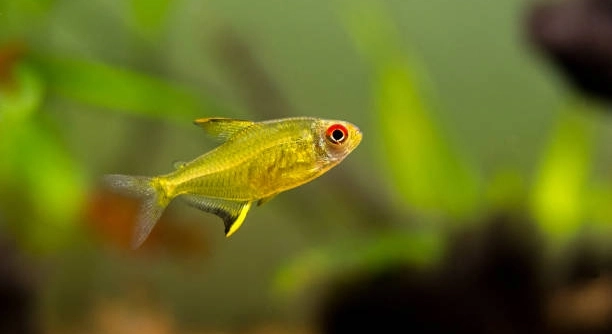
Do your lemon tetras often show small changes in their fins that leave you gently concerned about their comfort in the tank as you care for them each day while trying to keep everything balanced.
Lemon tetra fin damage is primarily caused by poor water quality, aggressive tankmates, improper nutrition, bacterial infections, fin-nipping behavior, unstable parameters and stress from overcrowding which all weaken tissue integrity and increase susceptibility to tearing, fraying and slow regrowth rates.
These factors shape how your fish thrives guiding you toward clearer choices that support healthier fins and better tank conditions.
Poor Water Quality
Keeping water clean plays a major role in how well lemon tetras maintain healthy fins. When ammonia or nitrite rises even a little, their fins can weaken, fray or become more sensitive. I try to stay consistent with changes, because even small shifts in clarity or smell can indicate issues beginning to form. Stable conditions help their bodies stay strong, and it also keeps them calm since sudden swings often bring unnecessary stress. Clean filters, steady maintenance and gentle handling all help support their fins. Paying attention to the tank’s overall balance makes a noticeable difference in how they move and behave each day.
A stable and well-maintained tank lowers the chance of irritation building up on their fins, giving them a safer and softer environment to glide through with ease.
Testing water regularly, keeping debris under control and avoiding long gaps between cleanings help reduce irritation. Stable numbers prevent unnecessary strain on their fins. When the tank feels balanced, they stay more active and display brighter color. I find that simple habits work well, like replacing filter media on schedule and not overfeeding. Even a slight change in routine can support their fins and lighten the load on their immune system. This consistency encourages better healing when damage occurs and reduces the chance of long-term issues. With steady care, their fins stay smoother and more resilient.
Aggressive Tankmates
Some fish nip at fins or chase lemon tetras around the tank, which leads to small tears. These interactions add pressure and keep them from swimming comfortably, especially in crowded setups. Giving them peaceful companions limits tension and prevents repeated damage.
Choosing the right species and creating enough space helps lemon tetras stay calm and maintain steady patterns through the day. I try to keep them in groups that match their pace since stronger or faster fish can overwhelm them. When there are too many different behaviors in one space, their fins tend to suffer the most. Adding plants or decorations helps them relax, and it also breaks up lines of sight so they feel less targeted. Careful planning supports their overall comfort and makes it easier for them to recover from any previous damage. Over time, a peaceful environment encourages smoother swimming, clearer color and healthier fins that reflect their improved well-being.
Improper Nutrition
Lemon tetras need a balanced diet to keep their fins strong. A lack of essential nutrients can cause fraying, weak tissue, and slow healing. Feeding them varied, high-quality food prevents deficiencies that directly affect fin health.
Consistently offering flakes, frozen, or live foods ensures they get proteins, vitamins, and minerals they need. I’ve noticed that when my tetras eat only one type of food, their fins start looking thin or ragged around the edges. Rotating meals keeps them active and supports their immune system, which in turn helps fight off infections that could worsen fin damage. Small additions like daphnia or brine shrimp make a noticeable difference in their vitality and fin appearance over time. Balanced nutrition also helps them recover faster if they already have minor tears.
Overfeeding can also cause issues. Excess food decays, increasing waste and reducing water quality, which indirectly harms fins. I usually feed small portions a couple of times a day and monitor how much they consume, adjusting to avoid leftovers. Using high-quality flakes with occasional protein boosts prevents fin breakdown. Supplementing with plant-based foods or frozen options ensures they get a wide range of nutrients that maintain tissue strength. With careful attention, their fins remain healthy and less prone to damage.
Bacterial Infections
Bacterial infections often appear as white edges or ragged fins. They worsen quickly without treatment and can spread through the tank. Early detection is key to keeping fins intact.
If I notice cloudiness, redness, or fraying, I quarantine affected fish immediately. Antibiotic treatments or medicated foods help manage infections, but tank hygiene must also be improved to prevent recurrence. Maintaining stable water conditions supports their natural defense against bacteria. Stress reduction is equally important, as weakened fish are more susceptible. I also clean decorations and filter components regularly to minimize bacterial buildup. Observing their swimming patterns helps me spot subtle signs before severe damage occurs.
Bacterial fin rot often starts small but can progress rapidly, leaving tissue severely damaged. Prompt action with medications and improved water care usually restores health, though it may take weeks for fins to fully regrow. Nutritional support, combined with a stress-free environment, boosts recovery. I find that maintaining consistent temperature, reducing overcrowding, and avoiding sudden water changes reduces the likelihood of recurring infections. Quarantining new additions before introducing them to the main tank is another step I always take. Healthy fins reflect not just treatment but proactive maintenance. Regular observation and care help keep bacterial threats under control, ensuring tetras remain vibrant and active.
Fin-Nipping Behavior
Some lemon tetras bite each other’s fins, especially in small tanks or groups with uneven social dynamics. Nipping can leave small tears that grow worse over time if unchecked.
I separate the more aggressive individuals or increase the group size to spread attention. Adding plants and hiding spots reduces chasing and gives them room to escape, protecting delicate fins.
Unstable Water Parameters
Sudden shifts in temperature, pH, or hardness can stress lemon tetras and weaken fin tissue. Stress makes them more prone to tearing, infections, and slower healing. Maintaining consistent readings supports stronger, healthier fins and calmer behavior overall.
Overcrowding
Too many fish in one tank increases competition for space, food, and resources. Overcrowding directly contributes to stress, aggression, and fin damage. I always monitor the number of fish and make adjustments before issues start, keeping their environment balanced and safe.
What are the first signs of fin damage in lemon tetras?
The earliest signs are usually small tears or fraying along the edges of their fins. Sometimes you might notice white spots or slight discoloration. Their fins may appear thinner than usual, or they might hold them clamped close to the body. I’ve noticed that when a tetra starts hiding more than usual or swimming slower, it can be linked to early fin stress. Small nicks from tankmates often go unnoticed until they grow larger, so keeping a close eye on movement and appearance helps catch problems early. Regular observation is the simplest way to prevent minor damage from becoming severe.
How can water quality affect fin health?
Water quality is crucial for preventing fin issues. High ammonia, nitrite, or nitrate levels irritate delicate fin tissue and make them more prone to tearing or infection. Even small swings in pH or temperature stress fish, weakening their immune system. I maintain consistent water changes and monitor parameters weekly to avoid sudden shifts. Using a reliable test kit helps me detect issues before they cause damage. Clean water supports faster healing and prevents bacterial growth that can worsen frayed fins. A stable environment keeps them active and reduces stress, which directly benefits fin strength.
Can diet really prevent fin damage?
Yes, nutrition has a strong impact. Lemon tetras need protein, vitamins, and minerals to maintain tissue integrity. A poor diet leads to weak fins, slow regrowth, and higher susceptibility to infections. I feed a mix of high-quality flakes, frozen foods like daphnia, and occasional live options. Rotating foods prevents deficiencies and keeps them active. Overfeeding can also harm fins indirectly by polluting water and increasing stress. Balanced nutrition helps their immune system fight infections that might attack fins. Strong fins reflect both diet quality and overall tank care, making feeding habits an important part of fin maintenance.
What should I do if my tetras’ fins start fraying?
Immediate steps include checking water parameters and isolating aggressive tankmates if needed. I often quarantine affected fish for treatment, and if necessary, use antibacterial medication. Consistent water quality, reduced stress, and proper nutrition are critical during healing. Observing them daily lets me catch worsening conditions early. Minor tears can regrow quickly when the environment is stable and supportive. Avoid sudden water changes or overcrowding during this period, as stress slows recovery.
Are there tank setup tips to reduce fin damage?
Yes, providing plants, decorations, and hiding spots reduces chasing and nipping. I make sure the tank isn’t overcrowded and choose peaceful companions. Smooth surfaces and avoiding sharp decorations prevent accidental tears. Spacing out feeding areas also helps avoid competition and stress, keeping fins intact.
How long does it take for fins to fully recover?
Recovery depends on the damage severity and environment. Small tears can heal in a few weeks, while severe fraying might take a month or more. Consistent care, clean water, and good nutrition accelerate regrowth. I’ve seen fins recover faster when stress is minimized and tankmates behave calmly.
Can stress alone cause fin damage?
Stress weakens tissue and the immune system, making fins prone to tearing and infection. Overcrowding, aggressive tankmates, unstable water, and poor diet all contribute. I notice that even minor environmental changes can affect their behavior and fin condition, so keeping stress low is key.
Are medications always necessary for fin damage?
Not always. Minor tears often heal with improved water quality, reduced stress, and proper diet. Medication is needed for bacterial or fungal infections. I assess each situation and monitor healing before deciding to treat chemically, as unnecessary medication can also stress fish.
How can I prevent future fin damage?
Maintain stable water conditions, provide a balanced diet, avoid overcrowding, and choose compatible tankmates. Regular observation and prompt action at the first signs of stress or damage keep fins healthy. I also clean decorations and filters regularly to minimize bacteria. Prevention requires consistent daily care, but it pays off with vibrant, intact fins.
Is fin regrowth different in older fish?
Older tetras regrow fins slower than younger ones because their metabolism and cell regeneration are not as fast. I pay extra attention to diet and tank stability for older fish to support their healing. Even so, the right environment allows gradual restoration of fins over time.
Can fin damage be reversed completely?
Yes, with the right care, fins can fully regrow. I make sure water is clean, stress is minimized, and nutrition is optimal. Healing takes time, but consistent maintenance allows fins to return to their original shape and strength.
Do all tankmates pose a risk to fins?
No, peaceful species that do not nip or chase are safe. I carefully choose companions for lemon tetras, focusing on calm behavior and similar swimming patterns to prevent accidental damage. Observing interactions regularly helps ensure harmony.
What role does tank cleaning play in preventing fin damage?
Regular cleaning removes debris and harmful bacteria, reducing irritation and infections. I clean filters, decorations, and substrate gently to avoid stressing fish. A clean tank supports healthy fins by minimizing environmental risks that cause tearing or slow healing.
How can I tell if damage is bacterial or mechanical?
Mechanical damage usually appears as clean tears or frayed edges, often from nipping or sharp decorations. Bacterial damage shows ragged, white, or fuzzy edges with potential redness. I observe fin appearance, behavior, and water quality to decide whether treatment is needed.
Are stress-reducing techniques effective for fin healing?
Yes, reducing stress accelerates recovery. I add hiding spots, maintain water stability, and avoid overcrowding. Calm fish spend less energy and recover faster. Stress-free conditions help tissue regenerate and reduce the chance of secondary infections, keeping fins healthy long-term.
Can I encourage faster fin regrowth naturally?
Balanced nutrition, clean water, and a peaceful environment are the main factors. I supplement diets with protein-rich foods and avoid sudden changes in the tank. Consistency in these areas encourages tissue repair, making regrowth smoother and stronger over time.
How often should I monitor fins for problems?
Daily observation is ideal. I watch swimming patterns, fin edges, and behavior for early signs of damage. Quick detection allows me to address issues before they worsen, supporting healthier fins consistently.
Are there warning signs that indicate severe fin problems?
Severe problems include large tears, significant discoloration, or fins clamped against the body. I treat these immediately by checking water, reducing stress, and using medication if needed. Delays can lead to infection or permanent damage.
Can new tank setups increase fin damage risk?
Yes, sudden changes in water chemistry, temperature, and layout can stress tetras, making fins more fragile. I acclimate fish slowly and monitor parameters closely during the first weeks to prevent tears and infections.
Is quarantine important for preventing fin damage?
Absolutely. New fish can introduce bacteria or aggression that harms fins. I always quarantine newcomers to avoid stress or disease affecting the established tetras. This practice protects both fins and overall tank health.
What simple daily habits support fin health?
Feeding balanced meals, checking water parameters, observing fish behavior, and keeping decorations safe are daily habits I follow. Consistency prevents stress, fights disease, and reduces accidental damage, keeping fins strong and healthy over time.
How do I balance multiple preventive measures?
I focus on water quality, diet, stress reduction, and tankmate selection simultaneously. Small, consistent actions across all areas ensure lemon tetras remain active, healthy, and free from fin damage. Maintaining balance is key to long-term fin health.
Can minor fin damage reoccur?
Yes, if environmental stress, aggressive tankmates, or poor water conditions persist. I monitor tanks regularly and adjust care routines to minimize recurring damage, ensuring recovery is sustained and long-lasting.
Are there signs that fins are fully healed?
Healthy fins look smooth, even, and fully extended with bright coloration. I watch for natural movement during swimming and check that no edges are frayed, indicating full recovery and strong tissue integrity.
How do seasonal changes affect fin health?
Sudden temperature fluctuations or heater adjustments can stress tetras, increasing risk of fin damage. I maintain steady tank conditions year-round to avoid unnecessary weakening of fins and associated health problems.
Is fin damage more common in certain tank sizes?
Smaller or overcrowded tanks increase stress, aggression, and fin nipping. I ensure adequate space per fish to allow natural movement and reduce physical and social stress that leads to fin damage.
Can decorations and substrates cause damage?
Yes, sharp or rough surfaces can tear fins during normal swimming. I choose smooth décor and monitor interactions to prevent accidental injuries, especially in active or nervous fish.
Does temperature stability matter for fin regrowth?
Consistent temperature reduces stress and supports faster tissue repair. I keep heaters reliable and avoid sudden shifts to encourage smoother fin recovery and overall health.
Are lemon tetras more prone to fin issues than other fish?
Their delicate fins make them susceptible to fraying, nipping, and stress-related damage. I take extra care with water quality, diet, and tankmates to maintain healthy fins.
How important is observation in preventing fin damage?
Observation is critical. I notice subtle changes in behavior, fin edges, or swimming patterns early, which allows me to intervene before problems escalate. Daily attention keeps fins strong and healthy consistently.
Can stress from frequent handling harm fins?
Yes, excessive handling or netting can cause tears and weaken tissue. I minimize handling, using gentle techniques only when necessary for maintenance or treatment.
Are there natural signs that water quality is causing fin damage?
Cloudy water, excess waste, or algae buildup often indicate poor water quality. I test regularly and clean as needed to prevent irritation and promote fin health.
Does social hierarchy affect fin health?
Aggressive fish can chase or nip weaker individuals. I observe social interactions and intervene by separating or adjusting groups to prevent damage and support calm swimming.
How does overcrowding indirectly lead to fin damage?
Overcrowding increases competition for food and space, heightening stress and aggression. I maintain appropriate stocking levels to reduce nipping and accidental tearing while keeping fish calm and active.
Are there environmental tweaks that can prevent fin problems?
Adding plants, smooth decorations, and hiding spaces reduces chasing and stress. I arrange these strategically to create zones where lemon tetras can swim freely without risk of injury.
What combination of care practices ensures long-term fin health?
Balanced diet, clean water, stress reduction, proper tankmates, and observation together maintain fin strength. I follow these consistently to prevent recurring issues, support recovery, and keep lemon tetras active and healthy.
Do fins ever fully regain original color after damage?
Yes, if tissue regrows properly. I ensure optimal diet, low stress, and clean water to help coloration return naturally as fins heal.
How does slow healing indicate other underlying issues?
Slow regrowth often signals poor nutrition, stress, infection, or water instability. I review all care aspects to identify and fix the root cause for proper recovery.
Can fin damage affect overall behavior?
Yes, fish with torn fins may swim less, hide more, or become stressed. I notice these changes and adjust care to support both behavior and fin recovery.
Is it normal for fins to have uneven edges temporarily?
Yes, minor unevenness can appear as fins regrow. I continue supporting them with clean water and nutrition until tissue fully restores shape and strength.
How often should I rotate diet to protect fins?
A varied diet every few days prevents deficiencies. I alternate flakes, frozen, and live foods to provide protein and vitamins needed for strong, healthy fins.
Does quarantine time vary depending on risk factors?
Yes, I extend quarantine if new fish come from crowded or untreated tanks. Longer observation ensures no bacteria or aggressive behavior impacts existing lemon tetras.
Are live plants safer than artificial décor for fin protection?
Often yes, as live plants are softer and reduce sharp edges. I combine them with smooth decorations to provide safe swimming areas and hiding spots.
How can I track fin recovery progress?
I photograph fins weekly, noting changes in length, edges, and color. Comparing over time helps identify regrowth patterns and whether interventions are working.
Does fin damage affect long-term health?
If untreated, yes. Persistent tears can lead to infection, stress, and reduced immune function. I treat early and maintain care to prevent lasting health problems.
Can minor damage be ignored?
Small tears may heal naturally, but ignoring repeated damage can worsen conditions. I monitor and adjust environment even for minor issues to prevent complications.
How do I know if stress is causing recurring fin problems?
Frequent chasing, hiding, or fin clamping indicates ongoing stress. I adjust tankmates, decorations, and care routines to reduce pressure and support fin recovery.
Are smaller tanks inherently riskier for fin damage?
Yes, limited space increases nipping, chasing, and stress. I recommend enough room for swimming and hiding to prevent repeated injury and promote healthier fins.
Does fin condition indicate overall tank health?
Often yes. Ragged or frayed fins signal water issues, diet problems, stress, or aggression. I use fin health as a daily measure of tank stability and care quality.
How do I combine quarantine, diet, and observation for best results?
I first quarantine new fish, feed a balanced diet, and observe behavior and fins daily. This combination prevents disease, supports tissue strength, and allows quick action if damage occurs.
What small daily actions make the biggest difference?
Checking water, feeding balanced meals, watching behavior, and keeping decorations safe prevent fin damage. I’ve found consistent attention outweighs occasional major interventions in maintaining healthy fins.
Can temperature swings alone cause fin fraying?
Yes, sudden changes stress fish, weakening tissue and immune response. I maintain stable temperatures to reduce vulnerability to tearing or infections.
Is observation more effective than preventative chemicals?
Yes, daily monitoring helps catch small issues early. I rely on observation combined with clean water and diet rather than preventive chemicals, which can add stress if unnecessary.
Do fins show stress before visible behavior changes?
Yes, slight fraying, clamping, or discoloration may appear before swimming or appetite changes. I check fins carefully to catch early signs of problems.
How long should I quarantine new fish to prevent fin damage?
I usually quarantine for two to three weeks, monitoring for signs of disease, aggression, or stress. This timeframe reduces the chance of introducing problems into the main tank.
Can fin damage be seasonal?
Yes, temperature swings or seasonal feeding changes can increase stress and affect fin integrity. I maintain consistency year-round to prevent damage.
Are older tetras more sensitive to fin issues?
Yes, slower metabolism and regeneration make older fish more prone to fraying and slower recovery. Extra care in diet, water stability, and stress management helps them heal.
Do tank cleaning schedules affect fin health?
Yes, irregular cleaning can allow bacteria buildup or water deterioration, weakening fins. I follow a steady schedule for substrate, filters, and decorations to keep fins safe and healthy.
How does overcrowding indirectly worsen fin health?
High density increases chasing, competition, and stress. I adjust numbers to prevent aggressive interactions and reduce tearing, giving all fish space to swim and recover.
Can stress from loud noises or vibrations affect fins?
Yes, sudden disturbances can stress tetras, leading to clamped fins or minor fraying. I minimize loud activity near the tank to maintain calm conditions.
Do diet supplements help in fin regrowth?
Supplements rich in vitamins and proteins can accelerate tissue repair. I occasionally add them to promote stronger and faster regrowth, especially after damage or illness.
How important is gentle handling during tank maintenance?
Very important. Rough handling or netting can tear fins. I carefully move fish only when necessary, minimizing stress and protecting delicate tissue.
Are some lemon tetras naturally more prone to fin damage?
Yes, individual temperament or size differences can make some fish more likely to be nipped or stressed. I monitor personalities and adjust groups to reduce risk.
Can stress from water changes cause fin issues?
Yes, sudden large changes can shock fish, weakening tissue and increasing vulnerability. I make gradual changes to maintain stability and protect fins.
Do fin tears heal better in isolation?
Often yes, quarantined or separated fish recover faster without nipping or stress. I use temporary isolation for healing when necessary.
How does substrate type affect fin health?
Rough or sharp substrates can snag fins during normal swimming. I prefer smooth sand or rounded gravel to reduce accidental tearing.
Are tank decorations ever the cause of repeated fin damage?
Yes, sharp edges or tight spaces increase accidental tearing. I arrange decorations to allow free swimming and minimize contact with fins.
Do social dynamics change over time and affect fin health?
Yes, dominance shifts or new additions can lead to chasing. I observe changes and adjust tankmates or spaces to prevent injuries.
Can fin damage indicate broader health issues?
Yes, repeated fraying or slow healing may signal stress, infection, poor diet, or water instability. I address all aspects to ensure overall health.
Is fin clamping a warning sign?
Yes, clamped fins often indicate stress, illness, or injury. I check water quality, tankmates, and overall behavior when I notice this sign.
Do certain feeding practices reduce fin risk?
Yes, smaller, frequent meals reduce competition and stress. I distribute food evenly and avoid overfeeding to protect delicate fins.
Can minor fin damage be reversed naturally?
Yes, with clean water, low stress, and proper nutrition, even small tears can regrow fully without medication.
How do I know if a fin tear is serious?
Deep rips, discoloration, or infection indicate serious damage. I act quickly with water care, isolation, and possible medication to prevent permanent issues.
Are tank plants essential for fin protection?
They help by providing hiding spots and reducing chasing. I combine live plants with smooth décor to minimize accidental tears and stress.
Does fin health reflect overall fish happiness?
Often yes, strong, intact fins show low stress, proper nutrition, and safe conditions. I use fin condition as a daily indicator of well-being.
How do I combine diet, water care, and tank setup for prevention?
Balanced nutrition, consistent water quality, and safe tank layout together reduce nipping, stress, and infection risk. I maintain these consistently to keep fins healthy and intact.
Are lemon tetras hardy enough to recover from severe fin damage?
Yes, if care is prompt and consistent. I provide clean water, proper diet, low stress, and safe tankmates to support regrowth and restore fin health fully.
Can seasonal algae blooms affect fin health?
Yes, excessive algae can reduce water quality and stress fish, increasing the risk of tears and infections. I clean algae promptly to maintain safe conditions.
Does quarantine duration depend on tank size?
Larger tanks with good filtration may allow shorter quarantine, but I often stick to two
Caring for lemon tetras requires attention to both their environment and their needs. Their fins are delicate and often the first indicator that something in the tank might be off. Small tears, fraying, or discoloration are not just cosmetic issues; they can reflect stress, poor water quality, aggressive tankmates, or nutritional deficiencies. By observing their fins daily, you can identify small problems before they escalate into larger health concerns. Simple habits like keeping water parameters stable, cleaning filters regularly, and providing hiding spots can make a big difference. Even minor adjustments, such as removing sharp decorations or rearranging plants, can prevent accidental damage and reduce stress levels. Over time, these consistent actions support both their physical health and behavior, making it easier to maintain a peaceful and thriving tank.
Nutrition is another key factor in maintaining healthy fins. A balanced diet that includes high-quality flakes, frozen foods, and occasional live treats ensures that fish receive the vitamins, minerals, and protein they need for tissue strength and regeneration. Poor nutrition can weaken fins, slow healing, and increase susceptibility to bacterial infections. Overfeeding, while often unintentional, can also harm the fins indirectly by polluting the water and creating stress from overcrowding or competition for food. A varied feeding schedule, along with careful portion control, keeps the fish active, strengthens their immune system, and supports natural fin regrowth if damage occurs. I’ve found that observing how my tetras respond to different foods helps me fine-tune their diet and maintain optimal fin condition. Small, consistent dietary adjustments often have long-term benefits that are easy to implement in daily care routines.
Stress reduction is equally important when thinking about fin health. Overcrowded tanks, incompatible tankmates, and sudden environmental changes all contribute to weakened fins and slower healing. By choosing peaceful companions and arranging the tank with enough swimming space and hiding spots, you can significantly reduce nipping, chasing, and other stress-related behaviors. Regular monitoring of water parameters, combined with gentle handling during maintenance, ensures that the fish are not exposed to avoidable stress. Even small disturbances, like loud noises or sudden temperature shifts, can affect delicate fins over time. By maintaining a calm, stable environment and paying attention to diet, water quality, and tankmates, lemon tetras can recover from minor damage and maintain vibrant, healthy fins for the long term. Focusing on these aspects consistently creates a supportive environment that allows them to thrive naturally, preventing future problems and improving overall well-being.

Hello,
If you enjoy the content that we create, please consider saying a "Thank You!" by leaving a tip.
Every little bit helps us continue crafting quality advice that supports the health, happiness, and well-being of pets around the world, for pets of all shapes, sizes, and species.
We really appreciate the kindness and support that you show us!