
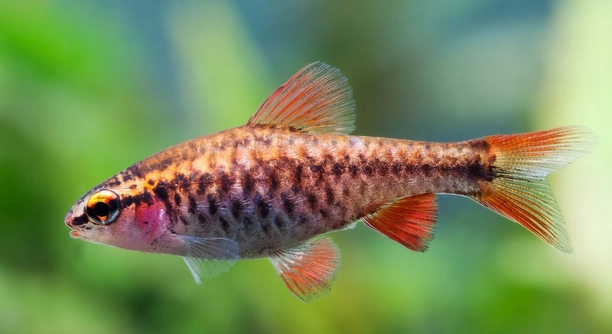
Cherry Barbs are known for their vibrant colors and active behavior, making them a favorite among aquarium enthusiasts. However, understanding the conditions that trigger their spawning can be tricky. Several factors play a role in encouraging this behavior.
The most common triggers for Cherry Barb spawning include water temperature, light cycles, and water quality. Providing a stable, clean environment with consistent temperature and proper lighting can prompt Cherry Barbs to spawn, increasing the likelihood of successful breeding.
By adjusting these key factors, you can better create an environment that encourages spawning. Knowing how to manage these conditions will help ensure a successful breeding experience for your Cherry Barbs.
Water Temperature
Water temperature plays a crucial role in Cherry Barb spawning. They thrive in temperatures ranging from 75°F to 80°F (24°C to 27°C). Maintaining a consistent temperature within this range will encourage spawning behavior. Rapid temperature fluctuations can stress the fish, making them less likely to spawn. A reliable aquarium heater is essential to keep the water at a stable temperature. Additionally, avoid placing the aquarium near drafts or heat sources, as these can lead to sudden temperature changes.
Even small shifts in temperature can have a noticeable impact on the breeding cycle. Keeping your aquarium at a steady, optimal temperature will not only help trigger spawning but also promote overall health and well-being in your Cherry Barbs. By providing this stable environment, you create a setting that fosters natural spawning behavior, leading to happier, more active fish.
Lighting Cycles
Lighting is another factor that directly influences Cherry Barb spawning. Cherry Barbs typically breed in response to specific light cycles, similar to many other freshwater fish. Mimicking the natural daylight cycle can help trigger the spawning process. Providing 10 to 12 hours of light each day, followed by a period of darkness, creates a natural day-night cycle. This pattern encourages the fish to spawn when they feel it is the right time of year.
By adjusting your aquarium’s lighting, you can simulate the changing seasons, which is often enough to prompt spawning. Consider using a timer to ensure the lighting follows a consistent pattern. This setup can make your aquarium a more conducive environment for Cherry Barbs to breed, helping to maintain their natural rhythms.
Water Quality
Water quality is vital for triggering Cherry Barb spawning. Clean, well-filtered water ensures that the fish are healthy and ready to breed. Keep the water free of harmful chemicals, such as ammonia or nitrites, as these can interfere with spawning behavior. Regular water changes help maintain optimal water conditions.
Maintaining a pH level between 6.5 and 7.5 is ideal for Cherry Barbs. Soft to slightly hard water is preferred, as extreme hardness or alkalinity can hinder spawning. Investing in a good filtration system will also help keep the water clear and free of debris, promoting a healthy environment.
Additionally, check the water parameters regularly to ensure they are stable. A sudden change in water quality can stress the fish, preventing them from spawning. Consistent water quality encourages Cherry Barbs to spawn and keeps them active and healthy.
Diet and Nutrition
A well-balanced diet plays a crucial role in encouraging Cherry Barb spawning. A diet rich in high-quality, protein-rich foods helps prepare the fish for breeding. Offer a mix of live, frozen, and high-quality flake foods. This ensures that they receive a variety of nutrients needed to stay healthy and strong.
Live foods, such as brine shrimp and daphnia, are especially beneficial as they mimic the natural diet of Cherry Barbs. Offering these foods regularly can help boost the fish’s energy levels and trigger spawning behavior. It’s important to feed them in moderation to prevent overfeeding, which can lead to poor water quality.
The right diet also promotes overall health and vitality in your Cherry Barbs. Healthy fish are more likely to breed successfully, and providing proper nutrition is a key factor in encouraging this natural behavior. By focusing on their diet, you’ll create the best conditions for spawning.
Tank Setup
The setup of your tank can also affect Cherry Barb spawning. They prefer a well-planted tank with plenty of hiding spots. Adding dense plants, such as Java Moss, gives them a place to feel secure while they breed. The plants also provide a natural surface for eggs to attach to.
A planted tank mimics their natural environment, reducing stress and encouraging breeding. It’s important to add soft substrates like fine gravel or sand to allow the fish to move freely. Providing some open swimming space is also essential for the fish to feel comfortable and active.
Group Dynamics
Cherry Barbs thrive in groups, especially when it comes to breeding. A small group of six or more Cherry Barbs promotes healthier social behavior and increases the chances of spawning. Keeping a balanced ratio of males and females is crucial for successful breeding.
Having more females than males in the tank ensures that the males actively court and show their colorful displays. This encourages the females to spawn. If there are not enough females, the males may become too aggressive, which can lead to stress and prevent successful breeding. A peaceful and balanced group is key.
Water Changes
Regular water changes help create an optimal environment for Cherry Barb spawning. Keeping the water fresh and clean mimics the natural conditions that signal the start of the breeding season. Changing 25% to 30% of the water every week ensures that the fish stay in a healthy environment.
Be mindful of the water temperature during changes. Rapid fluctuations in temperature can stress the fish, so try to match the new water temperature with the tank’s current temperature. Regular water changes help remove waste, prevent toxins from building up, and improve overall water quality, making it easier for Cherry Barbs to breed.
FAQ
What is the best temperature for Cherry Barbs to spawn?
The ideal temperature for Cherry Barb spawning is between 75°F and 80°F (24°C to 27°C). Maintaining a stable temperature within this range is crucial for triggering breeding behavior. If the temperature fluctuates too much, it can stress the fish and prevent them from spawning. A reliable aquarium heater is recommended to keep the water temperature consistent.
Can I use a regular aquarium light to trigger spawning?
Yes, regular aquarium lighting can work to trigger spawning in Cherry Barbs. However, it’s essential to replicate a natural light cycle. Aim for 10-12 hours of light per day, followed by a period of darkness. This simulates the natural day-night rhythm, which can encourage Cherry Barbs to spawn.
How do I know when my Cherry Barbs are ready to spawn?
When Cherry Barbs are ready to spawn, you may notice some behaviors such as males becoming more colorful and actively courting females. They may swim around the females, showing off their vibrant colors. The females will appear fuller, especially when they are carrying eggs. These signs indicate that spawning is likely imminent.
Do I need to separate male and female Cherry Barbs for spawning?
It’s not necessary to separate male and female Cherry Barbs for spawning. In fact, they do better in groups. Having a mix of males and females in the tank allows the males to display courtship behaviors, which encourages females to spawn. However, ensure there is a balance in the male-to-female ratio to prevent aggression.
Can Cherry Barbs spawn without a breeding tank?
Yes, Cherry Barbs can spawn in a regular tank, provided the conditions are right. A breeding tank can make it easier to monitor the process and ensure the eggs are not eaten by other fish, but it’s not a strict requirement. Make sure your tank has enough plants for the fish to feel secure and to give the eggs a place to attach.
What should I feed my Cherry Barbs to encourage spawning?
Feeding your Cherry Barbs a varied diet will help encourage spawning. A mix of live or frozen foods such as brine shrimp, daphnia, and bloodworms is ideal for stimulating breeding. These protein-rich foods mimic what they would eat in the wild, promoting their energy and overall health. Additionally, high-quality flake foods should be offered to ensure they get a balanced diet.
How long does it take for Cherry Barbs to spawn after conditioning?
Cherry Barbs usually spawn within a few days after being conditioned with the right temperature, lighting, and diet. It can take anywhere from a few days to a week after these conditions are met for the fish to start spawning. Be patient and monitor the tank closely for signs of courtship.
Should I remove the male Cherry Barbs after spawning?
After spawning, it’s a good idea to remove the male Cherry Barbs if you’re trying to protect the eggs. Males may continue to chase and harass the females, which could stress them or result in the eggs being eaten. Once the eggs are laid, it’s best to leave the females to care for them in peace.
What is the best substrate for spawning Cherry Barbs?
A soft, fine-gravel or sand substrate is best for Cherry Barb spawning. This type of substrate allows the fish to move freely and naturally, helping them feel secure. The eggs will also be less likely to get buried or disturbed. If you’re using a breeding tank, make sure it has a similar substrate to create a comfortable environment for the fish.
How often should I change the water during breeding?
During the breeding period, it’s essential to keep the water clean. Perform regular water changes of 25-30% each week. This helps maintain good water quality and prevents the buildup of waste, which can negatively affect the fish’s health and the spawning process. Always match the temperature of the new water to avoid stressing the fish.
What are the signs that the eggs are fertilized?
Fertilized Cherry Barb eggs will appear clear and slightly sticky, attaching to plants or other surfaces. They will eventually start to develop small dark spots as the embryos grow. Fertilized eggs will hatch in about 24-48 hours, depending on the water temperature. If the eggs turn cloudy or start to disappear, they are likely unfertilized or have been eaten by other fish.
How can I prevent my Cherry Barbs from eating their own eggs?
To prevent Cherry Barbs from eating their eggs, provide plenty of plants and hiding spots for the eggs to attach to. Some aquarium keepers choose to remove the parents from the tank after spawning to protect the eggs. Another method is to use a breeding box where the eggs can be separated from the adult fish.
Can I breed Cherry Barbs in a community tank?
Yes, you can breed Cherry Barbs in a community tank, but it may be more challenging to ensure the eggs survive. Other fish in the tank may eat the eggs or harass the breeding fish. If you decide to breed them in a community tank, make sure the tank has plenty of plants and hiding spots for the eggs.
How do I care for the fry after they hatch?
After the eggs hatch, Cherry Barb fry are tiny and require careful attention. They will feed on infusoria or other tiny foods initially. Once they are big enough, you can introduce finely crushed flake food or baby brine shrimp. Keep the water clean and ensure there are no aggressive fish that could harm the fry.
Final Thoughts
Cherry Barbs are relatively easy to breed once you create the right environment. Providing a stable water temperature, a well-planted tank, and a healthy, balanced diet for your fish can go a long way in encouraging spawning. Keep in mind that a peaceful environment and proper care are essential for the breeding process. While Cherry Barbs are not particularly demanding, creating a comfortable space for them to breed naturally will ensure better results.
Maintaining a balanced group of males and females is crucial. Ensuring that your fish feel secure will encourage them to display courtship behaviors, which helps stimulate spawning. The behavior of the fish during this period can give you important clues about their readiness to breed. By observing these behaviors and responding accordingly, you can increase the chances of successful spawning. Regular water changes and careful monitoring of the tank conditions are important in providing a healthy space for the fish to breed and thrive.
Finally, while breeding Cherry Barbs can be rewarding, it’s also important to be prepared for the next steps after the fry hatch. Caring for the young can be a delicate process, requiring special attention to their diet and environment. With proper care and attention to detail, breeding Cherry Barbs can be a fulfilling experience, leading to a thriving, healthy tank with new life.

Hello,
If you enjoy the content that we create, please consider saying a "Thank You!" by leaving a tip.
Every little bit helps us continue crafting quality advice that supports the health, happiness, and well-being of pets around the world, for pets of all shapes, sizes, and species.
We really appreciate the kindness and support that you show us!