
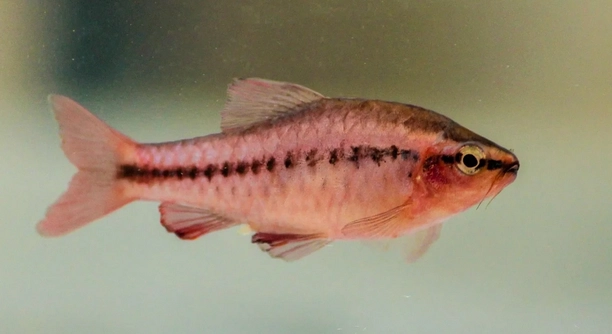
Do you ever find yourself watching your cherry barbs and wondering what they’re thinking as they explore every corner of the tank?
Cherry barbs show curiosity through several key behaviors including inspecting new objects, following movement outside the glass, and interacting with tank mates. These actions suggest an active engagement with their environment and an alert, observant nature.
From swimming patterns to the way they respond to changes, each sign tells a story about how these little fish interact with the world around them.
Watching Through the Glass
Cherry barbs often follow movement outside their tank. This can include you walking by, opening a cabinet, or simply standing near them. It may look like they’re reacting to shadows, but they’re actively observing what’s happening around them. This behavior is one of the simplest ways to notice their curiosity. It shows they’re not just reacting to water conditions or food schedules—they’re paying attention to external activity. Their eyes follow motion, and their bodies may shift in the direction of interest. When something new happens in their line of sight, they tend to linger and study it. It’s a quiet kind of interaction, but it matters. You can even test this by placing a new object outside the tank and seeing how they respond. While they don’t vocalize like other pets, their reactions through the glass tell you a lot about their personality and awareness.
This type of behavior is more than just instinct—it shows an alert and responsive mindset.
When cherry barbs behave this way, they’re showing that they process visual changes, even outside their aquatic space. It’s not just about feeding or threats. It’s also about interaction. They want to see what’s going on, even if they can’t reach it.
Exploring New Decorations
Whenever you add a new decoration, cherry barbs usually inspect it closely.
You might notice them circling it, swimming through any openings, or even nudging it gently. This behavior typically starts within minutes of placing the item in the tank. It’s not just random movement—they treat the object differently than anything else in the tank. Some will swim away and return again, as if checking if anything has changed. Others may even “guard” the decoration for a little while. This level of attention shows that cherry barbs recognize changes in their environment and want to learn about them. Adding natural elements like driftwood or rock caves can increase this kind of curious behavior. It’s a simple way to make their environment feel more active. Watching them react like this can also help you better understand what they enjoy or dislike in their space. It’s important to keep variety in their setup, so they continue to stay mentally stimulated.
Inspecting Food Before Eating
Cherry barbs don’t just eat immediately. They often pause, hover, and inspect food before deciding to bite. This moment of hesitation shows they’re not acting on impulse. It’s a cautious, curious approach, especially when the food looks or smells unfamiliar.
When you drop in a new type of food, you might notice them approaching it slowly. Sometimes, they circle it a few times or even swim away before coming back. This behavior is part of how they decide if something is safe or worth eating. It’s common for them to test smaller bits first. If they’re used to flakes and you introduce pellets or frozen food, their interest usually shifts quickly once they accept it. Still, the first few moments always seem like a food check. This tells you they don’t just rely on instinct—they observe and make a decision, which shows thought and awareness in their routine.
This can also help you understand their food preferences. If they ignore a certain type of food, it doesn’t always mean they dislike it. They may just need time to figure it out. Changing textures and colors can affect how they respond. Watching their first few interactions closely gives you a better idea of what works for them.
Following Tank Mates Around
Cherry barbs often follow other fish in their tank, especially those that move quickly or explore new areas. This isn’t always about competition—it’s often curiosity. They want to see where the others are going and what they’re doing, especially in shared or new spaces.
When a tank mate swims toward a hidden spot or near a new item, cherry barbs often tag along. This behavior increases in more active or social setups. If another fish discovers food or a new tunnel, cherry barbs might watch and follow to see what happens next. This kind of shadowing behavior happens even when the barb isn’t directly interacting. It’s a way of gathering information. It also shows that cherry barbs don’t live in isolation mentally—they pay attention to the others. They’re aware of tank dynamics, and their choices often reflect that. They may even start adopting similar routines or exploring areas they had ignored before.
Reacting to Reflections
Cherry barbs often react when they see their reflection in the glass. They may swim toward it, flare slightly, or follow it along the wall. This shows they notice subtle changes and respond to movement they can’t fully understand.
These reactions are usually short but frequent, especially near corners or clean glass. Some cherry barbs seem more interested in reflections than others. It’s another example of how they interact with what’s around them, even if it’s just a trick of the light.
Checking Out Bubbles and Filters
Cherry barbs are often drawn to bubbling areas or near the filter outflow. These spots create movement and noise, which gets their attention. You might see them hovering close to the bubbles or swimming directly into the current. This behavior is more than just play—it’s a sign of interest. Many return to these spots regularly, as if checking for changes or just enjoying the stimulation. It also helps with exercise and keeps them mentally alert. Watching how they engage with these areas can give you insight into how much activity they seek in their tank.
Hovering Near Hands
When hands enter the tank—for feeding, cleaning, or adjusting decorations—some cherry barbs hover nearby instead of swimming away. This shows they recognize something different and are curious rather than fearful.
FAQ
Do cherry barbs get bored in a tank?
Yes, cherry barbs can get bored if their environment lacks variety. While they are hardy and easygoing, they still benefit from stimulation. A bare tank with few decorations or changes can lead to repetitive behavior or inactivity. Adding plants, hiding spots, and even rotating decorations helps keep them alert and interested. They enjoy swimming through different spaces and inspecting new objects. Giving them new things to explore, even if it’s just a small change every few weeks, helps keep them mentally active and more engaged in their surroundings.
Can cherry barbs recognize their owner?
Cherry barbs seem to recognize movement and patterns over time. If you feed them regularly, they may begin to associate you with food and swim to the front of the tank when you approach. While they may not recognize your face in a human way, they are aware of your presence. They respond to familiar routines and may behave differently around someone they see often. Some fish even follow hands or stay nearby during tank maintenance, showing that they notice and remember certain people or actions.
Why do cherry barbs chase each other?
Cherry barbs often chase each other during social interactions. This can be playful, a part of their pecking order, or related to mating behavior. Males tend to chase more often, especially when females are nearby. While it can look aggressive, it’s usually normal unless it leads to visible stress or injury. Keeping them in groups of at least five to six helps spread out any dominant behavior and makes the tank feel more balanced. If one fish is constantly being targeted, adding more plants or hiding spaces can reduce stress.
Are cherry barbs okay in a community tank?
Yes, cherry barbs do well in peaceful community tanks. They are generally calm and get along with other non-aggressive fish. Avoid pairing them with very large or aggressive species, as this can cause stress. Ideal tank mates include small tetras, rasboras, corydoras, and peaceful gouramis. They enjoy swimming in groups, so it’s best to keep at least five of them together. When they feel secure, they tend to be more active and social. A well-planned community setup can help them thrive and show more of their curious behavior.
How often should I change their environment?
You don’t need to change everything all the time, but small changes now and then keep things interesting for cherry barbs. You can rearrange plants, swap decorations, or change the location of their favorite cave or log. Even shifting a filter or bubbler slightly creates a new current for them to explore. These changes don’t need to happen weekly—every few weeks or once a month is enough. Just be sure not to stress them with too many changes at once. Gradual updates are best for maintaining a calm and curious group.
Do they interact with live plants?
Yes, cherry barbs often interact with live plants. They swim between leaves, rest in shaded areas, and may even nibble gently at softer plants. Live plants also offer natural hiding spots and reduce stress. Fast-growing options like hornwort, java fern, or anubias are great choices. These also help with water quality and provide more texture in the tank. Watching your cherry barbs explore plants can give you a better sense of their curiosity and activity levels. The more natural the environment, the more they seem to explore and engage.
Final Thoughts
Cherry barbs are small, active fish with a lot of personality. They may not be as flashy as some other species, but their behavior shows a deeper level of awareness. The way they explore new decorations, follow tank mates, or react to movement outside the glass suggests that they are more curious than many people expect. These little fish notice changes in their surroundings, and they often respond in small but clear ways. Whether it’s swimming through a new tunnel or hovering near a hand in the water, cherry barbs are always paying attention.
If you take time to observe your cherry barbs, you’ll start to notice patterns in how they act. Some are more social, while others stay near plants or hang back until the tank is quiet. These differences are part of what makes them interesting. They may not do tricks or play games like some pets, but they do interact with their environment. A curious cherry barb might investigate bubbles one day and circle a rock the next. These simple actions are their way of learning and responding to what’s around them. Keeping their tank active with plants, hiding spots, and the occasional new item helps bring out more of this behavior.
Caring for cherry barbs is about more than just clean water and regular feeding. It also means giving them a space where they can feel safe and stay mentally active. You don’t need to make big changes all the time, but small adjustments here and there can go a long way. Watch how they react, try different setups, and see what works best. These fish may be quiet, but they’re full of energy and interest when given the chance. Their curiosity makes them fun to watch, and it’s one of the reasons why they’re such a good fit for both beginner and experienced fish keepers. With a little effort and attention, your cherry barbs can stay healthy, active, and full of life.

Hello,
If you enjoy the content that we create, please consider saying a "Thank You!" by leaving a tip.
Every little bit helps us continue crafting quality advice that supports the health, happiness, and well-being of pets around the world, for pets of all shapes, sizes, and species.
We really appreciate the kindness and support that you show us!