
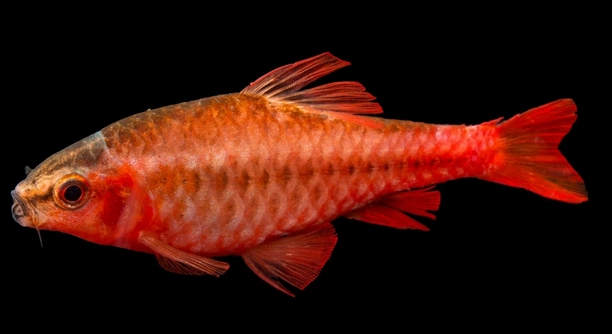
Cherry barbs are a popular choice for aquariums due to their vibrant colors and friendly nature. However, they require proper care, including food, to thrive. Knowing how long they can survive without food is essential for their well-being.
Cherry barbs can survive for several days without food, but this is not ideal for their health. Typically, they can last around 3-5 days, depending on their size and environmental conditions. Prolonged periods without food can lead to stress and weakened immune systems.
Understanding the impact of food deprivation is crucial for maintaining the health of your cherry barbs. This article will guide you on how to care for them and how to avoid situations where they go without food for too long.
How Cherry Barbs Handle Food Deprivation
Cherry barbs are known for their hardiness, but even they need regular feeding to stay healthy. Their small size and active nature mean they burn through energy quickly, which is why food plays such an important role in their well-being. If they are left without food, it can quickly lead to problems. For example, their immune systems may weaken, making them more susceptible to diseases and stress. This is why it’s essential to provide food consistently and monitor their behavior to ensure they are receiving enough nutrition.
When cherry barbs go without food, they may first show signs of stress, like darting around the tank or hiding. This can be an indication that they are uncomfortable and struggling to find enough resources. Over time, their body will begin to deplete its energy stores, and their physical health will decline.
If your cherry barbs have been without food for too long, it’s best to offer them a small portion of food when you can. Don’t overfeed them right away, as this could lead to further stress or digestive issues. Instead, gradually introduce food and monitor their behavior closely.
How to Care for Your Cherry Barbs During Food Shortages
If your cherry barbs are experiencing food deprivation, quick action can make a big difference. Start by checking the water conditions and ensuring the environment is suitable for their recovery. A stress-free and clean tank is vital. If possible, offer live or frozen food, as these tend to be more nutritious and appealing to fish who have been without food for a while.
While cherry barbs are generally resilient, it’s important to remember they thrive best when consistently fed. Their ability to survive for a few days without food should not be taken as an indication that they don’t need regular meals. Providing a balanced diet, rich in proteins and vitamins, is essential for their long-term health.
By keeping an eye on their eating habits and offering high-quality food regularly, you can prevent your cherry barbs from experiencing stress and poor health. Regular feeding not only maintains their physical health but also helps them stay active and vibrant in your aquarium.
Signs Your Cherry Barbs Are Hungry
If your cherry barbs are starting to swim aimlessly or remain near the surface of the water, they might be hungry. They will often show excitement when food is introduced to the tank, and some will even display darting movements. These are all signs that they are actively looking for their next meal.
When cherry barbs are hungry, their behavior becomes more obvious. They may swim to the front of the tank and follow your hand as you approach. Some may even exhibit faster, more erratic swimming patterns, indicating they are searching for food. If they’re not being fed regularly, these behaviors will increase, signaling a lack of nutrition. Keeping track of their behavior can help you monitor their feeding schedule.
It’s important to recognize these signs early to ensure your cherry barbs don’t go hungry for too long. Consistent feeding will prevent these behaviors and keep your fish healthy. By sticking to a regular feeding schedule, you’ll help your cherry barbs stay energetic and happy.
How to Keep Cherry Barbs Healthy
Maintaining a healthy environment for your cherry barbs requires attention to water quality, temperature, and diet. Consistent water changes are crucial for keeping toxins in check. A well-maintained tank allows them to thrive, making it easier to ensure they’re receiving the nutrients they need.
Diet is another key factor. Cherry barbs will eat flakes, pellets, and live food, but variety is essential. Offering different types of food ensures they get all the necessary nutrients. Regularly feeding them a balanced diet of high-quality flakes or pellets with occasional live or frozen foods will keep them strong and healthy.
By combining proper care and a balanced diet, you can keep your cherry barbs in optimal health. Regularly checking the tank’s conditions and offering varied food sources will not only prevent hunger but also encourage active and vibrant fish. Keeping their environment clean is just as important as feeding them well.
How Often Should You Feed Cherry Barbs?
Cherry barbs should be fed once or twice a day, depending on their age and activity level. Young, growing barbs might need more frequent feedings to support their growth. Adults can often manage with one meal a day, but consistency is key.
Overfeeding is just as harmful as underfeeding. If your cherry barbs are consistently overfed, they might become lethargic, and their tank can become polluted quickly. It’s important to feed them a small amount they can consume in a few minutes. Leftover food can cause water quality issues, so always monitor their eating habits.
Finding the right feeding schedule for your cherry barbs will help keep them healthy and prevent unnecessary waste buildup in the tank. Feeding them in small amounts each day ensures they are getting the proper nutrients without overwhelming the tank environment.
The Best Foods for Cherry Barbs
Cherry barbs enjoy a variety of foods, but it’s important to offer a balanced mix. Flake foods and pellets are the mainstay of their diet, but adding live or frozen foods like brine shrimp or daphnia can enrich their meals. These foods provide added protein.
Offering a variety of foods ensures that cherry barbs get all the necessary nutrients. Protein-rich foods will help them maintain strong muscles, while vegetable-based foods promote digestive health. It’s essential to switch up their diet occasionally to keep them interested in eating. Cherry barbs enjoy variety, which helps them remain active.
Adding live food to their diet provides enrichment and stimulates natural hunting behavior. While flake and pellet foods are convenient, offering occasional live or frozen food enhances their overall diet. A varied menu helps prevent malnutrition and encourages better growth.
What to Do if Your Cherry Barbs Aren’t Eating
If your cherry barbs aren’t eating, check the water conditions immediately. Poor water quality or temperature issues can affect their appetite. Ensure the tank is clean and the water is properly filtered.
Stress is another common cause for cherry barbs to stop eating. If there are aggressive tankmates or if the barbs feel threatened, they might refuse to eat. Giving them a stress-free environment is key. Keep tankmates peaceful, and make sure the environment suits their needs.
FAQ
How long can cherry barbs go without food?
Cherry barbs can typically survive for 3-5 days without food. This is mainly because they can use up their energy stores for a limited period. However, it’s important to note that going without food for extended periods can cause stress, weaken their immune system, and lead to other health problems. It is always better to feed them regularly to ensure they remain healthy and active.
Can cherry barbs survive without eating for a week?
While it is possible for cherry barbs to survive a week without food, it is not ideal. Their small size and active nature mean they rely on consistent nourishment to maintain energy levels and stay healthy. A week without food can cause them to become weak and vulnerable to diseases. It’s best to avoid this situation and feed them within the recommended timeframe.
What happens if cherry barbs don’t eat for a long time?
If cherry barbs don’t eat for an extended period, their energy stores will be depleted. They may begin to exhibit signs of stress, such as lethargy or erratic swimming patterns. Prolonged food deprivation can lead to weakened immune systems, making them more susceptible to illness. Their growth may also be stunted, and their overall health can decline rapidly.
How do I know if my cherry barbs are hungry?
Hungry cherry barbs often swim to the front of the tank, following your movements. They may also swim near the surface or dart around the tank as they search for food. If they are overly active or exhibit a more frantic swimming pattern, it’s a good sign they are hungry and looking for something to eat. Some may also be seen nibbling on plants or objects in the tank.
What type of food is best for cherry barbs?
Cherry barbs enjoy a variety of foods, with high-quality flake food and pellets being the most common. They also benefit from occasional live or frozen foods such as brine shrimp, daphnia, or bloodworms. These protein-rich options help keep them healthy and active. Adding a variety of food types ensures that they receive a balanced diet, which supports their growth and energy needs.
Can cherry barbs eat vegetables?
Yes, cherry barbs can eat vegetables, but it should be offered in moderation. Blanched spinach, zucchini, or peas can be a great supplement to their diet. Vegetables provide essential nutrients and help with digestion, but they should not be the main component of their diet. A balanced combination of protein and vegetable-based foods is ideal for cherry barbs.
Do cherry barbs eat algae?
Cherry barbs may nibble on algae, especially if it is growing in their tank. While they are not considered algae-eaters like some other species, they may graze on it occasionally, particularly in the absence of other food sources. However, algae should not be relied upon as their main food source. Regular feeding with a varied diet is crucial for their health.
How often should cherry barbs be fed?
Cherry barbs should be fed once or twice a day, depending on their age and activity level. Young barbs may require more frequent feedings to support their growth. For adults, one feeding a day is sufficient. Overfeeding should be avoided, as excess food can lead to water quality issues and health problems for your fish. It’s best to feed them small amounts that they can consume within a few minutes.
Can cherry barbs eat too much?
Yes, cherry barbs can eat too much. Overfeeding can lead to obesity and water pollution. When fish eat more than they need, leftover food decays in the tank, affecting water quality and potentially causing harm to the fish. It’s important to feed them only as much as they can consume in a few minutes and remove any uneaten food to maintain a healthy tank environment.
What should I do if my cherry barbs stop eating?
If your cherry barbs stop eating, first check the water quality. Poor water conditions can affect their appetite. Make sure the water temperature is appropriate, and that ammonia and nitrite levels are low. If the water quality is good, consider if they are stressed due to tankmates or environmental factors. Lastly, try offering different types of food to see if they are more interested in something new.
Are cherry barbs picky eaters?
Cherry barbs are generally not picky eaters. They will eat a wide variety of foods, including flake food, pellets, and live or frozen options. However, they may have preferences for certain foods, especially if they have been introduced to a diverse diet from a young age. Regularly changing up their food types can keep them interested and ensure they get all the nutrients they need.
Do cherry barbs need live food?
Live food is not essential for cherry barbs, but they certainly enjoy it. Offering live or frozen food, like brine shrimp, can provide extra nutrients and stimulate natural hunting behavior. While they can thrive on flake and pellet foods alone, adding live food once in a while can enrich their diet and keep them active. It’s an enjoyable and beneficial treat for them.
Can cherry barbs eat baby shrimp or other small fish?
Cherry barbs are peaceful and typically do not hunt small fish or baby shrimp. However, in certain conditions or if they are extremely hungry, they might attempt to nibble on small tank mates. If you’re keeping shrimp or other small fish in the same tank, make sure they are large enough or well-protected to avoid any accidental predation by the barbs.
How long can cherry barbs go without food when on vacation?
When you’re away, cherry barbs can go without food for up to 5 days. This is assuming their tank is properly maintained, with good water quality and no stressors. However, it’s best to have someone feed them every few days or set up an automatic feeder to ensure they don’t go too long without food.
Final Thoughts
Cherry barbs are hardy fish that can go without food for a short period, typically around 3 to 5 days, if needed. While they have the ability to survive without food for a while, it’s not ideal for their long-term health. Prolonged periods without food can lead to stress, weakened immune systems, and slower growth. It’s important to maintain a regular feeding schedule to keep them healthy and thriving. Understanding the needs of your cherry barbs and feeding them the right amounts at the right times will help ensure they stay strong and active.
A balanced diet is essential for cherry barbs. They thrive on a combination of high-quality flake foods, pellets, and occasional live or frozen treats. Adding variety to their meals will not only provide them with the nutrients they need but also stimulate their natural behavior. Regular feeding with the right types of food supports their health, keeping them active, vibrant, and less prone to illness. Overfeeding should be avoided, as excess food can pollute the tank and cause water quality issues. Feeding small portions that the fish can consume within a few minutes will prevent waste buildup.
Lastly, cherry barbs are easy to care for when their diet and environment are managed well. They are peaceful fish that get along with other species and add color and activity to any tank. Ensuring good water quality and a peaceful environment will contribute to their overall well-being. If you plan on being away for an extended period, it’s wise to arrange for someone to feed them or use an automatic feeder. Taking these simple steps will help ensure your cherry barbs live a long, healthy, and stress-free life.

Hello,
If you enjoy the content that we create, please consider saying a "Thank You!" by leaving a tip.
Every little bit helps us continue crafting quality advice that supports the health, happiness, and well-being of pets around the world, for pets of all shapes, sizes, and species.
We really appreciate the kindness and support that you show us!