
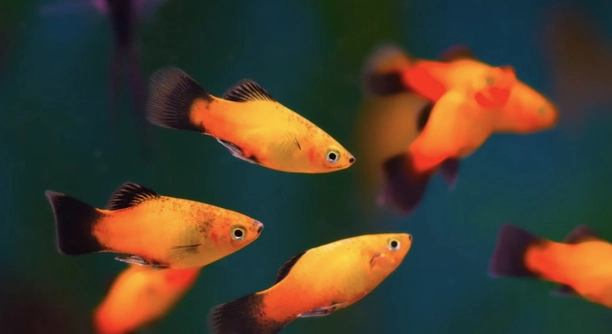
Platies are small, colorful fish that bring life to any aquarium. They are generally peaceful but can sometimes show signs of stress or mood changes. Knowing what affects their mood is important for keeping them healthy and happy.
Several factors can negatively impact a platy’s mood, including poor water quality, incorrect temperature, overcrowding, lack of hiding places, sudden changes in environment, inappropriate diet, and aggressive tank mates. Each of these stressors can lead to behavioral changes and illness.
Recognizing these common issues will help you create a better environment for your platy. Understanding what disturbs their mood is the first step toward preventing stress and promoting well-being.
Poor Water Quality
Maintaining clean water is essential for a platy’s mood and health. Dirty water can cause stress and make fish more vulnerable to diseases. Ammonia, nitrites, and nitrates build up quickly in an unfiltered tank. Even small changes in pH or hardness can upset your platy. Regular water testing and partial water changes help keep the environment stable. Avoid overfeeding, as leftover food decays and pollutes the water. Using a good filtration system ensures harmful substances are removed. Clean water promotes natural behavior and keeps your platy active and vibrant.
Poor water quality can lead to lethargy, loss of appetite, and hiding behavior in platies. Addressing this issue promptly improves their mood and overall condition.
Watching your platy swim actively and interact peacefully with tank mates shows that water quality is well managed. If you notice dull colors or unusual swimming patterns, test the water immediately. Keeping the water parameters within recommended ranges supports your fish’s immune system and reduces stress. Establish a regular cleaning schedule to prevent sudden changes. Remember, platies thrive in stable environments where water chemistry remains consistent. This stability helps maintain a calm and healthy fish.
Incorrect Temperature
Platies are tropical fish requiring a temperature range between 72°F and 78°F. Temperatures outside this range cause discomfort and stress, affecting their mood and health. Too cold water slows metabolism, making platies less active. Too warm water decreases oxygen levels, leading to rapid breathing and restlessness. Using a reliable heater and thermometer is crucial for maintaining consistent temperature. Sudden fluctuations, even a few degrees, can shock your fish and cause illness. Adjust temperature gradually if changes are necessary to avoid stress.
Temperature stress reduces appetite and causes erratic swimming in platies.
To ensure your platy feels comfortable, monitor the aquarium temperature daily. If the room temperature varies widely, consider insulating the tank or relocating it to a stable environment. Regular checks help prevent sudden changes that upset your fish. Consistent warmth supports normal activity and breeding behaviors. Investing in good-quality equipment like thermostats and heaters is worthwhile. Small efforts in maintaining proper temperature have a significant impact on your platy’s mood and longevity.
Overcrowding
Too many fish in one tank causes stress and competition. Platies need enough space to swim freely and establish their territory.
Overcrowding leads to poor water quality because waste builds up faster. It also increases aggression among fish, which can damage fins and cause constant hiding. A crowded tank reduces oxygen levels, making it hard for all fish to breathe well. Platies in cramped conditions often show signs of stress, such as dull colors and reduced activity. Ensuring proper tank size and population helps keep them calm and healthy.
Providing sufficient space improves your platy’s mood and overall wellbeing. If you notice aggression or hiding, it might be time to reduce the number of fish or upgrade the tank size. A good rule is one inch of fish per gallon of water. Remember, a balanced community with enough room supports natural behavior and lowers stress. Overcrowding is a common issue, but it can be easily fixed with simple changes.
Lack of Hiding Places
Platies feel vulnerable without proper hiding spots. They need places to retreat to when stressed or resting. Plants, rocks, and decorations offer shelter and reduce anxiety.
A tank without hiding places increases stress levels and makes fish feel exposed. This can lead to aggressive behavior or hiding all day, which affects their health. Adding live or artificial plants creates natural barriers and enriches the environment. Decorations like caves or tunnels provide safe spaces where platies can escape if needed. Proper shelter promotes confidence and allows fish to show natural behaviors, improving their overall mood. Regularly changing or adding hiding spots keeps the environment interesting and comforting.
Sudden Changes in Environment
Platies react poorly to sudden changes in their environment. Moving tanks, rearranging decorations, or changing water conditions quickly can cause stress.
Stress from these changes can weaken their immune system and lead to illness. It is important to introduce any changes gradually to avoid upsetting your platy.
Inappropriate Diet
A balanced diet is crucial for your platy’s mood and health. Feeding only flakes or neglecting variety can cause nutritional deficiencies and stress.
Including live or frozen foods like brine shrimp and bloodworms improves nutrition and keeps platies interested in their meals. A varied diet supports vibrant colors and active behavior, contributing to overall wellbeing.
Aggressive Tank Mates
Platies are peaceful fish and do not do well with aggressive species. Aggressive tank mates cause stress, injury, and fear.
Choosing compatible fish helps maintain a calm and stable tank environment.
What are the signs that my platy is stressed?
Stressed platies often show changes in behavior and appearance. They may hide more than usual or stay at the bottom of the tank. Loss of appetite and dull colors are common signs. Erratic swimming or gasping at the surface can also indicate stress. These behaviors usually mean something in their environment is wrong and needs attention.
How often should I test my aquarium water?
Testing water weekly is a good practice to keep your platy healthy. Check parameters like ammonia, nitrite, nitrate, pH, and hardness. Regular testing helps catch problems early before they affect your fish. Use a reliable test kit and keep records to track any changes over time.
Can platies live with other fish species?
Yes, platies are peaceful and do well with other non-aggressive species of similar size. Good tank mates include guppies, mollies, and tetras. Avoid large or aggressive fish, which can stress or harm platies. Always research compatibility before adding new fish to the tank.
How much space does a platy need?
Each platy needs about 2 to 3 gallons of water. This allows enough room for swimming and reduces stress caused by overcrowding. A small group of three to five platies should have a tank of at least 10 gallons to keep them comfortable and healthy.
What is the ideal water temperature for platies?
The ideal temperature range is 72°F to 78°F. Maintaining stable temperatures within this range supports normal activity and breeding. Sudden changes can cause stress, so use a heater and thermometer to keep conditions steady.
What should I feed my platy?
Platies thrive on a varied diet. High-quality flake food forms a good base, but include live or frozen foods like brine shrimp or bloodworms. Supplementing with vegetables such as blanched spinach or zucchini also benefits their nutrition and keeps them active.
How often should I clean the tank?
Partial water changes of about 25% every one to two weeks keep the tank clean. Regular gravel vacuuming and filter maintenance prevent buildup of harmful substances. Avoid full water changes as they can shock your fish and disrupt the environment.
Why is my platy hiding all the time?
Hiding is usually a sign of stress or discomfort. It can be caused by aggressive tank mates, lack of hiding spots, or poor water quality. Ensure your tank has enough plants and decorations for shelter and check water parameters. Reducing stressors will encourage your platy to be more active.
Can platies breed in a community tank?
Yes, platies are livebearers and can breed easily in community tanks. They give birth to free-swimming young, called fry. To protect the fry, provide plenty of hiding spaces or separate them into a breeding tank, as adult fish may eat the babies.
What should I do if my platy looks sick?
If you notice signs like clamped fins, white spots, or unusual swimming, test water quality first. Quarantine the sick fish if possible. Treat common illnesses with appropriate medication and maintain good tank hygiene. Early intervention improves recovery chances.
Taking care of platies involves paying attention to many small details that affect their mood and health. These fish are sensitive to their surroundings, and things like water quality, temperature, space, and diet play a big role in their well-being. When any of these factors are off, platies can become stressed or sick. It is important to create a stable environment with regular maintenance and thoughtful care. By doing this, you help your fish live longer and enjoy a better quality of life.
Observing your platy’s behavior is one of the best ways to know if something is wrong. Changes in activity, color, or eating habits can signal that your fish is uncomfortable or stressed. Early detection of these signs allows you to take quick action. Simple steps like testing the water, adjusting temperature, or rearranging the tank can make a big difference. Providing enough space and hiding places also helps your platy feel safe and reduces anxiety. Being consistent with these routines builds a healthy habitat where your fish can thrive.
Finally, feeding your platy a varied and balanced diet supports its overall mood and physical health. Offering different types of food, including flakes, live or frozen options, and some vegetables, gives them the nutrients they need. Avoid overfeeding to prevent water pollution and health problems. Remember that the goal is to meet all your platy’s needs to keep it happy and active. Caring for a platy takes effort, but it is rewarding when you see your fish swimming confidently and showing vibrant colors every day.

Hello,
If you enjoy the content that we create, please consider saying a "Thank You!" by leaving a tip.
Every little bit helps us continue crafting quality advice that supports the health, happiness, and well-being of pets around the world, for pets of all shapes, sizes, and species.
We really appreciate the kindness and support that you show us!