
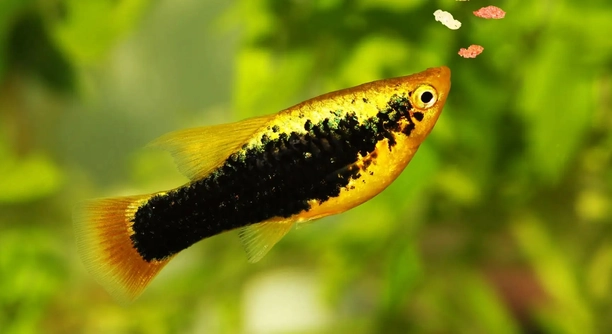
Many platies are peaceful, colorful fish that brighten up any aquarium. Sometimes, they spend most of their time near the heater, which can seem unusual or worrying for fish owners. Understanding this behavior helps ensure their well-being.
Platies stay near the heater mainly to regulate their body temperature. As tropical fish, they prefer warm water, and if the tank temperature is lower than ideal, they seek the heat source to stay comfortable and maintain proper metabolism.
Learning about your platy’s habits can improve their health and comfort. Recognizing the reasons behind their behavior helps create a better environment for them to thrive.
Why Platies Prefer Warmer Water
Platies are tropical fish that naturally live in warm environments. Their bodies are designed to function best at temperatures between 74°F and 80°F. When the water is cooler, their metabolism slows down, making them less active and more vulnerable to illness. The heater in an aquarium creates a warm spot that feels safer and more comfortable for them. If the overall tank temperature is lower than their preference, platies will stay close to the heater to keep warm. This behavior is a simple way for them to regulate their body temperature without using extra energy. Additionally, water near the heater usually has better circulation, which can bring more oxygen and nutrients to the fish. Watching a platy near the heater is normal, especially if the room temperature drops or the aquarium heater is set correctly for tropical fish care.
The heater’s warmth helps platies stay active and healthy in cooler tanks. Their comfort depends on the right temperature.
Maintaining the correct tank temperature is essential to keep your platies lively and prevent stress. Sudden drops in water temperature can cause your fish to seek out warm spots and stay there for longer periods. This is often seen when the room temperature is cold or during winter months. Make sure your heater is functioning properly and set to a steady, appropriate temperature. Using a reliable thermometer to check water temperature regularly can prevent problems before they start. Proper heating creates a balanced environment that encourages natural behavior and supports immune health in platies. If the temperature stays stable, you will notice your fish swimming around more and exploring the tank instead of sticking near the heater all day.
Signs Your Platy Needs a Health Check
A platy lingering near the heater may also signal health concerns. Fish that are sick or stressed tend to seek warmth as their body struggles to maintain normal functions. Symptoms like lethargy, loss of appetite, or unusual swimming patterns paired with this behavior suggest it is time for a health check.
If your platy stays near the heater and shows signs of distress, acting quickly can prevent further issues. Stress from poor water quality, infection, or improper diet can worsen if ignored. Checking water parameters such as pH, ammonia, nitrite, and nitrate levels helps rule out environmental causes. Sometimes, parasites or bacterial infections require treatment that only a vet or experienced aquarist can provide. Offering high-quality food and a clean tank supports recovery. Monitoring your platy’s behavior daily will help catch problems early, ensuring they remain healthy and comfortable.
Adjusting Tank Temperature for Your Platy
Platies thrive best in water temperatures between 74°F and 80°F. Keeping the tank within this range reduces their need to stay near the heater all day.
If your tank is too cool, your platy will seek the heater to stay warm. To fix this, adjust your aquarium heater settings slowly and steadily. Sudden temperature changes can stress your fish. Use a reliable thermometer to monitor the water temperature regularly. This helps maintain a stable environment, encouraging your platy to swim freely around the tank instead of clustering near the heater.
Besides adjusting the heater, consider the room’s temperature where the tank sits. Cold drafts or low room temperature can lower the aquarium’s overall warmth. Placing the tank away from windows or vents helps keep the water temperature steady. Regular maintenance and careful temperature control are important steps to keep your platy happy and healthy.
Importance of Water Quality in Platy Behavior
Poor water quality often causes platies to act unusually, including staying near the heater. Dirty water can stress fish and impact their health.
Testing your aquarium water for ammonia, nitrites, and nitrates is essential. High levels of these compounds can harm fish, making them seek warmth for comfort. Regular water changes, cleaning the filter, and avoiding overfeeding help keep water clean. Good water quality creates a healthier environment that supports your platy’s natural behavior and reduces stress. Monitoring water conditions consistently prevents problems that affect your fish’s comfort and activity.
Signs of Stress in Platies
Platies under stress may hide near the heater for comfort. Stress signs include clamped fins, reduced movement, and loss of appetite. These signs mean your fish needs attention to avoid health problems.
Stress can come from poor water conditions, temperature fluctuations, or tank mates. It’s important to identify and fix these issues quickly.
Feeding Habits and Temperature
Temperature affects platy feeding habits. In cooler water, their digestion slows, making them eat less. Warmer water helps maintain a healthy appetite and proper digestion. Feeding quality food and keeping stable tank temperatures supports your platy’s overall health and activity.
Tank Setup Considerations
Tank size and decorations can affect platy behavior. Small tanks or crowded spaces may cause your fish to feel stressed, making them stay near the heater. Provide enough space and hiding spots to encourage natural movement.
When to Seek Professional Help
If your platy stays near the heater but shows no improvement, consulting an expert is recommended. Early intervention can prevent serious health issues.
FAQ
Why does my platy always stay near the heater?
Platies are tropical fish that prefer warm water. If the tank temperature is too low or uneven, they will stay near the heater to keep warm. This helps maintain their metabolism and overall comfort. Make sure your heater is set between 74°F and 80°F for the best conditions.
Is it normal for platies to hang out near the heater sometimes?
Yes, it is normal for platies to spend time near the heater, especially when the tank water is cooler than ideal. However, if they stay there constantly and show signs of stress or illness, it might mean the tank temperature needs adjusting or there is another problem.
Can a faulty heater cause my platy to behave strangely?
A heater that doesn’t work properly can cause temperature fluctuations, stressing your fish. If the water gets too cold, your platy will stay near the heater more than usual. Regularly check your heater and use a thermometer to keep the water temperature stable.
What water temperature is best for platies?
Platies do best in water temperatures between 74°F and 80°F. Staying within this range helps them stay active and healthy. Temperatures outside this range can slow their metabolism or cause stress, leading to unusual behaviors.
How can I tell if my platy is stressed?
Signs of stress include hiding, staying near the heater, clamped fins, loss of appetite, and unusual swimming patterns. Stress can come from poor water quality, sudden temperature changes, or aggressive tank mates. Addressing these factors can improve your platy’s well-being.
What should I do if my platy looks sick and stays near the heater?
If your platy shows signs of illness like discoloration, lethargy, or lack of appetite, and stays near the heater, test your water quality first. Check for ammonia, nitrites, and nitrates. If the water is fine, consider consulting a vet or experienced aquarist for treatment advice.
Can poor water quality make platies stay near the heater?
Yes, poor water quality stresses fish and can cause them to seek warmth near the heater. Ammonia and nitrite spikes are harmful and often make fish behave abnormally. Regular water testing and maintenance are essential for a healthy tank.
Does room temperature affect my aquarium heater’s performance?
Room temperature can influence the overall tank temperature. If the room is cold, the heater has to work harder to maintain warmth. Placing the tank away from drafts and cold windows helps keep the water stable and reduces your platy’s need to stay near the heater.
How often should I check my aquarium’s temperature?
It’s best to check your aquarium’s temperature daily, especially if you notice your platy staying near the heater. Using a reliable thermometer helps catch any sudden drops or spikes early, allowing you to act before your fish get stressed.
Can overcrowding cause platies to stay near the heater?
Overcrowding can stress platies and limit their swimming space, which might make them hide near the heater for comfort. Ensuring adequate tank size and avoiding too many fish helps reduce stress and encourages natural behavior.
Will changing the heater’s position help my platy?
Placing the heater in a spot with good water flow ensures even heat distribution. This prevents hot or cold spots in the tank. Uneven heating can make your platy stay near the heater, so proper placement helps them feel comfortable throughout the aquarium.
How do I gradually adjust tank temperature?
If your tank is too cold, increase the heater setting slowly—about 1–2 degrees per day. Sudden changes can shock your fish and cause stress. Monitor their behavior as you adjust to ensure they adapt well.
Can platies survive without a heater?
Platies can survive short periods without a heater if the room temperature stays within their preferred range. However, they do best with a consistent warm temperature provided by a heater. Without it, they may become stressed or sick.
What foods support platy health in cooler water?
High-quality, easy-to-digest foods like flakes, pellets, and frozen brine shrimp support platy health. In cooler water, their digestion slows, so feeding smaller amounts more often helps prevent uneaten food from polluting the tank.
How do I know if my platy’s heater is too hot?
If the water temperature goes above 80°F, your platy may become stressed. Signs include rapid breathing, frantic swimming, or hiding. Use a thermometer regularly and adjust the heater to keep the temperature stable and comfortable.
What tank size is best for platies?
A minimum of 10 gallons is recommended for platies to have enough space to swim comfortably. Larger tanks with proper filtration and heating make it easier to maintain stable water conditions, reducing stress and unusual behavior like clustering near the heater.
Platies are gentle, colorful fish that add life to any aquarium. Their behavior, such as staying near the heater all day, often reflects how comfortable they feel in their environment. Understanding why they do this is important for keeping them healthy. Often, platies stay near the heater because they need warmth. Tropical fish need warmer water to keep their metabolism working properly. When the water is cooler than they like, they naturally seek out warmer spots. This is not unusual, but it does mean their tank temperature should be checked. Keeping the temperature steady within their preferred range, usually between 74°F and 80°F, helps platies feel comfortable and active.
Water quality is another key factor affecting platy behavior. Dirty or unbalanced water stresses fish, causing them to hide or stay near the heater for comfort. Testing the water regularly for ammonia, nitrites, and nitrates is necessary to keep the tank healthy. Routine water changes and proper filtration support good water quality and help reduce stress. Stress can weaken a platy’s immune system, making it easier for illness to take hold. If a platy stays near the heater and shows signs of stress or sickness, such as loss of appetite or clamped fins, it’s important to act quickly. Sometimes, a water parameter change or a check on the heater is all that is needed, but other times professional help may be required.
Creating a balanced and stable environment is the best way to encourage your platy to swim freely and enjoy its home. This includes proper tank size, good water conditions, and the right temperature. Paying attention to your fish’s behavior helps catch any problems early. If your platy spends most of the time near the heater, it could be a sign that something needs adjustment. By providing steady warmth, clean water, and enough space, you can support your platy’s health and happiness. Taking these steps will make your aquarium a better place for your fish to thrive.

Hello,
If you enjoy the content that we create, please consider saying a "Thank You!" by leaving a tip.
Every little bit helps us continue crafting quality advice that supports the health, happiness, and well-being of pets around the world, for pets of all shapes, sizes, and species.
We really appreciate the kindness and support that you show us!