
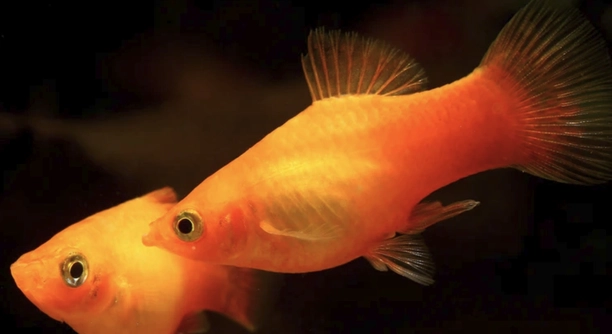
Do your platies often stay close to the bottom of the tank, leaving you unsure if something might be wrong with them?
Platies tend to stay near the tank floor due to stress, poor water conditions, low oxygen levels, illness, or territorial behavior. In some cases, it may also be linked to age, rest, or natural habits.
Understanding these reasons can help you create a healthier tank environment and better respond to your platy’s behavior.
Poor Water Quality
When platies spend a lot of time near the tank floor, poor water quality is often a major cause. Ammonia, nitrite, and nitrate levels can quickly rise and harm their health. Dirty substrate, leftover food, and lack of water changes can make conditions worse. Your platy may retreat to the bottom as a way to cope with discomfort caused by these imbalances. Monitoring water parameters regularly and cleaning the tank weekly is essential. Use a water test kit to check for spikes and adjust as needed. Maintaining a filter that works properly and avoiding overcrowding also help stabilize the environment.
If water conditions don’t improve, even small fluctuations can create ongoing stress. This keeps your platy on edge and reluctant to swim freely.
Try to keep your tank clean, test the water often, and remove debris from the bottom to give your platy a safer, more comfortable space to explore.
Lack of Oxygen
Low oxygen levels can make fish sluggish and force them to stay low in the tank. This is common in tanks with poor circulation or high temperatures.
Platies rely on dissolved oxygen in the water, and when levels drop, their breathing becomes strained. Tanks without enough aeration—like those lacking an air stone or having minimal surface movement—may lead platies to hang near the floor where water feels slightly cooler or calmer. Warm tanks also hold less oxygen, making it harder for fish to stay active. You might also see your platies breathing heavily or avoiding movement altogether. To fix this, check your filter for adequate surface agitation. Consider adding a bubbler or air pump to improve oxygen exchange. Regular water changes help too, especially when combined with trimming overgrown plants that can reduce oxygen at night. Avoid overcrowding since too many fish can drain oxygen fast. Once the levels are restored, your platies should return to normal swimming behavior.
Illness or Injury
Sick or injured platies often rest at the bottom because movement becomes tiring or painful. Common illnesses like swim bladder disorder, fin rot, or internal parasites can limit their ability to stay buoyant.
If your platy shows signs like clamped fins, labored breathing, or a curved spine, illness may be the cause. Bottom-sitting is often one of the first noticeable signs. Observe your fish for odd swimming patterns, loss of appetite, or discoloration. Quarantining the affected platy and treating with appropriate medication can help. Keeping the tank clean, offering high-quality food, and managing temperature changes also supports recovery. Injuries from aggressive tank mates or sharp decorations may also cause your fish to stay low while healing. Reducing stress, providing hiding spots, and removing anything sharp or aggressive tank mates helps them feel safe. Always treat any suspected illness quickly to improve their chances of a full recovery.
While treating a sick platy, make sure other tank mates aren’t also affected. Many illnesses spread quickly in closed tank environments, especially when water conditions are already unstable. Maintain consistent care even after treatment. Sometimes, a platy may appear recovered but stay at the bottom due to lingering weakness or stress. Continue offering support with calm surroundings and protein-rich food. Over time, you may notice their energy slowly return.
Resting or Sleeping Behavior
Platies sometimes rest near the bottom of the tank, especially during periods of low light or calm. This behavior is usually harmless if they seem alert and healthy otherwise.
Fish don’t sleep like mammals, but they enter rest phases. During this time, they lower their activity levels and may remain still at the tank floor. Platies may also hide behind plants or decorations while resting. You’ll notice their gills moving slowly, and they usually respond when approached or when lights turn on. If your platy returns to normal behavior afterward, there’s usually no cause for concern. Resting more often can be normal for older platies, especially if they’re eating well and show no signs of illness. To support healthy rest, make sure your tank has quiet spots and a consistent light cycle. Avoid excessive lighting, and let them enjoy peaceful areas of the tank where they can recharge.
Stress from Tank Mates
Aggressive or fast-moving fish can push platies toward the bottom. They may stay there to avoid being chased or nipped at. This type of stress can build over time and affect their overall health and behavior.
Keeping platies with peaceful tank mates helps reduce stress. Avoid housing them with fin-nippers or overly dominant species.
Natural Behavior
Sometimes, platies stay near the tank floor simply because they want to. They may explore gravel, rest, or forage for leftover food. As long as they look healthy, eat well, and swim normally at other times, this behavior is nothing to worry about. It’s often just part of their normal routine.
Old Age
Older platies tend to slow down and spend more time near the bottom. As they age, their energy decreases, and resting becomes more frequent. This is a natural change and usually doesn’t require intervention.
FAQ
Why do my platies hide near the bottom all the time?
Platies often hide near the tank floor due to stress, illness, or poor water conditions. They may also do this to avoid aggressive tank mates or because they are resting. Checking water quality and tank dynamics usually helps identify the cause.
How can I improve my platy’s water conditions?
Regular water changes and cleaning the substrate reduce harmful chemicals like ammonia and nitrate. Using a water test kit helps monitor levels. Adding a proper filter and avoiding overfeeding are also important steps to keep the water safe and clean.
Is it normal for platies to rest at the bottom of the tank?
Yes, platies rest near the bottom as part of their natural behavior. They do not sleep like mammals but enter low-activity phases. If they appear healthy and respond to stimuli, resting at the bottom is normal.
Can poor oxygen levels make my platies stay at the bottom?
Low oxygen levels make platies lethargic and cause them to stay low in the tank. Increasing aeration with air stones or bubblers and ensuring good water circulation can help improve oxygen availability.
What signs show that my platy is sick?
Signs of illness include clamped fins, difficulty swimming, discoloration, loss of appetite, and labored breathing. Bottom-dwelling behavior combined with these symptoms often indicates a health problem needing attention.
How do I treat swim bladder issues in platies?
Swim bladder problems can cause platies to sink or float oddly. Fasting for a day or two and feeding cooked, peeled peas can help clear constipation, which is a common cause. If symptoms persist, medication or veterinary advice might be needed.
Could tank mates cause my platies to stay near the bottom?
Yes, aggressive or fast fish can intimidate platies, making them hide at the bottom to avoid stress. Choosing peaceful companions helps platies feel safe and encourages normal swimming behavior.
Do older platies spend more time near the tank floor?
Older platies naturally slow down and rest more often near the bottom. This behavior is normal with age and usually does not require intervention unless other health issues are present.
What can I do if my platy is injured?
Isolate the injured platy in a quarantine tank to prevent further harm. Keep the water clean and provide gentle care. Treat wounds with recommended fish medications and avoid stressful conditions until recovery.
How often should I check my tank for problems?
Testing water parameters weekly and observing fish behavior daily helps catch issues early. Regular maintenance, including water changes and cleaning, supports a healthy environment that keeps platies active and happy.
Platies spending time near the tank floor can mean different things depending on the situation. It is important to observe their behavior carefully and check the water quality regularly. Many common reasons for bottom-dwelling include stress from tank mates, poor water conditions, low oxygen, illness, or natural resting habits. Each of these factors affects platies in different ways. Knowing what to look for helps you decide the best way to support your fish and keep your tank environment healthy.
Maintaining a clean tank with stable water parameters is one of the most effective ways to keep platies comfortable and active. Testing for ammonia, nitrite, nitrate, and oxygen levels regularly is essential. Along with proper filtration and regular water changes, these steps create a safe space for your fish. Watching your platies closely for any signs of illness or unusual behavior also plays a big role. If you notice your fish spending excessive time at the bottom or showing signs of distress, acting quickly with treatment or environmental changes can improve their health.
Remember that some bottom-dwelling is natural and harmless, especially if your platies are resting or exploring the substrate. Older fish may spend more time near the floor, and peaceful hiding can be part of their routine. Still, it’s important to rule out problems like disease or stress from other tank inhabitants. Creating a calm and balanced tank environment helps your platies feel secure and encourages normal swimming behavior. Taking these steps will help you enjoy your platies and support their well-being for a long time.

Hello,
If you enjoy the content that we create, please consider saying a "Thank You!" by leaving a tip.
Every little bit helps us continue crafting quality advice that supports the health, happiness, and well-being of pets around the world, for pets of all shapes, sizes, and species.
We really appreciate the kindness and support that you show us!