
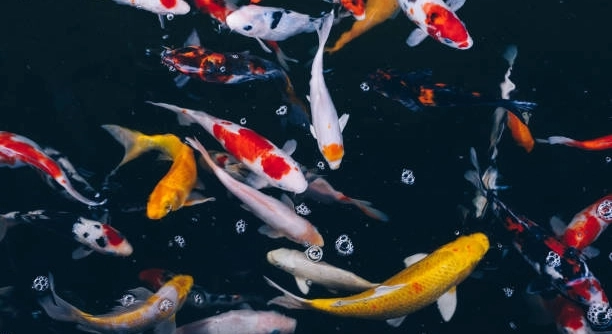
Koi fish are popular pets that need the right water temperature to stay healthy. Knowing when your koi are cold is important for their care. This article will help you understand the signs and reasons behind it.
Koi fish show signs of being cold through slower movements, reduced appetite, and staying near warmer water areas. These behaviors indicate their metabolism is slowing down due to low temperatures, which can affect their health if not addressed.
Recognizing these signs early can help you keep your koi comfortable and healthy. Proper care makes a big difference in their well-being throughout changing seasons.
Signs That Koi Fish Are Feeling Cold
When koi fish get cold, they tend to move less and become sluggish. You might notice them staying near the bottom or clustering together in warmer spots of the pond. Their breathing slows down, and they may not eat as much as usual. Cold water lowers their metabolism, which means their body functions slow down. This is normal in chilly weather, but if the temperature stays low for too long, it can harm their health. Sometimes, koi will appear pale or lose some of their bright colors. Watching these changes can help you know when your fish need extra care or warmer water. It’s important to keep an eye on them during cold seasons to avoid serious problems.
Koi that are cold often hide or become less active, which can be worrying for owners who want them healthy and happy.
Knowing these signs helps you act quickly and keep your koi safe during colder months.
How to Keep Koi Warm in Cold Weather
Keeping koi warm when the temperature drops is key to their survival. One simple way is to use pond heaters or de-icers to prevent the water from freezing. These devices keep a small area of the pond ice-free, allowing oxygen to flow and the fish to breathe properly. You can also add pond covers or floating insulation to keep some heat in. Another method is to reduce feeding because koi need less food in cold weather; their digestion slows down. If you notice the water temperature dropping below 50°F (10°C), try to take these steps quickly. Maintaining stable temperatures helps koi avoid stress and illness during winter or cold spells.
It’s best to prepare before the cold arrives, ensuring your koi have a comfortable environment. Early action prevents many health problems.
Preventing Cold Stress in Koi Fish
Cold stress happens when koi stay in low temperatures too long. This weakens their immune system, making them prone to disease. It’s important to monitor water temperature regularly, especially during sudden cold snaps or winter.
One way to prevent cold stress is to keep the pond deep enough, ideally at least three feet. Deeper water stays warmer longer and gives koi a place to retreat when the surface gets too cold. Using aerators or pond heaters to maintain some open water also helps oxygen flow, which is crucial when ice forms on the surface. Avoid overfeeding during cold months since uneaten food can pollute the water and harm koi.
Checking your pond equipment often can catch problems early. If the water temperature drops rapidly, taking quick action can save your fish from serious health issues.
What to Do When Koi Fish Get Too Cold
If you see signs that koi are too cold, start by gently raising the water temperature. Use a pond heater or bring some water indoors to warm it slowly before returning it. Sudden temperature changes can shock the fish, so warming must be gradual.
Remove any ice covering the pond carefully to allow oxygen exchange. Avoid breaking ice roughly, which can harm the fish or disturb their environment. If koi stop eating, don’t force-feed them; wait until the water warms and their metabolism improves.
Keep the pond clean and monitor for any signs of illness. Providing a stable, warm environment supports their recovery. Always plan ahead for cold weather to avoid emergencies.
Common Mistakes When Caring for Cold Koi
Overfeeding koi during cold weather is a frequent mistake. Their digestion slows, and uneaten food can pollute the water, causing health problems.
Ignoring water temperature changes can also lead to stress and illness. Regular monitoring is essential to keep koi healthy through cold periods.
Feeding Koi in Cold Weather
Feeding koi during cold weather should be limited or stopped when water temperature falls below 50°F (10°C). Their metabolism slows, and they cannot properly digest food. Feeding too much can cause leftover waste, leading to poor water quality. Offering easily digestible food when temperatures rise helps koi stay strong. Adjust feeding habits with the seasons to match their natural needs and avoid unnecessary health risks.
Monitoring Water Temperature
Consistently check water temperature with a reliable thermometer. This simple step helps you catch dangerous drops early and take timely action to protect your koi.
How can I tell if my koi fish are too cold?
Koi fish that are too cold often show slower movements and may hide near the pond bottom or under plants. They might stop eating and seem less active. Their breathing slows down, and sometimes their colors look duller. Watching these signs closely helps you act before the cold harms their health.
What is the ideal water temperature for koi fish?
Koi prefer water temperatures between 65°F and 75°F (18°C to 24°C). When temperatures drop below 50°F (10°C), their metabolism slows, and they become less active. It’s important to keep the pond temperature stable during colder months to avoid stress.
Can koi survive if the pond freezes over?
Koi can survive if the pond freezes, but the ice must not cover the entire surface. A small open area is needed for oxygen exchange. Using pond heaters or aerators to keep a hole in the ice is important. If the pond fully freezes, koi may suffocate or suffer from low oxygen.
Should I feed my koi during winter?
Feeding should be reduced or stopped when water temperature falls below 50°F (10°C). Koi’s digestion slows in cold water, and feeding them can cause uneaten food to pollute the pond. When temperatures rise above 50°F, feed sparingly with easy-to-digest food.
What happens if koi stay too cold for too long?
Extended exposure to cold weakens koi’s immune system, making them vulnerable to diseases. Their body functions slow down, and recovery takes longer. Cold stress can lead to infections, fin rot, and other health issues if not managed properly.
How can I safely warm my koi if they get too cold?
Raise the water temperature gradually using a pond heater or by mixing in warmer water. Sudden temperature changes shock koi and can cause harm. Remove ice gently to allow oxygen flow without disturbing the fish. Avoid feeding until koi start eating on their own again.
Is it necessary to cover my pond in winter?
Covering the pond with a floating cover or insulating material helps retain heat and prevents debris from falling in. It also slows ice formation, making it easier to maintain open water areas. This simple step helps protect koi during cold weather.
Can I use a heater all winter?
Yes, using a pond heater or de-icer during winter is a good way to keep water temperature safe and prevent ice buildup. Make sure the heater is appropriate for your pond size and follow safety guidelines to avoid electrical hazards.
What depth should my pond be to protect koi in winter?
A pond depth of at least three feet helps koi survive cold weather. Deeper water warms slower and provides a stable environment where fish can avoid freezing temperatures near the surface. Shallow ponds freeze more easily, increasing risk to koi health.
How often should I check the water temperature?
During cold months, check water temperature daily or every few days. Frequent monitoring lets you respond quickly if the temperature drops suddenly. Consistent checks help you maintain a safe environment for your koi.
Are there signs koi are recovering from cold stress?
Yes, recovering koi will start moving more actively and show increased appetite. Their colors may become brighter as metabolism improves. You may also notice them swimming in open water rather than hiding at the bottom.
Can cold water cause diseases in koi?
Cold water weakens koi’s immune system, making them more prone to infections like fin rot or parasites. Stress from cold temperatures can trigger illnesses. Keeping water clean and stable temperature helps prevent disease during cold weather.
Is it safe to use chemicals or treatments in cold water?
Many treatments work best in warmer water. Using chemicals in cold temperatures can stress koi further or be less effective. Always follow product instructions and consult experts before treating koi during winter or cold spells.
What should I do if I suspect my koi are sick from the cold?
Isolate affected fish if possible and improve pond conditions by stabilizing temperature and water quality. Avoid feeding until koi recover. Contact a vet or aquatic specialist for proper diagnosis and treatment advice.
Can koi adapt to cold water naturally?
Koi can slow their metabolism and become less active as water cools, which is a natural adaptation. However, they still need protection from extreme cold and ice. Providing the right environment helps them survive without stress.
Taking care of koi fish through cold weather requires attention and simple steps. These fish are sensitive to temperature changes, and cold water affects their health and behavior. Watching for signs like slow movement, loss of appetite, or pale colors can help you know when your koi are feeling cold. Understanding these signs early lets you make changes to keep them safe. It is important not to ignore these small clues because cold stress can weaken their immune system and lead to illness.
Keeping the pond environment stable during colder months is key. Using tools like pond heaters, de-icers, or aerators helps keep the water from freezing completely and provides the oxygen koi need to survive. Deep ponds are better because they hold warmth longer, giving fish a place to stay warmer. Feeding should be adjusted during cold weather since koi digest food slower in cold water. Overfeeding can harm water quality and make koi sick. Careful monitoring of temperature and water conditions can prevent many problems and make sure your koi stay healthy throughout the year.
Cold weather care for koi does not have to be difficult. Simple actions like checking water temperature often, removing ice gently, and feeding less help create a safe environment. Being prepared for winter and cold spells lets you protect your fish from stress and disease. Keeping koi healthy means paying attention to their needs in every season. With patience and proper care, koi can live a long, healthy life even when the weather turns cold.

Hello,
If you enjoy the content that we create, please consider saying a "Thank You!" by leaving a tip.
Every little bit helps us continue crafting quality advice that supports the health, happiness, and well-being of pets around the world, for pets of all shapes, sizes, and species.
We really appreciate the kindness and support that you show us!