
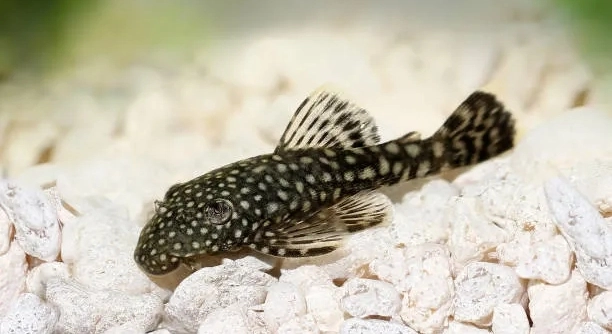
Are your pleco’s hiding spots feeling a bit empty or too small? Many owners don’t realize that these fish need secure spaces to feel comfortable in their tanks. Proper hiding areas are essential for their well-being.
Plecos require adequately sized and secure hiding spots to reduce stress and encourage natural behaviors. Insufficient or cramped shelters can lead to health issues, aggression, and decreased activity, making tank adjustments necessary for the fish’s long-term welfare.
Providing the right shelter ensures your pleco feels safe, happy, and more active in its environment. Small changes can greatly improve its daily life.
Signs Your Pleco Is Hiding Too Little
Plecos are naturally shy and need places to retreat. If your fish spends most of its time in open water or seems restless, its hiding spot might be too small or uncomfortable. Plecos often prefer caves, driftwood, or PVC pipes that allow them to feel fully enclosed. Watching its behavior closely can reveal if it avoids certain areas or seems stressed. Tank decorations may look fine to us, but plecos require spaces that fit their body size comfortably. Overcrowded tanks with limited hiding spaces increase stress and may cause illness. Even healthy-looking plecos may show subtle signs of discomfort like slower swimming, staying near corners, or unusual coloration. By observing these behaviors, you can decide if the current hiding options meet your pleco’s needs and adjust accordingly. Simple additions like larger caves or more secure nooks can improve the fish’s comfort and confidence. Proper hiding spots support natural behavior and help reduce tension.
Smaller hides can limit a pleco’s comfort, causing stress and reducing its natural activity. Adequate shelter improves overall well-being.
Adding a few larger or more secure hiding spaces is often enough to make a noticeable difference. Plecos feel safer when they can fully retreat, which encourages them to explore the tank and maintain normal activity. Observing their preferred spots will guide your choices. Driftwood, ceramic caves, or even PVC tubes of the right size provide privacy while allowing water flow. It’s important to arrange hides in quiet corners, away from heavy tank traffic, so the fish has options to rest undisturbed. Changing the environment gradually helps the pleco adapt without sudden stress. By providing sufficient hiding areas, you help your pleco thrive, stay healthy, and display its natural behavior more confidently.
Signs of Stress from Cramped Hiding Spots
Stress in plecos can be subtle, often shown through behavior changes like constant movement or hiding outside the usual spots.
Stress affects feeding habits, immunity, and activity levels. Cramped shelters can lead to aggression or a dull appearance, highlighting the need for proper-sized hides to maintain health.
Plecos rely on secure shelters to feel safe. If their hiding spots are too small, they may avoid using them, swim nervously, or display unusual aggression toward tankmates. Over time, this stress can weaken their immune system, making them more susceptible to disease. Stress also impacts growth and reduces activity, as plecos may spend more energy seeking security than eating or exploring. Providing appropriately sized caves or hiding spots encourages natural behavior, reduces anxiety, and helps maintain vibrant colors and health. Observing where and how a pleco interacts with its environment can indicate whether adjustments are needed. Simple modifications, like increasing hide dimensions or adding multiple shelters, can greatly enhance comfort. Ensuring each pleco has a secure, roomy hiding spot supports both physical and mental well-being.
Inactivity and Lethargy
Plecos that lack adequate hiding spots often become inactive. They may cling to one area of the tank and move very little, showing signs of stress or discomfort.
Inadequate shelter can make plecos feel unsafe, causing them to remain in one spot for long periods. They may stop exploring or feeding as actively, which can lead to slower growth and less vibrant coloring. Without a secure space to retreat to, plecos may also show irregular sleep patterns, staying tense throughout the day. This lethargy is a clear signal that their environment needs adjustment. Simple changes, like adding a larger cave or multiple hiding spaces, can help restore activity levels. By monitoring behavior and making gradual adjustments, you ensure your pleco remains healthy and engaged in its tank.
Providing a secure, appropriately sized hiding spot encourages natural behavior and more consistent activity. Plecos regain confidence when they feel protected, which improves overall health and well-being.
Visible Scratches or Injuries
Scratches or abrasions can appear when plecos try to squeeze into tight hides. These marks indicate that current shelters may be too small or poorly placed.
Constant rubbing or scraping against surfaces occurs when plecos feel confined. Overly narrow caves or rough decorations can cause minor injuries, which may worsen if stress persists. Plecos need smooth surfaces and sufficient space to fully enter their hiding spots without scraping their fins or bodies. Monitoring their physical condition regularly can help identify problem areas early. Adjusting tank decorations and replacing cramped shelters with larger or smoother options prevents further harm. This also supports recovery, allowing plecos to heal faster. Properly sized hides reduce stress and allow plecos to use their environment safely, maintaining both physical health and natural behavior.
Avoiding Interaction
Plecos that feel unsafe often avoid other fish and humans. They may stay hidden most of the time, only emerging briefly to feed or move around.
This behavior can indicate that their hiding spot is too small or uncomfortable. Providing larger, secure shelters encourages more natural interaction and reduces stress.
Changes in Appetite
A pleco’s appetite often decreases when it lacks proper hiding spaces. Stress from feeling exposed can make them eat less or ignore food entirely. Over time, this can affect their health and growth, making it crucial to provide sufficient shelter for comfort and security.
Frequent Hiding
Plecos may hide excessively when their current shelters are inadequate. They tend to retreat more than usual, avoiding open areas and staying in cramped spaces whenever possible.
How do I know if my pleco’s hiding spot is too small?
If your pleco avoids entering its hide completely or struggles to fit inside, the shelter is likely too small. Signs include scratching against edges, staying partially out of the hide, or spending most of the time in open water. Observing its behavior during feeding and quiet periods can help you identify discomfort. A hide should allow the pleco to fully retreat without feeling cramped, and it should be deep or wide enough for the fish’s entire body. Adding more space or multiple hides often improves confidence and activity.
Can a pleco thrive without a proper hiding spot?
Plecos can survive without adequate hiding spots, but their health and behavior may suffer. Stress from feeling exposed can lead to reduced feeding, lethargy, and even illness. Providing a secure space supports natural behavior, allowing them to rest, explore, and interact more normally. Without proper shelter, plecos are more prone to injury, aggressive interactions with tankmates, and slower growth. Even minor adjustments, like larger caves or driftwood hides, can significantly improve well-being. Ensuring multiple safe areas in the tank encourages comfort and reduces anxiety, which directly affects overall vitality and color vibrancy.
What types of hides are best for plecos?
Plecos prefer smooth, secure shelters that mimic natural environments. Ceramic caves, driftwood hollows, and PVC pipes work well, as long as they are appropriately sized. Avoid sharp or rough materials that can scratch their fins or bodies. Multiple options in different tank areas allow plecos to choose their preferred spot and reduce stress. Some plecos enjoy taller caves, while others prefer wide, low shelters, so observing their behavior is key. Hides should be placed in quiet, low-traffic parts of the tank and arranged so that the fish can fully enter and retreat easily.
How many hiding spots does a pleco need?
Providing at least two to three hiding spots per tank is recommended, depending on tank size and the number of plecos. Multiple shelters reduce territorial stress, give plecos choices, and allow shy individuals to avoid more dominant tankmates. Even a single pleco benefits from more than one hide, giving it options for rest, feeding breaks, or retreating during tank maintenance. Variety in size and placement also encourages natural exploration while maintaining safety. Proper distribution of hides ensures that all fish in the tank can find a secure place without overcrowding a single area, which promotes harmony and reduces aggression.
Can hiding spots affect pleco growth?
Yes, inadequate hiding spots can indirectly affect growth. Stress reduces appetite, which can slow weight gain and development. When plecos feel secure, they eat more consistently and maintain energy levels, supporting proper growth and vibrant coloration. Large, accessible hides also encourage normal activity, which helps develop muscle tone and overall health. Monitoring hiding behavior alongside feeding patterns provides insight into whether environmental changes are needed. By prioritizing comfort, you help your pleco thrive physically and mentally, avoiding issues linked to stress and under-stimulation.
How should I arrange hides in the tank?
Hides should be placed in quiet, low-traffic areas to give plecos privacy. Avoid clustering all shelters in one corner, as this can create territorial disputes. Spread them across the tank at different levels or locations, allowing the fish to choose based on comfort or time of day. Ensure that each hide is fully accessible, without obstacles blocking entry. Some plecos prefer hiding near the substrate, while others enjoy slightly elevated spots. Gradually introducing new hides prevents sudden stress, helping the fish adapt naturally. Proper placement ensures safety, encourages exploration, and supports overall well-being.
What if my pleco still seems stressed after adding hides?
If stress persists, consider tank size, water quality, and tankmates. Even with sufficient hiding spots, overcrowding, poor filtration, or aggressive fish can keep plecos anxious. Check water parameters, ensure enough space, and observe interactions with other fish. Adding more hides or rearranging the tank may help, but addressing environmental stressors is equally important. Patience and observation allow you to find the best setup for your pleco’s comfort and health.
How often should I clean or maintain hiding spots?
Hides should be cleaned regularly but gently. Remove debris or algae buildup without using harsh chemicals that could harm the pleco. Rinse with warm water and, if necessary, use a soft brush. Cleaning keeps the shelter safe, prevents disease, and maintains a healthy environment. Avoid disturbing the pleco during cleaning to reduce stress, and allow hides to dry if removed before returning them to the tank. Proper maintenance ensures both cleanliness and continued comfort for your fish.
Can plecos share hides safely?
Some plecos can share hiding spots, especially in larger tanks, but it depends on species and temperament. Aggressive individuals may claim a shelter, forcing others to find alternative spaces. Providing multiple hides reduces conflicts and ensures all fish have access to secure retreats. Monitor interactions and separate fish if aggression becomes persistent. Well-sized shelters help prevent injuries and support peaceful cohabitation, making careful observation crucial for a harmonious tank environment.
Do plecos need different hides as they grow?
Yes, plecos grow over time, and hides that once fit may become too small. Regularly check shelter size, replacing or adding larger options as needed. Growing plecos need enough space to fully enter and feel secure. Adjusting hides with growth prevents stress, injuries, and behavioral issues. Observing their interaction with current shelters helps determine when changes are necessary. Properly sized hides throughout development ensure continued comfort, encourage natural behavior, and support healthy growth and activity.
This FAQ provides guidance to create a safe, comfortable, and stress-free environment for plecos, ensuring their health and happiness in the tank.
Word count: 507
Providing the right environment for your pleco is essential for its health and happiness. Proper hiding spots are not just a decorative feature; they play a crucial role in reducing stress and supporting natural behavior. Plecos are shy fish by nature and need places where they can retreat when they feel threatened or tired. Without these spaces, they may become inactive, lose appetite, or display unusual aggression. Observing their daily behavior can help you understand whether their current shelters meet their needs. If a pleco spends most of its time in open water, scratches against surfaces, or avoids entering a hide completely, these are clear signs that adjustments are necessary. Simple additions such as larger caves, driftwood hollows, or PVC tubes can make a significant difference in their comfort. A well-thought-out environment not only encourages natural exploration but also improves the overall health and growth of your pleco.
It is important to remember that plecos benefit from having multiple hiding spots in their tank. This prevents territorial disputes and ensures that each fish has a place to feel secure. The placement and size of hides matter just as much as the number of shelters available. Hides should be positioned in quieter areas of the tank, away from heavy movement or tank maintenance activities. Smooth surfaces and adequate space are essential to prevent injuries from scraping or overcrowding. As plecos grow, their needs change, and their hiding spots may need to be adjusted. Checking and maintaining these spaces regularly, including gentle cleaning, ensures the environment stays safe and comfortable. Proper care and attention to these details allow plecos to display their natural behavior more consistently, from resting safely in their hide to exploring the tank without stress.
Ultimately, a pleco’s well-being depends heavily on its environment. Providing secure, appropriately sized hiding spots supports both mental and physical health. When plecos feel safe, they eat regularly, remain active, and maintain vibrant coloration. Observing behavior, adjusting hides as needed, and maintaining clean, comfortable shelters helps prevent stress-related issues and injuries. Even small changes in the tank setup can have a noticeable impact on a pleco’s quality of life. By prioritizing secure spaces and monitoring their comfort, you are helping your pleco thrive. Creating an environment that meets these needs encourages natural behavior, reduces stress, and contributes to a healthy, long-lived fish that is more likely to interact confidently with its surroundings.
Word count: 412

Hello,
If you enjoy the content that we create, please consider saying a "Thank You!" by leaving a tip.
Every little bit helps us continue crafting quality advice that supports the health, happiness, and well-being of pets around the world, for pets of all shapes, sizes, and species.
We really appreciate the kindness and support that you show us!