
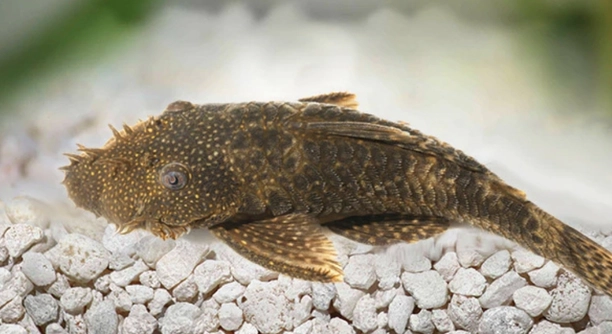
Do your plecos often stay hidden, making you wonder if they’re truly happy in their tank or just settling in their own quiet way?
When plecos are content, they display relaxed and natural behaviors such as steady grazing on surfaces, calmly resting on driftwood, exploring their surroundings, and maintaining healthy coloration. These actions indicate comfort, stability, and overall well-being in their aquatic environment.
Observing these behaviors helps ensure your plecos are thriving and not merely surviving in their carefully maintained home.
They Graze Calmly and Consistently
A happy pleco spends much of its time grazing on algae and biofilm across surfaces in the tank. This natural activity keeps them occupied and healthy. When plecos are content, you’ll often notice them gently gliding over rocks, glass, and driftwood as they feed. Their steady grazing helps maintain tank cleanliness while also reflecting their comfort in the environment. They don’t dart away or hide excessively, which are signs of stress. Instead, their calm, repetitive movements show they feel secure and at ease. A balanced diet and stable water parameters also contribute to this peaceful behavior, allowing them to remain active and engaged without signs of distress.
When plecos graze regularly, it’s a reassuring sign of health and satisfaction. Their consistent feeding pattern not only benefits the aquarium but also indicates that their surroundings are meeting their needs effectively.
A stable habitat supports this behavior. Adequate hiding spots, a proper light cycle, and a reliable food source encourage relaxed feeding habits. When your pleco moves about calmly, grazing without hesitation, it shows a natural balance between comfort and curiosity. Over time, this steady rhythm becomes a sign of a well-adjusted and genuinely content pleco.
They Rest Comfortably on Surfaces
Plecos often rest on smooth surfaces when they feel safe and content. You might see them lounging on driftwood, tank walls, or even the substrate. This stillness isn’t laziness—it’s relaxation and trust in their surroundings.
When plecos rest comfortably, it shows that the environment supports their natural instincts. They prefer dim lighting and gentle water flow, which mimic their native habitats. Comfortable resting spots allow them to conserve energy and feel secure, especially after periods of grazing. A pleco that feels safe won’t constantly hide or panic at movement outside the tank. Instead, they remain in view, displaying a peaceful stillness that tells you they are at ease. Observing this behavior helps you recognize stability in their environment, confirming that your care routine, from filtration to feeding, maintains the comfort they need to thrive and remain calm in their aquatic space.
They Explore Their Surroundings Frequently
When plecos are content, they become more curious about their environment. You’ll notice them slowly moving around the tank, exploring decorations, plants, and new spaces without showing signs of fear or hiding too often.
Active exploration signals comfort and security. A pleco that feels safe will navigate its territory with confidence, brushing against plants and rocks as it investigates. Their exploration often happens during quieter hours, especially in the evening, when tank activity is low. Providing a stable setup with driftwood, caves, and balanced lighting encourages this natural curiosity. When they feel secure, they show genuine interest in their surroundings instead of hiding or staying in one spot for long periods.
Consistent exploration also helps plecos maintain physical health and mental stimulation. It’s a positive behavior that develops from trust in their environment and routine. Observing this calm curiosity lets you know your pleco feels truly at home in its tank.
They Maintain Bright, Healthy Coloration
A content pleco often displays vibrant, consistent coloring that matches its natural pattern. When they’re stressed or uncomfortable, their colors can fade or appear blotchy. Healthy pigmentation is a simple yet strong sign that they are thriving in their habitat.
Bright coloration reflects stable water conditions, proper diet, and minimal stress. Plecos that are fed a varied diet rich in algae, vegetables, and quality sinking wafers tend to maintain their natural hues more effectively. When combined with suitable lighting and clean water, their patterns remain bold and even. Regular observation of their coloring helps identify subtle changes that may indicate stress or illness early. A pleco that retains strong coloration shows its comfort and trust in its environment, confirming that its needs are being met consistently and effectively.
They Interact Peacefully with Tank Mates
A content pleco coexists calmly with other fish, showing no signs of aggression or territorial behavior. They usually keep to themselves, gliding around without disturbing others, which indicates balance and comfort within their shared environment.
When plecos feel secure, they tolerate the presence of other species and maintain peaceful interactions. Aggressive behavior or constant hiding often signals discomfort, while relaxed swimming and steady feeding show harmony. A calm pleco in a community tank reflects proper tank size, sufficient hiding spots, and a stress-free setup.
They Exhibit a Steady Feeding Routine
Plecos thrive on consistency, and their contentment often shows through a regular feeding pattern. They feed actively during their usual times, often after lights dim, grazing naturally without hesitation. This rhythm shows their trust and adjustment to their surroundings.
They Stay Visible During Quiet Hours
Plecos that feel comfortable often emerge during calm periods instead of hiding all day. Their willingness to stay visible, even in dim light, reflects confidence and stability within their environment, showing that they feel secure and well cared for.
FAQ
How can I tell if my pleco is truly happy in its tank?
A happy pleco will show calm, consistent behaviors such as steady grazing, exploring the tank, and resting comfortably on surfaces. Their coloration will remain rich and stable, and they won’t hide excessively. When plecos feel safe, they also interact peacefully with tank mates and keep a predictable feeding schedule. These signs, combined with healthy movement and curiosity, confirm they’re comfortable in their habitat. Watching how they behave daily helps you understand what’s normal and recognize early signs of stress or discomfort before they become more serious.
What kind of environment helps plecos feel more comfortable?
Plecos thrive in stable, clean environments that closely resemble their natural habitats. This means providing driftwood, caves, and smooth rocks where they can rest and hide. Dim lighting and gentle water flow help them feel secure, as harsh lighting and strong currents can cause stress. Consistent water quality, with proper filtration and regular maintenance, is also crucial. Plecos prefer slightly warm water with a stable pH level, as fluctuations can affect their mood and behavior. Creating a predictable and quiet environment helps them stay calm and content throughout the day.
Why does my pleco hide all the time?
Constant hiding is usually a sign of stress, poor water conditions, or a lack of proper hiding spots. Plecos are naturally shy, especially during the day, but they shouldn’t remain hidden all the time. Bright lighting or aggressive tank mates can make them retreat too often. It’s important to ensure the tank provides enough shade and secure spaces where they can rest without feeling threatened. Once they feel safe and their environment becomes stable, they typically begin to explore more and show themselves during quiet hours.
Do plecos become more active at night?
Yes, plecos are mostly nocturnal, meaning they prefer to feed and explore during the evening or night. When the lights dim, they become more active, grazing on algae or scavenging for leftover food. This natural rhythm helps them feel comfortable and reduces competition with daytime fish. To support this behavior, you can adjust feeding times slightly toward the evening. Observing their nighttime activity also gives insight into their overall health, as sudden inactivity could indicate poor conditions or illness.
What should I feed my pleco to keep it content and healthy?
A balanced diet keeps plecos both healthy and happy. They should receive a mix of algae wafers, fresh vegetables like zucchini or cucumber, and occasional protein-based treats such as sinking pellets. While they do eat algae from the tank, this alone isn’t enough to meet their nutritional needs. Variety prevents deficiencies and keeps them active and interested in feeding. Always remove uneaten vegetables after a few hours to maintain water quality. Regular feeding at consistent times also reinforces security and routine, both essential for their overall well-being.
Why is my pleco’s color fading?
Fading coloration can be caused by stress, poor diet, or unstable water conditions. A pleco under stress may lose some of its natural vibrancy or develop uneven coloring. Improving water quality, providing a balanced diet, and minimizing sudden environmental changes usually restore their natural hues. If fading continues despite these corrections, it may indicate illness or long-term stress. Observing other behaviors like appetite, breathing, and activity level can help identify the root cause early.
Do plecos recognize their owners?
While plecos don’t form emotional bonds like dogs or cats, they do recognize patterns. They may associate your presence with feeding time and come out more often when you’re nearby. Over time, they grow accustomed to movement around the tank and show less fear. This behavior reflects trust and familiarity rather than affection. A calm, predictable routine helps strengthen that comfort, making them more visible and relaxed even when you approach the tank.
How often should I clean the tank to keep my pleco happy?
Regular maintenance is key to keeping plecos content. Partial water changes of about 25–30% each week help control waste buildup and maintain stable conditions. Cleaning algae from the glass, trimming plants, and checking filter performance ensures water remains healthy. Avoid drastic cleanings that disturb beneficial bacteria, as sudden shifts can stress plecos. A consistent routine supports their comfort and prevents the environment from becoming polluted. When conditions stay steady, plecos thrive, showing their natural behaviors and vibrant coloration without signs of stress.
Final Thoughts
Keeping plecos content begins with understanding their quiet yet expressive nature. These fish may not show emotion the way other pets do, but their behaviors speak clearly when you know what to look for. A pleco that grazes calmly, rests peacefully, and moves with confidence is a sign of stability and comfort. Their well-being is closely tied to their environment, which must remain consistent and supportive. Balanced water conditions, a proper diet, and a stress-free setup all work together to maintain their contentment. When their needs are met, they reward you with graceful movements, healthy coloration, and a calm presence that adds balance to any aquarium.
Observing your pleco’s behavior regularly is the best way to ensure they remain happy and healthy. Each movement tells a small part of their story, from gentle feeding patterns to relaxed resting habits. Over time, you begin to notice patterns that reflect trust and adaptation. A content pleco doesn’t need to constantly hide or act erratically. Instead, they explore with curiosity, showing quiet confidence in their surroundings. By creating an environment that mirrors their natural habitat—complete with driftwood, caves, and gentle lighting—you help them feel secure enough to behave naturally. The effort spent maintaining these details builds a strong foundation for their long-term health.
Plecos thrive when their environment remains predictable and balanced. Regular maintenance, stable water parameters, and thoughtful feeding practices make all the difference in their quality of life. Their calm behavior is a reflection of the care you provide and the stability you maintain. It’s not about constant attention but rather about creating a safe, steady habitat that lets them flourish on their own terms. Watching a content pleco go about its routine brings a quiet satisfaction, reminding you how even the simplest creatures respond to patience and consistency. Understanding their signals and supporting their needs allows your pleco to live a long, peaceful life—turning your aquarium into a stable, thriving space filled with subtle beauty and balance.

Hello,
If you enjoy the content that we create, please consider saying a "Thank You!" by leaving a tip.
Every little bit helps us continue crafting quality advice that supports the health, happiness, and well-being of pets around the world, for pets of all shapes, sizes, and species.
We really appreciate the kindness and support that you show us!