
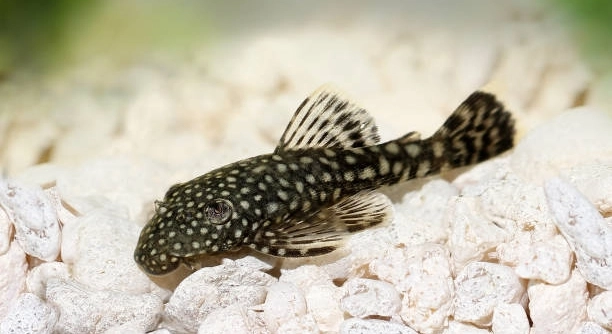
Do you ever notice your pleco swimming upside down and wonder if it is a sign of a problem in your aquarium? Many fish owners encounter this behavior and feel unsure about its cause. Observing your pleco carefully can help.
The primary cause of a pleco swimming upside down is often a swim bladder disorder. This condition affects the fish’s buoyancy, causing it to float improperly or invert in the water. Other contributing factors may include water quality, diet, or stress.
Recognizing this behavior early is important for your pleco’s health. Understanding the reasons behind it can guide proper care and prevention strategies.
Understanding Swim Bladder Disorders
Swim bladder disorders are common in plecos and directly affect their buoyancy. The swim bladder is an internal organ that helps fish maintain balance and orientation in water. When it is not functioning properly, the fish may float upside down, struggle to stay upright, or hover abnormally. Causes can include overfeeding, constipation, sudden changes in water temperature, or bacterial infections. Diet plays a significant role, as plecos often eat algae wafers, vegetables, and occasional protein sources. Feeding too much dry food can lead to swelling in the gut, which presses against the swim bladder. Poor water quality also stresses plecos, making them more susceptible to disorders. Observing your fish’s movement patterns and eating habits helps identify issues early. Treating swim bladder problems often requires a combination of fasting, dietary adjustments, and, in some cases, medication. Consistent tank maintenance is crucial to support recovery.
Identifying a swim bladder problem early increases the chances of correcting it without lasting harm to your pleco.
Monitoring water parameters, regulating feeding schedules, and providing a balanced diet will prevent recurrence. Attention to these details ensures stable buoyancy and improves overall health, keeping your pleco comfortable in its habitat.
The Role of Tank Conditions
Proper tank conditions are essential for plecos’ health and stability. Maintaining clean water with stable temperature and pH is key to preventing stress.
Water temperature fluctuations can strain a pleco’s internal organs, including the swim bladder. High ammonia or nitrite levels irritate gills and weaken the immune system, leaving fish vulnerable to infections. A tank that is too small or overcrowded increases stress and limits swimming space, making balance issues more apparent. Regular water changes, appropriate filtration, and monitoring chemical levels reduce these risks. Providing hiding spots and smooth surfaces mimics a natural environment, encouraging normal swimming behavior. Even minor adjustments, such as gradually introducing new tankmates or avoiding sudden décor changes, help maintain calm conditions. By keeping the tank stable and clean, you minimize factors that could contribute to upside-down swimming and other behavioral problems. Ultimately, careful attention to the tank environment supports overall health and reduces the likelihood of recurring swim bladder issues.
Dietary Factors Affecting Buoyancy
Overfeeding is a common reason plecos develop swim bladder problems. Too much dry food or protein can cause constipation, swelling the gut and pressing against the swim bladder.
A balanced diet is essential to maintain proper buoyancy. Plecos thrive on vegetables like zucchini, cucumber, and spinach, supplemented with algae wafers. Protein should be limited and offered in small amounts to prevent digestive issues. Soaking dry foods before feeding can reduce the risk of bloating. Observing how your pleco eats and adjusting portion sizes can prevent long-term problems. Occasional fasting for a day or two can also help clear the digestive tract, keeping the swim bladder functioning correctly.
Dietary consistency supports overall health and buoyancy. Avoid sudden changes in food type, and ensure fiber-rich vegetables are included. Monitoring intake and gut health will prevent upside-down swimming.
Stress and Environmental Changes
Stress can directly impact a pleco’s swim bladder, affecting its ability to maintain normal orientation. Sudden changes in water temperature, tankmates, or décor often trigger this stress response.
Environmental stability is crucial for healthy swimming. Frequent water changes should be gradual, maintaining temperature and pH levels. Overcrowding or aggressive tankmates can cause stress, leading to hiding, erratic swimming, or upside-down behavior. Providing sufficient hiding spots, smooth surfaces, and calm tank conditions allows the pleco to swim naturally. Observing behavior after changes in the tank helps identify stress sources. Even minor adjustments in lighting or feeding schedules can reduce tension. Ensuring a predictable, comfortable environment is one of the most effective ways to support swim bladder function and maintain overall fish health.
Common Illnesses
Bacterial and parasitic infections can affect a pleco’s swim bladder. Poor water quality or stress often makes these infections more likely.
Signs include lethargy, loss of appetite, and irregular swimming patterns. Early detection and treatment are critical to prevent long-term damage.
Treatment Options
Treatment depends on the cause. Fasting the pleco for one to two days can relieve constipation-related swim bladder issues. Soaking dry food and feeding high-fiber vegetables like peas or zucchini helps digestion. In cases of bacterial infection, medications prescribed for aquarium use may be necessary. Correcting water parameters, reducing stress, and maintaining cleanliness all support recovery. Observation during treatment ensures the fish is responding well and prevents further complications. Persistent or worsening symptoms may require veterinary consultation to avoid permanent buoyancy problems. Consistency in diet, environment, and care is essential for effective treatment.
Observation and Monitoring
Regular observation of swimming patterns and behavior helps detect problems early and maintain long-term health.
FAQ
Why is my pleco swimming upside down suddenly?
Sudden upside-down swimming is often linked to swim bladder issues. Overfeeding, constipation, stress, or abrupt changes in water temperature can trigger this behavior. Infections or poor water conditions may also contribute. Observing your pleco closely will help identify the underlying cause.
Can diet really affect swim bladder health?
Yes, diet is a major factor. Plecos eating too much dry food or protein can develop constipation, which presses against the swim bladder. Including fiber-rich vegetables such as peas, zucchini, or cucumber helps digestion and prevents buoyancy problems. Soaking dry food before feeding is also beneficial.
Is water quality important for preventing upside-down swimming?
Absolutely. High ammonia, nitrite, or nitrate levels, fluctuating temperatures, and low oxygen can stress plecos and affect their internal organs. Regular water changes, monitoring parameters, and using appropriate filtration maintain a stable environment and support swim bladder function.
Can stress alone cause this behavior?
Stress can have a direct impact on a pleco’s swimming ability. Overcrowding, aggressive tankmates, frequent tank rearrangements, or sudden environmental changes often trigger abnormal swimming. Providing hiding spots, smooth surfaces, and consistent conditions minimizes stress and encourages normal movement.
Should I medicate my pleco if it swims upside down?
Medication is only necessary if a bacterial or parasitic infection is diagnosed. Fasting, dietary adjustments, and improved tank conditions often resolve swim bladder issues caused by constipation or minor stress. Overmedicating without clear symptoms may harm the fish.
How long does it take for a pleco to recover?
Recovery depends on the cause. Constipation-related swim bladder issues can improve in a few days with fasting and dietary changes. Bacterial infections or chronic conditions may require longer treatment, sometimes several weeks. Consistent care and monitoring speed recovery.
Can multiple plecos in the same tank affect buoyancy?
Yes, overcrowding can increase stress and competition for food, which may indirectly affect swim bladder function. Ensuring enough space and monitoring feeding patterns prevents stress-related swimming problems. Proper tank size and stable conditions reduce these risks.
Is upside-down swimming permanent?
Not always. Many plecos recover fully when underlying issues like diet, water quality, or stress are addressed. Chronic swim bladder damage or untreated infections can lead to permanent buoyancy problems, making early intervention essential.
What foods should I avoid to prevent this problem?
Avoid feeding large amounts of dry, protein-heavy foods that expand in the gut. Low-fiber, starchy foods increase constipation risk. Stick to vegetables, algae wafers, and occasional protein treats in controlled portions to maintain gut and swim bladder health.
Can temperature changes really affect swimming?
Yes, plecos are sensitive to abrupt temperature shifts. Cold or hot water can strain internal organs and affect buoyancy. Gradual temperature changes during water changes or tank adjustments help the fish adapt and prevent upside-down swimming.
How do I know if it’s serious?
If upside-down swimming persists beyond a day or two, or if you notice lethargy, loss of appetite, bloating, or abnormal gill movement, it indicates a more serious issue. Early action, including dietary adjustments, water checks, and possibly medication, is important.
Can fasting help a pleco?
Fasting for one to two days often relieves constipation-related swim bladder issues. This gives the digestive system time to clear and reduces pressure on the swim bladder. After fasting, reintroduce fiber-rich vegetables gradually.
Should I isolate my pleco if it swims upside down?
Isolation is not always necessary but can reduce stress if other tankmates are aggressive or competitive. Providing a quiet, stable environment supports recovery and allows careful observation without interference.
How often should I check the tank to prevent this?
Daily observation of swimming behavior, feeding, and water conditions is ideal. Checking water parameters at least weekly ensures a stable environment. Prompt attention to changes prevents minor issues from becoming serious problems.
Can changes in tank décor affect swimming?
Yes, sudden changes in décor or layout can stress a pleco, causing abnormal swimming. Gradually introducing new items and maintaining familiar hiding spots helps the fish stay comfortable and maintain normal buoyancy.
Is it normal for juvenile plecos to swim upside down?
Occasionally, young plecos may exhibit unusual swimming behavior as they grow, but persistent upside-down swimming is not normal. Monitoring diet, water quality, and stress is necessary to prevent long-term problems.
Do supplements help with swim bladder issues?
Supplements are rarely required. High-quality, balanced food with adequate fiber is usually enough. Some aquarists use vitamin-enriched foods or probiotics to support digestive health, but consistent care and tank maintenance remain most effective.
Can frequent water changes cause this problem?
Frequent but abrupt water changes can stress plecos. Always ensure temperature and pH stability during changes. Gradual adjustments protect internal organs and reduce the risk of upside-down swimming.
What is the best long-term strategy to prevent it?
Maintaining a balanced diet, stable tank conditions, clean water, and low-stress environments is key. Observing behavior, spacing tankmates properly, and avoiding overfeeding minimizes the risk of recurring swim bladder issues. Consistency in care is essential for healthy buoyancy.
Are some pleco species more prone to this?
Certain species with larger bodies or delicate swim bladders may be more sensitive. However, all plecos can develop buoyancy problems if diet, environment, or stress is poorly managed. Proper care reduces risk across species.
How do I safely adjust feeding routines?
Feed small, measured portions once or twice daily. Incorporate vegetables for fiber and soak dry foods to prevent bloating. Occasional fasting can help regulate digestion. Monitor intake closely and adjust based on behavior and appetite.
Can tankmates help or worsen the issue?
Calm, compatible tankmates reduce stress, while aggressive or competitive fish increase it. Providing sufficient space and hiding spots ensures peace and supports healthy swimming patterns.
What signs indicate recovery?
A pleco swimming upright, eating normally, and showing regular activity indicates improvement. Gradual return to normal buoyancy over a few days to weeks signals successful treatment and a healthy swim bladder.
Should I consult a vet for upside-down swimming?
Consulting a vet is recommended if symptoms persist, worsen, or if infections are suspected. Professional advice ensures proper diagnosis, treatment, and prevents permanent damage to the swim bladder.
Can supplements or medications harm my pleco?
Improper use of medications or supplements can stress the fish or damage organs. Only use products specifically designed for aquarium fish and follow dosing instructions carefully. Observation during treatment is essential to avoid complications.
How does tank size impact swim bladder health?
Small or overcrowded tanks limit swimming space and increase stress, indirectly affecting buoyancy. Adequate tank size and proper stocking levels support normal movement and overall health, reducing upside-down swimming risks.
Is it normal for older plecos to swim upside down?
Older plecos may develop swim bladder issues due to age-related weakness or past stressors. Persistent upside-down swimming in older fish requires careful monitoring, dietary adjustments, and a stable environment to maintain health.
How do I prevent constipation in plecos?
Feed fiber-rich vegetables, soak dry foods, and avoid overfeeding. Occasional fasting clears the digestive tract. Consistent portion control and diet monitoring prevent pressure on the swim bladder and maintain buoyancy.
Can water chemistry cause this behavior?
Imbalanced pH, high ammonia, nitrites, or sudden chemical shifts stress plecos. Maintaining stable water parameters is essential. Regular testing and proper filtration help prevent stress-related buoyancy problems.
Is it safe to mix species in the same tank?
Mixing species can be safe if compatible, but aggressive or competitive fish increase stress. Provide enough space, hiding spots, and monitor interactions to maintain calm conditions and support healthy swimming.
Do lighting changes affect swim bladder health?
Sudden changes in lighting can stress plecos, affecting behavior and buoyancy. Gradual adjustments and consistent lighting schedules help maintain comfort and reduce upside-down swimming.
How often should I monitor behavior?
Daily observation is ideal for early detection. Watch swimming patterns, feeding habits, and interaction with tankmates. Prompt attention prevents minor issues from escalating into chronic swim bladder problems.
Are there long-term risks if not treated?
Untreated swim bladder issues can lead to permanent buoyancy problems, reduced mobility, and secondary infections. Early intervention through diet, environment, and medical care prevents lasting damage and ensures a healthier life.
Can I combine treatment methods?
Yes, combining dietary adjustments, fasting, water maintenance, and, if necessary, medication addresses multiple causes simultaneously. Consistent monitoring ensures treatments are effective and safe for recovery.
What is the most important factor in recovery?
Consistency in diet, water quality, tank conditions, and stress reduction is essential. Attentive care and observation prevent recurrence and support long-term health, ensuring your pleco maintains proper buoyancy and overall well-being.
Final Thoughts
Watching a pleco swim upside down can be worrying, but it is often a sign of an issue that can be addressed with careful observation and proper care. Many cases are linked to swim bladder problems, which affect buoyancy and make normal swimming difficult. Common causes include overfeeding, constipation, stress, water quality issues, and occasional infections. Understanding these factors is key to helping your pleco regain proper swimming behavior. Paying attention to feeding habits and the type of food offered plays a significant role. Plecos require a diet rich in vegetables and fiber to maintain digestion, with dry foods and protein given in moderation. Overfeeding or offering foods that expand in the gut can press against the swim bladder and lead to upside-down swimming. Soaking dry foods before feeding helps prevent bloating and reduces strain on the digestive system.
Water quality and tank conditions are equally important for maintaining a pleco’s health. Fluctuating temperatures, high ammonia or nitrite levels, and low oxygen content can stress fish and worsen swim bladder problems. Regular water testing, appropriate filtration, and consistent water changes keep the environment stable. Stress from overcrowding, aggressive tankmates, or sudden tank rearrangements can also trigger abnormal swimming. Providing hiding spots, smooth surfaces, and enough space encourages calm behavior. Gradual adjustments to lighting, temperature, or tank layout reduce stress, allowing your pleco to maintain proper buoyancy. Observing your fish closely and noting any changes in behavior or appetite ensures issues are caught early and addressed before they worsen.
Recovery often depends on the cause and the care provided. Constipation-related swim bladder issues can improve within a few days with fasting and dietary adjustments. Bacterial or parasitic infections may require medication and more intensive care. Consistency in feeding, monitoring water quality, and maintaining a stress-free environment all support healing. Isolation is sometimes helpful but not always necessary if tankmates are calm. Daily observation is essential to track improvements and ensure that treatment is effective. While some chronic or untreated conditions can cause lasting buoyancy problems, most plecos recover fully when proper care is applied. Understanding diet, tank conditions, and stress management provides a solid foundation for preventing future issues. Attention to these factors ensures that your pleco can swim comfortably and maintain overall health for years to come.

Hello,
If you enjoy the content that we create, please consider saying a "Thank You!" by leaving a tip.
Every little bit helps us continue crafting quality advice that supports the health, happiness, and well-being of pets around the world, for pets of all shapes, sizes, and species.
We really appreciate the kindness and support that you show us!