
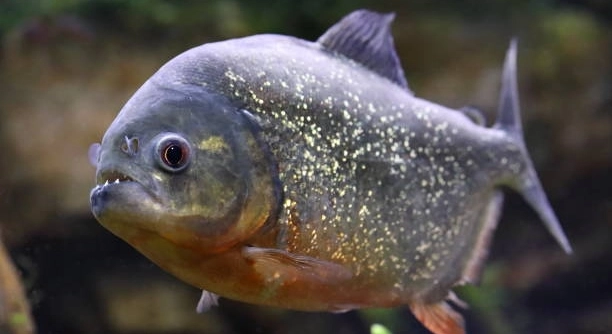
Piranhas are known for their sharp teeth and quick movements in water. When the lights go off, their behavior changes in interesting ways. These changes help them survive in their natural environment.
When darkness falls, piranhas become more active and rely heavily on their senses other than sight. They tend to group closely for protection, increase their hunting efforts, and use lateral line systems to detect vibrations in the water, enhancing their ability to find food.
Learning about these behaviors reveals how piranhas adapt to sudden changes in their surroundings. Their nighttime actions are key to their survival and hunting success.
Increased Activity When Lights Go Off
Piranhas become noticeably more active as soon as the lights go out. In the dark, they rely less on sight and more on other senses to navigate and hunt. Their eyes adjust slowly, but their lateral lines become essential, detecting movement and vibrations in the water. This heightened sensitivity helps them locate prey quickly, even in near-total darkness. Grouping closely is common during this time, as it provides safety and allows them to hunt more effectively together. Increased movement also means they are more alert to changes around them. This is especially important for survival, as darkness brings potential threats and opportunities alike. Their behavior at night shows how well adapted they are to low-visibility environments, balancing caution with the need to find food. It’s fascinating to see how such small fish use instinct and natural abilities to thrive once the lights go off.
Nighttime activity helps piranhas stay alert and catch prey when visibility is limited.
Understanding this behavior shows how piranhas balance safety and hunting in darkness.
Using the Lateral Line System
The lateral line system in piranhas is a crucial sensory tool, especially when light disappears. This system is a series of tiny, fluid-filled canals running along the sides of their bodies. It detects vibrations and pressure changes in the water, allowing piranhas to “feel” movement around them. When the lights go off, they depend heavily on this system to track nearby creatures. It acts like an invisible radar, alerting them to the presence of prey or threats even if they can’t see clearly. This adaptation is vital because piranhas often hunt in murky or dark waters. The lateral line system helps them coordinate with other piranhas in a group and respond quickly to any disturbance. It is impressive how this sensory ability compensates for low light and supports their survival instincts. Piranhas’ reliance on this system highlights the importance of non-visual senses in aquatic life.
Grouping for Safety
Piranhas often group tightly when the lights go off. This behavior reduces the risk of being singled out by predators.
Grouping creates a protective barrier, making it harder for larger predators to attack any one fish. It also helps piranhas communicate through movements and vibrations in the water. When together, they can coordinate hunting and react faster to threats. This social behavior increases their chances of survival in dark environments. Staying close allows them to share warmth and remain aware of their surroundings despite limited visibility.
In groups, piranhas can also intimidate potential threats by appearing larger and more aggressive. This collective defense is key when navigating the uncertainty that comes with darkness underwater. The sense of safety in numbers encourages them to be more active and bold during nighttime.
Hunting Behavior at Night
Piranhas increase their hunting activity once the lights go off. They use their heightened senses to locate prey more effectively.
At night, piranhas rely less on vision and more on detecting vibrations and chemical signals in the water. Their sharp teeth and quick reflexes help them capture prey before it escapes. Hunting in groups can also increase their success rate, as they can surround and trap smaller fish together. This teamwork makes it easier to catch food when visibility is low. Piranhas often target weaker or injured fish, making the most of their nighttime advantage.
This active hunting behavior after dark shows how piranhas adapt their strategies based on environmental changes. Their ability to adjust helps them survive and thrive even when light is scarce.
Reduced Visibility Changes Behavior
Piranhas adjust their movements when visibility drops at night. They become more cautious and rely on other senses.
This shift helps them avoid danger and find food despite the darkness. Their natural instincts guide these changes smoothly.
Use of Sound and Vibration
Piranhas communicate using sounds and vibrations, especially when lights go off. These signals help maintain group coordination and warn of threats. By detecting subtle water movements, they can stay aware of their surroundings and respond quickly. This ability is crucial when visual cues are limited, making sound and vibration key tools for survival and social interaction.
Rest Periods in Darkness
Piranhas take short rests even at night. These pauses help them conserve energy for hunting and staying alert when needed.
What do piranhas do when the lights go off?
When darkness sets in, piranhas become more active. They rely on senses other than sight, like their lateral line system, to detect movements and vibrations in the water. Grouping closely provides safety and helps them hunt more efficiently. Their behavior shifts to balance caution with the need to find food in low visibility.
How do piranhas use their lateral line system in the dark?
The lateral line system is essential for piranhas at night. It senses vibrations and pressure changes in water, allowing them to “feel” nearby movement. This helps them locate prey and detect predators when they can’t rely on their eyesight. The system also supports group coordination during nighttime activity.
Why do piranhas group together when the lights go off?
Grouping reduces the risk of attack from predators by making it harder to isolate any single fish. It also improves communication through water vibrations and movement, helping them stay alert and coordinate hunting. Being in a group at night provides both protection and better chances to catch prey.
Do piranhas hunt more aggressively in the dark?
Yes, piranhas increase hunting activity after dark. With reduced visibility, they rely more on detecting vibrations and chemical signals. Hunting in groups helps surround and trap prey, improving their success rate. They often target weaker or injured fish, taking advantage of the nighttime conditions.
How do piranhas communicate in the dark?
Piranhas use sounds and vibrations to communicate, especially when vision is limited. These signals help maintain group cohesion and alert others to threats. Their sensitivity to water movement makes sound and vibration important tools for survival and social interaction at night.
Do piranhas rest at night?
Although active, piranhas take short rest periods during darkness. These breaks help conserve energy needed for hunting and staying alert. Their rest times are brief and scattered to keep them responsive to changes in their environment.
Can piranhas see in the dark?
Piranhas have some night vision, but it’s limited. They mostly depend on other senses, like the lateral line system, to detect prey and threats. Their eyes adjust slowly to darkness, so they use other tools to navigate underwater at night.
Are piranhas more dangerous at night?
Piranhas can be more active and bold after dark, but they don’t usually attack without cause. Their nighttime behavior is driven by the need to find food and avoid predators. While more active, they remain cautious and tend to stay in groups for safety.
How do piranhas avoid predators when it’s dark?
Grouping tightly is their main defense against predators at night. They use the lateral line system to sense approaching threats and respond quickly. Their collective presence can intimidate predators, making it harder to single out individual fish. This strategy reduces their chances of being caught.
What triggers piranhas’ nighttime behavior?
The sudden loss of light triggers changes in piranha behavior. Darkness signals them to increase activity, rely on non-visual senses, and form groups. These responses are instinctive and help them adapt quickly to changes in their environment.
How do piranhas find food without light?
Piranhas detect prey through vibrations, water pressure changes, and chemical cues. Their sharp teeth and swift movements help capture prey before it escapes. Hunting in groups also improves their chances by surrounding and overwhelming smaller fish.
Is the nighttime behavior of piranhas the same in all environments?
Piranhas’ behavior varies slightly depending on water clarity, temperature, and predator presence. In murkier or slower-moving waters, they rely more on their lateral line system. In clearer waters, vision plays a bigger role. However, grouping and increased nighttime activity are common across habitats.
Do piranhas ever attack each other in the dark?
Piranhas can show aggression toward each other, especially when food is scarce. Grouping at night reduces this risk by encouraging cooperation in hunting and defense. However, competition still exists and may lead to brief fights, mainly over food or territory.
Can artificial lights affect piranhas’ nighttime behavior?
Artificial light can disrupt piranhas’ natural patterns. It may confuse their senses, reduce hunting efficiency, or make them more vulnerable to predators. In areas with artificial lighting, their activity might decrease or shift to times with less disturbance.
How do piranhas stay safe during sudden darkness in the wild?
Their natural instincts help them adapt quickly to sudden darkness. They group tightly, increase sensory awareness, and use sound and vibrations to communicate. These strategies ensure they remain alert, avoid predators, and continue to find food despite changes in light conditions.
Piranhas have many interesting behaviors when the lights go off. They do not just freeze or stop moving. Instead, they become more active and rely on senses other than sight. Their lateral line system helps them detect vibrations and movements in the water, allowing them to find food and stay safe. This ability shows how well piranhas are built to live in different conditions. When it is dark, they use their natural tools to adjust and continue their daily activities. It is clear that piranhas do not depend only on vision; they have other ways to understand their surroundings and respond to changes.
Another important behavior of piranhas in darkness is grouping together. This helps protect them from predators by making it harder for one fish to be targeted. Being in a group also helps them communicate through water vibrations and sounds. When they work together, piranhas can hunt more successfully and avoid danger. Grouping shows how social these fish can be, especially when they face challenges like low visibility. Their teamwork is a key part of their survival, helping them feel safer and more confident in the dark.
Finally, piranhas’ hunting behavior changes when the lights go off. They become more alert and use their sharp senses to track prey. Hunting in groups allows them to surround and catch fish more easily. Even though they are known for being fierce, piranhas balance caution with aggression at night. They take short rests to save energy but remain ready to react to threats or chances for food. Their nighttime habits reveal a smart and adaptable side, making them successful in many environments. Understanding these behaviors helps appreciate how piranhas live and survive in nature’s changing conditions.

Hello,
If you enjoy the content that we create, please consider saying a "Thank You!" by leaving a tip.
Every little bit helps us continue crafting quality advice that supports the health, happiness, and well-being of pets around the world, for pets of all shapes, sizes, and species.
We really appreciate the kindness and support that you show us!