
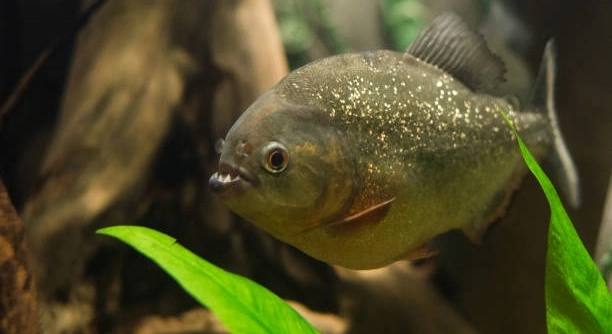
Piranha bonding is a complex social behavior that involves subtle interactions among these fish. Understanding these signals can help reveal the social dynamics within their groups. These small cues often go unnoticed but play a crucial role in their relationships.
Piranha bonding is marked by quiet signals such as body posture, fin movements, and subtle changes in coloration. These behaviors communicate dominance, submission, or readiness to cooperate within the group. Recognizing these signs helps clarify their social hierarchy and interactions.
Knowing these subtle signals can deepen your understanding of piranha behavior and improve observations of their social patterns in natural or captive environments.
Body Language and Posture
Piranhas use their body language to communicate clearly with each other. When a piranha stands tall with its fins spread wide, it is often showing dominance and confidence. This posture helps establish its place in the group without causing a fight. On the other hand, a piranha that lowers its body and keeps fins close is signaling submission or a desire to avoid conflict. These subtle movements happen quickly but carry a lot of meaning. Even small shifts in the way a piranha moves or holds its body can show interest, warning, or calmness. Watching these cues can reveal who is leading and who is following in the group. Body language is one of the easiest ways to spot how piranhas bond and interact socially.
These non-verbal signals help maintain peace and order in a piranha group. It’s how they keep their social balance.
Understanding body language is essential because it shows how piranhas avoid constant fighting. Instead of physical aggression, they use posture to send clear messages. This reduces stress and helps the group stay stable. When you observe a tank or natural setting, you might notice some piranhas acting bold while others stay low and quiet. These behaviors reflect their roles within the group. The confident ones often control resources like food or territory, while the submissive ones accept their place without challenge. This system helps the whole group survive better. Recognizing these signals gives insight into their social structure and how piranhas connect through peaceful communication rather than aggression.
Fin Movements
Fin movements play a key role in how piranhas communicate.
Piranhas flick, flare, or wave their fins to express feelings and intentions. These small motions can signal alertness or readiness to act. Watching fin behavior offers clues about their mood and group status.
Fin displays are more than just movement; they are a form of language. For example, when a piranha quickly flicks its fins, it may be warning others of danger or showing irritation. Slow, gentle fin waves often indicate calmness or friendliness within the group. Flaring fins can be used to appear larger and more threatening during disputes. These gestures happen frequently and help maintain clear communication without physical fights. By paying attention to fin movements, you can understand the subtle social signals that keep piranhas bonded and coordinated. Observing these details can also improve care if you keep piranhas in captivity, helping create a less stressful environment by recognizing when they feel safe or threatened.
Eye Contact and Glances
Eye contact between piranhas can signal different things depending on the situation. A steady gaze often means dominance, while quick glances can show caution or submission.
When one piranha locks eyes with another, it may be asserting control or testing boundaries. Prolonged eye contact can increase tension, sometimes leading to a fight if the other fish does not back down. On the other hand, quick, fleeting looks suggest respect or acknowledgment without confrontation. These glances help piranhas assess each other’s intentions and decide how to react. This form of non-verbal communication is subtle but very important for maintaining social order.
In calmer moments, piranhas may glance at each other to stay connected within the group. These soft looks show awareness and help keep group cohesion. Avoiding or breaking eye contact is also a signal that the fish wants to avoid conflict or simply isn’t interested in engaging. Recognizing these differences helps understand how piranhas manage their social bonds without constant aggression.
Color Changes
Color changes are a subtle but powerful way piranhas communicate.
Piranhas can slightly alter their coloration to express mood or status. When a fish becomes darker or more vibrant, it may be signaling readiness to fight or defend territory. Faded colors often show submission or calmness.
These shifts are not dramatic but noticeable to other piranhas. Color change acts as a visual signal that helps avoid unnecessary conflicts by clearly showing emotional states. In groups, dominant piranhas tend to have brighter, more intense colors, which helps keep their position recognized. Subordinate fish may look duller or paler, signaling their lower rank and reducing chances of being challenged. Watching these color signals adds another layer of understanding to how piranhas bond and maintain social structure naturally.
Breathing Patterns
Piranhas change their breathing rates to show stress or calmness. Faster breathing usually signals alertness or nervousness.
Slow, steady breathing indicates relaxation and comfort within the group. These shifts help fish understand each other’s emotional states without direct contact.
Gentle Nipping
Gentle nipping among piranhas is a common way to show affection or reinforce bonds. It is different from aggressive biting, which is more forceful and causes damage.
This light nibbling acts as a social touch, helping maintain group harmony. It can also serve as a reminder of social rank or a way to get another piranha’s attention without hostility.
Group Swimming Patterns
Piranhas often swim together in coordinated ways that show their social connections. Swimming close or matching movements signals cooperation and trust. Groups that swim in sync tend to have stronger bonds and better communication. These patterns help reduce conflicts and improve safety from predators.
What are the main signs that piranhas are bonding?
Piranhas bond through subtle signals like body posture, fin movements, eye contact, and slight color changes. They use these signs to communicate dominance, submission, or friendliness without fighting. Gentle nipping and synchronized swimming also play a role in strengthening their social connections. Paying attention to these behaviors helps understand their group dynamics better.
How can I tell the difference between aggressive biting and gentle nipping?
Aggressive biting is usually quick, forceful, and can cause injury or leave marks. Gentle nipping is softer and more controlled, often repeated and without causing harm. It acts as a way to maintain social bonds or get attention, rather than to attack. Watching the context and the fish’s reaction helps tell them apart.
Why do piranhas change color slightly when bonding?
Color changes help piranhas signal their mood or social status. Dominant fish show brighter, more intense colors, while submissive ones often appear paler or duller. These changes help avoid fights by clearly showing rank or emotional state within the group. The shifts are usually subtle but meaningful to other piranhas.
Is eye contact important in piranha bonding?
Yes, eye contact plays a big role in their communication. Steady eye contact often signals dominance or a challenge, while quick glances can show respect or submission. Avoiding eye contact means the fish wants to avoid conflict. These visual cues help maintain social order without frequent fighting.
What does it mean when piranhas swim closely together?
Swimming in close groups or matching movements shows trust and cooperation. It signals a strong social bond and helps the group stay coordinated, especially when feeding or avoiding threats. This behavior reduces conflicts and improves the safety of the group as a whole.
How do breathing patterns reflect piranha bonding?
Piranhas breathe faster when stressed or alert and slower when calm and comfortable. Changes in breathing rates are subtle signals to other fish about their emotional state. This helps the group sense if any member feels threatened or relaxed, aiding in peaceful coexistence.
Can understanding piranha bonding improve their care in captivity?
Absolutely. Recognizing these subtle signals can help create a better environment by reducing stress and aggression. Knowing when piranhas feel threatened or comfortable lets caretakers adjust tank conditions, group sizes, or feeding routines to support healthier social interactions.
Do all piranhas show these bonding signals the same way?
While many bonding signals are common, individual piranhas may vary in how they show them depending on species, age, and personality. Some may be more expressive with fins or colors, while others rely more on body posture. Watching a group over time helps identify these individual differences.
How often do piranhas use these subtle signals?
Piranhas use these signals continuously throughout the day to communicate with each other. From feeding times to resting periods, these cues help maintain balance and avoid unnecessary fights. The signals are a constant part of their social life and help keep the group stable.
Are there any signs that mean a piranha is not bonding well with others?
Signs of poor bonding include frequent aggressive bites, constant chasing, isolated swimming, and lack of coordinated movement. Rapid color changes to dark or pale without calm moments, and irregular breathing may also indicate stress or social problems. These behaviors show a breakdown in social harmony.
Piranhas are often seen as fierce and aggressive fish, but their social lives are more complex than many think. They rely on many small signals to communicate with each other and keep peace within their groups. These signals include body posture, fin movements, eye contact, color changes, and even breathing patterns. Each of these plays a role in how piranhas build bonds and manage their relationships. Understanding these subtle signs can give a clearer picture of their behavior beyond just the idea of them as dangerous predators. It shows that piranhas have ways to avoid fights and work together to survive.
Observing piranha bonding is helpful whether you are studying them in the wild or keeping them in an aquarium. Knowing what each signal means allows you to see how the group functions and if the fish are stressed or comfortable. For example, noticing a piranha lowering its body and avoiding eye contact shows it is trying to avoid conflict. Seeing fins flare or a quick flick can warn of a challenge or alertness. These small signs help keep the group balanced without constant fighting. For anyone caring for piranhas, paying attention to these behaviors can improve their environment and reduce stress among the fish.
Finally, these subtle signals highlight the importance of social behavior in animals that are often misunderstood. Piranhas use quiet and controlled ways to bond and communicate, showing more than just aggression. Their social signals help them share resources, protect each other, and maintain order. Recognizing and respecting these behaviors can change how we view piranhas, reminding us that even fierce creatures have complex ways of connecting with others around them. This deeper understanding can lead to better care and appreciation of these fascinating fish.

Hello,
If you enjoy the content that we create, please consider saying a "Thank You!" by leaving a tip.
Every little bit helps us continue crafting quality advice that supports the health, happiness, and well-being of pets around the world, for pets of all shapes, sizes, and species.
We really appreciate the kindness and support that you show us!