
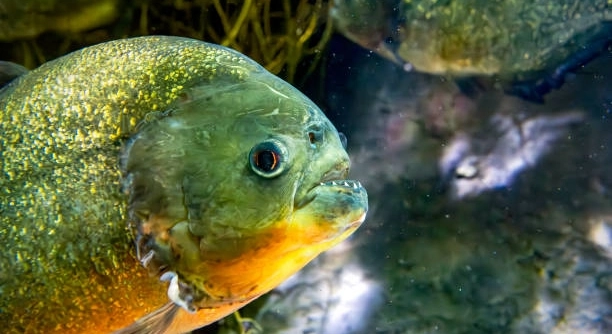
Do you ever find yourself wondering where your piranhas disappear to, even though you’ve searched every corner of their tank?
Piranhas can hide in unexpected places due to their instinct for survival and preference for secure environments. These hiding spots often include dense decorations, behind filters, under rocks, inside tubing, and even within substrate if conditions allow.
Exploring these unusual hiding places can help you better understand your piranha’s behavior and ensure their tank remains a safe and healthy space.
Behind the Filter System
Piranhas often hide behind the filter system because it offers a strong sense of cover. The steady hum and vibration can also be calming. Many filters create a shaded spot that mimics the low-light environments piranhas naturally prefer. Some models even have a small gap between the filter and the tank wall, which is just enough space for a medium-sized piranha to slip through. In multi-fish tanks, this area can serve as a personal retreat, helping reduce stress and territorial disputes. While it may seem like an odd place, it actually provides ideal conditions—low light, safety, and a reliable current. Owners sometimes overlook this area during checks, assuming it’s too narrow or noisy. But for a piranha, it’s a great hiding place. If you notice your fish missing, gently inspect around the filter without moving it abruptly, as sudden motions may spook or trap the fish.
Many piranhas prefer this spot during the day and become more active at night. It’s a normal behavior and usually nothing to worry about.
Cleaning around the filter regularly is important. Debris buildup can affect water quality and disturb hiding piranhas. Always unplug the equipment before doing any maintenance to avoid accidents or stress to the fish.
Inside Hollow Decorations
Small caves, skulls, or shipwreck replicas are more than decoration—they’re ideal hideouts for piranhas. These items provide dark, confined spaces that mimic natural shelters found in rivers. The solid walls give them a sense of safety.
Once your piranha finds a preferred item, it may return to that same spot regularly, especially when startled or during feeding time for other fish. Some owners notice their piranhas nesting inside these objects for hours. This is perfectly normal, and in fact, it’s a sign your fish feels safe in its environment. Just make sure the entrance is large enough to prevent scraping or trapping. Sharp edges should be sanded or avoided altogether. If you’re adding a new decoration, observe your piranha’s response for a few days. Some fish are curious right away, while others take time to accept new changes in their space. Keep an eye out during tank cleaning, too. Piranhas hiding in these items may not swim out easily, especially if they feel threatened. Use slow movements and never shake or bang on the object to force them out.
Under the Substrate
Some piranhas burrow slightly under soft substrate like sand or fine gravel. This behavior is often overlooked but offers them a calm, shaded space to rest or avoid stress. It’s more common in tanks with dim lighting and minimal disturbance.
If your tank has soft substrate, it’s worth checking carefully when your piranha seems to disappear. They might push the sand aside just enough to nestle in and stay hidden. This spot helps them feel secure without needing a large object. Unlike digging fish, piranhas don’t create tunnels or deep holes. They usually rest just below the surface layer. Avoid using sharp or coarse substrate, as it can damage their skin. During cleaning, use a siphon carefully to avoid disturbing any resting fish. You might notice small indentations—this can be a sign that your piranha is using the substrate as a hiding spot.
Keeping the substrate clean is important if your piranha uses it often. Uneaten food and waste can settle in these areas and affect water quality over time. Using a gravel vacuum can help, but go slowly to avoid scaring the fish. If your piranha hides under the sand often, consider giving them more cover elsewhere in the tank to balance their comfort and visibility.
Behind Heater Units
The space behind the heater is narrow but warm, which makes it a surprisingly common hiding spot. Piranhas sometimes squeeze behind this unit if it’s placed close to the tank wall.
This area isn’t always safe, though. If your heater doesn’t have a protective cover or if the fish stays there too long, it can lead to burns or temperature stress. Make sure your heater is positioned securely and has at least an inch of space between it and the tank wall. Some aquarium heaters come with guards designed to prevent fish from touching the heated surface directly. If your piranha frequently hides here, try adding more covered spaces or plants elsewhere to make them feel safe. You can also consider rearranging the heater so it’s more exposed and less appealing. Always unplug it during maintenance. A hiding fish behind a heater may be easily startled and could injure itself if it tries to flee quickly.
Inside PVC Tubing
Piranhas can slip inside open-ended PVC tubes, especially if the tubing is wide enough to allow easy entry. It gives them a dark, narrow shelter that feels private and safe. These tubes are often used for filters or air lines but can double as hiding spots.
It’s important to regularly check these tubes, especially during water changes or if your piranha seems missing. If the tube is connected to equipment, block it off or cap the ends to prevent accidents. Unused tubing can be removed or replaced with closed decor pieces that offer similar shelter without the risks.
Beneath Driftwood Pieces
Driftwood often creates shaded gaps and small spaces underneath that piranhas find appealing. These areas feel protected and natural, especially when combined with soft substrate or nearby plants. The wood can lower pH slightly, which some piranhas prefer, and encourages them to rest beneath it during quiet hours.
Inside Plant Clusters
Thick plant growth, real or artificial, provides a calm place for piranhas to hide. Dense leaves block light and movement, helping them feel invisible and secure.
FAQ
Can hiding be a sign that something is wrong with my piranha?
Yes, it can. While it’s normal for piranhas to hide occasionally, excessive hiding may signal stress, illness, or poor water conditions. If your fish suddenly starts hiding more than usual, check the water temperature, ammonia levels, and pH. Piranhas may also hide if they’re injured or feel threatened by tank mates or sudden noise. Observe their appetite and swimming behavior. If they’re not eating or moving normally, it may be time to consult a vet or check tank equipment. Stress from overstocking or aggressive fish can also lead to excessive hiding.
Is it normal for piranhas to hide during the day?
Yes, many piranhas are more active during dawn and dusk, which means they often rest or hide during daylight hours. This behavior is natural and common, especially in tanks with bright lighting. To make them more comfortable, consider dimmer lighting or adding floating plants to soften the brightness. If your piranha hides all day but becomes active at feeding times or at night, that’s usually not a concern. However, sudden changes in behavior, such as hiding after being active, should be checked more closely.
How can I make my tank more comfortable for a shy piranha?
Try adding more cover like driftwood, caves, or thick plants. Keeping the tank quiet and limiting traffic around it helps reduce stress. You can also adjust the lighting to a lower setting. Use soft substrate, and avoid sharp decorations that could hurt your fish. Make sure water quality stays stable and there are no aggressive tank mates. Providing a calm and consistent environment helps a shy piranha feel more secure. It’s also good to feed them on a schedule, so they know when to expect food and feel more confident leaving their hiding spot.
Do all piranhas use the same hiding spots?
Not always. Each piranha can have its own preferences. One might prefer staying behind the filter, while another hides under driftwood. Some rotate spots depending on the time of day or their mood. The type of tank setup, decorations, and lighting can all influence where your piranha chooses to rest. If you have multiple piranhas, you may notice them establishing their own “zones.” Providing a variety of hiding options helps reduce stress and encourages natural behavior. It’s good to let them choose what feels safest to them.
Should I remove decorations if my piranha hides too much?
No, removing decorations may make the fish feel even more exposed and stressed. Instead, look at other factors like tank size, water quality, or tank mates. Piranhas need hiding spots to feel safe, and taking those away can increase their stress. If you’re worried about how often they’re hiding, focus on whether they’re eating and swimming normally rather than just the hiding itself. Rearranging decor can sometimes help by encouraging exploration, but don’t take away all shelter. Comfortable fish are more likely to come out on their own over time.
What should I do if I can’t find my piranha?
Check behind the filter, inside decorations, under substrate, and near the heater. Use a flashlight if needed, and inspect all corners slowly. Avoid loud noises or sudden movements while searching. If the tank has open tubing or a small opening behind decor, check there too. Don’t remove everything all at once—move one item at a time. Also, check the floor around the tank if you suspect a jump. Piranhas can leap if startled and may land outside the tank. Cover any open spaces with a secure lid to prevent escapes in the future.
Can piranhas get stuck in their hiding spots?
Yes, especially if the space is too tight or has rough edges. PVC tubes, hollow decor, and gaps behind equipment can trap them if not checked carefully. A stuck fish may show signs of injury or become inactive. To avoid this, inspect new decorations before placing them in the tank. Ensure there are no sharp edges and that all openings are large enough for the fish to enter and exit safely. If a fish does get stuck, avoid pulling too hard—gently shift the object or use water flow to encourage movement.
Final Thoughts
Piranhas are often seen as bold and aggressive fish, but they also have a shy side. Hiding is a natural part of their behavior and can help them feel safe in their tank. Whether it’s behind a filter, under a piece of driftwood, or inside a plant cluster, these spots give piranhas a place to rest and feel secure. Understanding why and where they hide can help you care for them better. You don’t need to worry every time your piranha disappears for a few hours. Most of the time, it’s just a normal part of their daily routine.
Still, it’s good to watch for changes. If your piranha suddenly starts hiding more than usual, stops eating, or seems less active, it could be a sign that something is off. In those cases, checking the water quality, tank setup, and their behavior around other fish is a good idea. Even things like noise in the room or bright lights can affect how comfortable they feel. By keeping their environment calm and stable, you’ll give them more reasons to feel safe—and they may even become more visible and active over time. It’s about finding the right balance between giving them space and making sure they’re healthy.
Having the right tank setup makes a big difference. Soft lighting, a few good hiding places, and a clean, well-maintained tank help your piranha feel at ease. Every fish has its own habits, and some will always be more private than others. That’s okay. As long as they are eating well and not showing signs of stress or illness, occasional hiding is nothing to worry about. With patience and care, your piranha will continue to thrive in its space. Watching them in their quiet moments and learning their patterns can actually be one of the most rewarding parts of keeping them.

Hello,
If you enjoy the content that we create, please consider saying a "Thank You!" by leaving a tip.
Every little bit helps us continue crafting quality advice that supports the health, happiness, and well-being of pets around the world, for pets of all shapes, sizes, and species.
We really appreciate the kindness and support that you show us!