
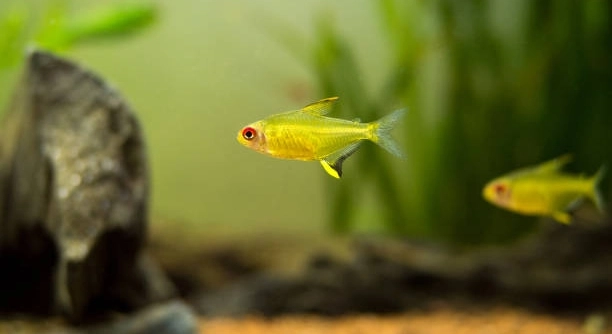
Lemon tetras are small, bright fish that bring life to any aquarium. Watching them swim can be calming, but their nighttime habits are equally interesting to observe. They have specific routines before they settle down to sleep.
Before sleeping, lemon tetras engage in predictable behaviors such as slowing their swimming, hovering near plants, reducing interactions with other fish, seeking sheltered areas, adjusting their positions in the tank, and conserving energy to maintain overall health and safety.
Observing these nightly habits can help you understand your fish better and ensure they have a comfortable environment to rest.
Slowing Their Swimming
Lemon tetras gradually reduce their activity as night approaches. During the day, they swim quickly and interact with other fish, but before sleeping, their movements become gentle and deliberate. This slowing allows them to conserve energy while staying alert to potential changes in their environment. You might notice them gliding near the middle of the tank or hovering in one spot for several minutes. Slowing their swimming is a natural behavior seen in many small fish species. It signals that they are preparing for rest while maintaining awareness of their surroundings. Some tetras will swim in small circles or drift near plant leaves, giving them a sense of safety. This behavior helps maintain their balance and body condition, reducing stress. Observing your lemon tetras at this stage can provide insights into their health and comfort. Fish that remain hyperactive late into the evening may be experiencing stress or discomfort.
This slow swimming helps tetras preserve energy and signals that they are preparing for nighttime rest.
Watching them drift calmly in the tank can be peaceful. Their subtle movements create a gentle rhythm, making the aquarium feel alive yet tranquil. You can see how they interact with plants and each other while winding down, and it becomes clear that these small adjustments are important for their health. Recognizing these behaviors allows you to create a more suitable environment and adjust lighting or tank conditions to support natural routines. Over time, you may notice patterns in how and where they slow down, which helps you provide a safer, more comfortable space for them to sleep.
Seeking Shelter
Before sleeping, lemon tetras often look for safe spots, such as behind plants or inside caves. This behavior reduces stress and helps them feel protected.
Providing hiding areas is essential. Dense plant coverage, small ornaments, or gentle decorations allow your tetras to feel secure. These spaces let them rest without exposure to bright lights or open water. Fish that lack hiding areas may float nervously or remain near the surface, indicating discomfort. Ensuring adequate shelter improves their nighttime routine and overall health.
A well-structured aquarium gives lemon tetras the freedom to choose where they rest. Some prefer corners, others stay mid-tank near floating plants. These safe zones reduce predatory instincts even in a peaceful aquarium, allowing fish to sleep more soundly. By observing which areas they favor, you can optimize plant placement or decorations to make their environment more comfortable. Over time, the presence of secure resting spots can reduce aggressive interactions, as each tetra has a personal area to retreat to. This behavior is instinctual and critical for stress reduction. A tank with multiple hiding places encourages natural behavior, making your lemon tetras feel at ease, promoting their overall wellbeing.
Reducing Interactions
Lemon tetras often limit contact with other fish before sleeping. They may drift apart or avoid chasing each other. This quiet behavior reduces stress and helps them focus on resting, signaling that nighttime routines are beginning.
By minimizing social interactions, lemon tetras conserve energy and prevent unnecessary conflicts. During the day, they may be playful or establish pecking order, but as evening approaches, they become more solitary. This behavior is a natural mechanism to ensure each fish can rest safely. Reducing interactions also lowers stress levels, supporting immune function and overall health. Fish that continue to chase or nip at others late in the day may be uncomfortable or not fully acclimated to their tank environment. Observing these patterns can help you adjust tank conditions, such as lighting and decoration placement, to provide a calmer, more suitable space. Over time, it becomes clear that this shift toward solitude is an essential part of their nightly routine, reflecting their instinctual need for rest and security.
Some tetras may hover quietly near the bottom or mid-tank during this time, avoiding their usual group activities. Watching them reduce interaction is a sign they are preparing to sleep.
Adjusting Position
Lemon tetras often change position before settling down, sometimes moving closer to plants or adjusting height in the tank. These small shifts help them feel secure and comfortable.
Position adjustments allow tetras to find spots with the right balance of light, current, and shelter. Some may float near the middle, while others prefer the lower or upper levels. These changes are subtle but important, ensuring they are protected and can rest without disturbance. Over time, they develop preferred sleeping positions, which may vary day to day depending on tank conditions. Positioning also affects water flow exposure, helping them avoid strong currents that could disturb rest. Observing these movements helps you understand their habits and make small adjustments to decorations or plants to suit their preferences, enhancing overall comfort and reducing stress.
These changes in position are also linked to energy conservation. By selecting the optimal area, lemon tetras maintain balance and readiness, minimizing unnecessary movement while resting. This behavior shows a natural instinct to protect themselves while still staying alert to their environment.
Conserving Energy
Lemon tetras slow down all activity as night falls. Their fins move gently, and they stay mostly in one place. Conserving energy helps them maintain health and ensures they are ready for daytime activity.
During this time, metabolism slows slightly. Less movement means fewer calories burned, allowing their bodies to focus on repair and overall maintenance.
Hovering Near Plants
Lemon tetras often hover close to plants or other forms of cover. Staying near foliage provides protection and a sense of security. Their small size makes them instinctively seek areas where they feel safe from potential threats.
Hovering also keeps them in calmer water zones, avoiding strong currents. This behavior reduces stress and helps them rest more effectively. Plants act as natural shields while also offering familiar surroundings, making the fish feel at ease. Observing where they hover can guide you in arranging your tank to support their nightly comfort and natural instincts.
Remaining Alert
Even while resting, lemon tetras keep an eye on their surroundings. This alertness is instinctive and helps them respond quickly if danger appears.
They may drift in place but maintain subtle awareness, showing their balance between rest and caution.
Why do lemon tetras slow down before sleeping?
Lemon tetras slow down as part of their natural circadian rhythm. This reduction in activity helps them conserve energy, maintain health, and prepare for rest. Slower movements also lower stress levels and prevent unnecessary fatigue. During the day, they are active swimmers, exploring the tank and interacting with other fish, but nighttime signals the need for a calmer pace. Observing this behavior helps you understand their well-being. Fish that remain hyperactive late in the evening may be stressed, experiencing poor tank conditions, or lacking sufficient hiding spaces.
Why do they hover near plants?
Hovering near plants provides safety and comfort. Lemon tetras instinctively seek shelter from potential threats, even in a peaceful aquarium. Floating near foliage or dense decorations gives them a sense of security and helps them feel protected. Plants also create calmer water zones with gentler currents, reducing the energy required to maintain balance. This positioning supports rest while keeping them alert to changes in their surroundings. Over time, you may notice certain spots become their preferred resting areas, indicating where they feel safest. Adjusting plant placement can help accommodate these habits.
Do they interact less before sleeping?
Yes, lemon tetras reduce social interactions as night falls. They drift apart, avoid chasing each other, and remain in calmer areas of the tank. This behavior lowers stress and ensures that each fish can rest without disruption. During daytime, interactions may include playful chasing or establishing hierarchy, but nighttime encourages solitude. Observing this reduction in contact provides insight into their comfort and tank environment. Fish that continue to chase or nip at others late in the evening may require changes to the tank, such as adding hiding spaces or adjusting lighting.
Why do they adjust their position in the tank?
Before resting, lemon tetras often move to areas with the ideal combination of light, water flow, and shelter. Position adjustments help them conserve energy while remaining alert to potential disturbances. Some prefer lower tank levels near plants, while others hover mid-water or near floating decorations. These shifts ensure they are in a secure, comfortable spot for sleep. Positioning also affects their exposure to currents and nearby fish, allowing them to rest without unnecessary effort. Over time, favorite resting positions become predictable, helping you optimize tank layout for their comfort and safety.
How do they conserve energy overnight?
Lemon tetras reduce activity and metabolic rate as part of energy conservation. Slower swimming, hovering, and minimal fin movement allow their bodies to focus on maintenance and repair. Conserving energy is essential for small fish, supporting immunity, growth, and overall vitality. During rest, subtle movements still keep them alert, but energy use is minimized. Ensuring a calm environment with appropriate lighting and hiding spaces supports this process. Fish that cannot conserve energy properly may show signs of fatigue, stress, or illness. Observing and accommodating their nighttime behavior ensures they remain healthy and active during the day.
Do lemon tetras stay alert while sleeping?
Even while resting, lemon tetras remain partly alert. Their eyes and fins may react to movements or water changes, allowing quick responses to potential threats. This instinctive vigilance balances rest with survival. They rarely fully shut down like mammals, maintaining partial awareness of their surroundings. The presence of plants, decorations, or low lighting can enhance their sense of security, enabling more relaxed rest. Fish in barren tanks without cover may struggle to stay calm, as they cannot reduce perceived risks. Providing adequate hiding spaces and calm water zones allows tetras to rest more comfortably while staying naturally alert.
Can their sleep habits indicate health issues?
Yes, changes in sleeping patterns can reflect health or environmental problems. Lemon tetras that remain hyperactive, float awkwardly, or avoid hiding spaces may be stressed, sick, or experiencing poor water quality. Observing their nightly routines can help identify issues early. Consistent behaviors like slowing down, hovering near plants, and adjusting position are signs of normal, healthy sleep. Significant deviations from these habits should prompt a check of tank conditions, including temperature, filtration, and water chemistry. Addressing environmental factors and ensuring adequate hiding spots supports their natural sleep cycles and overall well-being.
How can I improve their sleep environment?
Providing appropriate lighting, hiding spaces, and calm water flow enhances sleep quality. Dim lights or a timer can mimic natural day-night cycles, helping tetras recognize bedtime. Dense plants, small ornaments, and gentle water currents create secure zones. Maintaining water quality, stable temperature, and minimal disturbances ensures they can rest without stress. Observing preferred resting spots allows fine-tuning of tank layout to support comfort. A well-planned environment reduces nighttime stress, encourages normal behaviors like hovering and energy conservation, and supports overall health. Consistency in daily routines helps lemon tetras adapt, ensuring restful nights and active, vibrant days.
Do all lemon tetras sleep at the same time?
Most lemon tetras follow similar patterns, slowing down and seeking shelter around the same time, though slight variations exist. Individual fish may have preferred spots or times based on comfort or hierarchy. Some may rest a bit earlier or later, but overall, their routines tend to align, creating a calm tank environment. Consistent light cycles and a stable environment help synchronize these patterns. Fish that are isolated or stressed may fall out of sync, but providing adequate hiding spaces and gentle lighting can encourage alignment. Observing group behavior helps maintain a peaceful nighttime routine for the entire school.
What signs show they are sleeping well?
Healthy sleep behavior includes slow movements, hovering near shelter, limited interactions, and subtle position adjustments. Fish should remain alert enough to respond to sudden changes but show calm and consistent nighttime activity. Well-rested tetras appear vibrant and active during the day, swim smoothly, and engage normally with their tank mates. Signs of poor sleep include constant chasing, erratic swimming, floating at unusual levels, or hiding excessively. Monitoring these behaviors ensures you can adjust tank conditions to support proper rest, protecting health and encouraging natural, stress-free routines. Observing these patterns over time provides reassurance that your tetras are resting well and thriving.
Lemon tetras are small, lively fish that have interesting behaviors, especially before they sleep. Observing them at night can help you understand their routines and needs. As the day ends, they slow down, hover near plants, and reduce interactions with other fish. These behaviors are natural and help them conserve energy. Slower swimming and hovering allow their bodies to focus on repair and maintenance while keeping them alert to any changes in their environment. Watching these subtle actions can be calming and provides insight into their overall health and comfort. When tetras behave differently, it can indicate stress, discomfort, or poor tank conditions. Understanding their normal nighttime habits helps you create a safe and comfortable space that supports their well-being.
Creating the right environment for lemon tetras is essential for their health and rest. Providing hiding spots with plants, decorations, or gentle ornaments allows them to feel secure while sleeping. Proper lighting, a calm water flow, and stable temperatures are also important. These conditions help them adjust their position comfortably and conserve energy. Fish that lack shelter or experience strong currents may struggle to rest, which can affect their health over time. Observing which areas they prefer for hovering or resting can help you arrange the tank to meet their natural instincts. Even small adjustments, like moving a plant or adding a decoration, can make a big difference in their comfort. Over time, creating a stable, secure environment ensures that your lemon tetras sleep well, stay alert, and remain active and healthy during the day.
Understanding lemon tetra behavior before sleep is more than just watching them—it’s about supporting their needs and ensuring a balanced habitat. Their routines, from reducing interactions to adjusting positions and conserving energy, reflect natural instincts that promote health and security. Paying attention to these behaviors allows you to notice changes early, whether it’s a shift in sleeping patterns or signs of stress. Providing appropriate shelter, gentle lighting, and calm water flow supports their nightly habits and overall well-being. Observing their routines can also be rewarding, as it gives a sense of connection and awareness of their small, unique personalities. By focusing on creating a suitable environment and monitoring their natural behaviors, you can help your lemon tetras live healthier, more comfortable lives, ensuring their nighttime routines are restful and their daytime activity vibrant.

Hello,
If you enjoy the content that we create, please consider saying a "Thank You!" by leaving a tip.
Every little bit helps us continue crafting quality advice that supports the health, happiness, and well-being of pets around the world, for pets of all shapes, sizes, and species.
We really appreciate the kindness and support that you show us!