
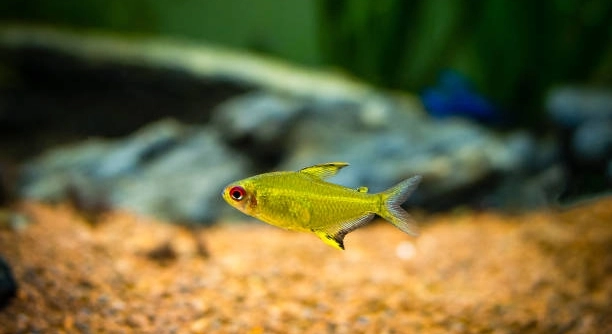
Are your lemon tetras exploring dim corners of the tank where lush greenery seems hard to maintain? Many aquarists look for plants that thrive with limited light, creating an underwater space that supports these fish.
Low light plants ideal for lemon tetras are species capable of sustaining photosynthesis with minimal illumination while maintaining stable growth. These plants provide shelter, reduce stress, and support water conditions that create an environment aligned with the species natural needs.
These easy growing choices bring structure and color to shaded aquariums, offering simple ways to enrich your lemon tetras surroundings.
Choosing Reliable Low Light Plants
When setting up a tank for lemon tetras, choosing plants that handle dim lighting can make the entire space feel balanced and calm. I like starting with hardy options that stay stable even when lighting is soft, since this keeps the tank easy to manage. Anubias, Java fern, and cryptocoryne species tend to settle in well without demanding constant adjustments. Their slow growth helps maintain a neat layout, and they continue shaping the tank with gentle movement. These plants also provide shelter that helps lemon tetras feel secure, reducing stress and supporting natural behavior. When growth remains steady, the plants help filter the water and create a sense of comfort. I find that planning plant placement early helps everything stay organized and simple. Once the plants root and adapt, the tank begins to show soft colors and textures that fit nicely with the peaceful nature of lemon tetras every day.
These dependable plants stay healthy with gentle lighting while adding structure that feels calming. Their steady presence supports the behavior of lemon tetras and keeps the tank simple to manage, creating a space that stays consistent without constant upkeep. This balance makes the aquarium feel stable and pleasant each day.
Selecting low light plants for lemon tetras becomes easier when you focus on species that stay compact and flexible in shaded conditions. These plants keep the aquarium manageable while giving the fish places to move calmly among soft leaves. I like choosing varieties that adapt quickly, since stable growth supports the tanks overall comfort. By arranging the plants in open clusters, the water stays clear and movement remains gentle. This type of layout creates a steady rhythm in the tank, encouraging natural swimming patterns. With these simple choices, the aquarium stays pleasant without feeling crowded for both you and them.
Understanding Plant Growth Patterns
Low light plants grow at a steady rate that suits lemon tetras well, offering calm spaces without overwhelming the tank. Their gentle pace keeps maintenance simple, supporting a clean layout that stays inviting and balanced. This steady growth keeps the tank peaceful and helps the fish settle comfortably each day.
Low light plants form the foundation of a stable aquarium for lemon tetras by creating calm spaces that match their gentle nature. I prefer plants that maintain structure without frequent trimming, since this keeps the tank easier to care for while still looking full and welcoming. Cryptocoryne varieties settle into shaded areas with soft leaves that sway lightly, giving the fish comfortable paths to explore. Anubias offers firm, dark foliage that holds its shape well, enhancing contrast in dim lighting. Java fern spreads slowly across driftwood, adding natural shapes that blend smoothly with softened light. Together, these plants support water quality by absorbing extra nutrients, which helps the tank stay clear and consistent over time. The steady growth also protects the fish from sudden changes, creating a gentle environment where they can move with confidence. Arranging the plants so they form open pockets allows the tetras to swim freely while still feeling sheltered. When these elements come together, the tank becomes a quiet space that feels pleasant to watch and easy to maintain. This setup maintains long term stability by reducing sudden changes in light or movement, keeping both plants and fish comfortable within a balanced environment that remains gentle.
Maintaining Stability in Shaded Conditions
Keeping lemon tetra tanks steady in low light starts with plants that handle soft illumination without constant adjustments. These plants stay firm, settle well, and support a calm layout that makes the tank feel pleasant and balanced throughout daily changes.
Stable conditions depend on plants that avoid sudden shifts in growth. I usually rely on species that keep their shape with little trimming, since this reduces stress on both the fish and the overall layout. When plants adapt well, they help maintain steady oxygen levels and soften movement in the water. This creates a space where lemon tetras can glide comfortably while staying relaxed. Choosing hardy varieties also avoids disruptions caused by melting or unpredictable growth. Their slow pace keeps the aquarium manageable and supports a clean look that lasts. With careful placement, the shaded areas stay inviting and consistent over time.
Low light conditions often create pockets of gentle movement that suit lemon tetras, and plants play a big part in shaping those areas. I find that dense clusters near the edges help hold the layout together while leaving the center open for swimming. This balance keeps the tank easy to watch and maintain. Plants that root firmly prevent shifting, which helps the aquarium stay stable even when lighting varies slightly. Their presence also reduces glare, creating a softer appearance that aligns with the calm behavior of lemon tetras. Over time, these steady elements build a space that feels natural and soothing.
Picking Plants That Support Calm Behavior
Plants that thrive in dim lighting help lemon tetras feel protected by giving them shaded spaces to move through without stress. These plants create gentle patterns across the tank, making the environment feel soft, steady, and comfortable for daily swimming.
I like selecting species that support predictable movement because lemon tetras respond well to layouts that feel open yet sheltered. Broad leaves from species like Anubias create quiet corners where the fish can rest, while thinner leaves from Java fern add structure without blocking light. Cryptocoryne varieties fill gaps with smooth shapes that blend well with soft lighting. This mix helps maintain clean water since the plants absorb extra nutrients and keep the tank stable. By spreading them in balanced clusters, the aquarium forms a calm pattern that suits the fish naturally. This steady arrangement keeps everything manageable while offering the fish a space that feels peaceful and consistent.
Arranging Plants for Clear Swimming Paths
Placing low light plants with intention keeps the tank open so lemon tetras can glide freely. I like keeping tall plants at the edges and shorter ones near the center, creating a clear path that feels comfortable and easy for the fish to navigate.
This type of layout also prevents the tank from feeling cluttered. By spreading plants in gentle groups, the leaves frame the space instead of overwhelming it. Lemon tetras respond well to this open feeling, moving calmly through the water while staying close to areas that offer shelter when needed.
Creating Soft Layers of Shade
Layering plants helps build natural shade that suits the peaceful nature of lemon tetras. Tall background plants filter the light gently, mid sized plants add soft structure, and low growing species create shaded pockets that feel safe and quiet. I like mixing broader leaves with finer textures because it keeps the tank interesting without disrupting the calm atmosphere. These layers also help control light levels throughout the tank, preventing bright spots that could make the fish uneasy. When arranged thoughtfully, the plants work together to create a steady environment that looks smooth and feels supportive for daily swimming.
Keeping the Layout Simple
Simple layouts reduce stress for both you and the fish by limiting constant changes. A clean arrangement keeps the tank easy to maintain while still giving lemon tetras shaded spaces that feel natural and inviting.
FAQ
Which plants are best for low light lemon tetra tanks?
Hardy species like Anubias, Java fern, and Cryptocoryne are excellent choices. They tolerate soft lighting, grow slowly, and provide shelter. These plants root well, absorb excess nutrients, and create natural hiding spots for lemon tetras without requiring frequent trimming or specialized care.
How do I prevent plants from dying in low light?
Maintaining stable water conditions is key. Avoid sudden temperature changes and keep a consistent light schedule of 8-10 hours a day. Using liquid fertilizers sparingly helps nutrient levels without overloading the tank. Removing decaying leaves promptly also supports healthy growth and prevents water issues.
Can lemon tetras live without plants?
Technically, yes, but plants improve their well-being. They reduce stress by offering hiding spots, provide gentle water filtration, and create a calmer environment. Fish without plants may become more skittish or stressed, affecting their color and swimming patterns. Including plants ensures a more natural, balanced habitat.
Do low light plants need CO2 injections?
Most low light plants do not require CO2 supplementation. Anubias, Java fern, and Cryptocoryne thrive with standard aquarium conditions. CO2 can enhance growth, but it’s not necessary for maintaining plant health or supporting lemon tetras in a low light setup.
How often should I trim low light plants?
Trimming is minimal. These plants grow slowly, and most only need pruning once every few months. Remove dead or yellowing leaves to keep the tank tidy and prevent water quality problems. This simple maintenance keeps the layout clean and the tetras comfortable.
Can I mix low light plants with floating plants?
Yes, floating plants like duckweed or frogbit complement low light species. They diffuse light, create extra shade, and offer additional hiding spaces. However, monitor growth to prevent overcrowding and ensure enough light reaches rooted plants. A balanced mix adds depth and variation to the tank.
How do I plant Anubias and Java fern?
These species attach to driftwood or rocks rather than being buried in substrate. Simply tie them with fishing line or thread until roots grip naturally. Avoid covering rhizomes with substrate, as this can cause rotting. Placement near moderate light ensures steady growth and prevents algae buildup.
Are fertilizers necessary for low light plants?
Fertilizers can help but are not strictly required. Slow-growing plants often survive on fish waste and occasional nutrient supplementation. Liquid fertilizers or root tabs are effective for maintaining steady growth without encouraging excessive algae or stressing the fish.
Will low light plants reduce algae growth?
Yes, healthy plants compete for nutrients, limiting algae. By absorbing nitrates and phosphates, plants reduce the resources algae need to thrive. Proper lighting schedules and occasional maintenance also keep algae under control, maintaining a clean, comfortable tank for lemon tetras.
Can I use artificial plants instead?
Artificial plants provide hiding spaces but do not contribute to water quality or stress reduction. Live plants actively support a stable environment by filtering nutrients and offering natural shade, which keeps lemon tetras calmer and the tank ecosystem healthier.
How do I encourage low light plants to grow faster?
Ensure consistent water conditions, mild lighting, and occasional fertilization. Avoid sudden changes in temperature or flow, as stability encourages growth. Patience is key since low light plants grow slowly. Focusing on placement and care rather than forcing growth produces steady, healthy results over time.
Can low light plants survive in cold water?
Yes, many species tolerate temperatures common for lemon tetras, around 72-78°F (22-26°C). Sudden drops or prolonged cold stress can harm plants, so maintaining a steady tank temperature ensures both plants and fish remain healthy and active.
How do I keep plants from overcrowding the tank?
Plan spacing carefully, placing taller species at the back and shorter ones in front. Prune as needed and rotate plants if growth becomes uneven. Maintaining open swimming areas ensures lemon tetras have space to move, and the tank remains visually appealing without feeling cluttered.
Can low light plants survive without fish?
Yes, but fish provide natural nutrients through waste. Without fish, additional fertilizers or nutrient supplements are necessary to maintain steady growth. Low light plants still thrive, but careful monitoring of nutrient levels is needed to prevent deficiencies and keep leaves healthy.
How often should I clean leaves of low light plants?
Wipe gently or rinse during water changes to remove dust or algae. Avoid harsh scrubbing, which can damage leaves. Regular light cleaning keeps plants healthy, prevents decay, and ensures clear water, contributing to a more stable, calm environment for lemon tetras.
Are there low light plants that float?
Yes, species like frogbit and water lettuce float and provide additional shade. They help diffuse light, creating gentle swimming spaces. Floating plants also absorb excess nutrients, supporting a balanced tank while offering lemon tetras extra cover and comfort.
Do low light plants help oxygenate water?
Yes, all healthy plants produce oxygen during photosynthesis, supporting water quality. Even in dim conditions, they contribute to a more stable and breathable environment. Adequate circulation ensures oxygen spreads evenly, helping lemon tetras thrive in shaded sections of the tank.
Can low light plants survive in small tanks?
Yes, most low light plants are compact and adapt well to smaller aquariums. Careful selection and placement prevent overcrowding while maintaining open swimming areas. They provide shelter, improve water stability, and create a natural aesthetic suitable for lemon tetras, even in limited spaces.
Is pruning necessary for plant health?
Minimal pruning supports plant health by removing dead or decaying leaves. It prevents nutrient buildup that could cause water quality issues. Low light plants grow slowly, so only light trimming is needed, keeping the tank tidy while maintaining the structure and comfort for lemon tetras.
How do I introduce new plants to an established tank?
Rinse roots or leaves to remove debris, then place in areas with enough shade and space. Tie species like Anubias or Java fern to rocks or driftwood until they anchor. Observing plant health and adjusting placement as needed ensures a smooth transition without disturbing the fish or existing plants.
Do lemon tetras nibble on plants?
Occasionally, they may graze lightly, but low light plants like Anubias and Java fern are generally resistant. Cryptocoryne leaves are tougher and withstand minor nibbling. Choosing hardy species ensures the plants remain healthy while offering natural hiding spots for the fish.
How long does it take for low light plants to establish?
Most low light plants establish roots and adapt within a few weeks. Growth is slow but steady, and they gradually form stable patches. Patience is important, as forcing growth can stress plants and fish. Proper care ensures they settle and enhance the tank environment consistently over time.
Are there low light plants that bloom?
Some Cryptocoryne species occasionally flower, even in dim conditions, though blooms are rare. Flowers do not affect plant health but add subtle variation. Flowering is usually seasonal or triggered by stable water conditions and consistent lighting, which supports the natural rhythm of the aquarium ecosystem.
Can low light plants survive without substrate?
Yes, species like Anubias and Java fern attach to rocks or driftwood and do not require substrate. Substrate may benefit Cryptocoryne for root support, but many low light plants adapt to being anchored on solid surfaces, keeping care simple and minimizing maintenance in small or planted tanks.
How do I manage algae with low light plants?
Balance light duration, maintain nutrient levels, and introduce slow-growing plants that compete with algae. Occasional leaf cleaning and consistent water changes help control algae growth. This approach ensures plants remain healthy, water stays clear, and lemon tetras enjoy calm swimming areas without visual disruption.
Can low light plants survive in tap water?
Yes, most low light plants tolerate standard tap water if chlorine or chloramine is removed. Water conditioners are recommended to neutralize chemicals, creating a safer environment. Steady water parameters allow plants to thrive while providing stable conditions for lemon tetras to swim comfortably.
Do low light plants improve fish coloration?
Indirectly, yes. Healthy plants reduce stress, provide hiding spots, and create stable water conditions, which enhance natural coloration. Lemon tetras in well-planted tanks often display brighter colors and calmer behavior, as the environment closely mimics natural habitats and supports overall health.
How do I avoid uprooting plants during tank cleaning?
Use gentle movements and avoid strong water streams near roots. Anchoring species like Anubias or Java fern on driftwood or rocks prevents shifting. For rooted plants, reposition carefully if disturbed. Maintaining stability protects plant health and preserves shaded areas that lemon tetras rely on for comfort.
What lighting schedule works best for low light plants?
Eight to ten hours of moderate light per day supports healthy growth. Consistency matters more than intensity. Using a timer helps maintain a stable schedule, preventing sudden light changes that could stress plants or lemon tetras while ensuring slow-growing species thrive without encouraging excessive algae.
Can low light plants survive with other fish species?
Yes, they generally tolerate peaceful community fish. Avoid plant-eating or overly active species that could damage leaves. When combined thoughtfully, low light plants provide shelter, reduce stress, and maintain balanced conditions for multiple species while still keeping lemon tetras calm and comfortable.
Are low light plants suitable for beginners?
Absolutely. Hardy species with slow growth require minimal trimming and low maintenance. They tolerate standard water conditions and soft lighting, making them ideal for first-time aquarists. These plants create a visually appealing, low-stress environment for lemon tetras while keeping upkeep simple and manageable.
Do low light plants need specific water pH?
Most tolerate a pH between 6.5 and 7.5, which aligns with lemon tetra requirements. Consistent pH supports plant health and prevents stress in the fish. Sudden changes can harm roots and leaves, so stable water chemistry ensures both plants and tetras thrive together in a balanced setup.
How do I prevent leaves from turning yellow?
Yellowing usually signals nutrient deficiency, low light, or decaying leaves. Adding slow-release fertilizers, checking lighting, and removing old leaves keeps plants healthy. Observing growth patterns and adjusting care as needed supports steady growth, maintains natural color, and provides safe shaded areas for lemon tetras.
Can low light plants survive in tall tanks?
Yes, but placement matters. Taller species should go at the back to create shade, while shorter ones fill foreground spaces. Proper layering ensures light reaches all plants and swimming areas remain open. This approach maintains balance, supports growth, and keeps lemon tetras comfortable.
Do I need to use special soil for low light plants?
Special soil is optional. Root tabs or standard aquarium substrate often suffice. Hardier species attach to rocks or driftwood and do not rely on soil. Using the right substrate helps slow-growing plants anchor, preventing movement and keeping the tank organized for both plants and lemon tetras.
Can low light plants survive in a filtered tank?
Yes, filters support water clarity and nutrient circulation without harming plants. Avoid strong currents near delicate leaves. Proper filter placement ensures water movement is gentle, providing oxygen and helping maintain balanced conditions that allow low light plants and lemon tetras to thrive together.
Are fertilizers harmful to lemon tetras?
When used according to instructions, fertilizers are safe. Liquid supplements or root tabs support slow-growing plants without stressing the fish. Overuse can increase algae, so careful dosing maintains healthy plant growth while keeping water safe for lemon tetras.
How long do low light plants live?
With proper care, these plants can live several years. Slow growth and minimal trimming contribute to longevity. Regular observation, stable conditions, and removing decaying leaves keep plants healthy, providing continuous shade, shelter, and water stabilization for lemon tetras over time.
Can low light plants survive in high nutrient tanks?
Yes, but excess nutrients may encourage algae growth. Balanced feeding and occasional water changes help maintain steady conditions. Hardy low light plants absorb available nutrients efficiently, supporting water quality while providing shaded areas that keep lemon tetras comfortable and stress-free.
How do I combine multiple low light species effectively?
Mix tall background plants with mid and low foreground species for layered structure. Spread in gentle clusters to avoid overcrowding. Balance textures and leaf shapes for visual interest while keeping swimming paths clear. This arrangement supports growth, reduces stress, and keeps lemon tetras active and comfortable.
Do low light plants require special water hardness?
Most adapt to a range of soft to moderately hard water. Lemon tetras prefer similar conditions, making compatibility simple. Maintaining steady hardness supports root development and leaf health, ensuring plants thrive while providing shaded and stable areas for the fish to explore.
Can low light plants survive seasonal changes?
Yes, if lighting and temperature remain stable. Sudden drops or increases may stress plants, so consistent care throughout the year ensures steady growth. Maintaining these conditions keeps both plants and lemon tetras healthy, providing a reliable habitat regardless of external seasons.
Are there low light plants suitable for nano tanks?
Yes, compact species like small Anubias or Cryptocoryne variants fit well. Their slow growth and minimal maintenance suit smaller setups while offering shelter and shade. Careful placement prevents overcrowding, keeps water clear, and provides calm swimming areas for lemon tetras even in limited space.
How do I remove decaying leaves safely?
Gently pull or snip affected leaves without disturbing healthy roots. Removing decay prevents nutrient imbalances and maintains water clarity. Regular leaf care supports plant longevity, keeps the tank visually appealing, and ensures lemon tetras continue enjoying shaded, stress-free swimming areas.
Can low light plants survive with strong tank lights?
Yes, but prolonged intense light may cause algae or stress. Adjust duration or intensity to suit low light species. Stable moderate lighting ensures plants grow slowly and steadily while maintaining comfortable shaded areas for lemon tetras to swim and rest naturally.
Do low light plants affect water flow?
Yes, dense leaves reduce flow in certain areas. Strategic placement allows smooth circulation while providing calm pockets for lemon tetras. Adjusting plant clusters and filter positioning maintains gentle movement, keeps water quality high, and creates balanced spaces for swimming and resting.
Are low light plants compatible with shrimp?
Yes, most species provide cover for shrimp while improving water quality. Shrimp help clean detritus, reducing leaf decay. This mutual support creates a low-maintenance, balanced tank environment where plants remain healthy and lemon tetras benefit from gentle, natural interactions.
How do I prevent roots from rotting?
Avoid burying rhizomes for Anubias or Java fern, and maintain stable water parameters. Proper anchoring and minimal disturbance reduce rot risk. Healthy roots support plant growth, keep leaves firm, and ensure shaded, comfortable areas for lemon tetras remain consistent throughout the tank.
Can low light plants survive partial sunlight?
Yes, brief periods of indirect sunlight are acceptable, but avoid direct rays that can overheat water or encourage algae. Consistent aquarium lighting is more reliable. Balancing natural and artificial light helps plants grow steadily and supports a calm, shaded environment for lemon tetras.
Do low light plants need regular water changes?
Yes, moderate water changes maintain nutrients, prevent buildup, and support steady growth. They keep the environment stable for lemon tetras and reduce the chance of algae or decay. Regular maintenance ensures both plants and fish thrive together in a balanced, healthy tank.
How do I protect delicate leaves from fish nibbling?
Choose hardy species or anchor fragile ones behind stronger plants. Occasional nibbling is normal, but strategic placement keeps delicate leaves safe. This protects plant health while giving lemon tetras shaded, natural spaces to explore without damaging foliage.
Are there any low light plants that flower underwater?
Some Cryptocoryne species occasionally flower underwater. Flowers are small, subtle, and do not affect plant survival. Flowering adds occasional visual interest without disturbing tank balance, supporting calm swimming areas for lemon tetras while maintaining stable low light growth.
Can low light plants survive in brackish water?
Most are freshwater species and do not tolerate brackish conditions. Lemon tetras are freshwater fish, so maintaining compatible water chemistry ensures both plants and fish thrive together, keeping the tank safe, stable, and comfortable.
Do low light plants require special nutrients for roots?
Root tabs or slow-release fertilizers support species like Cryptocoryne. Anchored plants like Anubias and Java fern absorb nutrients from water. Balancing nutrient delivery ensures steady growth without overfertilization, maintaining plant health while keeping shaded, calm areas for lemon tetras intact.
Can low light plants survive in aquaponics setups?
Yes, low light species adapt to aquaponic systems with gentle water flow and balanced nutrients. Their slow growth supports stability, and they absorb excess nutrients while providing natural shade, creating a low-maintenance environment suitable for lemon tetras in tanks connected to aquaponic cycles.
How do I adjust lighting if plants grow too slowly?
Increase duration slightly or check bulb intensity to meet plant needs. Avoid overexposure that may encourage algae. Slow adjustments maintain steady growth while keeping shaded areas comfortable for lemon tetras. Patience is key, as low light plants grow naturally over time.
Can low light plants survive with fluctuating temperatures?
Minor fluctuations are tolerable, but sudden or extreme changes can stress plants. Maintaining consistent warmth similar to lemon tetra preferences ensures steady growth, healthy leaves, and stable water conditions. This keeps the tank environment calm and safe for both plants and fish.
Are low light plants suitable for planted tank competitions?
They are valued for stability and aesthetics, though slow growth may limit dramatic visual impact. Their resilience and low maintenance make them excellent background or accent plants, supporting calm, balanced aquariums where lemon tetras thrive in shaded, natural spaces.
How do I combine floating and rooted low light plants?
Use floating plants to diffuse light while rooted species provide structure. Space floating plants lightly to avoid blocking too much light. This balance ensures rooted plants grow steadily and lemon tetras enjoy shaded swimming areas without overcrowding.
Can low light plants survive in high nitrate tanks?
Yes, they absorb nutrients efficiently. Excess nitrate may encourage algae, so regular monitoring and moderate water changes help maintain a healthy balance. This ensures plants thrive while providing calm, shaded areas for lemon tetras.
Do low light plants require pruning for shape?
Minimal pruning maintains tidy appearance. Removing dead leaves prevents decay and nutrient spikes. Slow-growing species retain natural form without frequent trimming, keeping swimming areas clear and providing a calm environment for lemon tetras to move freely.
How do I transition low light plants to a new tank?
Rinse gently and place in shaded areas with space to anchor. Tie or position species like Anubias until roots grip. Observing adaptation ensures plants settle without stress, providing steady shade and calm spaces for lemon tetras in the new setup.
Can low light plants survive alongside fast-growing species?
Yes, but balance is important. Fast growers may overshadow slow species. Careful spacing ensures slow-growing low light plants receive enough light and nutrients while providing steady shaded areas for lemon tetras, maintaining overall tank
Low light plants are a practical and reliable choice for tanks housing lemon tetras. They grow slowly, require minimal maintenance, and adapt well to softer lighting, which makes caring for your aquarium easier. When the plants are healthy, they create calm shaded areas that allow the fish to swim comfortably without stress. Over time, the plants form natural pockets that mimic the gentle environment lemon tetras are used to, helping them feel secure and active. Choosing species like Anubias, Java fern, and Cryptocoryne ensures that the plants will stay strong and steady, even if light levels are not high. These plants also help with water quality by absorbing excess nutrients and providing surfaces for beneficial bacteria, keeping the tank balanced. I have found that including low light plants makes it easier to maintain a clean, organized layout, which benefits both the fish and the person managing the tank. Even a small aquarium can look full and vibrant with careful plant placement, providing open swimming paths while still giving shaded corners for the tetras to retreat to.
Using low light plants also reduces the amount of maintenance needed compared to high light species. Because they grow slowly, there is less need for frequent trimming or constant adjustments to lighting. The stability this provides makes the tank feel more predictable, which is important for the well-being of lemon tetras. Stress in fish can lead to dull colors, erratic swimming, and reduced health, so having a steady environment matters a lot. Low light plants contribute to that stability by maintaining their form over time, creating natural barriers and soft textures that the fish can interact with. In addition, many of these species do not require CO2 injections or specialized fertilizers, making them accessible even to beginners. By focusing on hardy, adaptable plants, you can build a peaceful aquarium that does not demand constant attention while still offering beauty and structure. This balance allows the tank to function as a quiet, steady ecosystem where the fish thrive and the plants continue growing at a natural pace.
Finally, low light plants help create a visually pleasing and natural-looking aquarium that complements lemon tetras’ delicate appearance. Their leaves and textures add depth to the tank without overwhelming it or blocking swimming paths. Arranging plants in layers, with taller species at the back and shorter ones near the front, provides both aesthetic appeal and functional spaces for the fish. Floating plants can add another level of shade, softening light and giving the tetras gentle areas to explore. By paying attention to plant placement, you can ensure the tank feels balanced and calm, making it easier to maintain over time. Low light plants do more than just fill space; they actively contribute to the comfort, safety, and health of your fish while reducing the overall effort needed to care for the tank. This combination of ease, stability, and natural beauty makes low light plants an excellent choice for anyone looking to create a peaceful home for lemon tetras that is both functional and inviting.

Hello,
If you enjoy the content that we create, please consider saying a "Thank You!" by leaving a tip.
Every little bit helps us continue crafting quality advice that supports the health, happiness, and well-being of pets around the world, for pets of all shapes, sizes, and species.
We really appreciate the kindness and support that you show us!