
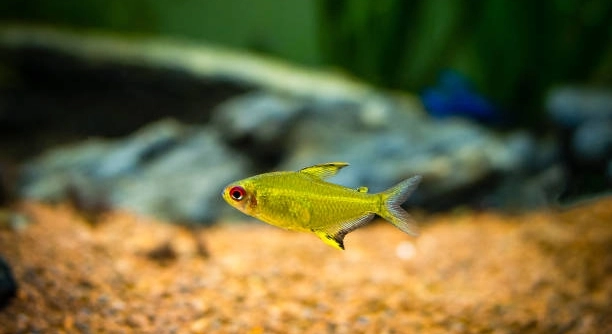
Have you ever noticed your lemon tetra swimming calmly in a dimly lit tank and wondered how it finds its way around? These small, bright fish seem delicate, yet they move with surprising confidence even in low light.
Lemon tetras can navigate in the dark using their well-developed senses of smell, lateral line system, and vision adapted to low light conditions. These mechanisms allow them to detect obstacles, locate food, and maintain orientation in dark environments.
Understanding these abilities reveals more about their natural behavior and how to create a safe, comfortable home for them.
How Lemon Tetras Sense Their Environment
Lemon tetras rely heavily on their lateral line system, a series of sensitive cells along their body that detect vibrations and changes in water pressure. This helps them sense nearby objects and other fish, even when it’s dark. Their eyesight, although not as strong in complete darkness, still picks up dim light and movement, allowing them to orient themselves. Additionally, their sense of smell plays a role in locating food and recognizing their surroundings. These combined senses make lemon tetras surprisingly confident swimmers at night or in shaded areas. Observing them, I noticed how they avoid decorations and swim in coordinated groups, showing that they can adapt to low-light conditions naturally. By providing a varied tank environment with plants and gentle water currents, they can practice these natural behaviors safely. Understanding these senses helps keep them healthy, reduces stress, and encourages natural interaction between tank mates, even during darker periods of the day.
Lemon tetras also use subtle cues from other fish to guide their movement in low-light conditions, maintaining group cohesion.
Their ability to detect vibrations, movement, and chemical signals is fascinating. It shows how evolution equips them with multiple ways to navigate safely, even without relying solely on vision. Watching them adapt over time reveals just how resilient these small fish can be. Creating a balanced tank with hiding spots and open areas allows them to practice these skills, making their environment feel natural and secure. This also reduces stress, supports social behaviors, and ensures they can find food efficiently. Observing a school of lemon tetras maneuver through plants at night highlights their impressive coordination and reliance on senses beyond sight. Over time, their confidence in darker areas grows, demonstrating the importance of considering sensory needs when setting up a tank. With proper care, their navigation skills remain sharp, and they continue to exhibit lively, harmonious behavior among their tank mates.
Adjusting Tank Conditions for Nighttime Navigation
Lighting plays a key role in supporting lemon tetras’ nighttime activity. Dim lights or a gradual transition to darkness reduces stress.
A stable environment, with gentle currents and secure hiding spots, allows lemon tetras to use their senses effectively. Soft lighting mimics their natural habitat, enabling safe exploration at night. Plants and small decorations provide landmarks for orientation. Regular feeding schedules ensure they can locate food without panic or confusion. Observing them, I realized how much these adjustments improved their confidence and movement patterns. Over time, their social interactions became smoother, and nighttime swimming appeared less erratic. It’s important to avoid sudden changes, as these fish react strongly to disruptions in their environment. By maintaining consistent conditions, lemon tetras thrive, showing calmer behavior and better overall health. The right balance of light, structure, and water conditions makes a noticeable difference in their daily routines and ability to navigate even in near darkness. Creating this setup takes patience, but the results are rewarding.
Feeding Lemon Tetras in Low Light
Lemon tetras can find food in dim conditions using smell and lateral line sensing. They often follow subtle water movements to locate pellets or flakes. Consistent feeding times help them recognize where food appears, reducing stress during low-light periods.
Observing them during feeding, I noticed how quickly they adapt. Even in darker parts of the tank, they swim confidently toward the food. Their senses work together to detect vibrations and chemical cues, allowing them to locate tiny flakes floating in the water. Over time, they seem to remember feeding spots, which shows their ability to learn and rely on senses beyond vision.
It helps to scatter food slightly instead of dropping it in one spot. This encourages movement and natural foraging behavior. Lemon tetras often nibble at the surface first, then explore middle and lower areas. Providing a mix of flakes, micro-pellets, and occasional live food keeps them engaged. Watching them, I realized how active they remain even in low-light conditions when their environment feels secure and predictable.
Nighttime Tank Maintenance
Dim lighting during cleaning keeps lemon tetras calm and reduces sudden stress. Gentle movements prevent startling them while maintaining water quality.
Adjusting maintenance routines to their activity patterns supports both health and behavior. Cleaning small sections at a time, rather than the entire tank, keeps water conditions stable. Using a siphon for debris removal avoids strong currents that can overwhelm them. Regular partial water changes maintain clarity and chemical balance without shocking the fish. Observing their response, I found that they remain near plants or decorations during cleaning, which shows they rely on familiar landmarks. Over time, this approach strengthens their confidence, reduces stress, and allows them to continue navigating the tank safely. Creating a calm, predictable maintenance routine ensures lemon tetras can move freely even during low-light periods, maintaining their natural behaviors.
Group Behavior in the Dark
Lemon tetras stay close together when swimming at night. Their school moves as one, using subtle cues from each fish to stay coordinated.
Following the group helps them avoid collisions and locate food more easily. Even in low light, they seem aware of each other’s movements.
Recognizing Obstacles
They detect decorations and tank walls using vibrations and water pressure changes. This keeps them from bumping into objects. Lemon tetras adjust their swimming paths smoothly, showing how well their lateral line system works in practice.
Tank Layout for Safety
Arranging plants and hiding spots carefully reduces accidents. Open swimming areas paired with secure cover make navigation simpler.
Sensory Development
Young lemon tetras learn to rely on smell, lateral line signals, and vision early. This sensory development helps them move confidently in dim or dark conditions.
FAQ
How do lemon tetras navigate in complete darkness?
Lemon tetras rely on their lateral line system to detect vibrations and water movement. They also use their sense of smell and low-light vision to locate objects, food, and tankmates. These senses work together, allowing them to move confidently even when the lights are off.
Can they get stressed in low-light conditions?
Yes, sudden darkness or abrupt changes in lighting can stress lemon tetras. Gradual dimming or consistent light schedules help them adapt. A calm environment with plants and hiding spots reduces anxiety and encourages natural swimming and schooling behavior.
Do lemon tetras need special feeding techniques at night?
Feeding at night works best when food is scattered in small amounts. Their lateral line and smell help them detect flakes or pellets. Over time, they learn where and when food appears, which supports healthy foraging habits.
Is it safe to keep lemon tetras in completely dark tanks overnight?
Complete darkness is generally safe for short periods. Their senses allow them to navigate and maintain group cohesion. However, prolonged darkness without a day-night cycle can disrupt biological rhythms, so a low-light or dim environment is preferable.
How can I make the tank safer for low-light navigation?
Provide open swimming areas, plants, and hiding spots. Avoid sharp decorations or overcrowding, which can cause injury. Smooth surfaces and gentle water currents let lemon tetras move freely and explore safely.
Do all lemon tetras adapt equally to low light?
Not all fish adjust at the same pace. Some may be cautious or slower at first. With consistent conditions and gentle water flow, most tetras gradually become confident swimmers, showing normal social and feeding behaviors.
Can lemon tetras still interact socially in the dark?
Yes, schooling behavior continues even in dim conditions. Fish rely on lateral line sensing and subtle movements to stay coordinated. Watching them, I noticed how they follow each other and maintain group formation without relying on vision alone.
Are there health risks in low-light environments?
Low light alone is not harmful, but stress from sudden darkness or poor tank conditions can affect immune response. Regular water changes, stable temperatures, and proper nutrition help maintain health while supporting nighttime activity.
Do decorations affect their navigation?
Yes, decorations create obstacles but also provide landmarks. Lemon tetras learn to recognize these features using their senses. Balanced placement helps them move confidently without collisions, while dense or sharp objects can increase stress and injury risk.
Can young lemon tetras navigate as well as adults?
Juveniles gradually develop their lateral line, vision, and smell sensitivity. Initially, they may be slower or hesitant. With consistent tank conditions, they learn to navigate and keep up with older fish, demonstrating the importance of sensory development early in life.
How does water movement influence their navigation?
Gentle currents help lemon tetras detect movement and orientation, but strong flows can overwhelm their senses. Observing them, I saw they adjust their speed and direction according to water pressure, which supports smooth swimming even in dim lighting.
What should I avoid to prevent disorientation?
Avoid sudden bright lights, rapid water changes, or overfeeding at night. Consistency in feeding times, gentle cleaning, and gradual lighting transitions help maintain their ability to navigate and reduce stress in low-light conditions.
Can lemon tetras locate food without vision?
Yes, they rely on smell and water vibrations to find food. Scattering food in small amounts encourages exploration. Over time, they recognize feeding locations and can quickly find food even in darker parts of the tank.
Do lemon tetras behave differently at night than during the day?
Their activity level is often slightly lower, but they continue swimming and schooling. Nighttime encourages natural behaviors like cautious exploration, foraging, and interaction with tankmates, all guided by senses other than sight.
Is it necessary to adjust tank temperature for nighttime?
Maintaining a stable temperature is more important than changing it for darkness. Lemon tetras are sensitive to sudden shifts, so keeping the water consistent supports both navigation and overall health.
How can I tell if they are comfortable navigating at night?
Comfortable fish swim steadily, avoid constant collisions, and stay with the group. Hesitant, erratic, or frozen behavior may indicate stress or poor tank conditions, signaling the need for adjustments in layout, lighting, or water quality.
Does schooling improve their ability to navigate?
Yes, schooling provides collective sensory feedback. Fish follow subtle movements of others, reducing mistakes and maintaining cohesion. Observing a group in dim lighting, I saw how individual navigation is enhanced by teamwork and awareness of nearby fish.
Can they navigate around new decorations immediately?
New decorations may cause initial hesitation. Lemon tetras explore cautiously, using lateral line sensing and smell. Over time, most adjust and incorporate new objects into their mental map, showing their adaptability and learning ability.
Are there signs of sensory impairment in lemon tetras?
Fish that repeatedly bump into objects, fail to follow the group, or miss food in low-light conditions may have vision, smell, or lateral line issues. Monitoring these behaviors helps detect problems early and maintain tank safety.
Do lemon tetras require any extra equipment for nighttime navigation?
Extra equipment is not required. Dim lights, consistent tank setup, and gentle currents are sufficient. Overcomplicating the tank can stress the fish. Observing their natural behaviors ensures they can navigate confidently without artificial aids.
Can lemon tetras use smell as efficiently as vision in darkness?
Smell plays a strong role, particularly in locating food and recognizing familiar areas. Combined with lateral line sensing, it allows lemon tetras to compensate for reduced vision, showing how well-adapted they are to low-light conditions.
How long does it take for lemon tetras to adapt to dim lighting?
Adaptation varies. Most fish adjust within a few days, showing steady swimming and schooling. Juveniles may take longer as they develop sensory skills, highlighting the importance of patience and consistent tank conditions for nighttime adaptation.
Do water clarity and quality affect navigation?
Yes, murky or poorly maintained water can reduce visibility and alter vibration signals. Clear, clean water supports accurate detection of objects, food, and tankmates, ensuring safe movement and healthy schooling behavior.
Can lemon tetras navigate at night without schooling?
They can, but schooling improves confidence and safety. Alone, fish may be more cautious, relying heavily on their lateral line and smell. Grouping reduces stress and helps maintain normal movement patterns even in dim lighting.
What types of hiding spots work best for nighttime navigation?
Soft plants, low decorations, and smooth rocks provide safe cover. Dense, jagged objects may hinder movement or cause injury. Proper placement allows fish to rest or hide while maintaining clear paths for swimming.
Does age affect their low-light navigation abilities?
Yes, older fish are usually more confident, while juveniles rely on learning and development of senses. Observing them, I noticed gradual improvement as young tetras gain coordination and follow older fish during nighttime activity.
Are there risks in overfeeding at night?
Yes, uneaten food can decompose, affecting water quality and creating stress. Scattering small amounts and removing leftovers helps maintain a safe environment and allows lemon tetras to forage naturally.
How can I tell if their lateral line system is healthy?
Fish that navigate smoothly, avoid collisions, and stay coordinated in dim conditions have a healthy lateral line. Erratic or hesitant swimming may indicate issues requiring attention to tank conditions or health.
Do lemon tetras need special plants for low-light navigation?
No special plants are needed. They respond well to soft, flexible foliage and decorations that provide landmarks. Dense plants can help hiding but should not obstruct movement. Observing their exploration shows how they use landmarks effectively.
Can they detect new fish in low light?
Yes, they sense movement and water vibrations from newcomers. Gradual introductions are important to reduce stress, allowing all fish to maintain coordination and avoid sudden conflicts in dimly lit tanks.
Is low-light activity similar to natural behavior in the wild?
Yes, lemon tetras are accustomed to shaded or dim environments in streams and rivers. Their ability to navigate using multiple senses reflects adaptations to habitats with variable light conditions, supporting natural behaviors.
How often should I monitor their behavior in the dark?
Regular observation, even briefly, ensures they navigate safely and stay healthy. Watching interactions, swimming patterns, and feeding helps detect stress, illness, or tank setup issues that may affect nighttime activity.
Do lateral line injuries recover over time?
Minor damage may heal gradually, but severe injury can permanently affect navigation. Providing safe tank conditions, avoiding rough decorations, and monitoring interactions can prevent problems and support recovery if needed.
Can lemon tetras navigate in dark tanks with minimal decoration?
Yes, open space allows easier movement, but the absence of landmarks may reduce orientation cues. A few plants or rocks provide reference points, helping them maintain direction and social cohesion while swimming.
Are there differences in navigation between male and female lemon tetras?
There are no significant differences. Both genders rely on the same sensory systems. Individual confidence may vary, but schooling and environmental adaptation remain consistent across sexes.
Do stress levels impact nighttime navigation?
High stress can cause hesitation, erratic swimming, or hiding. Maintaining consistent light cycles, tank setup, and feeding schedules reduces stress, allowing natural navigation behaviors to continue even in low-light conditions.
Can lemon tetras navigate during total darkness without food cues?
Yes, they use lateral line sensing and water vibrations to move safely. Food enhances activity but is not required for basic navigation. Observing them, I noticed smooth schooling and confident movement even when no feeding occurs.
How important is water temperature for night navigation?
Stable water temperature supports normal activity and reduces stress. Sudden drops or rises may slow movement, disrupt schooling, and reduce their ability to respond to environmental cues during dark periods.
Do older tankmates affect younger tetras’ navigation in darkness?
Older fish provide guidance and set swimming patterns. Juveniles follow them, learning safe routes and social cues. This mentoring effect helps younger tetras develop coordination and confidence in low-light conditions.
Can lateral line stimulation improve navigation skills?
Gentle water currents mimic natural vibration patterns and encourage sensory use. Observing them, I saw improved coordination and smoother swimming when currents were consistent, reinforcing confidence in navigating dimly lit areas.
Should night-specific observation be recorded for health monitoring?
Yes, noting behavior patterns, schooling, feeding, and navigation helps detect early signs of illness, stress, or sensory issues. Regular monitoring ensures lemon tetras remain active, healthy, and confident in low-light conditions.
Do all lemon tetras use the same combination of senses for navigation?
They rely on lateral line, vision, and smell, but individual fish may emphasize one sense more. Observing them in different lighting conditions shows variability, highlighting their adaptability and learning capabilities.
How can I make nighttime navigation easier for shy fish?
Provide gradual lighting changes, gentle currents, and safe hiding areas. Introducing food slowly and placing landmarks strategically encourages exploration while minimizing stress for less confident fish.
Do tank size and shape influence navigation at night?
Yes, small tanks limit space, and narrow tanks can cause congestion. Larger tanks with open areas and defined landmarks improve movement, allowing lemon tetras to navigate naturally while schooling and exploring.
Is it normal for some tetras to rest during low-light periods?
Yes, brief rest or reduced activity is natural. Lemon tetras balance exploration and resting, using familiar areas for cover while relying on senses to maintain safety in dim lighting.
Can external vibrations affect navigation?
Strong vibrations from pumps, nearby movement, or loud sounds may confuse them. Observing their behavior, I noticed hesitation or erratic swimming when disturbances occur, showing the importance of a stable environment for confident nighttime navigation.
Do lemon tetras react differently to low-light versus complete darkness?
In low light, vision still plays a role, supporting smoother movement and schooling. In complete darkness, lateral line and smell dominate, making their movements slightly slower but still coordinated and confident.
How can I encourage natural nighttime activity?
Consistent lighting schedules, scattered feeding, and safe tank layout allow exploration. Observing swimming, schooling, and foraging provides insight into how well their senses are being used. Over time, natural activity patterns become predictable and healthy.
Are there any signs that navigation is impaired due to illness?
Erratic swimming, repeated collisions, isolation from the group, or difficulty finding food can indicate sensory or health issues. Promptly checking water quality, feeding, and tank conditions helps address problems early.
Do lemon tetras use smell for more than food detection?
Yes, smell helps recognize tankmates, territories, and familiar landmarks. Combined with lateral line and vision, it creates a reliable system for safe movement, social cohesion, and environmental awareness in low-light conditions.
Can lemon tetras get lost in large tanks at night?
They may appear hesitant initially, but their lateral line, smell, and schooling instincts prevent true disorientation. Gradual acclimation and familiar landmarks help them navigate large tanks confidently over time.
Does low-light navigation require any supplements or special diet?
No special diet is required. A balanced diet ensures energy and overall health, supporting their natural ability to explore, school, and forage even when visibility is limited.
Are some tank decorations better than others for navigation?
Smooth plants, rocks, and gentle curves are ideal. Sharp or cluttered decorations can increase collisions. Observing how tetras move around objects shows which setups provide safety and clear orientation cues.
How long should I observe new decorations for adjustment?
Several days is enough for most tetras. During this time, they explore carefully, using lateral line and smell to incorporate new objects into their mental map without collisions.
Can lemon tetras recognize individual tankmates in darkness?
Yes, lateral line sensing and smell allow recognition of familiar fish. Social hierarchies and schooling behavior continue in low-light conditions, showing how strongly their non-visual senses support interaction.
Do lateral line injuries recover fully in adults?
Minor damage may heal slowly, but severe injuries can have lasting effects. Providing safe tank conditions, gentle currents, and minimal overcrowding reduces risk and supports natural recovery processes.
Is low-light activity linked to overall health?
Yes, active, coordinated swimming in dim conditions reflects healthy senses, reduced stress, and good nutrition. Monitoring nighttime behavior provides insight into their general well-being.
Do lemon tetras explore new areas at night?
Yes, cautiously. They use lateral line sensing and smell to navigate unfamiliar regions, integrating new areas into their mental map while remaining close to hiding spots and group members.
Can all tankmates adjust to lemon tetras’ low-light activity?
Most compatible species adapt, but aggressive or very fast swimmers may disrupt schooling. Observing interactions ensures all fish can navigate safely and maintain natural behavior patterns.
How do I know if they are using their lateral line effectively?
Smooth, coordinated swimming, avoiding obstacles, and staying with the group indicate effective use. Hesitation, collisions, or isolation may suggest sensory issues requiring attention.
Does low-light behavior differ in planted versus sparse tanks?
Planted tanks provide landmarks and hiding spots, encouraging exploration and natural foraging. Sparse tanks offer open swimming but fewer orientation cues. Lemon tetras adapt to both, but plants improve confidence and reduce stress.
Can lemon tetras detect subtle water vibrations from outside the tank?
Yes, external vibrations may influence behavior. They may become cautious or adjust swimming patterns in response, showing how sensitive their lateral line system is to environmental changes.
Do older fish teach younger ones navigation skills?
Indirectly, yes. Juveniles follow adults during swimming and feeding, learning routes, safe areas, and social cues. This mentoring effect supports faster adaptation and confidence in low-light environments.
How important is gradual light transition for navigation?
Crucial. Sudden light changes can startle them and disrupt schooling. Gradual dimming supports natural adaptation, reduces stress, and allows fish to use all senses effectively.
Can lemon tetras navigate around strong currents at night?
Yes, but strong currents can cause stress. Gentle, consistent water flow provides stimulation without overwhelming their lateral line, ensuring safe nighttime movement.
Do all sensory systems contribute equally in darkness?
Not always. Lateral line and smell dominate in complete darkness, while vision still plays a minor role in dim lighting. Individual reliance on each sense varies but collectively ensures effective navigation.
Are there environmental cues that enhance navigation confidence?
Stable plants, landmarks, predictable feeding areas, and gentle water movement improve orientation. Observing them, I noticed fish swim more smoothly when cues are consistent and familiar.
How can I help timid fish adjust to nighttime exploration?
Provide gradual lighting changes, familiar hiding spots, and slow introductions to new areas. Scattered food encourages cautious exploration without forcing stress. Over time, timid fish gain confidence and integrate into schooling behavior.
Do lemon tetras ever rely solely on vision in low light?
Rarely. They combine vision, lateral line sensing, and smell to navigate. Vision supports movement in dim conditions, but other senses ensure safety when light is minimal or absent.
Can tank vibrations or noise disrupt nighttime navigation?
Yes, excessive vibrations or loud noises can confuse fish, causing hesitation, erratic swimming, or temporary disorientation. A stable environment ensures confident nighttime behavior and smooth schooling.
Is it normal for some tetras to hide more than others at night?
Yes, individual temperament affects activity. Shy fish may spend more time near cover, while confident ones explore. Providing secure hiding areas ensures safety for all personalities.
Do feeding locations affect nighttime navigation?
Yes, consistent feeding spots help fish predict food sources. Over time, they move efficiently toward familiar locations, using smell and water vibrations to guide them in low light.
Can lemon tetras remember tank layout in darkness?
Yes, repeated exposure allows them to form a mental map. They navigate confidently around obstacles, recognize hiding spots, and move efficiently through familiar areas.
Does tank size impact schooling behavior in low light?
Smaller tanks can feel crowded, limiting smooth movement. Larger tanks allow better spacing, supporting natural schooling and reducing collisions during nighttime navigation.
Are sensory impairments reversible?
Minor issues may improve with safe conditions and proper care. Persistent problems require monitoring water quality, nutrition, and tank safety to prevent long-term navigation difficulties.
Can lemon tetras adapt to sudden changes in tank setup?
They adjust gradually, but sudden rearrangements cause hesitation or stress. Incremental changes allow them to incorporate new landmarks while maintaining smooth navigation and schooling behavior.
Do all lemon tetras react the same to low light?
No, individual temperament affects confidence. Some are more cautious or slower at first, while others explore actively. Consistent environment and gradual adjustments help all fish adapt.
How do I know if the tank layout is ideal for nighttime navigation?
Fish swim confidently, avoid obstacles, maintain schooling, and locate food efficiently. Hesitation or collisions indicate a need for adjustments in landmarks, hiding spots, or
Lemon tetras are small fish, but they are surprisingly capable of navigating in low-light and dark conditions. Their ability to move confidently comes from a combination of senses, including their lateral line system, sense of smell, and vision adapted to dim lighting. The lateral line helps them detect vibrations and changes in water pressure, which is essential for avoiding obstacles and staying in a school. Their sense of smell allows them to locate food and recognize familiar areas of the tank. Even though their eyesight is limited in darkness, it still contributes to orientation by detecting subtle movements and low light. Observing them in their tank, it becomes clear that these senses work together in a balanced way, giving lemon tetras the ability to swim safely and efficiently even without bright light.
Creating a supportive tank environment is key to helping lemon tetras navigate and feel secure at night. Open swimming areas, paired with strategically placed plants and decorations, provide both freedom of movement and safe hiding spots. Gentle water currents help stimulate their lateral line system without overwhelming them. Maintaining consistent light cycles and gradual transitions between day and night reduce stress and support natural activity patterns. Feeding routines also play an important role. Scattering food in small amounts allows tetras to rely on their senses, encourages natural foraging behavior, and prevents competition from becoming stressful. Over time, the fish learn where to find food and how to move confidently through their environment. This combination of environmental factors not only supports safe nighttime navigation but also promotes overall health, social interaction, and natural behavior.
Understanding how lemon tetras navigate in low light offers insight into their behavior and care requirements. Observing their schooling, feeding, and exploration demonstrates how adaptable they are and how well their senses work together. Tank setup, consistent maintenance, and attention to environmental cues make a noticeable difference in their comfort and confidence. Even small adjustments, like rearranging plants gradually or providing gentle water flow, can improve how effectively they navigate and interact with their tankmates. Watching these small fish move together with smooth coordination, avoiding obstacles and finding food, is a reminder that even in the dark, they are capable, alert, and responsive creatures. By supporting their natural abilities and providing a safe, structured environment, lemon tetras can thrive in low-light conditions, maintaining healthy behavior patterns while demonstrating the remarkable ways fish adapt to their surroundings.

Hello,
If you enjoy the content that we create, please consider saying a "Thank You!" by leaving a tip.
Every little bit helps us continue crafting quality advice that supports the health, happiness, and well-being of pets around the world, for pets of all shapes, sizes, and species.
We really appreciate the kindness and support that you show us!